

Ultimate Guide to Chyulu Hills Safari
Find Chyulu Hills Safari Tours from Verified Kenya Operators
The Ultimate Guide to Chyulu Hills Safari
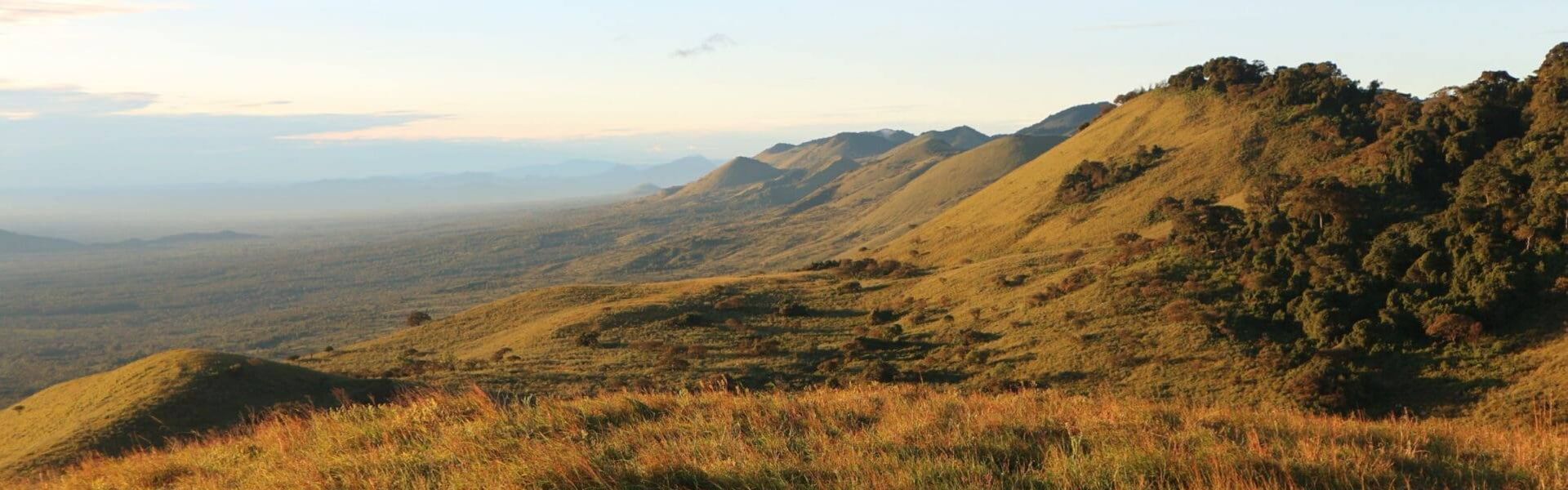
Chyulu Hills SafariThe Chyulu Hills are a striking mountain range in Makueni County, southeastern Kenya, forming a volcanic field that stretches for about 100 km (62 mi) in a northwest–southeast direction. The highest peak rises to 2,188 m (7,178 ft). Within the park lies the famous Leviathan Cave (also known as Kisula caves), one of the longest lava tubes in Africa at approximately 11 km (6.8 mi). The national park, established in 1983, is part of the broader Tsavo Conservation Area, which also includes Tsavo West, Tsavo East, and the Kibwezi Forest. The main entrance is located at Kibwezi town in Makueni County.
The Chyulu Hills have even made their way into popular culture, serving as a stand‑in for the Ngong Hills in the film Out of Africa.
Geography
Situated about 150 km east of the Kenya Rift, the Chyulu Hills consist of hundreds of small volcanic cones and lava flows. Volcanic activity began around 1.4 million years ago in the northern section and gradually moved southeast. The hills are still considered geologically active, with the most recent eruptions Shaitani and Chaimu/Kyaimu occurring in 1856.
The landscape is unique in that the hills have no permanent rivers, yet rainfall collected here feeds major water sources such as the Tsavo and Galana rivers and Mzima Springs. The range divides the Tsavo plains from the Amboseli plains, and the surrounding areas are inhabited by Maasai and Kamba communities.
Ecology
Vegetation varies with altitude. Lower slopes are covered with grasslands and thickets, while above 1,800 m (5,900 ft) montane forests dominate. These forests host species such as African cherry, black ironwood, African holly, Abyssinian coral tree, African juniper, and Commiphora baluensis.
Wildlife is abundant, with mammals including eastern black rhinos, elephants, Cape buffaloes, elands, bushbucks, Masai giraffes, lions, leopards, wildebeest, zebras, cheetahs, and smaller antelopes like steinbok and mountain reedbuck. Reptiles such as the black mamba, puff adder, and rock python are also present. Birdlife is diverse, with species such as Shelley’s francolin, white‑starred robin, orange ground thrush, cinnamon bracken warbler, Ayres’s hawk‑eagle, martial eagle, African crowned eagle, and Abbott’s starling.
The hills are also known for wild khat, locally harvested and cultivated. Khat from this region is called Chuylu, distinct from Miraa grown in Meru County.
Conservation
The Chyulu Hills National Park covers the eastern flank of the range and is managed by the Kenya Wildlife Service, while the western flank is protected under the West Chyulu Game Conservation, owned by Maasai group ranches. Despite protection, threats remain, including poaching, overgrazing by livestock, and water scarcity.
In 2017, the Chyulu Hills Carbon Project was launched as a REDD+ initiative to reduce deforestation and promote sustainable conservation. Partners include the Maasai Wilderness Conservation Trust and Conservation International Kenya.
Best Time to Visit
The best time to explore the Chyulu Hills is during the dry seasons (January–March and June–October), when trails are accessible and wildlife viewing is easier. The rainy seasons (April–May and November–December) bring lush greenery and excellent birdwatching opportunities, though paths can be muddy and visibility reduced.
Activities
Hiking & Trekking: Explore volcanic cones, lava flows, and montane forests.
Cave Exploration: Visit the Leviathan Cave, one of Africa’s longest lava tubes.
Wildlife Viewing: Spot elephants, rhinos, lions, leopards, giraffes, and antelopes.
Birdwatching: Observe endemic and rare species such as Shelley’s francolin and Abbott’s starling.
Scenic Photography: Capture panoramic views of volcanic landscapes and wildlife.
Cultural Visits: Engage with Maasai and Kamba communities to learn about traditions and conservation efforts.
Visitor Tips
Guided tours are recommended, especially for cave exploration and wildlife viewing. Carry sturdy hiking shoes, water, and sun protection, as the terrain can be rugged and dry. The dry season offers the most comfortable conditions, while bird enthusiasts may prefer the rainy months. Supporting local conservation projects and eco‑friendly lodges helps sustain the fragile ecosystem.