
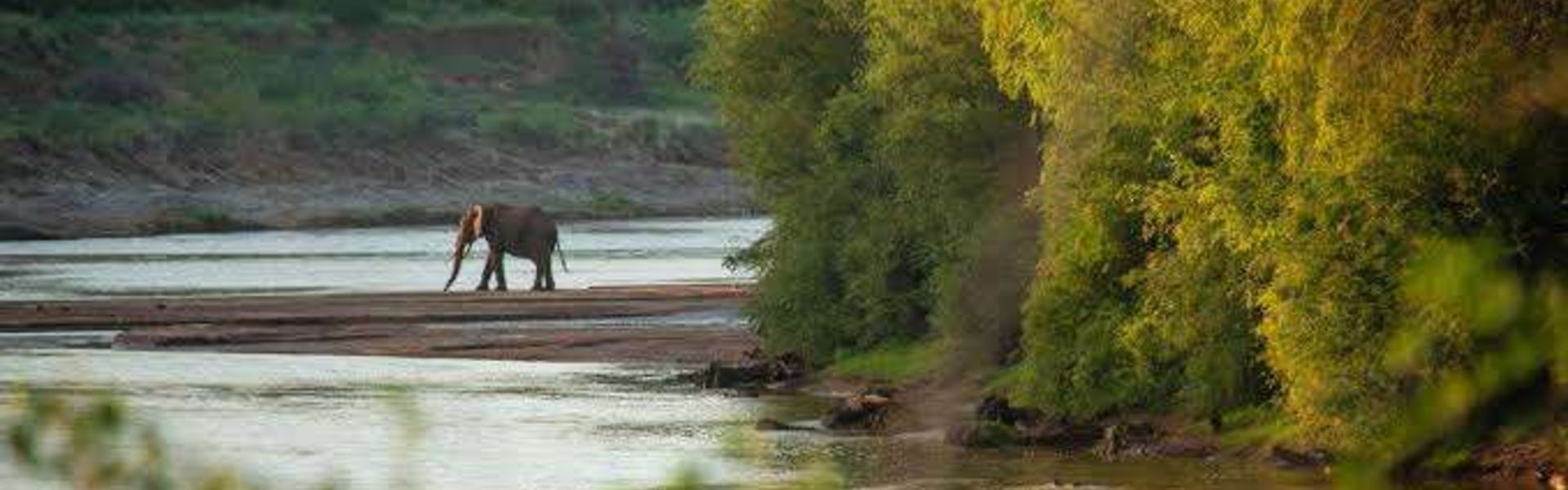

Ultimate Guide to Tsavo West Safari
Find Tsavo West Safari Tours from Verified Kenya Operators
The Ultimate Guide to Tsavo West Safari
Tsavo West SafariTsavo West National Park is located in Taita-Taveta County, Kenya, covering an area of 9,065 km². It is separated from Tsavo East by the Nairobi–Mombasa highway and railway, but together they form the Tsavo Conservation Area. Managed by the Kenya Wildlife Service, Tsavo West is renowned for its breathtaking scenery, Mzima Springs, diverse wildlife, rhino sanctuary, and opportunities for rock climbing and guided walks along the Tsavo River.
Archaeology and History
Archaeological evidence shows human presence in Tsavo from the Early Stone Age, but the strongest signs of settlement date to the Late Stone Age, between 6,000 and 1,300 years ago. Communities lived near the Galana River, hunting, fishing, and keeping livestock, with settlements concentrated around water sources and rock shelters.
By around 700 CE, Swahili traders exchanged ivory, skins, and possibly slaves with Tsavo communities, though there is no evidence of direct colonization. Imported items such as cowry shells and beads have been found at sites from this period.
In the 19th century, explorers documented the Orma and Waata peoples in the region. Later, the British built the Uganda Railway through Tsavo in 1898. During construction, two maneless lions killed dozens of workers, earning the name “Man-Eaters of Tsavo.” Lt.-Col. John Henry Patterson eventually shot them and later wrote The Man-Eaters of Tsavo (1907). Their remains are displayed at the Field Museum in Chicago.
Tsavo remained home to Orma, Maasai, and Waata until 1948, when it was gazetted as a national park and local communities were relocated. After independence in 1963, hunting was banned, and management was handed to the Kenya Wildlife Service. Today, Tsavo West attracts tourists worldwide for its vast wilderness and dramatic landscapes.
Rock Climbing
In 1978, warden Bill Woodley invited the Mountain Club of Kenya to explore Tsavo’s cliffs. Climbers enjoy spectacular views, with elephants roaming below and Kilimanjaro visible on clear days. The gneiss rock offers excellent climbing routes, including the 300 m east face of Kichwa Tembo, Great Tsavo Chimney, Mastodon, and Ivory Tower. Climbers must coordinate with the Mountain Club of Kenya to preserve access privileges.
Wildlife
Tsavo West is home to elephants, lions, leopards, buffalo, black rhinos, and hippos, alongside smaller species such as bushbabies, hartebeest, lesser kudu, and giraffes. The park also hosts hundreds of bird species, making it a paradise for birdwatchers.
The “Waterman of Tsavo”
Patrick Kilonzo Mwalua, a farmer from Kajire village, became known for delivering water to wildlife during droughts starting in 2016. Using a rented water bowser, he made multiple trips daily to fill dry waterholes, earning the trust of elephants and buffaloes who awaited him. His dedication won him praise and a Head of State Commendation in 2018. Sadly, he passed away in June 2024 after battling kidney failure.
Activities in Tsavo West
Game Drives: Explore diverse habitats and spot the Big Five.
Mzima Springs: Visit crystal-clear pools with hippos, crocodiles, and fish.
Shetani Lava Flow: Walk across striking volcanic terrain.
Chaimu Hill: Hike for panoramic views of the park.
Ngulia Rhino Sanctuary: See endangered black rhinos in a protected area.
Roaring Rocks & Poacher’s Lookout: Enjoy scenic viewpoints, especially at sunset.
Lake Jipe: Experience birdwatching and boat rides on the Kenya–Tanzania border.
Cultural Visits: Engage with Maasai communities through dance, crafts, and food.
Best Time to Visit
The dry season, from June to October and January to February, is the best time for wildlife viewing, as animals gather around water sources. The green season, from March to May and November to December, offers lush scenery, fewer tourists, and excellent birdwatching opportunities. Peak months for visitors are January, February, and June through October.
Visitor Tips
A stay of two to three nights is recommended to fully experience the park. Visitors should carry binoculars, cameras, sunscreen, hats, sunglasses, water, and sturdy shoes. A 4×4 vehicle is essential, as roads can be rough, especially during the rainy season. Safety rules from the Kenya Wildlife Service must be followed, with walking restricted to designated areas such as Mzima Springs. Wildlife can sometimes be harder to spot due to thick vegetation, so patience is important. For photography, early mornings and late afternoons provide the best light.