
The Ultimate Guide to Bagamoyo Safaris

Bagamoyo is a very old and special town in Tanzania. It is on the coast, next to the big Indian Ocean. This town is not just any town. It has a very long and important history. People from all over the world know Bagamoyo because of its past.
The name "Bagamoyo" means "Lay Down Your Heart" or "Leave Your Heart" in Swahili. This name tells a sad story. Many, many years ago, this town was a very important place for trade. But it was also a place where people were sold as slaves. Slaves were brought here from inland areas. They were kept here before being sent across the ocean to other countries. So, the name "Lay Down Your Heart" means the slaves left their hope and their lives here. It is a very sad part of its history.
But Bagamoyo is more than just a sad story. It is also a place of new beginnings. After slavery ended, it became a center for missionaries. These missionaries helped many people. They built churches and schools. They tried to make life better for the people.
Bagamoyo was also the first capital city of German East Africa. This means it was the most important city when Germany ruled this part of Africa. This history makes Bagamoyo very unique. You can see old buildings from that time. These buildings tell stories of different people and different times.
UNIQUE FEATURES.
● Its Deep History: It has stories from many hundreds of years. It was a place for trade, for slavery, and for new ideas.
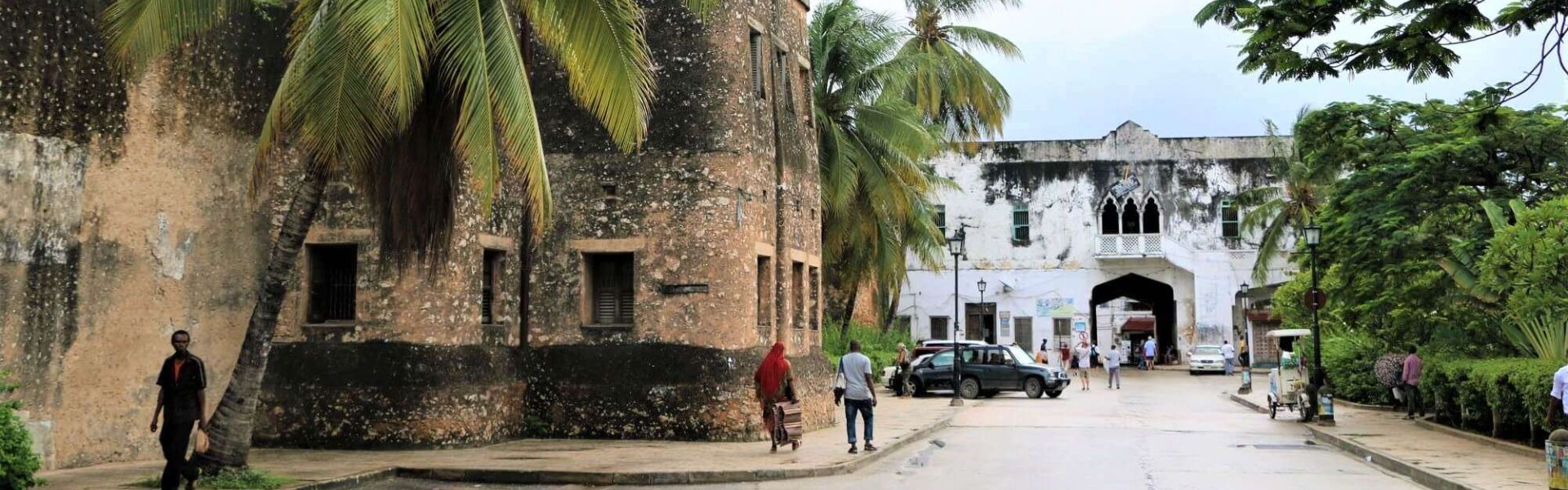
● Old Buildings: You can see old stone houses, a big old fort, and old churches. These buildings are like open books of history.
● Cultural Mix: Many different cultures met here. African people, Arab traders, and European people lived and worked here. This mix made Bagamoyo a very rich place for culture. You can see this in the food, the music, and the way people live.
● Art and Craft: Today, Bagamoyo is famous for its art. Many artists live here. They make beautiful paintings, sculptures, and other crafts. There is a special art college here.
● Beautiful Beaches: Bagamoyo has nice, quiet beaches. You can relax by the ocean and enjoy the sun. The beaches are calm and peaceful.
● Kaole Ruins: Not far from Bagamoyo town, there are very old ruins called Kaole. These are remains of an old Arab settlement from the 13th century. You can see old mosque walls and tombs. It shows how old the trade routes were in this area.
Bagamoyo is a place where you can learn a lot. You can feel the history when you walk through its old streets. It is a town that remembers its past but also looks to the future. It is a very important place for Tanzania and for the world. It reminds us of difficult times, but also of strength and new beginnings.
ESTABLISHMENT OF BAGAMOYO.
The history of Bagamoyo is very, very old. It did not start in one day. It grew slowly over many hundreds of years.
Long, long ago, even before the 19th century, there were small villages near where Bagamoyo is today. These villages were important for local trade. People living inland would bring goods to the coast. They would trade with people who came by boat from other places.
The town of Bagamoyo, as we know it today, became very important in the 19th century. This was because of the growing trade routes. Traders from the Middle East, especially from Oman and Zanzibar, came to the East African coast. They were looking for things to buy and sell.
Also, In Bagamoyo they trade;
● Ivory: This came from elephant tusks. It was very valuable.
● Slaves: This was a very sad and cruel trade. People were captured from inland areas and brought to the coast.
● Other goods: Things like cloth, beads, and spices were also traded.
Bagamoyo became a main stop on the trade routes from the interior of Africa to the coast. Caravans, which were groups of people and animals carrying goods, would end their long journeys in Bagamoyo. This is why the name "Lay Down Your Heart" also means the end of a long, hard journey.
Many famous European explorers also started their journeys into Africa from Bagamoyo. People like David Livingstone and Henry Morton Stanley passed through Bagamoyo. They would prepare for their long trips into the unknown lands from this town.
Then, in the late 19th century, a new power came to Bagamoyo: the Germans. Germany wanted to have colonies in Africa. Bagamoyo was a good place for them because it was already a busy port. So, Germany made Bagamoyo the first capital of German East Africa in 1888. This was a very big change for the town. The Germans built new buildings, like the Boma (a government building) and customs houses. They tried to make it a modern town.
However, Bagamoyo's time as the capital was not very long. The Germans soon moved their capital to Dar es Salaam. Dar es Salaam had a deeper harbor, which was better for big ships. So, Bagamoyo became less important as a port. But its history as the first capital remains.
Also, the Holy Ghost Fathers, a group of Catholic missionaries, came to Bagamoyo in 1868. They built a mission here. This mission became very important. It was a place where freed slaves could find a new home and learn new skills. They built a church, schools, and workshops. This mission played a big role in the town's development and in helping people.
So, Bagamoyo was established and grew because of;
● Its good location on the coast.
● Its role in the long-distance trade routes.
● The arrival of European explorers.
● The influence of missionaries.
● Its short time as a colonial capital.
All these things together made Bagamoyo the town it is today, full of history and stories.
LOCATION AND ACCESSIBILITY.
Bagamoyo is located on the eastern coast of Tanzania. It is in the Pwani Region, which means "Coast Region" in Swahili. It sits right by the Indian Ocean. This location is very important because it has always been connected to the sea.
If you look at a map of Tanzania, Bagamoyo is north of Dar es Salaam. Dar es Salaam is the biggest city in Tanzania. Bagamoyo is not very far from Dar es Salaam, which makes it quite accessible for visitors.
How far is Bagamoyo from Dar es Salaam? It is about 75 kilometers (or about 47 miles) north of Dar es Salaam. This distance means you can travel between the two towns in a few hours.
How can you get to Bagamoyo? The main way to reach Bagamoyo is by road. There are no airports in Bagamoyo, and no train stations. So, most people travel by car or bus.
● From Dar es Salaam:
○ By Car: You can hire a private car or a taxi from Dar es Salaam. This is the fastest and most comfortable way. The journey usually takes about 1.5 to 2 hours, depending on traffic and road conditions.
○ By Bus (Dala-dala): These are local mini-buses. They are cheaper but can be crowded and slower. They leave from specific bus stands in Dar es Salaam. This option is good if you want to experience local travel.
○ By Motorcycle (Boda-boda): For shorter distances within Bagamoyo or from nearby villages, people use motorcycles. But for traveling from Dar es Salaam, it is not common or safe.
● Road Conditions:
○ The road from Dar es Salaam to Bagamoyo is mostly paved. This means it is a good road for driving.
○ However, some parts of the road, especially closer to Bagamoyo town, might be unpaved or have some rough sections. This can make the journey a bit bumpy, especially after heavy rains.
○ During the rainy season, some roads might be more difficult to use.
● Accessibility for Tourists:
○ For tourists, Bagamoyo is quite accessible. Many tour companies offer day trips or overnight stays to Bagamoyo from Dar es Salaam.
○ The short distance from Dar es Salaam means it can be a good side trip if you are already visiting the big city.
○ It is easy to find transport options in Dar es Salaam to get to Bagamoyo.
In summary, Bagamoyo's location on the coast, relatively close to Dar es Salaam, makes it easy to reach by road. This accessibility helps people visit its historical sites and enjoy its quiet charm.
TRANSPORTATION.
Once you are in Bagamoyo, or when you want to travel to and from the town, there are different ways to move around. Transportation in Bagamoyo is mostly local and simple.
Traveling to and from Bagamoyo:
● Buses (Dala-dalas): These are the most common and cheapest way for local people to travel between Bagamoyo and nearby towns, especially Dar es Salaam. They are mini-buses that follow specific routes. They stop often to pick up and drop off passengers. They can be crowded, but they are a good way to see local life.
● Private Cars/Taxis: For more comfort and speed, you can hire a private car or a taxi. This is often used by tourists or people who want to travel directly without many stops. You can arrange these cars from Dar es Salaam or within Bagamoyo.
● Motorcycles (Boda-bodas): These are very popular for quick trips between Bagamoyo and nearby villages or for people who live just outside the main town. They are fast but can be less safe. They are not usually used for long distances like from Dar es Salaam.
Moving Around Inside Bagamoyo Town:
Bagamoyo town is not very big. Many of its historical sites and important places are close to each other. This means you can easily explore the town on foot.
● Walking: This is the best way to see the old town. You can walk through the narrow streets, see the old buildings, and feel the history. It is also a good way to meet local people and see daily life.
● Bicycles: Some people rent bicycles to move around. This is a nice way to explore the town and its surroundings at your own pace. It is also good for the environment.
● Tuk-tuks (Bajaj): These are small, three-wheeled vehicles. They are like small taxis. They are very common in Bagamoyo and other towns in Tanzania. They are good for short distances, especially if you have luggage or if it's too hot to walk. They are also quite cheap.
● Motorcycles (Boda-bodas): Similar to tuk-tuks, boda-bodas are used for quick rides within the town or to places just outside. They are faster than tuk-tuks but carry only one passenger usually.
NB;
Things to remember about transportation in Bagamoyo:
● Negotiate Fares: For taxis, tuk-tuks, and boda-bodas, it is a good idea to agree on the price before you start your journey. This helps avoid misunderstandings.
● Safety: Always choose reliable transport. For boda-bodas, wear a helmet if available.
● Local Experience: Using local transport like dala-dalas and tuk-tuks can be a fun and authentic experience, but be prepared for crowds and less comfort.
Overall, transportation in Bagamoyo is simple and reflects the town's quiet, historical nature. It is easy to get around, especially if you enjoy walking and experiencing local ways of travel.
ACCOMMODATION.
When people visit Bagamoyo, they need places to stay. Bagamoyo offers different types of accommodation, from simple guesthouses to more comfortable hotels and lodges. The options are generally smaller and more intimate than in big cities like Dar es Salaam, fitting the town's relaxed atmosphere.
Here are the main types of accommodation you can find in Bagamoyo:
● Guesthouses (Guest Houses):
○ These are usually small, family-run places.
○ They offer basic rooms, often with a bed, a fan, and sometimes a private bathroom.
○ They are usually the most affordable option.
○ Staying in a guesthouse can give you a more local experience. You might interact more with the owners and other local guests.
○ They might not have many extra services like a restaurant or swimming pool, but they are clean and safe.
● Small Hotels:
○ Bagamoyo has a few small hotels.
○ These offer more services than guesthouses, like a restaurant, air conditioning in some rooms, and sometimes a small bar.
○ The rooms are usually more comfortable, and some might have a TV.
○ They are a good middle-ground option for comfort and price.
● Lodges and Resorts (often by the beach):
○ For visitors looking for more comfort and amenities, there are a few lodges or resorts, especially located along the beach just outside the main town.
○ These places often have:
■ Swimming pools: Great for relaxing after a day of exploring.
■ Restaurants: Serving local and international food.
■ Bars: For drinks and socializing.
■ Gardens: Beautiful green spaces.
■ Beach access: Direct access to the sandy shores of the Indian Ocean.
■ More spacious rooms: Often with better views and more facilities.
○ These options are usually more expensive but offer a more relaxing and luxurious stay. They are popular with tourists who want to combine historical exploration with beach relaxation.
NB;
Things to consider when choosing accommodation:
● Location: Do you want to be in the center of the old town, close to historical sites, or do you prefer to be by the beach, a bit outside the town?
● Budget: How much money do you want to spend per night? Guesthouses are cheapest, lodges are most expensive.
● Facilities: Do you need air conditioning, a swimming pool, or a restaurant?
● Booking: Especially during peak tourist seasons, it is a good idea to book your accommodation in advance. You can often find places online or through tour operators.
Overall, Bagamoyo has enough options to suit different needs and budgets. Whether you want a simple, local experience or a more comfortable, relaxing stay by the beach, you can find a place in Bagamoyo.
ENEFITS TO LOCAL COMMUNITY.
Tourism and other activities in Bagamoyo bring many benefits to the local community. When visitors come, they spend money, and this money helps the people who live in Bagamoyo.
Here are some ways the local community benefits:
● Jobs and Employment:
○ Hotels and Guesthouses: Many local people work in hotels, lodges, and guesthouses. They work as cleaners, cooks, waiters, receptionists, and security guards.
○ Tour Guides: Local people who know the history and stories of Bagamoyo become tour guides. They take visitors around the historical sites and explain everything. This gives them an income.
○ Transport: People who own or drive tuk-tuks, boda-bodas, or taxis get money from transporting visitors around the town.
○ Restaurants and Food Stalls: Local people work in or own restaurants and small food stalls. Visitors eat there, which helps these businesses.
● Selling Goods and Crafts:
○ Artisans and Craft Makers: Bagamoyo is known for its art. Local artists make paintings, wood carvings, sculptures, and other handicrafts. Tourists buy these items as souvenirs, which helps the artists earn money.
○ Market Vendors: People sell fresh fruits, vegetables, fish, and other local products in the markets. Visitors buy these things, supporting the local economy.
○ Souvenir Shops: Small shops sell local clothes, jewelry, and other items that tourists like to buy.
● Cultural Preservation:
○ When tourists visit historical sites like the Old Fort, the Catholic Mission, or Kaole Ruins, it shows that these places are important. This encourages the government and local people to protect and take care of these historical sites.
○ Local traditions, music, and dances are sometimes performed for visitors, helping to keep these cultural practices alive.
● Infrastructure Development:
○ As tourism grows, there is a need for better roads, water supply, electricity, and communication services. The money from tourism, or the attention it brings, can encourage the government or other organizations to improve these basic services. These improvements benefit everyone in the town, not just tourists.
● Education and Awareness:
○ When people from outside visit, it can bring new ideas and knowledge to the community.
○ Local children learn about the importance of their town's history and culture. This helps them to be proud of their heritage.
● Fisheries and Agriculture:
○ While not directly tourism, local fishermen sell their catch to hotels and restaurants that serve tourists.
○ Farmers in nearby areas supply food to the town, including places that cater to visitors.
In simple terms, when tourists come to Bagamoyo, they bring money. This money helps local people get jobs, sell their products, and improve their town. It also helps to protect the town's important history and culture for future generations. It creates a cycle where visitors enjoy the town, and the town's people benefit from the visits.
CHALLENGES AND CONCLUSION.
Bagamoyo, like many historical towns, faces several challenges. These are problems that make it difficult for the town to grow and for its people to live better lives. However, for every challenge, there are possible solutions.
Challenges:
1. Poverty and Unemployment:
○ Challenge: Many people in Bagamoyo are poor. There are not enough good jobs for everyone, especially for young people. This leads to low income and difficult living conditions.
○ Reason: Limited industries outside of small-scale fishing and tourism, lack of advanced skills for many people.
2. Lack of Infrastructure:
○ Challenge: Some basic services are not very good. This includes roads that are not always paved or well-maintained, sometimes not enough clean water, and unreliable electricity in some areas.
○ Reason: Not enough government investment, the town is old and needs modernizing.
3. Preservation of Historical Sites:
○ Challenge: Bagamoyo has many old and important historical buildings and ruins. Some of these are getting old and damaged by weather or lack of care. It costs a lot of money to fix and maintain them.
○ Reason: Limited funds for conservation, lack of awareness about the importance of regular maintenance.
4. Environmental Issues:
○ Challenge: Like many coastal towns, Bagamoyo faces problems with waste management (rubbish collection). Also, the ocean and beaches can be affected by pollution, and climate change can cause sea levels to rise, affecting coastal areas.
○ Reason: Not enough proper waste disposal systems, lack of public awareness about environmental protection.
5. Limited Tourism Facilities:
○ Challenge: While there are some hotels, Bagamoyo does not have as many big, modern tourism facilities as other popular tourist destinations. This means it might not attract as many high-spending tourists.
○ Reason: Lack of large investments in tourism, focus on historical rather than luxury tourism.
6. Seasonality of Tourism:
○ Challenge: Tourism might be stronger at certain times of the year (e.g., dry season) and weaker at other times (e.g., rainy season). This makes income unstable for people working in tourism.
Solutions:
1. To Solve Poverty and Unemployment:
○ Solution: Invest more in tourism training. Teach local people skills for hotels, guiding, and craft making. Encourage small businesses. Support local art and craft industries so they can sell more.
○ Example: Create training programs for young people to become certified tour guides or hotel staff.
2. To Improve Infrastructure:
○ Solution: The government needs to invest more money to build better roads, improve water pipes, and provide more reliable electricity. This makes life better for locals and more attractive for tourists.
○ Example: Build new, paved roads connecting key areas, and improve access to clean water for all households.
3. To Preserve Historical Sites:
○ Solution: Get more money from the government and international organizations for conservation. Train local people to help maintain these sites. Raise awareness among locals and visitors about the importance of protecting history.
○ Example: Create a special fund for historical site maintenance. Organize community clean-up days at the sites.
4. To Solve Environmental Issues:
○ Solution: Create better systems for collecting and managing rubbish. Educate people about not littering and protecting the environment. Promote eco-tourism activities that do not harm nature.
○ Example: Introduce recycling programs. Have regular beach clean-ups involving the community and tourists.
5. To Improve Tourism Facilities:
○ Solution: Encourage more investment in quality hotels and services. Develop new tourism products, like cultural festivals or art workshops, to attract more visitors.
○ Example: Offer incentives for investors to build environmentally friendly resorts. Promote Bagamoyo as a cultural and historical tourism destination.
6. To Handle Tourism Seasonality:
○ Solution: Develop activities that are not dependent on good weather, like indoor cultural performances or workshops. Promote Bagamoyo as an all-year-round destination for its history and culture, not just beaches.
○ Example: Organize regular art exhibitions or music festivals throughout the year.
By working on these solutions, Bagamoyo can overcome its challenges and become an even better place for its people and for visitors. It needs effort from the government, local community, and international partners.
OPPORTUNITY.
Bagamoyo has many opportunities for growth and development. Its rich history, unique culture, and coastal location give it a lot of potential for a bright future.
Here are some key opportunities for Bagamoyo:
Increased Tourism Development:
○ Opportunity: Bagamoyo can attract many more tourists. Its history as a slave trade port, a German capital, and a missionary center is very unique. People from all over the world want to learn about such places.
○ How: By improving marketing, building more quality accommodation, and creating more organized tours. Developing special historical routes or walking tours can make visits more interesting.
○ Benefit: More tourists mean more jobs, more money for local businesses, and more attention to the town.
UNESCO World Heritage Site Status:
○ Opportunity: Bagamoyo's historical sites, like the Old Fort, the Catholic Mission, and the Kaole Ruins, are very important globally. If it becomes a UNESCO World Heritage Site, it will get international recognition and protection.
○ How: The Tanzanian government and local authorities need to work hard to meet UNESCO's requirements for preservation and management.
○ Benefit: This status would bring more funding for preservation, increase its fame, and attract even more respectful tourists.
ü Cultural and Arts Hub:
○ Opportunity: Bagamoyo is already known for its art college (Bagamoyo College of Arts). It can become a major center for arts and culture in East Africa.
○ How: By hosting more art festivals, music events, and workshops. Creating art galleries and studios where artists can work and sell their creations.
○ Benefit: This would attract artists and art lovers, create jobs, and make the town a lively cultural center.
Sustainable Development:
○ Opportunity: Bagamoyo can develop in a way that protects its environment and benefits its people for a long time. This is called sustainable development.
○ How: By promoting eco-tourism (tourism that is good for nature), using renewable energy, and managing waste properly. Involving local communities in all development plans.
○ Benefit: This ensures that the town grows without harming its natural beauty or its people's way of life.
Educational Tourism:
○ Opportunity: Because of its deep history, Bagamoyo is an excellent place for educational trips. Students and researchers can come here to learn about slavery, colonialism, and missionary work.
○ How: By developing educational programs, providing good information at sites, and encouraging schools and universities to visit.
○ Benefit: This brings a different type of visitor and helps spread knowledge about important historical events.
Fisheries and Agriculture Modernization:
○ Opportunity: The local economy is also based on fishing and farming. There is a chance to improve these sectors.
○ How: By introducing better fishing methods, helping farmers grow more food, and finding new markets for their products.
○ Benefit: This would improve the income and food security for many local families, reducing poverty.
Improved Infrastructure and Services:
○ Opportunity: With more investment, Bagamoyo can have much better roads, water, electricity, and internet services.
○ How: Through government funding, private investment, and international aid.
○ Benefit: Better infrastructure improves the quality of life for residents and makes the town more attractive for businesses and tourists.
Bagamoyo has a strong foundation in its history and culture. By carefully planning and investing in these opportunities, it can grow into a thriving town that honors its past while building a prosperous future for its community.
CONCLUSION.
Bagamoyo is a truly special town on the coast of Tanzania. It is a place filled with deep history, rich culture, and beautiful natural surroundings. From its sad past as a major slave trade port, to its time as the first German capital, and its role as a center for missionaries, Bagamoyo has seen many important moments in history.
We have learned about its unique features, like the old Stone Town, the ancient Kaole Ruins, and its vibrant art scene. We also saw how it was established and grew over centuries, shaped by trade, exploration, and different cultures meeting.
Getting to Bagamoyo is mostly by road from Dar es Salaam, and moving around the town is easy by walking, bicycle, or tuk-tuk. There are various places to stay, from simple guesthouses to more comfortable lodges by the beach.
The town's development brings many good things to the local community. It creates jobs in hotels, as tour guides, and for artists selling their crafts. It also helps to protect the town's valuable historical sites and cultural traditions.
However, Bagamoyo also faces challenges. These include poverty, the need for better roads and services, and the big task of preserving its old buildings. Environmental issues and the need for more consistent tourism are also important problems to solve.
But for every challenge, there are many opportunities. Bagamoyo can grow its tourism, become a UNESCO World Heritage Site, and shine as a major center for arts and culture. By focusing on sustainable development, educational tourism, and improving basic services, Bagamoyo can build a stronger future.
In generally, Bagamoyo is a town that holds many stories. It reminds us of difficult times, but also of resilience and hope. With careful planning, investment, and the continued efforts of its people, Bagamoyo can continue to be a significant place, celebrating its unique heritage while creating a better life for everyone who calls it home. It is a town that truly deserves to be visited, understood, and cherished.