
The Ultimate Guide to Simanjiro Game Area Safaris

The Kalimawe Game Controlled Area (GCA) stands as a significant designated protected area within Tanzania. It was officially established in 1974 and encompasses a substantial territory of 300 square kilometers. This area is classified under the International Union for Conservation of Nature (IUCN) as Category VI, denoting it as a "protected area with sustainable use of natural resources". This classification is crucial as it permits a balanced approach, integrating nature conservation with the sustainable utilization of resources by local communities. Unlike strictly protected national parks where human activities are often restricted , the Category VI designation for Kalimawe GCA signifies a deliberate policy choice by Tanzania to allow for the coexistence of traditional activities, such as farming or grazing, alongside conservation efforts. This foundational aspect is key to understanding the potential benefits that local communities can derive from the area, as well as the specific challenges that arise from managing shared resources.
· Geographically, the Kalimawe Controlled Area is situated within the Kilimanjaro Region, specifically within the Same District of Tanzania. This location is fundamental to comprehending its climate, natural characteristics, and its broader connections to other important ecological and human sites in the region.
· The name "Kalimawe" carries a dual significance, as it also refers to the Kalimawe Dam. This substantial water infrastructure, also located in the Same District, was constructed by the British Colonial Government between 1952 and 1959. Its primary purpose was to control floods and support agricultural activities for the Pare pastoralist communities who had been relocated from the Mkomazi Game Reserve. The presence of both the "Kalimawe Game Controlled Area" and the "Kalimawe Dam" in close geographical proximity highlights a complex interplay of conservation and development objectives. This close relationship necessitates integrated management strategies that consider both the protection of wildlife and the dam's vital role in sustaining human livelihoods. For instance, the abstraction of water from the dam could potentially affect downstream ecosystems or wildlife within the GCA, while land use practices in the GCA's catchment area could influence the dam's siltation levels. This intricate connection underscores the need for a holistic management approach to maximize benefits and mitigate potential conflicts.
Importance of Kalimawe in Tanzania's Conservation and Development Landscape.
· Kalimawe represents a vital component within Tanzania's extensive network of protected areas, playing a crucial role in the nation's broader wildlife conservation strategies. This model is designed to foster mutual benefits for both the environment and human communities.
· The presence and function of the Kalimawe Dam further emphasize the area's significance beyond wildlife conservation. The dam serves as a critical resource for water supply, supporting agricultural activities, and contributing to the livelihoods of local communities, particularly in a semi-arid environment. This dual role makes Kalimawe a compelling case study for understanding the intricate balance and potential synergies between conservation, water management, and socio-economic development in Tanzania.
· The ongoing rehabilitation efforts for the dam, supported by organizations like the UNCDF, further underscore its importance as a key piece of infrastructure for regional development and community resilience.
ESTABLESHMENT OF KALIMAWE GAME CONTROLLED AREA.
· The Kalimawe Game Controlled Area was officially established in 1974, covering an area of 300 square kilometers. This designation placed it under the management of the Tanzania Wildlife Management Authority (TAWA), which is responsible for conserving and protecting wildlife resources in Game Reserves.
· This approach to conservation, adopted in 1974, marked a significant policy evolution in Tanzania. Historically, many conservation efforts globally and in Africa often focused on a "fortress conservation" model, where human activities were strictly excluded from protected zones. The choice for Kalimawe, however, reflects a more forward-thinking and inclusive strategy, recognizing that integrating human needs with conservation can lead to more sustainable outcomes.
· This policy acknowledges the importance of local communities' involvement and their reliance on natural resources, aiming to ensure that protected areas contribute to both ecological health and human well-being.
Geographical Location and Key Characteristics.
· The Kalimawe Controlled Area is situated in the Kilimanjaro Region, specifically within the Same District. The Kilimanjaro Region occupies the north-eastern part of Mainland Tanzania, bordering Kenya to the north, the Tanga Region to the east, and the Arusha Region to the west. The Same District itself is notable for being home to a section of the Mkomazi National Park.
· The boundaries of the Kalimawe Game Controlled Area are defined in relation to the Mkomazi River and its tributaries, such as the Kambaga and Kisiwani rivers. This close geographical relationship is critically important because the Mkomazi National Park also shares a border with Kenya's Tsavo West National Park, forming the Mkomazi-Tsavo Ecosystem, which is the second largest trans-boundary ecosystem in East Africa. This interconnectedness is vital for wildlife migration patterns and the overall health of the broader ecosystem. The strategic location of Kalimawe GCA, being part of or in close proximity to the Mkomazi National Park and its associated river systems, underscores its role as a crucial ecological corridor.
· This connectivity facilitates the movement of wildlife, but it also means that challenges related to resource management, particularly water, can easily extend across protected areas and human settlements.
· The area experiences a "Tropical savanna, wet" Köppen climate type. This climate is characterized by distinct wet and dry seasons, which significantly influence water availability, vegetation cycles, and agricultural practices in the region. While the precise altitude of Kalimawe GCA is not explicitly stated, its location within the Kilimanjaro Region implies a varied topography, ranging from 600 meters in the lowlands to 5895 meters at the peak of Mount Kilimanjaro. Such diverse altitudes typically support a wide range of habitats.
Distinctive Flora and Fauna.
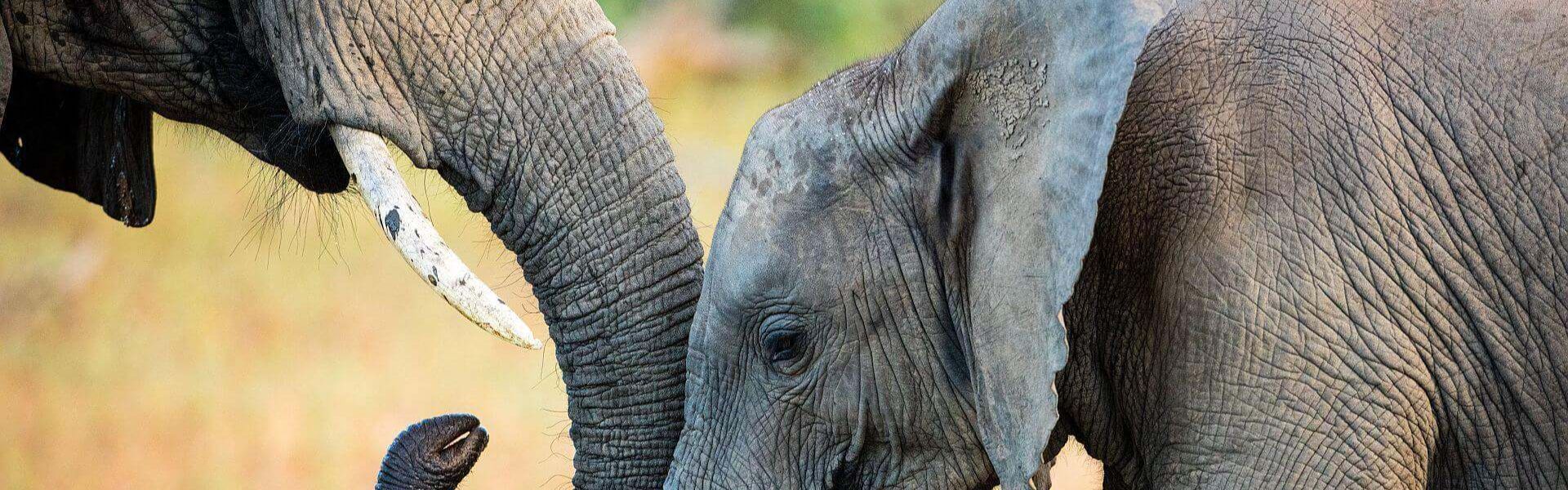
The Kalimawe Game Controlled Area is known to support various wildlife species, including elephants and antelope. Its ecological connection to the larger Mkomazi-Tsavo ecosystem suggests the potential for a wider array of animal sightings. The Mkomazi National Park, which is part of this ecosystem, is home to large mammals such as African elephants, lions, buffaloes, and critically endangered black rhinoceroses. Other species found in the broader Mkomazi area include giraffes, zebras, lesser kudu, gerenuk, beisa oryx, and African wild dogs. The park is also rich in birdlife, with over 450 species recorded.
The landscape within Kalimawe GCA features grasslands and forests, providing diverse habitats that support these wildlife populations and offer unique opportunities for wildlife viewing. The adjacent Mkomazi National Park is characterized by acacia-commiphora woodlands and important riverine forests, which are crucial for biodiversity. The broader Kilimanjaro region, due to its varied altitudes, supports a wide array of vegetation zones, from tropical rainforests at lower elevations to alpine deserts at higher altitudes. This includes unique and endemic plants like giant lobelias and groundsels, which are adapted to the harsh conditions of higher elevations.
The presence of critically endangered species such as the black rhinoceros and African wild dogs within the broader Mkomazi-Tsavo ecosystem elevates the importance of the Kalimawe GCA. Its role as part of this larger ecosystem makes it a crucial component of a significant biodiversity hotspot in East Africa.
The GCA likely serves as a dispersal area or corridor for these and other species, even if they do not reside permanently within its smaller boundaries. This ecological significance means that conservation efforts within Kalimawe GCA contribute directly to the survival of these vulnerable populations across the wider region.
The Role and Features of Kalimawe Dam.
The Kalimawe Dam holds significant historical and functional importance in the region. It was constructed by the British Colonial Government between 1952 and 1959. The dam's primary objectives were to manage floods and provide water for agricultural activities, specifically benefiting the Pare pastoralist communities who had been relocated from the Mkomazi Game Reserve in 1951.
· The dam is located in the Kalemawe and Ndungu administrative Wards within the Same District, Kilimanjaro Region. It collects water from three rivers—Nakombo, Hingilili, and Yongoma—all of which originate from the Chome Natural Reserve. The water impounded by the dam is then released into a 12-kilometer irrigation canal, known as the Karamba Irrigation Canal, which supplies water to more than four wards in the Same and Korogwe districts.
This reduction is primarily attributed to several factors: leakages, extensive siltation resulting from increased environmental degradation in its catchment area, and the proliferation of water hyacinth. These issues have been exacerbated by a general lack of adequate maintenance and repairs. The declining capacity of the dam has directly impacted fishing activities and the consistent flow of water along the Karamba irrigation canal, thereby negatively affecting the livelihoods of local populations.
Recognizing these critical issues, a major rehabilitation project for the Kalimawe Dam and the Karamba Irrigation Canal is currently underway. The United Nations Capital Development Fund (UNCDF) is providing crucial technical and business consulting support for this initiative. This support includes conducting feasibility studies for rehabilitation and de-siltation efforts.
The company responsible for managing the dam, Kalemawe Dam Investment Limited, operates under a Public-Private-Community Partnership (PPCP) model. This innovative structure involves shared ownership: the Same District Council holds 25%, the Pangani Water Basin holds 10%, and six surrounding villages collectively own 30% of the equity. The remaining 35% is strategically reserved for private investors, aiming to attract additional capital and technology.
NB:
The history and current state of the Kalimawe Dam vividly illustrate the complex and interconnected relationship between water resources, agricultural practices, and environmental health. The dam's original purpose was to support human livelihoods following community displacement, but its declining capacity due to siltation highlights how upstream environmental degradation, such as deforestation and poor land management, directly impairs essential infrastructure.
This, in turn, negatively impacts agricultural productivity and local livelihoods, creating a cycle where environmental problems undermine socio-economic well-being. The ongoing rehabilitation efforts are therefore not just about infrastructure repair, but about restoring a vital component of the region's socio-economic and ecological stability.
TOURISM EXPERIENCE AND ACTIVITIES.
Current Tourism Offerings.
While specific, detailed tourism offerings exclusively for the Kalimawe Game Controlled Area (GCA) are not extensively outlined in the available information, its classification as a Game Controlled Area under IUCN Category VI indicates that regulated wildlife-related activities are permitted.
GCAs are generally managed to enhance wildlife conservation efforts while also promoting regulated hunting and cultural experiences.
· The broader Kilimanjaro Region, where Kalimawe is situated, is a well-established and significant tourist destination in Tanzania. This region is primarily renowned for iconic attractions such as Mount Kilimanjaro climbing, the Mkomazi National Park, and the aquatic life found in rivers like Pangani and Lake Jipe.
· The existence of a robust regional tourism infrastructure and a diverse range of activities suggests that Kalimawe GCA could potentially integrate into and benefit from existing tourism circuits.
The limited specific data on current tourism activities within Kalimawe itself suggests that its potential for ecotourism is significant but currently underutilized. This indicates a gap in active tourism promotion or development specifically for this site, despite its strategic location within a major tourism region and its protected area status which allows for sustainable use. Developing and marketing unique experiences tailored to Kalimawe's specific features could unlock this untapped potential.
Specific Activities and Experiences.
The unique natural and historical attributes of the Kalimawe Controlled Area, combined with its status as a protected area that allows for sustainable resource use, present various opportunities for tourism activities and experiences.
● Wildlife Viewing: As a Game Controlled Area, observing wildlife is a primary activity. Visitors can expect to see species such as elephants and antelope. Given its ecological connection to the Mkomazi-Tsavo ecosystem, there is potential for sightings of a wider array of species, including zebra, buffalo, giraffe, and various antelopes.
● Birdwatching: The region's rich biodiversity and diverse flora, characteristic of similar forest reserves and protected areas across Tanzania, make birdwatching a highly probable and rewarding activity in Kalimawe. For example, the nearby Mkomazi National Park is home to over 450 bird species. Nature forest reserves in Tanzania generally offer excellent birdwatching opportunities, with many endemic species.
● Nature Walks and Hiking: Many nature forest reserves in Tanzania actively promote guided hikes and nature walks as a way for visitors to experience the natural environment. Given Kalimawe's landscape, which includes grasslands and forests , these activities would be highly suitable, allowing visitors to explore the diverse vegetation and observe smaller wildlife.
● Fishing and Aquaculture Experiences: The Kalimawe Dam itself is associated with fishing activities, though currently at a low volume. With the ongoing development of commercial fish farming at the dam, supported by UNCDF, there is a growing potential to offer visitors an educational or participatory experience related to sustainable aquaculture. This could include learning about fish breeding, feeding, and harvesting, providing a unique insight into local livelihoods and food security efforts.
● Cultural Interactions: Game Controlled Areas can be designed to promote cultural experiences. The proximity of Mkomazi National Park to Maasai and Pare tribal communities suggests opportunities for visitors to engage with local cultures and learn about their traditional customs and lifestyles. This could involve guided village tours, visits to local markets, or participation in cultural events, offering an authentic glimpse into the daily lives of the descendants of the Shirazi people and other coastal tribes.
● Historical Site Visits (Kalimawe Dam): The Kalimawe Dam, with its history of construction by the British colonial government and its purpose in supporting displaced communities, represents a significant historical site. Visitors could learn about its establishment, engineering, and socio-economic impact on the region. This offers a unique historical tourism experience, complementing the natural attractions.
NOTE:
The unique combination of a Game Controlled Area, a significant historical water infrastructure (Kalimawe Dam), and the presence of local cultural communities creates a strong opportunity for Kalimawe to develop a distinctive integrated eco-cultural tourism model. This approach can offer visitors a richer and more immersive experience by combining wildlife viewing, insights into water management and local livelihoods (like fish farming), and authentic cultural interactions. Such an integrated model would also ensure that tourism directly benefits local communities, fostering a stronger connection between conservation efforts and community well-being.
LOCATION AND ACCESSIBILITY.
Geographical Location.
· The Kalimawe Controlled Area is located in Tanzania, specifically within the Kilimanjaro Region. More precisely, it falls within the Same District. The Kilimanjaro Region is situated in the north-eastern part of Mainland Tanzania. It shares its northern border with Kenya, its eastern border with the Tanga Region, and its western border with the Arusha Region.
· The Same District, where Kalimawe is found, is also home to a portion of the Mkomazi National Park. The boundaries of the Kalimawe Game Controlled Area are defined by natural features, following the west bank of the Mkomazi River upstream to its confluence with the Kambaga River, and then along the Kambaga River to its confluence with the Kisiwani River.
This geographical positioning means that Kalimawe is part of a larger, interconnected ecological landscape. The Mkomazi National Park, which is adjacent to Same District, borders Kenya's Tsavo West National Park, forming the extensive Mkomazi-Tsavo Ecosystem. This trans-boundary ecosystem is crucial for wildlife migration and regional biodiversity.
The Kalimawe Dam, a key feature within the Kalimawe area, is located in the Kalemawe and Ndungu administrative Wards of the Same District. Its water sources, the Nakombo, Hingilili, and Yongoma rivers, originate from the Chome Natural Reserve, further highlighting the interconnectedness of water resources and protected areas in the region.
The climate in the Kalimawe Controlled Area is classified as "Tropical savanna, wet". This climate type is characterized by distinct wet and dry seasons, which influence the availability of water and the overall ecological dynamics of the area. The altitude in the broader Kilimanjaro Region varies significantly, from 600 meters in the lowlands to 5895 meters at the peak of Mount Kilimanjaro. This varied topography contributes to the diverse habitats found within the region, including those within Kalimawe.
ACCESSIBILITY AND TRANSPORTATION.
Kalimawe Controlled Area and the Kalimawe Dam is limited in the provided text. However, general information about transportation in the broader regions of Kilimanjaro and Tabora, where similar protected areas and dams are located, can provide some insights.
Road Network: The Kilimanjaro Region, where Kalimawe is located, has a road network that includes a paved Trunk road connecting Dar es Salaam to Arusha, which passes through the Same District. This suggests that access to the general vicinity of Kalimawe is facilitated by a major paved highway. The condition of local roads leading directly to the Kalimawe Controlled Area or the dam is not specified. For other protected areas in Tanzania, roads leading to attractions can vary significantly, with some being unpaved and potentially muddy during the rainy season.
Public Transport: While specific public transport options to Kalimawe are not detailed, in other parts of Tanzania, shared minibuses known as "dala-dalas" are a common and affordable mode of transport for local travel. Taxis are also available for hire. For longer distances, premium bus services are available between major cities like Dar es Salaam and Arusha/Moshi. However, direct public transport to remote protected areas can be challenging, often requiring a combination of bus travel to a nearby town and then a taxi or specialized vehicle for the final leg.
Air Travel: The Kilimanjaro International Airport (JRO) is located northwest of the Kalimawe Controlled Area, while Arusha Airport (ARK) is west-northwest. These airports serve as major entry points for international and domestic tourists visiting the Kilimanjaro Region. From these airports, visitors would typically arrange ground transportation to reach their final destination.
Water Transport: The Kalimawe Dam is a significant water body, and while not explicitly stated, some dams in Tanzania allow for activities like boating and fishing. However, this is typically recreational and not a primary mode of transport for accessing the area.
NB:
Kalimawe Controlled Area suggests that direct public transport might be limited, and private vehicle hire or organized tours are likely the most practical options for visitors. Improving the condition of local access roads would be crucial for enhancing tourism and community engagement.
ACCOMMODATION.
a) Accommodation Options in and around Kalimawe.
Direct information about specific accommodation options within the Kalimawe Game Controlled Area or immediately adjacent to the Kalimawe Dam is not extensively detailed in the provided information. However, the broader Kilimanjaro Region, where Kalimawe is located, offers a range of accommodation choices, from budget-friendly guesthouses to more luxurious hotels and lodges.
General Accommodation Types in the Region;
● Hotels and Lodges: Throughout the Kilimanjaro Region, particularly in towns like Moshi and Arusha, there are various hotels and lodges catering to tourists, including those visiting Mount Kilimanjaro and Mkomazi National Park. These range from budget hotels to those offering more amenities like pools, restaurants, and gardens.
● Homestays and Guesthouses: For a more local experience, homestays and guesthouses are available in surrounding villages and towns. These can offer insights into local culture and provide a more intimate setting. For example, "Materuni Homes" and "Mkoani Homestay" are popular options in Moshi, known for good hospitality.
● Campsites: Nature reserves and national parks in Tanzania often provide camping facilities, ranging from public campsites with basic amenities to special campsites offering a more secluded wilderness experience. While not explicitly mentioned for Kalimawe GCA, this is a common offering in protected areas. Some nature reserves also have rest houses or comfortable tented camps within or near their boundaries.
NB:
Proximity to Kalimawe: Given that the Kalimawe Controlled Area is located in the Same District, accommodations in nearby towns or villages within this district would be the most relevant. For instance, "Giriama Sunrise Farmhouse" in Gonja, Same District, offers a peaceful retreat and farm-to-table meals, providing a local experience. Mkomazi Resort Hotels, located near Mkomazi National Park (also in Same District), offer various lodging options, including cottages and tents, and provide a serene environment for travelers.
The availability of accommodation options in the wider Kilimanjaro Region suggests that visitors to Kalimawe would likely find suitable lodging, though perhaps not directly on-site. The focus on community-based tourism and local engagement in Tanzania's conservation efforts also points to the potential for homestays or locally-owned guesthouses to develop around Kalimawe in the future, providing direct benefits to the community.
BENEFITS TO THE LOCAL COMMUNITY.
· The Kalimawe Controlled Area and the associated Kalimawe Dam offer several benefits to the local communities, particularly through sustainable resource use, economic opportunities, and improved social services.
Economic Benefits.
· The classification of Kalimawe as an protected area allows for the sustainable use of natural resources, which can directly translate into economic benefits for local communities. This approach is designed to ensure that communities living near protected areas can derive livelihoods from them, fostering a sense of ownership and reducing conflicts over resources.
● Employment Creation: Tourism, when managed sustainably, is a significant source of employment. Community-based tourism (CBT) initiatives, which are encouraged in Tanzania, create jobs for local guides, homestay hosts, and artisans, providing them with a reliable income. While specific figures for Kalimawe are not available, in other Tanzanian tourism areas like Nungwi and Kiwengwa villages in Zanzibar, The broader Tanzanian travel and tourism sector is a major employer, with projections indicating over 1.5 million jobs in 2024 and 2.25 million by 2034.
● Diversification of Livelihoods: The Kalimawe Dam project, particularly through commercial fish farming, is designed to create and sustain employment, ranging from water pumping to fish processing and feed supply. This diversification is crucial in semi-arid areas, which often face food and protein shortages. The project also aims to introduce beekeeping and honey production as alternative income-generating activities for communities farming and grazing near water sources. This helps to reduce reliance on single economic activities and makes communities more resilient to environmental changes.
● Increased Agricultural Productivity: The rehabilitation of the Kalimawe Dam and the 12-kilometer Karamba Irrigation Canal is expected to significantly increase agricultural production, including crops like maize, beans, and sunflower. Irrigation development, in general, can triple or even quadruple the yield of rain-fed farming and extend the production period, contributing to food security and poverty alleviation in rural areas.
● Market Access and Value Addition: The fish farming project at Kalimawe Dam is establishing cold chain facilities to reduce post-harvest wastage and improve the shelf-life of harvested fish. This also creates opportunities for value addition and marketing of fish products, enabling community members, especially women and youth, to develop new income streams. The project aims to supply fish to Same administrative district and neighboring districts, contributing to import substitution and local market growth.
● Technology Transfer and Skill Development: The Kalimawe Dam project serves as a "technology-incubator" for out-growers and out-keepers, facilitating the transfer of modern fish farming technology and new skills to local families and households. This capacity building enables communities to establish their own businesses and even commercialize their knowledge by providing training and consulting services to other areas in Tanzania.
Social Benefits.
· Beyond direct economic gains, the sustainable management of Kalimawe Controlled Area and the dam contributes to several social benefits for the local community.
● Improved Food Security: By increasing agricultural production through irrigation and developing commercial fish farming, the Kalimawe Dam project directly enhances food security in the region. This is particularly important in semi-arid areas prone to food shortages.
● Conflict Reduction: The consistent flow of water and provision of water troughs for animal feeding, resulting from the dam's rehabilitation, have minimized trespassing and frequent conflicts between farmers and livestock keepers. This highlights how improved water management can directly lead to social peace and stability within communities.
● Enhanced Social Services: Under the Public-Private-Community Partnership (PPCP) model of the Kalemawe Dam Investment Limited, the dividends received by the participating villages are intended to be reinvested into social service delivery, such as building and repairing schools, health centers, bridges, and roads. This direct benefit-sharing mechanism ensures that economic gains from the project contribute to the overall improvement of community well-being and infrastructure.
● Gender Empowerment: The development of new industries, such as fish farming, and the establishment of out-keeper/out-grower models provide women with new income-generating opportunities. This increased financial autonomy enhances their participation in family care and decision-making processes, thereby empowering them within the community.
● Cultural Preservation and Community Cohesion: Cultural heritage tourism, which Kalimawe has the potential to develop, can help preserve and revitalize local traditions and heritage. It provides opportunities for cultural exchange between visitors and residents, fostering mutual understanding and respect. By involving locals in tourism-related projects, community cohesion can be strengthened. The principles of Ujamaa, emphasizing communal living and cooperation, are still embodied by villagers in areas like Tongoni (another historical site), suggesting a strong foundation for community-led initiatives in Kalimawe as well.
Environmental Benefits.
· While the primary benefits discussed above relate to socio-economic aspects, the sustainable management of Kalimawe also yields environmental co-benefits.
● Ecosystem Conservation: The sustainable use of natural resources under the IUCN framework contributes to the overall health of the ecosystem within the GCA. Projects like the dam rehabilitation, which include afforestation of the catchment area, help prevent excessive siltation and restore habitats for biodiversity conservation.
● Improved Water Quality: Efforts to reduce organic matter and algal blooms in the Igombe Dam, a water source for Tabora Municipality (which faces similar water quality challenges as Kalimawe Dam due to organic content from surrounding dry forests), involve treatment processes like coagulation/sedimentation and biological filtration. Applying such methods to Kalimawe Dam could improve its water quality, benefiting human and animal health.
● Land and Natural Vegetation Protection: The introduction of alternative income sources like beekeeping, as a replacement for extensive cattle grazing, helps protect land and natural vegetation, thereby contributing to environmental conservation. This reduces pressure on fragile ecosystems and combats land degradation.
· These multifaceted benefits underscore the potential of the Kalimawe Controlled Area and the Kalimawe Dam to serve as a model for integrated conservation and development, where environmental protection and human well-being are mutually reinforcing.
CHALLENGES AND SOLUTIONS.
· The Kalimawe Controlled Area, encompassing both the Game Controlled Area and the Kalimawe Dam, faces a complex array of challenges that impact its ecological health, resource availability, and the well-being of local communities. These challenges are often interconnected, requiring integrated and multi-faceted solutions.
Environmental Challenges.
· Environmental degradation poses a significant threat to the sustainability of the Kalimawe area.
Siltation of Kalimawe Dam: The Kalimawe Dam's storage capacity has been severely reduced to less than 30% of its original volume, primarily due to excessive siltation. This siltation is a direct consequence of increased environmental degradation in its catchment area, which can include deforestation and poor land management practices. The accumulation of sediment in reservoirs reduces their efficiency for irrigation and other purposes.
○ Solutions;
Dam Rehabilitation and De-siltation: A major rehabilitation project is underway for the Kalimawe Dam and the Karamba Irrigation Canal, with technical and business consulting support from UNCDF. This project includes de-siltation efforts, which are crucial for restoring the dam's capacity.
Catchment Conservation Plans: Implementing catchment conservation plans is essential to minimize catchment degradation and prevent future siltation. This involves managing land use in the areas draining into the dam.
Afforestation: Reforestation and afforestation programs in the catchment area are critical for preventing excessive siltation and restoring habitats. Trees stabilize soil with their roots, reducing erosion and runoff.
Water Hyacinth Proliferation: The presence of water hyacinth further contributes to the dam's reduced capacity and overall ecological issues.
○ Solutions: Specific solutions for water hyacinth are not detailed, but general water management practices and ecosystem restoration efforts would be relevant.
Declining Water Availability and Drought: Semi-arid regions like Kalimawe experience heavy, short-term rains that can cause land degradation, and are also vulnerable to prolonged droughts. This leads to water scarcity, impacting agriculture and domestic use.
○ Solutions;
Strategic Water Harvesting Technologies: Projects focusing on strategic water harvesting technologies, including the construction and rehabilitation of community water harvesting facilities like dams and small ponds, are vital for increasing water availability and improving resilience to drought.
Improved Water Use Efficiency: Promoting more efficient water use in agriculture and other sectors can help manage scarce resources.
Biodiversity Loss and Habitat Degradation: Deforestation, agricultural expansion, and pollution threaten biodiversity and lead to the loss and fragmentation of wildlife habitats.
○ Solutions;
Integrated Approaches: Holistic approaches that integrate agriculture, livestock, tree planting, and aquaculture can contribute to livelihoods diversification and restore habitats for biodiversity conservation.
Sustainable Forest Management: Strengthening enforcement of laws regarding forest resource harvesting and building relationships with communities around prioritized forests are important for conservation.
Climate Change Impacts: Climate change exacerbates existing environmental issues through increased temperatures, extreme weather events, and altered rainfall patterns.
○ Solutions; Adaptation measures, such as enhancing public awareness on climate change impacts, implementing institutional and policy frameworks for coastal management, and regular monitoring of coastal ecosystems, are crucial. These broader measures are relevant for all climate-vulnerable areas, including Kalimawe.
Community Conflicts.
· Conflicts over water and land resources are a significant challenge in areas like Kalimawe, often intensified by population growth, migration, and resource scarcity.
Farmer-Pastoralist Conflicts: Competition for increasingly scarce water and grazing pasture often leads to clashes between farmers and pastoralists. This is a common issue in semi-arid regions where both groups depend on the same limited resources.
○ Solutions;
Dialogue and Consensus Building: Initiatives that bring conflicting parties together for dialogue have proven effective in resolving long-standing hostilities. This involves building understanding about each group's needs and motivating them to find alternative solutions.
Clear Land-Use Plans and Demarcation: Drawing up clear land-use plans that identify areas for farming and pastoralism, with the involvement of all concerned parties, can significantly reduce conflicts. This includes establishing by-laws to guide and enforce land-use decisions.
Water Troughs for Livestock: Providing dedicated water troughs for animal feeding minimizes trespassing onto farmlands and reduces conflicts.
Conflicts over Water Allocation: Upstream water users can sometimes be perceived as "selfish" by downstream users, leading to disputes over inadequate water shares, especially during scarcity.
○ Solutions;
Equitable Water Resource Management: Rehabilitation of irrigation furrows to improve efficiency and proper allocation of water rights are crucial.
Integrated Water Resources Management (IWRM): This approach considers water as an economic, social, and environmental good, requiring all stakeholders to work in partnership for integrated management.
Community-Based Management: Strengthening community-based water management systems, where local users are involved in decision-making, can help ensure equitable distribution and reduce disputes.
Human-Wildlife Conflict: Communities living near protected areas often face challenges from wildlife, such as crop destruction or competition for water, especially during droughts.
○ Solutions;
Water Supply Infrastructure for Wildlife: Joint efforts by tourism investors, the government, and local communities to set up water supply infrastructure within wildlife areas can reduce the need for animals to venture into human settlements in search of water.
Alternative Livelihoods: Promoting alternative livelihoods for communities around protected areas reduces their dependence on resources that may lead to conflict with wildlife.
Problem Animal Control: Rangers strategically located in different stations control problem animals that cause damage to property or injury to human life.
Community Awareness: Encouraging communities to refrain from human activities close to protected areas helps prevent blocking wildlife corridors.
· These challenges highlight the complex interplay between environmental health and human well-being in the Kalimawe area, emphasizing the need for integrated and community-inclusive solutions that address both ecological and social dimensions.
OPPORTUNITY.
· The Kalimawe Controlled Area, with its unique blend of natural heritage and significant infrastructure, presents numerous opportunities for sustainable development that can benefit both the environment and local communities. Leveraging these opportunities requires strategic planning, investment, and collaborative efforts.
Tourism Development Opportunities.
· The Kalimawe Game Controlled Area, despite currently underutilized tourism potential, is strategically located within the Kilimanjaro Region, a major tourist hub in Tanzania. This positioning offers significant opportunities for developing a distinctive tourism product.
● Integrated Eco-Cultural Tourism: Kalimawe can develop a unique tourism model that combines wildlife viewing, insights into water management, and authentic cultural interactions. This approach offers visitors a richer experience by blending natural attractions with the human story of the area.
● Wildlife-Based Tourism: As a Game Controlled Area, Kalimawe supports species like elephants and antelope. Its proximity to Mkomazi National Park, known for black rhinos, African wild dogs, and various antelopes, suggests potential for game drives and wildlife viewing. Promoting responsible wildlife tourism can generate revenue for conservation and community development.
● Birdwatching and Nature Walks: The diverse landscapes of grasslands and forests within Kalimawe, and the rich birdlife in the broader Mkomazi ecosystem, offer excellent opportunities for birdwatching and guided nature walks.
● Water-Based Tourism (Dam and Irrigation): The Kalimawe Dam itself can become a unique attraction. Developing activities like educational tours about dam engineering, water management, and the history of the dam's construction and its role in supporting livelihoods can draw visitors. The ongoing commercial fish farming project at the dam could also offer unique aquaculture experiences for tourists.
● Community-Based Tourism (CBT): Promoting CBT directly involves local communities in tourism activities, such as providing local guides, homestays, and selling handmade crafts and local delicacies. This ensures that tourism revenue directly benefits the local population, fostering a positive relationship between tourism and community well-being. The Wauto-Kaole project in Bagamoyo, where local women sell sea-snail soup and reusable products to visitors, serves as a successful example of CBT.
● Infrastructure Development: Investment in tourism infrastructure, such as visitor centers, improved access roads, and eco-friendly accommodations (like rest houses, tented camps, or homestays), can significantly enhance the visitor experience and attract more tourists. The Bagamoyo District Council is actively seeking investments in hotels and hospitality, recognizing the promising opportunities in the tourism sector.
Water Resource Management and Agricultural Development.
· The Kalimawe Dam, despite its current challenges, represents a critical asset for water resource management and agricultural development, particularly in a semi-arid region.
● Dam Rehabilitation and Expansion: The ongoing rehabilitation project, supported by UNCDF, aims to restore the dam's capacity and functionality, which is crucial for reliable water supply. Further investment could expand its capacity, ensuring long-term water security for agriculture and domestic use.
● Irrigation System Improvement: The repair and enhancement of the 12-kilometer Karamba Irrigation Canal are vital for boosting agricultural production in multiple wards. Investing in modern, water-efficient irrigation technologies can further increase crop yields and improve food security.
● Commercial Fish Farming: The commercial fish farming project at the dam offers substantial opportunities for increased food production, import substitution, and job creation. Expanding this initiative, including establishing cold chain facilities and supporting out-grower programs, can create a robust local fish industry.
● Diversified Agricultural Practices: Promoting climate-smart agriculture, including the use of drought-tolerant seeds and sustainable farming techniques, can enhance resilience to climate change and improve food security. Introducing beekeeping and honey production as alternative income sources can also protect natural vegetation and diversify livelihoods.
● Integrated Water Management: Implementing integrated water resources management (IWRM) principles, which treat water as an economic, social, and environmental good, can ensure sustainable and equitable use of water resources among all stakeholders.
Community Development and Empowerment.
· Sustainable development in Kalimawe hinges on empowering local communities and ensuring they are primary beneficiaries of conservation and economic activities.
● Public-Private-Community Partnerships (PPCP): The PPCP model adopted for Kalemawe Dam Investment Limited, involving the District Council, Pangani Water Basin, and local villages as shareholders, is a strong foundation for community empowerment. This model ensures that communities have a direct stake in the project's success and benefit from its revenues, which can be reinvested into local social services like schools and health centers.
● Capacity Building and Training: Providing training in business skills, sustainable farming techniques, and tourism services empowers local residents, especially women and youth, to participate effectively in new economic ventures.
● Local Employment Preference: Prioritizing local labor for construction and operational phases of projects, as seen in other dam projects, can significantly boost local economies and provide paid work for the community.
● Gender Equality: New industries like fish farming can increase women's income and participation in family decision-making, contributing to greater gender equality.
● Strengthening Local Governance: Supporting local government systems to plan, implement, and monitor climate resilience efforts, and helping communities develop local climate action plans, strengthens their capacity for self-governance and sustainable development.
· These opportunities, when strategically pursued, can transform the Kalimawe Controlled Area into a thriving example of sustainable development, where conservation efforts, water resource management, and economic growth mutually support a resilient and prosperous local community.
CONCLUSION.
The Kalimawe Controlled Area in Tanzania is a region of significant ecological, historical, and socio-economic importance. Established in 1974 as an IUCN protected area, it reflects a progressive approach to conservation that aims to integrate the sustainable use of natural resources with the well-being of local communities. Its geographical location within the Kilimanjaro Region, and its close ties to the Mkomazi-Tsavo ecosystem, underscore its role as a vital ecological corridor for diverse wildlife, including endangered species.
A central feature of the area is the Kalimawe Dam, constructed between 1952 and 1959 to support agriculture and manage floods for relocated pastoralist communities. The dam's history vividly illustrates the intricate connection between environmental health and human livelihoods; its diminished capacity due to siltation highlights how upstream environmental degradation directly impacts essential infrastructure and, consequently, local economic stability.
Despite its inherent potential, Kalimawe's tourism offerings are currently underutilized. However, opportunities abound for developing integrated eco-cultural tourism that combines wildlife viewing, water management insights, and authentic cultural interactions. The ongoing rehabilitation of the Kalimawe Dam, supported by UNCDF, is a crucial step towards restoring its functionality, boosting agricultural productivity through improved irrigation, and fostering commercial fish farming.
This project, structured as a Public-Private-Community Partnership, exemplifies a model for local economic diversification, job creation, and technology transfer, directly benefiting villages through shared revenues and enhanced social services.
The area faces significant challenges, notably environmental degradation from siltation and water hyacinth, declining water availability exacerbated by climate change, and conflicts over shared resources between farmers and pastoralists. However, the solutions being implemented, such as dam rehabilitation, catchment conservation, and community-led dialogue for conflict resolution, offer a pathway towards greater sustainability.
The Kalimawe Controlled Area stands as a compelling case study for balancing conservation with human development. By strategically investing in its natural and infrastructural assets, fostering community empowerment, and implementing integrated management approaches, Kalimawe can realize its full potential as a resilient ecosystem, a thriving economic hub, and a testament to sustainable development in Tanzania. Its future success will depend on continued collaborative efforts that recognize the interconnectedness of its environmental, social, and economic dimensions.