
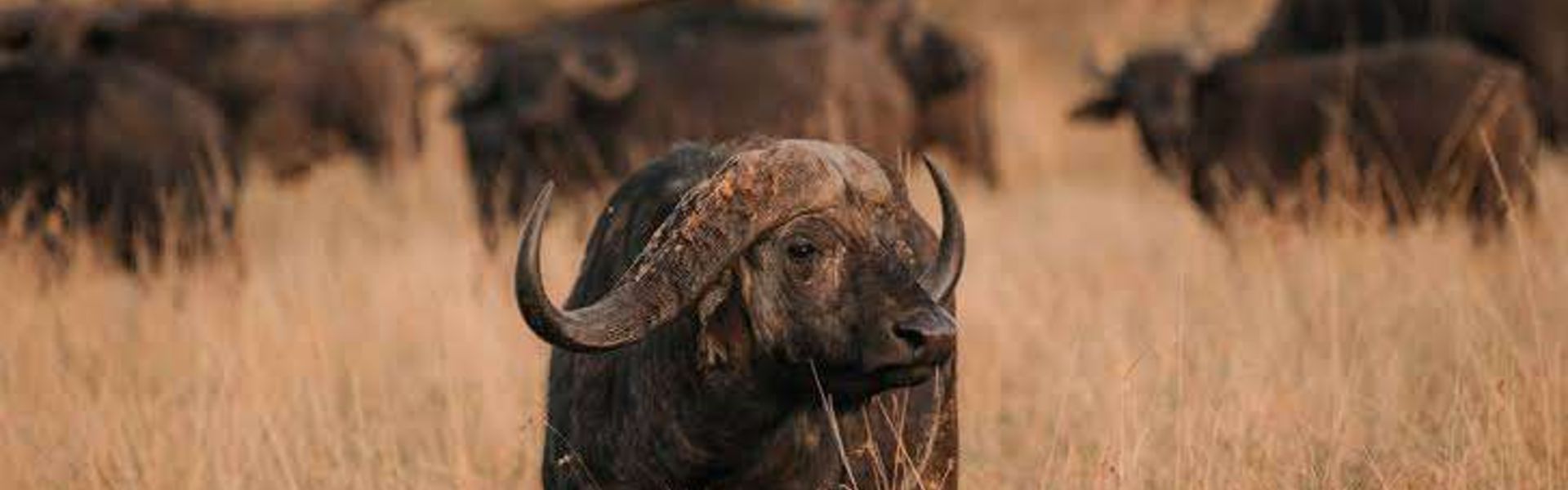
The Ultimate Guide to Lunda Mkwambi Safaris

The Lunda Mkwambi Game Controlled Area (GCA) in Tanzania is a significant conservation zone with a rich history tied to wildlife management and community involvement.
Historical Background and Establishment.
Established under the Wildlife Conservation Act: The Lunda Mkwambi GCA was officially designated in 1974 through the Wildlife Conservation (Game Controlled Areas).
Purpose of GCAs: Game Controlled Areas were originally created during colonial times to regulate hunting outside of fully protected areas like national parks and game reserves. Unlike those stricter zones, GCAs allowed local communities to continue their traditional land use and livelihood activities.
Geographic and Ecological Profile.
Location: Situated adjacent to Ruaha National Park, the Lunda Mkwambi GCA spans approximately 1,065.86 km² of terrestrial landscape.
Management: It is overseen by the Tanzania Wildlife Authority (TAWA) and classified under the system as a protected area, which allows for sustainable use of natural resources.
Community Involvement and Conservation Initiatives.
Lunda-Mkwambi Wildlife Committee: Formed in 1996, this local committee was a key part of community-based conservation efforts. Initially slow to gain traction, it eventually fostered a shared vision among members for managing wildlife sustainably.
MBOMIPA Project: The area was part of the MBOMIPA (Matumizi Bora ya Malihai Idodi na Pawaga) initiative, which aimed to promote sustainable use of wild resources and empower local communities in conservation decision-making.
Wildlife Monitoring and Surveys.
Aerial Surveys: Regular game surveys have been conducted to monitor wildlife populations and habitat conditions. These surveys have provided valuable data on species like elephants, buffalo, and zebra, and helped guide management strategies.
WHY IT’S CALLED THAT LUNDA MKWAMBI GAME CONTROLLED AREA
The name Lunda Mkwambi Game Controlled Area is derived from the two principal local communities Lunda and Mkwambi that inhabit the region. These names reflect the cultural and geographic identity of the area, which lies in the southern part of the Iringa Region, near Ruaha National Park.
Why It's Called "Lunda Mkwambi".
Community-Based Naming: The area was named to honor the Lunda and Mkwambi communities, who have traditionally lived in and around the region. These groups are part of the Maasai ethnic lineage, and their names were used to emphasize local ownership and involvement in conservation.
Symbol of Collaboration: The name also represents the joint efforts of these communities in wildlife management, especially through initiatives like the Lunda-Mkwambi Wildlife Committee, which was established in 1996 to promote sustainable use of natural resources.
Cultural Identity: By incorporating local names, the designation reinforces the idea that conservation is not just about protecting wildlife, but also about preserving the cultural heritage and livelihoods of the people who coexist with nature.
LOCATION AND ACCESSIBILITY.
The Lunda Mkwambi Game Controlled Area (GCA) is strategically located in south-central Tanzania, within the Iringa Region, and adjacent to the Ruaha National Park one of the largest and most biodiverse parks in East Africa.
Location Details.
· Region: Iringa, Tanzania
· Coordinates: While exact coordinates vary across the area, it lies roughly between Idodi and Pawaga divisions, south of Ruaha National Park.
· Size: Covers approximately 1,065.86 km² of terrestrial landscape.
· Ecological Zone: The area is part of the semi-arid savanna ecosystem, supporting species like elephants, buffalo, zebra, and various antelope.
Accessibility.
Nearest Major Town: Dodoma, the capital city of Tanzania, serves as a key access point.
Travel Route.
From Dodoma, travelers typically take a road transfer of around 3.5 hours to reach the Lunda Mkwambi GCA.
The route passes through rural landscapes and may require a 4x4 vehicle, especially during the rainy season.
Entry Points: Access is often coordinated through community wildlife offices or safari operators, especially for hunting or ecotourism activities.
Infrastructure and Visitor Access.
- Limited Infrastructure: As a Game Controlled Area, Lunda Mkwambi is less developed than national parks, with minimal tourist facilities.
- Community-Based Access: Visitors often engage with local village committees for guided tours, wildlife viewing, or hunting safaris.
- Seasonal Considerations: Dry season (June–October) offers better road conditions and wildlife visibility.
UNIQUE FEATURES.
The Lunda Mkwambi Game Controlled Area (GCA) stands out among Tanzania’s conservation zones due to its unique blend of ecological richness, cultural heritage, and hunting opportunities. Here’s an in-depth look at its most distinctive features:
Unique Features of Lunda Mkwambi GCA.
Diverse Wildlife and Hunting Opportunities.
i. The area is renowned for offering both African plains game and dangerous game species, including elephants, buffalo, and lions.
ii. It provides a true African hunting experience, with free-range hunts that reflect traditional safari styles rather than fenced or commercialized setups.
Community-Based Conservation.
- Named after the Lunda and Mkwambi communities, the GCA emphasizes local involvement in wildlife management.
- The Lunda-Mkwambi Wildlife Committee, established in 1996, plays a key role in managing resources and ensuring sustainable use.
Ecological Significance.
- Located adjacent to Ruaha National Park, the GCA acts as a buffer zone, helping to reduce human-wildlife conflict and maintain ecological connectivity.
- It supports a semi-arid savanna ecosystem, which is home to a wide range of species and seasonal migrations.
Authentic Safari Experience.
- Unlike more commercialized parks, Lunda Mkwambi offers a raw and immersive safari—ideal for enthusiasts seeking a deeper connection with nature.
- The terrain and wildlife behavior present challenging yet rewarding conditions for hunters and researchers alike.
Scientific Monitoring and Surveys.
- Regular aerial game surveys have been conducted to monitor wildlife populations, habitat conditions, and seasonal movements.
- These surveys contribute to adaptive management strategies and help track trends in species like zebra, warthog, and buffalo.
ACCOMMODATION.
Accommodation within the Lunda Mkwambi Game Controlled Area (GCA) is tailored primarily for hunting safaris and wilderness expeditions, offering a rugged and immersive experience in the Tanzanian bush.
Types of Accommodation.
Mobile Hunting Camps.
- Primary lodging option in the GCA.
- These camps are seasonally set up by safari outfitters and hunting companies.
- Offer basic but comfortable amenities, including canvas tents, bush showers, and dining areas.
- Designed to be close to wildlife hotspots, allowing hunters and nature enthusiasts to stay within the action zone.
Private Safari Lodges (Nearby).
- While the GCA itself is largely undeveloped, private lodges may be found in adjacent areas like Ruaha National Park or Idodi and Pawaga divisions.
- These lodges offer more luxurious amenities, such as en-suite bathrooms, gourmet meals, and guided game drives.
Amenities and Experience.
- Rustic and Authentic: Accommodation in the GCA emphasizes a raw, off-grid experience, ideal for those seeking a traditional African safari.
- Catering and Staff: Most hunting camps include on-site chefs, trackers, and guides, ensuring a full-service experience.
- Eco-Friendly Setup: Camps are designed to be low-impact, preserving the natural environment and minimizing disturbance to wildlife.
Booking and Access.
- Accommodation is typically arranged through licensed hunting safari operators, who handle logistics, permits, and camp setup.
- Visitors usually travel from Dodoma via road (approx. 3.5 hours) to reach the hunting grounds.
TRANSPORTATION.
Transportation to and within the Lunda Mkwambi Game Controlled Area (GCA) is shaped by its remote location, rugged terrain, and conservation-focused infrastructure.
Access Routes to Lunda Mkwambi GCA.
- Primary Access Point: The nearest major urban center is Dodoma, Tanzania’s capital, located approximately 3.5 hours by road from the GCA.
Road Travel.
- Visitors typically travel via Iringa Region, passing through Idodi and Pawaga divisions.
- Roads are mostly unpaved and seasonal, requiring 4x4 vehicles, especially during the rainy season.
- The route offers scenic views of the Great Ruaha River basin and surrounding savanna.
Internal Transportation.
- No Formal Road Network: Within the GCA, there is limited infrastructure, with most movement relying on dirt tracks and bush paths.
- Safari Vehicles: Transportation is usually provided by licensed hunting or safari operators, who use customized off-road vehicles for navigating wildlife zones.
- Mobile Camps: Since accommodation is often in mobile hunting camps, vehicles are essential for daily game drives, tracking, and logistics.
Aerial Access (Optional)
- While not common, chartered flights may land at nearby airstrips in Ruaha National Park or Iringa, followed by road transfer to the GCA.
- Aerial surveys have also been conducted for wildlife monitoring, highlighting the area's ecological importance.
Seasonal Considerations.
- Dry Season (June–October): Best time for travel, with passable roads and clearer wildlife visibility.
- Wet Season (November–May): Roads may become muddy and impassable, requiring careful planning and local guidance.
BENEFITS OF LOCAL COMMUNITY.
The Lunda Mkwambi Game Controlled Area (GCA) offers a range of benefits to the local communities, particularly the Lunda and Mkwambi peoples, through community-based conservation and sustainable wildlife management. These benefits span economic, ecological, and social dimensions.
Key Benefits to Local Communities.
Economic Opportunities.
· Revenue from Hunting Safaris: Licensed hunting operators pay fees and share profits with local communities, providing a source of income.
· Employment: Locals are hired as trackers, guides, cooks, and camp staff, creating jobs in an otherwise rural economy.
· Tourism-Linked Enterprises: Some communities engage in craft production, cultural performances, and supply of local goods to safari camps.
Community Ownership and Empowerment.
- Through the Lunda-Mkwambi Wildlife Committee, locals participate in decision-making about wildlife use and conservation.
- The MBOMIPA project (Matumizi Bora ya Malihai Idodi na Pawaga) helped establish community rights over wildlife resources, fostering a sense of stewardship.
Conservation Incentives.
- Wildlife is now seen as a valuable asset, encouraging communities to protect habitats and reduce poaching.
- The area acts as a buffer zone to Ruaha National Park, helping mitigate human-wildlife conflict and preserve migration corridors.
Land Use Flexibility.
- Under Tanzania’s Wildlife Policy, communities can practice wildlife conservation as a form of land use, integrating it with pastoralism and agriculture.
- This approach allows for sustainable coexistence between people and wildlife, especially in semi-arid ecosystems.
Capacity Building and Education.
- Conservation projects often include training in wildlife monitoring, governance, and financial management, strengthening local institutions.
- Youth and women are increasingly involved in conservation activities, promoting inclusive development like to explore how these benefits compare to other Wildlife Management Areas (WMAs) in Tanzania or how challenges like land rights and resource access are being addressed?.
CHALLENGES,SOLUTIONS AND OPPORTUNITIES.
The Lunda Mkwambi Game Controlled Area (GCA) presents a complex landscape of challenges, solutions, and opportunities—especially in the context of community-based conservation and sustainable wildlife management.
CHALLENGES.
Limited Wildlife Utilization Rights.
Despite years of development, communities have not yet secured formal Wildlife Management Area (WMA) status, which restricts their ability to fully benefit from wildlife resources.
Land and Resource Loss.
- Community wildlife management initiatives, while well-intentioned, can mirror older conservation models that displace local people or limit access to traditional lands.
Economic Inequity.
- Although hunting safaris generate revenue, the scale of benefits to communities remains small, and distribution can be uneven.
Pastoralist Conflicts.
- The MBOMIPA project did not fully resolve tensions between wildlife conservation and pastoralist land use, especially for resident herders who face grazing restrictions.
Solutions.
Strengthening Community Governance.
- The Lunda-Mkwambi Wildlife Committee, established in 1996, has helped foster a shared vision for wildlife management and empowered local decision-making.
Policy Reform and WMA Recognition.
- Advocating for formal recognition of the area as a Wildlife Management Area (WMA) would grant communities greater control and access to wildlife-related revenues.
Equitable Revenue Sharing.
- Improving transparency and accountability in safari operator agreements can ensure fair distribution of income from hunting and tourism.
Integrated Land Use Planning.
- Developing land use plans that balance conservation with pastoralism and agriculture can reduce conflict and enhance sustainability.
Opportunities.
l Ecotourism Expansion.
- Beyond hunting, the area has potential for photographic safaris, birdwatching, and cultural tourism, which could diversify income sources.
Youth and Women Engagement.
- Conservation projects can create new roles for youth and women, especially in guiding, hospitality, and environmental education.
Scientific Research and Monitoring.
- The GCA offers a rich setting for wildlife studies, ecological surveys, and community-based data collection, which can inform policy and attract academic partnerships.
Climate Resilience.
- Sustainable wildlife management can contribute to ecosystem health, helping communities adapt to climate variability and protect water sources.
CONCLUSION
The Lunda Mkwambi Game Controlled Area (GCA) stands as a compelling example of Tanzania’s efforts to balance wildlife conservation with community empowerment. Established in 1974 and named after the Lunda and Mkwambi communities, the area reflects a deep-rooted connection between people and nature.
Despite challenges such as limited wildlife utilization rights and unresolved land-use conflicts, the GCA has made strides through initiatives like the Lunda-Mkwambi Wildlife Committee and the MBOMIPA project, which have fostered a shared vision for sustainable resource management.
The area’s rich biodiversity, authentic hunting experiences, and potential for ecotourism offer promising opportunities for both conservation and economic development. However, realizing these benefits fully will require continued policy reform, equitable revenue sharing, and inclusive land-use planning.
In essence, Lunda Mkwambi GCA is not just a wildlife zone it’s a living landscape where conservation, culture, and community intersect. Its future depends on strengthening local governance, securing formal recognition, and embracing innovative, community-led solutions.