
The Ultimate Guide to Hanang Safaris

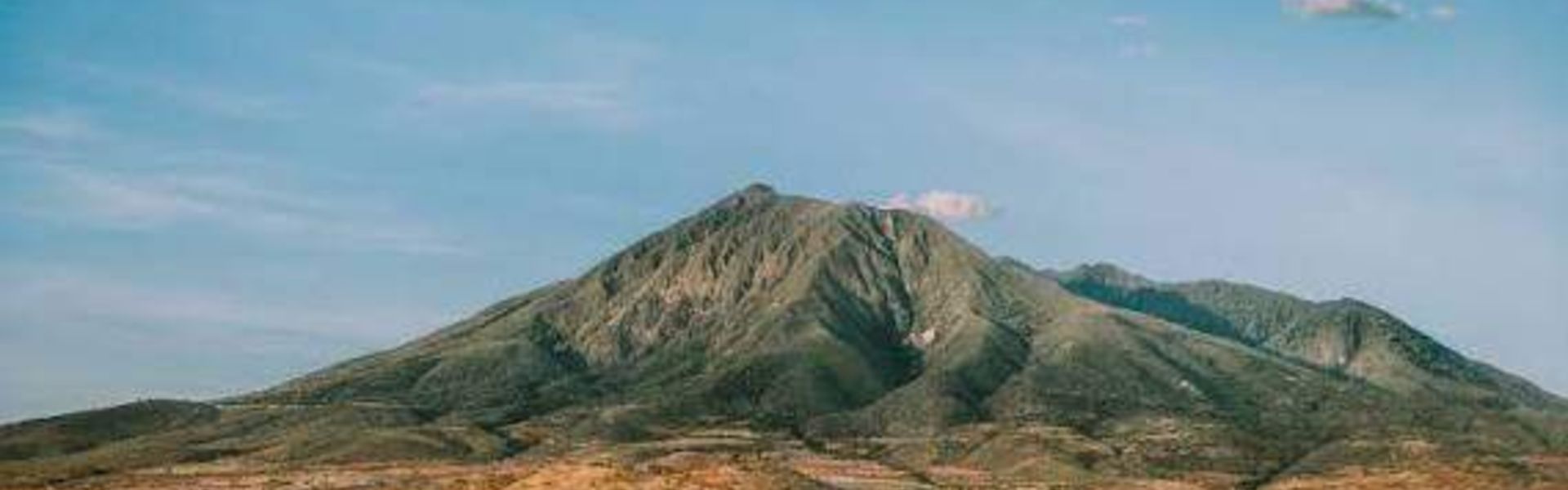
Mount Hanang, a striking extinct volcanic peak rising to 3,676 meters, is the fourth-highest mountain in Tanzania. Located in Hanang District, Manyara Region, the mountain has long held ecological and cultural significance. For generations, it was informally protected by local communities—especially the Barbaig and Iraqw peoples, who consider it sacred and use its forests for traditional rituals and ceremonies.
Recognizing its rich biodiversity and cultural heritage, the Tanzanian government formally designated the area as the Mount Hanang Nature Forest Reserve (MHNFR) in recent years. This move elevated its status from a general forest reserve to a central government nature reserve, covering 5,871 hectares with a border length of 35.676 km.
Purpose and Conservation Goals.
The reserve was established to:
- Protect montane ecosystems and rare species, including the endemic Hanang mole-rat (Fukomys hanangensis).
- Preserve water catchment functions, as the mountain feeds vital rivers and streams for Hanang District.
- Safeguard cultural heritage, including sacred sites and traditional practices of local tribes.
- Promote ecotourism, offering hiking, birdwatching, and cultural experiences that benefit local communities.
Accessibility and Development.
· The reserve is accessible via road from Arusha (about 240 km) or Babati (about 73 km), with the town of Katesh serving as the main gateway. Infrastructure has gradually improved, with camping facilities inside the reserve and modest accommodations in nearby towns.
A Model for Community-Inclusive Conservation.
· Hanang’s transformation into a nature reserve reflects Tanzania’s broader commitment to community-inclusive conservation. The Barbaig and Iraqw peoples continue to be involved in cultural tourism, guiding visitors through sacred sites, dances, and local brews like Gisuda. Their presence ensures that conservation efforts remain rooted in local identity and benefit-sharing.
Why Is It Called “Hanang"?
The name Hanang is deeply rooted in local geography and identity. The mountain gave its name to the Hanang District, and in turn, the nature reserve inherited the name from the mountain itself. While the exact linguistic origin isn’t widely documented, it’s believed to stem from indigenous naming traditions — possibly from the Barbaig language, where names often reflect physical features, ancestral connections, or spiritual significance.
· Mount Hanang’s towering presence and life-giving streams made it a natural focal point for naming the surrounding district. Over time, “Hanang” became synonymous with the mountain, the district, and now the reserve — a layered identity that reflects both natural grandeur and cultural reverence.
LOCATION AND ACCESSIBILITY.
· Hanang Nature Forest Reserve in a way that’s practical, story-rich, and tailored to your tourism and conservation lens.
Where Is Hanang Nature Forest Reserve Located?
· Hanang Nature Forest Reserve is nestled in Hanang District, within the Manyara Region of northern Tanzania. It surrounds Mount Hanang, an extinct volcanic peak that rises to 3,676 meters, making it the fourth-highest mountain in Tanzania.
· The reserve spans approximately 5,871 hectares, with altitudes ranging from 1,860 to 3,418 meters above sea level. It lies just 4 kilometers north of Katesh Township, the administrative center of Hanang District. This proximity makes Katesh the main gateway for visitors and logistics.
Geographically, the reserve sits between:
- Latitude 04°25′ to 04°29′ South
- Longitude 35°21′ to 35°27′ East
Its location places it within the Eastern Rift Valley, offering dramatic views of surrounding soda lakes (like Lake Balang’dalalu and Lake Gendabi), wheat farms, and distant trade centers such as Makuyuni.
How Do You Get There?
· Hanang Nature Forest Reserve is accessible by road from multiple directions:
- From Arusha: About 240 km via Babati and Katesh — roughly a 4-hour drive by private car or half a day by public bus.
- From Babati (Manyara’s regional capital): Just 73 km south to Katesh.
- From Dodoma or Singida: Around 159 km from Singida town, passing through rural landscapes.
- From Dar es Salaam: A longer journey of about 800 km, typically via Dodoma and Manyara.
- From Kilimanjaro International Airport: Approximately 270 km, making it feasible for international visitors arriving by air.
Once in Katesh, visitors can access the reserve via:
- The southern entrance near Katesh town
- The eastern route through Gitting village, which offers scenic approaches and cultural encounters
On-the-Ground Logistics
- Accommodation: Basic but clean hotels are available in Katesh, such as Summit Hotel, offering rooms from around $10 USD per night. For more comfort, travelers can stay in Babati, which has better-equipped lodges.
- Camping: The reserve itself offers public campsites, ideal for trekkers and nature lovers.
- Guides and Tours: Local tour operators in Arusha and Babati organize transport and guided treks. The Summit Hotel in Katesh often serves as a meeting point for hikers.
- Best Routes: The Katesh Route is the most popular for climbing Mount Hanang, while the Gendabi and Giting Routes offer more remote and scenic alternatives.
TRANSPORTATION.
Hanang Nature Forest Reserve, with a focus on practical access and community-based tourism.
Road Access: The Main Gateway
· Hanang Nature Forest Reserve is located just 4 km north of Katesh Township in Hanang District, Manyara Region. Katesh serves as the primary access point, and most visitors begin their journey here.
You can reach Katesh via:
- From Arusha: About 240 km (roughly 4–5 hours by private car or half a day by public bus). This is the most common route for tourists.
- From Babati: Only 73 km south of Katesh — ideal for regional travelers.
- From Singida: Approximately 159 km, offering access from central Tanzania.
- From Dar es Salaam: A longer journey of around 800 km, typically via Dodoma and Manyara.
- From Kilimanjaro International Airport: About 270 km, making it feasible for international arrivals.
Roads are generally passable year-round, though the final stretch from Katesh to the reserve may require 4WD during rainy seasons due to steep terrain and unpaved paths.
Local Transport and Tour Operators.
· Once in Katesh, visitors can:
- Hire local guides and vehicles for transport into the reserve.
- Use motorbikes or hired 4WDs for rugged routes like the Giting or Gendabi trails, which offer scenic and cultural experiences.
- Book through tour operators in Arusha or Babati, who often arrange full packages including transport, guides, and camping gear.
The Summit Hotel in Katesh is a common meeting point for hikers and guides, and it also helps coordinate local transport.
Trail Access Within the Reserve.
There are three main hiking routes into Mount Hanang:
- Katesh Route: The shortest and most popular, starting directly from Katesh town.
- Giting Route: Begins in Giting village, offering remote access and excellent birdwatching.
- Gendabi Route: A scenic approach from the northwest, ideal for cultural and landscape photography.
These trails are walkable but steep, with elevation gains of up to 1,600 meters over 8.5 km. Porters and guides are available locally to assist with gear and navigation.
ACCOMMODATION
accommodation options around Hanang Nature Forest Reserve, with a focus on practicality, comfort, and how they support ethical, community-based tourism.
Where to Stay: Local Lodging in Katesh.
The town of Katesh, just 4 km south of the reserve, is the main hub for visitors. It offers modest but welcoming accommodations that reflect the local character and provide easy access to Mount Hanang.
- Summit Hotel: The most popular choice among hikers and nature lovers. It’s known for:
- Clean rooms with basic amenities
- Affordable rates (around $10 USD per night)
- Friendly staff and local guides
- Serving as a meeting point for treks and cultural tours
- Asmorein Hotel: Slightly more upscale than Summit, offering:
- Private rooms with en-suite bathrooms
- On-site dining and Wi-Fi
- A quieter atmosphere for travelers seeking comfort
- Other Guesthouses: Katesh has several small lodges and guesthouses run by local families. These offer:
- Authentic cultural hospitality
- Opportunities to engage with Barbaig and Iraqw traditions
- Home-cooked meals and storytelling around the fire
Camping Inside the Reserve.
For adventurous travelers and nature enthusiasts, camping within Hanang Nature Forest Reserve is a rewarding experience:
- Public Campsites: Managed by the Tanzania Forest Services Agency, these sites are:
- Located along hiking trails, especially near the summit
- Equipped for overnight stays with tents and basic facilities
- Ideal for sunrise/sunset views and immersive nature experiences
- Overnight Trekking: Visitors can arrange guided hikes with camping at high-altitude sites (around 3,100 meters). This allows:
- Stargazing above the clouds
- Early morning summit climbs
- A deeper connection to the mountain’s ecology and silence
Booking and Logistics.
Tour Operators in Arusha and Babati often arrange full packages including transport, guides, and accommodation.
- Local Guides in Katesh can help with campsite permits, gear rental, and cultural experiences.
- Advance Booking is recommended during peak hiking seasons (June–October and December–February).
UNIQUE FEATURES.
Hanang Nature Forest Reserve truly unique compared to other nature reserves in Tanzania, especially through your lens of ethical tourism, biodiversity, and community impact.
1. A Volcanic Giant with Sacred Roots.
Unlike most reserves, Hanang is centered around Mount Hanang, an extinct stratovolcano rising to 3,676 meters, making it Tanzania’s fourth-highest peak. Its dramatic elevation gain — over 1,600 meters in just 8.5 km — makes it one of the steepest single-day climbs in the country.
But Hanang isn’t just geological grandeur — it’s also a spiritual landscape. The Barbaig and Iraqw peoples consider the mountain sacred, using its forests and summits for rituals, worship, and ancestral connection. This blend of natural and cultural reverence is rare among Tanzanian reserves.
2. Home to Endemic and Rare Species.
Hanang hosts species found nowhere else on Earth, including:
- The Hanang mole-rat (Fukomys hanangensis)
- Rare plants like Cyanoglossum hanangensis and Teclea hanangensis
- Threatened trees such as Juniperus excelsa and Podocarpus angolensis
Its montane forests, heathlands, and bushlands support wildlife like:
- Klipspringers, leopards, hyenas, bush pigs
- Over 400 bird species, including Hartlaub’s turaco and cinnamon bracken warblers
This biodiversity is especially impressive given Hanang’s semi-arid surroundings, making it a green island of life in a dry landscape.
3. Cultural Tourism That’s Deeply Rooted.
Hanang offers multi-eco and cultural tourism experiences that go beyond sightseeing:
- Traditional dances and accessorizing
- Local brew tasting (like the Barbaig’s Gisuda)
- Visits to sacred sites and storytelling caves
- Guided hikes led by local tribespeople
This level of community-led tourism is more immersive than in many other reserves, where cultural elements are often peripheral or commercialized.
4. Panoramic Views and Hidden Landscapes.
From Hanang’s summit, visitors can see:
- The Great Rift Valley
- Soda lakes like Balang’dalalu and Gendabi
- The Minjingu phosphate industry and 28,000 ha wheat complex
- Distant trade centers like Makuyuni
· This 360° landscape narrative — blending geology, agriculture, industry, and ecology — is unmatched in most reserves, which tend to focus on either wildlife or forest alone.
5. Challenging Yet Accessible Adventure.
Hanang’s hiking routes (Katesh, Giting, Gendabi) offer:
- Short but steep climbs for acclimatization
- Remote birdwatching trails
- Camping above the clouds, with sunrise and sunset views
· Compared to reserves like Rungwe or Mpanga Kipengere, Hanang is more physically demanding, yet logistically accessible via Katesh town and nearby roads.
TOURISM ACTIVITIES AND EXPERIENCE.
That make Hanang Nature Forest Reserve such a compelling destination for ethical, immersive travel.
1. Hiking and Mountain Climbing.
· Mount Hanang offers one of Tanzania’s most challenging single-day climbs, rising over 1,600 meters in just 8.5 km. Visitors can choose from three main hiking routes:
- Katesh Route: The shortest and most popular, starting from Katesh town.
- Giting Route: A remote eastern trail ideal for birdwatching and solitude.
- Gendabi Route: A scenic northwestern approach with panoramic views.
Climbers often camp overnight near the summit to enjoy sunrise above the clouds, making it a deeply spiritual and visual experience.
2. Birdwatching and Nature Walks.
Hanang is a birdwatcher’s paradise, with over 400 species including:
- Hartlaub’s turaco
- Cinnamon bracken warbler
- Spackled mousebird
- Little swift
· Guided forest walks reveal diverse habitats — from montane forest to heathland — and offer sightings of chameleons, butterflies, and rare plants like Teclea hanangensis.
3. Wildlife Viewing.
Though not a traditional safari park, Hanang hosts:
- Klipspringers, bushbucks, duikers
- Leopards, hyenas, bush pigs
- Vervet monkeys and olive baboons
· Wildlife viewing is best done along quieter trails like Giting or Gendabi, where animals are more active and less disturbed.
4. Cultural Tourism with Barbaig and Iraqw Communities.
Hanang excels in community-led cultural experiences, including:
- Traditional dances and accessorizing
- Local brew tasting (like the Barbaig’s Gisuda)
- Visits to sacred sites and storytelling caves
- Homestead tours with insights into pastoralism and farming
· These interactions are authentic and respectful, offering visitors a chance to learn directly from elders and artisans.
5. Scenic Viewing and Photography.
From the summit and ridgelines, visitors can see:
- The Great Rift Valley
- Soda lakes like Balang’dalalu and Gendabi
- The Minjingu phosphate industry and 28,000 ha wheat complex
- Distant trade centers like Makuyuni
Photographers and landscape lovers will find sunrise and sunset moments especially breathtaking.
6. Waterfall and Stream Exploration.
Hanang’s catchment forests feed five rivers and seasonal streams, including:
- Himiti Waterfalls
- Lake Basotugang (underground freshwater)
- Lake Gendabi (soda lake)
· These sites offer peaceful picnic spots, cool dips, and a chance to reflect on the reserve’s ecological importance.
7. Nearby Attractions for Extended Itineraries.
Visitors can combine Hanang with:
- Kondoa Rock Art Paintings (UNESCO site)
- Essimingor Nature Forest Reserve
- Tarangire and Lake Manyara National Parks
· This makes Hanang a gateway to northern Tanzania’s cultural and ecological treasures.
BENEFITS OF LOCAL COMMUNITIES.
The benefits that local communities derive from Hanang Nature Forest Reserve, especially through your lens of ethical tourism, conservation, and community empowerment.
1. Water Security and Livelihood Support.
Mount Hanang is a critical water catchment in a semi-arid region. Its evergreen montane forests feed multiple rivers and streams — including Himiti and Gendabi — which supply fresh water for:
- Domestic use in villages like Katesh, Gendabi, and Dirma
- Livestock and small-scale irrigation, vital for both Barbaig pastoralists and Iraqw farmers
- Local industries, such as brick-making and pottery, which rely on consistent water flow
· This natural water provision reduces vulnerability to drought and supports subsistence and commercial agriculture, the backbone of Hanang District’s economy.
2. Community-Led Tourism and Cultural Exchange.
Hanang is a model for multi-eco and cultural tourism, where local communities actively participate in:
- Guided hikes and storytelling led by Barbaig and Iraqw elders
- Traditional dances, brew tasting (Gisuda), and sacred site visits
- Craft demonstrations, including pottery and brick-making
· These activities generate direct income for local guides, artisans, and homestay hosts, while preserving cultural heritage and fostering pride.
3. Employment and Infrastructure Development.
The reserve’s formal upgrade in 2016 triggered investment in:
- Ranger posts and headquarters, creating jobs in conservation and security
- Road improvements, enhancing access for trade and tourism
- Camping facilities and visitor centers, which employ cooks, cleaners, and maintenance staff
· These developments not only support tourism but also improve mobility and services for surrounding villages.
4. Conservation Partnerships and Capacity Building.
Local communities are involved in:
- Tree-planting initiatives around Lake Basutu and villages like Mereru
- Forest monitoring and reforestation, supported by the Tanzania Forest Services Agency (TFS)
- Environmental education, especially for youth and school groups
These efforts build local stewardship, reduce illegal logging, and strengthen long-term sustainability.
5. Cultural Preservation and Identity.
Hanang’s sacred landscapes — including ritual caves, ficus trees, and summit shrines — are protected through the reserve’s management plan. This ensures:
- Respect for ancestral traditions
- Opportunities for intergenerational learning
- Recognition of indigenous knowledge in forest management decisions
Such inclusion fosters cultural resilience and reinforces the value of community voices in conservation.
CHALLENGES, SOLUTIONS AND OPPORTUNITIES.
Hanang Nature Forest Reserve’s challenges, the solutions being pursued, and the opportunities that lie ahead, especially in light of your focus on community-driven conservation and sustainable tourism.
Challenges Facing Hanang Nature Reserve.
1. Encroachment and Land Use Pressure
- Expansion of farms and grazing areas into forest boundaries, especially on the eastern slopes
- Cutting of poles and timber for construction and fuelwood, driven by population growth and poverty
2. Limited Management Capacity.
- Shortage of trained staff, equipment, and budget security for effective patrolling and ecological monitoring
- Gaps in resource inventory and planning for land and water use
3. Climate Vulnerability.
- Increasing frequency of floods and droughts affecting water catchment functions and local livelihoods
- Risk of biodiversity loss due to shifting rainfall patterns and temperature extremes
4. Low Community Involvement in Decision-Making.
- Indigenous knowledge and local voices are not consistently integrated into forest management plans
5. Tourism Underdevelopment.
- Despite rich cultural and ecological assets, Hanang remains under-promoted compared to nearby destinations like Tarangire or Lake Manyara
Solutions Being Implemented.
1. Upgrading to Nature Reserve Status.
- In 2016, Hanang was formally declared a Nature Forest Reserve, enhancing legal protection and attracting conservation funding
2. Biodiversity Surveys and Management Planning.
- Collaborative research with institutions like Missouri Botanical Garden and UNEP-WCMC has mapped forest loss, identified priority species, and informed a revised management plan.
3. Infrastructure Investment.
- UNDP-GEF support led to new ranger posts, headquarters, and entrance facilities to improve oversight and tourism readiness
4. Environmental Education and Youth Engagement.
- School programs and local outreach are helping build awareness and stewardship among younger generations
5. Climate Resilience Initiatives.
- Hanang is part of broader efforts to build forest resilience against climate change through REDD+ and sustainable land-use strategies
Opportunities for Hanang and Its Communities.
1. Eco-Cultural Tourism Expansion.
- With its sacred sites, endemic species (like the Hanang mole-rat), and panoramic views of the Rift Valley, Hanang can become a flagship for community-led tourism.
2. Carbon Financing.
- Hanang’s high soil organic carbon levels make it a strong candidate for carbon offset projects, potentially generating revenue for conservation and community development.
3. Local Employment and Enterprise Growth
- Tourism and conservation activities can support guiding, homestays, craft production, and sustainable agriculture
4. Cultural Preservation and Intergenerational Learning.
- Protecting sacred landscapes and involving elders in tourism and education fosters cultural pride and continuity
5. Replication of Success.
- Hanang’s evolving model can inspire similar reserves across Tanzania, especially in underrepresented regions like Rukwa, Lindi, or Singida.
CONCLUSION.
A Living Landscape of Resilience and Heritage
· Hanang Nature Forest Reserve, nestled in the Manyara Region, is more than a mountain ecosystem — it’s a lifeline for communities, a sanctuary for biodiversity, and a repository of cultural memory. Rising to 3,420 meters, Mount Hanang stands as Tanzania’s fourth-highest peak, offering panoramic views of the Rift Valley and surrounding soda lakes like Gendabi and Balangida.
· Its evergreen montane forests are a vital water source for villages such as Katesh and Gendabi, feeding rivers like Himiti and supporting agriculture, livestock, and daily life. The reserve’s rich soils and varied vegetation zones — from montane forest to moorland — host endemic species like the Hanang mole-rat and a wide array of birds, primates, and reptiles.
Conservation Gains and Community Empowerment.
· Since its formal upgrade to Nature Reserve status in 2016, Hanang has seen:
- Improved legal protection and management planning
- Biodiversity surveys identifying priority species and threats
- Infrastructure development, including ranger posts and visitor facilities
Local communities, especially the Barbaig and Iraqw, are increasingly involved in eco-cultural tourism — guiding hikes, sharing traditions, and protecting sacred sites like summit shrines and ritual caves. These efforts foster economic benefits, cultural pride, and environmental stewardship.
Challenges and the Road Ahead.
Hanang faces ongoing pressures.
-Deforestation, particularly on its eastern slopes
- Climate-related risks, including floods and droughts
- Limited staffing and budget constraints for effective management
Yet, these challenges are met with growing opportunities;
- Carbon financing through REDD+
- Youth engagement and environmental education
- Replication of Hanang’s model in other underrepresented reserves
NB:
Final Reflections.
Hanang Nature Forest Reserve is a microcosm of Tanzania’s conservation journey — balancing ecological integrity, cultural continuity, and community well-being. It offers a compelling case for inclusive, climate-resilient, and locally grounded conservation, where nature and people thrive together.