
The Ultimate Guide to Laetoli Footprints Safaris

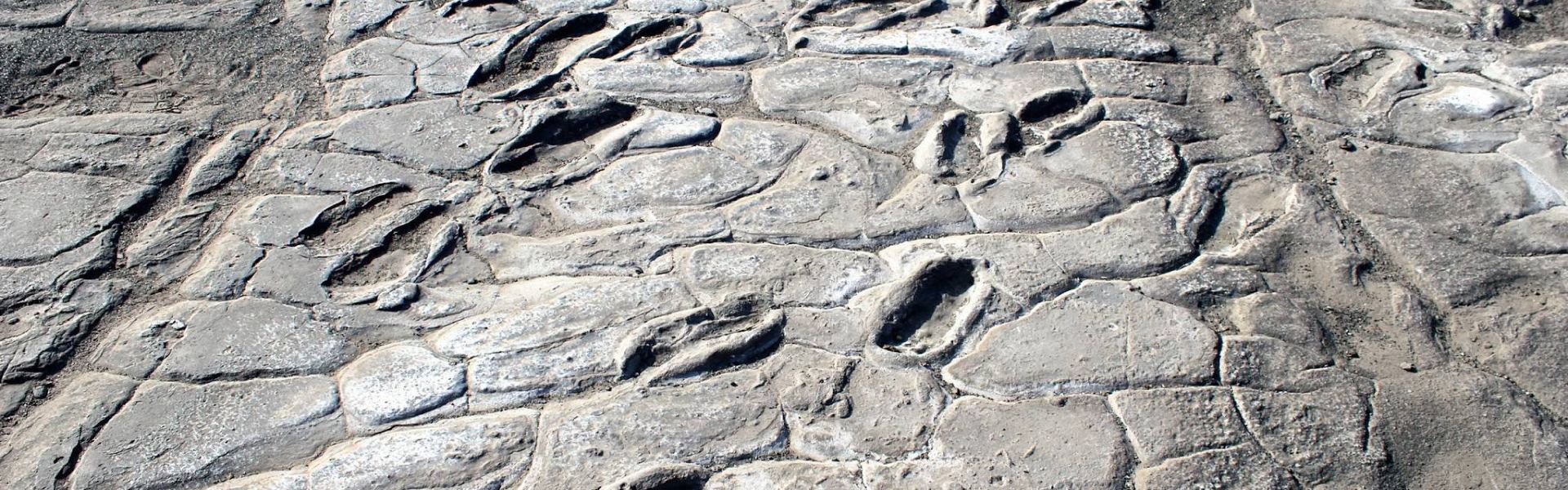
The Laetoli footprints are one of the most amazing discoveries in the history of humans. They are very old footprints made by early human ancestors. These footprints are found in a place called Laetoli, in Tanzania, East Africa.
Imagine walking on soft, wet ground. When you lift your foot, your footprint stays there. This is what happened at Laetoli, but it happened a very, very long time ago.
These footprints are about 3.6 million years old. This makes them incredibly old! They are like a frozen moment in time from millions of years ago.
The footprints show us that our early ancestors walked on two legs, just like we do today. This is called "bipedalism." Before these footprints were found, scientists were not sure when our ancestors started walking like this. The Laetoli footprints gave us a clear answer.
They were made by a type of early human ancestor called Australopithecus afarensis. This is the same type of human ancestor as "Lucy," a famous fossil found in Ethiopia.
So, the Laetoli footprints are not just old marks in the ground. They are a very important part of the story of how humans began to walk and how we became who we are today. They help us understand our deep past.
UNIQUE FEATURES.
The Laetoli footprints are very special for many reasons. They are unique in the world.
Oldest Clear Evidence of Walking on Two Legs.
This is the most important thing about them. The footprints are the oldest clear proof that early human ancestors walked upright on two legs. Before Laetoli, scientists had ideas, but no such clear evidence. These footprints show a walking style very similar to modern humans. This means our ancestors learned to walk on two legs much earlier than some thought.
Perfect Preservation.
The footprints are preserved in volcanic ash. Millions of years ago, a volcano erupted and covered the ground with ash. Then, it rained, making the ash wet and soft, like wet cement. The early human ancestors walked on this wet ash. After they walked, the sun dried the ash, making it hard. Then, more ash fell, covering and protecting the footprints for millions of years. This process made them last until today. It is very rare to find such perfect preservation.
A Moment in Time.
The footprints are not just one or two marks. They are a trail of footprints. It looks like three individuals walked together. One larger individual, one smaller individual, and maybe a very small one. They walked side-by-side. This gives us a picture of a family or a small group walking together. It's like a snapshot from 3.6 million years ago. We can almost imagine them walking across the ancient landscape.
Tells Us About Their Bodies.
By looking at the footprints, scientists can learn about the feet of Australopithecus afarensis. They can see the shape of the arch, the way the toes pushed off the ground, and how the weight was carried. This helps us understand the structure of their bones and muscles, even though we don't have their actual feet.
Tells Us About Their Environment.
The ash layer also contains fossilized raindrops and other animal footprints, like those of giraffes, rhinos, and elephants. This tells us about the environment at Laetoli 3.6 million years ago. It was a savanna-like area with grass, trees, and water. This helps us understand where these early human ancestors lived and what their world was like.
ESTABLISHMENT OF LAETOLI FOOTPRINTS.
The discovery of the Laetoli footprints is a famous story in science.
The First Discoveries.
The area of Laetoli was first explored in the 1930s by a scientist named Louis Leakey. He found some old animal fossils there.
Later, in 1974, Mary Leakey, Louis Leakey's wife, started her own research project in Laetoli. She was a very important archaeologist and paleontologist. Her team was looking for early human fossils.
The Big Find.
In 1976, one of Mary Leakey's team members, a scientist named Andrew Hill, found some strange marks in the ground. They looked like animal footprints, but they were very old.
Then, in 1978, another team member, Paul I. Abell, found more marks. These marks looked like human footprints! Mary Leakey and her team carefully uncovered more of the area. They found a long trail of these human-like footprints. It was an amazing moment.
Careful Work.
The team worked very carefully to dig out the footprints. They had to remove the layers of soil and ash that had covered them for millions of years. It was a slow and difficult job. They made drawings and photographs of everything they found.
Proving Their Age and Importance.
After finding the footprints, scientists used special methods to find out how old they were. They studied the volcanic ash layers around the footprints. This showed that the footprints were about 3.6 million years old.
The discovery of the Laetoli footprints changed our understanding of human evolution. It showed that walking on two legs happened much earlier than many scientists thought. Mary Leakey's careful work and the dedication of her team led to this incredible discovery.
LOCATION AND ACCESSIBILITY.
The Laetoli footprints are located in a very special part of Tanzania, East Africa.
Geographical Location.
Laetoli is in northern Tanzania. It is about 45 kilometers (about 28 miles) south of Olduvai Gorge. Olduvai Gorge is another very famous place for finding early human fossils. Both Laetoli and Olduvai Gorge are in the Great Rift Valley, a large geological feature that runs through East Africa.
The closest big city is Arusha, which is a common starting point for safaris in northern Tanzania.
Accessibility.
Getting to Laetoli is not very easy. It is in a remote area, meaning it is far from big towns and main roads.
● Roads: The roads to Laetoli are mostly unpaved dirt roads. They can be rough, especially during the rainy season. A 4x4 vehicle (a vehicle with four-wheel drive) is needed to reach the site.
● Guided Tours: Most visitors go to Laetoli as part of a guided tour. Safari companies in Arusha or other nearby towns can arrange trips. These tours usually include a special vehicle and a driver who knows the way.
● Permits: To visit Laetoli, you need special permits from the Tanzanian government and the local authorities. These permits are usually arranged by the tour company.
NB;
The remoteness helps protect the site. It means fewer people visit, which reduces the risk of damage to the very delicate footprints. However, it also means that visiting is more difficult and expensive.
The Laetoli site itself is not like a museum. The actual footprints are now covered and protected to prevent damage from weather and human activity. Visitors usually see a replica (a copy) of the footprints or learn about them at a nearby visitor center. This is done to preserve the original, priceless footprints for the future.
TRANSPORTATION.
Transportation to and around the Laetoli area requires specific planning because of its remote location.
Traveling to the Region (Arusha).
● By Air: The main international airport for northern Tanzania is Kilimanjaro International Airport (JRO). Many international flights arrive here. From JRO, you can take a taxi or a pre-arranged shuttle to Arusha, which is about an hour's drive away.
● By Road: If you are already in Tanzania, you might travel to Arusha by bus from other cities, but for tourists, flying is usually the preferred option for convenience.
Traveling from Arusha to Laetoli.
● Safari Vehicles (4x4): This is the most common and almost only way to reach Laetoli. You will need a sturdy 4x4 safari vehicle. These vehicles are designed for rough dirt roads and can handle the challenging terrain.
● Tour Operators: Most people hire a tour operator or safari company based in Arusha. These companies provide:
○ The 4x4 vehicle.
○ An experienced driver who knows the roads and the area well.
○ A guide who can explain the history and importance of Laetoli and other nearby sites like Olduvai Gorge.
○ They also handle all the necessary permits for entry to the conservation area and the archaeological sites.
● Time: The drive from Arusha to Laetoli can take several hours, depending on road conditions. It's often combined with a visit to Olduvai Gorge.
u Transportation Within the Laetoli Area.
● Walking: Once you are at the Laetoli site, movement is mostly on foot around the visitor center and designated viewing areas.
● Limited Access to Actual Site: As mentioned, the original footprints are covered for protection. You won't be able to walk directly on them. There are usually marked paths and viewing platforms or replica sites for visitors.
In summary, reliable 4x4 transport arranged through a reputable tour operator is essential for a visit to Laetoli. It ensures safety, comfort, and access to this important historical site.
ACCOMMODATION.
Because Laetoli is in a remote area, there are no hotels or lodges right next to the footprint site. Visitors usually stay in nearby areas that offer accommodation, often as part of a safari itinerary.
Accommodation option Near Laetoli/Olduvai Gorge.
● Lodges and Camps in Ngorongoro Conservation Area: Laetoli is located within the Ngorongoro Conservation Area. There are several lodges and tented camps inside or very close to this area. These range from luxury lodges to more affordable tented camps. Staying here allows for easier access to Laetoli and Olduvai Gorge, as well as the famous Ngorongoro Crater.
○ Examples: Some lodges are located on the rim of the Ngorongoro Crater, offering stunning views. Others are in the surrounding plains.
● Campsites: For those who prefer camping, there are public and special campsites within the Ngorongoro Conservation Area. These require you to bring your own camping gear or have a tour operator arrange it for you.
Options in Karatu Town.
● Karatu: This is a small town located just outside the Ngorongoro Conservation Area, about a 1-2 hour drive from the main entrance. Karatu has many lodges and guesthouses that are more budget-friendly than those inside the conservation area. It's a popular base for visitors exploring Ngorongoro, Lake Manyara, and Tarangire National Parks.
○ Pros: More options, often cheaper.
○ Cons: Longer drive to Laetoli/Olduvai Gorge each day.
Options in Arusha.
● Arusha: As the main starting point for northern Tanzania safaris, Arusha has a wide range of hotels, guesthouses, and lodges.
○ Pros: Many choices, good facilities, easy access to airport.
○ Cons: It's a long drive (several hours) from Arusha to Laetoli, so it's not practical for a day trip just to Laetoli. People usually stay in Arusha on the first and last nights of their safari.
How to Book Accommodation.
● Tour Operators: The easiest way to arrange accommodation for a visit to Laetoli is through a safari tour operator. They will include accommodation in your safari package, making all the bookings and arrangements for you. This is highly recommended due to the remote nature of the site and the need for permits.
Choosing where to stay depends on your budget, how much time you have, and what other places you want to visit on your safari.
BENEFITS TO LOCAL COMMUNITIES.
The Laetoli site, like other important tourist attractions in Tanzania, brings several benefits to the local communities living nearby.
Job Opportunities.
● Guides and Drivers: Local people can find jobs as safari guides, drivers, and porters for tour companies visiting Laetoli and other sites in the Ngorongoro Conservation Area.
● Site Staff: There are jobs at the visitor center, for maintenance, and for security at the Laetoli site itself.
● Accommodation Staff: Hotels, lodges, and campsites in nearby areas like Karatu and within the Ngorongoro Conservation Area employ many local people for various roles such as chefs, cleaners, receptionists, and managers.
Income from Tourism.
● Direct Spending: Tourists spend money on food, drinks, souvenirs, and local services. This money goes directly into the local economy.
● Park Fees: A part of the fees paid by tourists to enter the Ngorongoro Conservation Area (which includes Laetoli) goes towards conservation efforts and sometimes directly or indirectly supports local communities through projects.
Local Businesses.
● Handicrafts: Local people, especially Maasai communities in the area, sell traditional handicrafts, jewelry, and artwork to tourists. This helps them earn money and preserve their culture.
● Food and Supplies: Local shops and markets benefit from selling food and supplies to lodges, camps, and tour operators.
Infrastructure Development.
● Roads: As tourism grows, there is more need for better roads. While still challenging, some improvements to roads in the area are often linked to tourism development.
● Water and Electricity: Some tourism businesses might invest in improving water and electricity supply in remote areas, which can also benefit local residents.
Cultural Preservation and Awareness
● Cultural Tourism: Some tours include visits to Maasai villages, allowing tourists to learn about their culture. This creates a market for cultural experiences and helps local communities share their traditions.
● Education: Increased awareness of the importance of sites like Laetoli can sometimes lead to educational programs or support for local schools.
While the benefits are clear, it's also important to ensure that tourism is managed well so that local communities get a fair share of the income and that their way of life and environment are respected.
CHALLENGES AND SOLUTION.
Protecting the Laetoli footprints and managing the area comes with several challenges. However, people are working hard to find solutions.
Preservation of the Footprints
● Problem: The original footprints are very delicate. They are made of old volcanic ash. Rain, wind, plants growing on them, and even human touch can damage them. Once damaged, they cannot be fixed.
● Solution: The most important solution is to keep them covered. After their discovery, the footprints were reburied under layers of sand and volcanic ash. This protects them from rain, sun, and wind. A special "shelter" or dome was built over part of the site to protect them even more, and then they were covered again. Visitors usually see replicas or learn about them at a visitor center, not the actual footprints. Scientists also carefully monitor the site.
Accessibility and Infrastructure
● Problem: The area is remote, and roads are poor. This makes it hard for visitors to reach the site and for supplies to be brought in. It also makes it difficult for local communities to access services.
● Solution: The government and conservation authorities are slowly improving some main roads. Tour operators use strong 4x4 vehicles. For local communities, there are efforts to provide basic services like mobile clinics or improve small local roads where possible.
Human-Wildlife Conflict
● Problem: Laetoli is in a wildlife conservation area. Sometimes, wild animals come into contact with local communities or tourist areas, leading to problems like damage to crops or danger to people.
● Solution: Conservation efforts focus on managing wildlife populations and creating buffer zones. Education programs help local communities understand how to live safely with wildlife. Rangers patrol the area to monitor animals and prevent conflicts.
Balancing Tourism and Conservation
● Problem: More tourists can bring more money, but too many tourists can harm the environment and the cultural heritage.
● Solution: Strict rules are in place for visitors. There are limits on how many vehicles can enter certain areas. Visitors must stay on marked paths. Education for tourists about responsible tourism is important. Fees collected from tourism are used for conservation and community projects.
Benefits for Local Communities
● Problem: Sometimes, local communities near tourist sites do not get enough benefit from the tourism.
● Solution: Efforts are made to ensure that local people get jobs, training, and opportunities from tourism. Some park fees are directed to community development projects like schools or water supply. Encouraging local businesses and buying local products also helps.
By addressing these challenges with careful planning and ongoing effort, the Laetoli footprints can be protected for future generations, and the local communities can also benefit.
OPPORTUNITY.
The Laetoli footprints offer many exciting opportunities for the future. These opportunities can help both science and the local people.
Educational Tourism and Awareness
● Opportunity: Laetoli can become an even more important place for educational tourism. Schools, universities, and general tourists can visit to learn about human origins directly.
● Benefit: This helps more people understand the importance of science and conservation. It can inspire young people to become scientists or conservationists. It also helps spread awareness about Tanzania's rich history.
Sustainable Tourism Development.
● Opportunity: By developing tourism in a careful and responsible way, Laetoli can attract more visitors while protecting the site. This means building good visitor centers, providing excellent guides, and managing visitor numbers.
● Benefit: More sustainable tourism means more income for the local communities and for conservation efforts. It creates stable jobs and supports local businesses for a long time without harming the environment.
Community Empowerment and Development.
● Opportunity: With increased tourism and conservation efforts, there's a chance to further empower local communities. This means giving them more say in how tourism is managed and ensuring they get fair benefits.
● Benefit: This can lead to better schools, healthcare, and infrastructure for local people. It helps them improve their lives while living in harmony with the natural and historical heritage.
Global Recognition and Preservation.
● Opportunity: Laetoli is already a UNESCO World Heritage Site, which means it is recognized as very important globally. There's an opportunity to strengthen this recognition and get more international support for its preservation.
● Benefit: Global support can bring funding, expertise, and attention, helping to ensure that the Laetoli footprints are protected forever for all of humanity.
The future of Laetoli is bright, with many chances to learn more, share its story with the world, and help the communities that live around this amazing place.
CONCLUSION.
The Laetoli footprints are more than just marks in the ground. They are a powerful window into our very distant past.
They tell us a clear story: 3.6 million years ago, our early human ancestors walked upright on two legs, just like us. This discovery changed what we knew about human evolution. It showed us that walking on two legs happened much earlier than expected.
The perfect way these footprints were preserved in volcanic ash is truly amazing. It's like nature decided to save this special moment for us to find millions of years later.
Visiting Laetoli is not easy because it is in a remote part of Tanzania. But this remoteness also helps protect the site. The area is managed very carefully to make sure the footprints are safe from damage.
The site also brings benefits to the local communities, providing jobs and supporting local businesses through tourism. However, there are challenges like protecting the delicate footprints and balancing tourism with conservation. But scientists, conservationists, and local people are working together to find good solutions.
Looking to the future, Laetoli offers many opportunities. It can lead to more scientific discoveries, educate more people about human origins, and bring even more sustainable benefits to the local communities.
The Laetoli footprints remind us of our deep connection to the past and the incredible journey of human life on Earth. They are a global treasure, and it is important that we continue to protect and learn from them for all future generations.