
The Ultimate Guide to Isimila Safaris

The Isimila Stone Age Site is a very special place in Tanzania, East Africa. It is near the town of Iringa. This site is important because it tells us about very, very early humans. "Stone Age" means a time long ago when people used tools made of stone. At Isimila, we can see many of these old stone tools.
This place is like a big outdoor museum. It shows us how our ancestors, the people who lived thousands and thousands of years ago, lived. They made tools to hunt animals, cut meat, and prepare food. These tools are called "hand-axes."
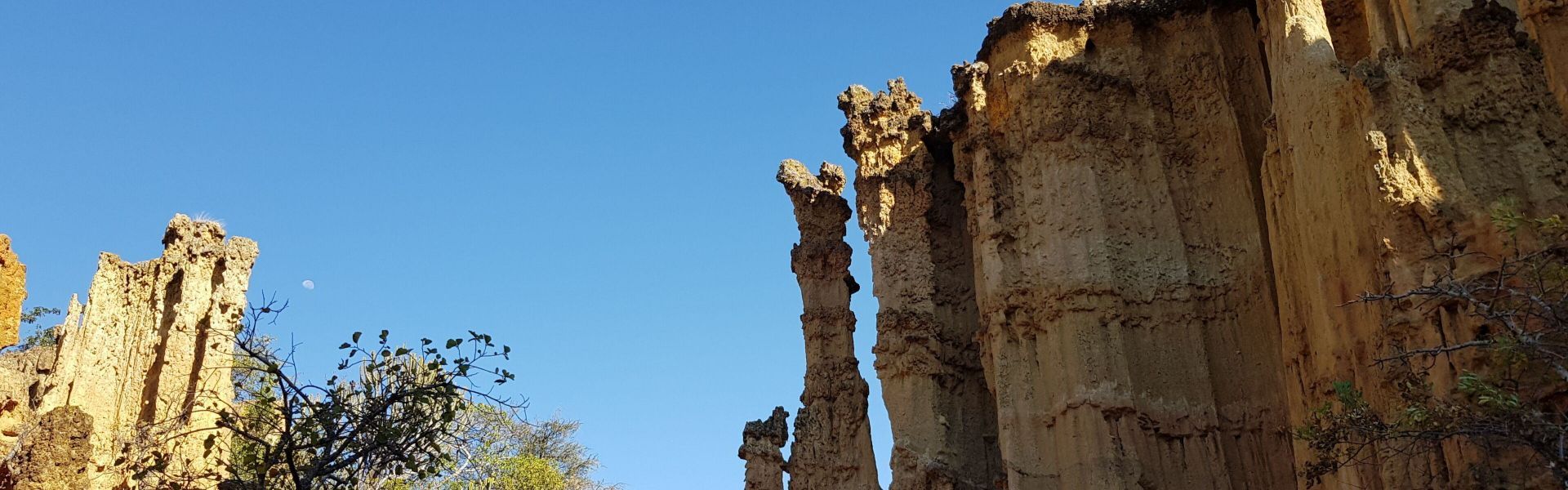
Isimila is also special because of its unique natural shapes. The land has been shaped by wind and rain over many years, creating tall, thin pillars of earth. These pillars make the site look very interesting and beautiful, like a landscape from another world.
The site is protected today. People visit Isimila to learn about human history and to see these amazing stone tools and natural formations. It helps us understand where we come from and how early humans survived and developed.
UNIQUE FEATURES.
Isimila has some truly unique features that make it a globally important historical site.
The Ancient Stone Tools (Hand-Axes).
The most important feature of Isimila is the huge number of stone tools found here. These tools are mostly "hand-axes." A hand-axe is a large, tear-drop shaped stone tool. Early humans made them by carefully chipping away pieces from a larger stone.
These hand-axes are very old, some are believed to be around 60,000 to 100,000 years old, or even older. They were used for many things:
● Hunting: To kill animals.
● Butchering: To cut up the meat of hunted animals.
● Digging: To dig for roots or water.
● Chopping: To chop wood or other materials.
What makes Isimila unique is the sheer quantity and quality of these tools. There are thousands of them, showing that many early humans lived and worked here for a very long time. It was like an "ancient factory" for making tools. You can still see many of these tools lying on the ground, just as they were left by our ancestors.
The Eroded Sandstone Pillars.
Another striking feature of Isimila is the landscape itself. Over thousands of years, wind and rain have eroded (worn away) the soft sandstone and soil. This erosion has created tall, thin, natural pillars and valleys. These pillars are sometimes called "hoodoos" or "fairy chimneys."
They are made of harder rock that resisted erosion, while the softer parts around them washed away. These pillars can be very tall, reaching many meters into the sky. They create a dramatic and beautiful landscape that is very different from other places.
These pillars are not only beautiful but also important because they helped protect the stone tools. The tools were buried under layers of soil and rock, and the erosion later exposed them, allowing us to find them today.
The Ancient Lake Bed.
Scientists believe that Isimila was once a place with a lake or a swamp. The early humans lived near this water source. Animals would come to drink water, and early humans would hunt them there. The soft sediments from this ancient lake bed are where many of the tools were found.
This tells us about the environment that early humans lived in. Water was essential for their survival and for attracting the animals they hunted.
Geological Significance.
The site is also important for geology, which is the study of rocks and the Earth. The different layers of soil and rock at Isimila tell a story about the Earth's history in this region. They show how the climate changed over thousands of years, from wet periods with lakes to drier periods.
The combination of ancient human history (the tools) and natural geological processes (the pillars and lake bed) makes Isimila a truly unique and valuable site for understanding both human evolution and Earth's past.
ESTABLISHMENT OF ISIMILA STONE AGE.
The "establishment" of Isimila as a Stone Age site means how it became known to modern people and how its importance was understood. It wasn't "built" like a town, but rather discovered.
Early Discoveries.
For many years, local people living near Isimila knew about the strange stone tools and the unusual pillars. They might have seen the tools on the ground, but they didn't know how old they were or who made them.
The site was not widely known to scientists until the mid-20th century.
The 1950s: Official Discovery.
The official discovery and serious study of Isimila began in the 1950s.
● Geological Survey: In 1951, a geologist (a scientist who studies rocks and the Earth) named H.J.R. Quennell was working in the area. He noticed many stone tools lying on the surface of the ground near the eroded pillars. He understood that these tools were very old and important.
● Archaeological Excavations: After Quennell's discovery, archaeologists (scientists who study old human history through digging up artifacts) came to Isimila.
○ One of the most important archaeological teams was led by Professor Francis Clark Howell from the University of Chicago in the United States. He and his team worked at Isimila in 1957-1958.
○ They dug carefully into the ground, a process called "excavation." They found thousands more stone tools, buried in layers of soil.
○ They also found bones of ancient animals, like giant buffalo and hippos, which showed what animals early humans hunted.
What the Discoveries Revealed.
The research at Isimila was very important for understanding early human history in Africa:
● Tool-Making Skills: The tools showed that early humans were very skilled at making tools. They chose specific types of stone and shaped them carefully.
● Early Human Behavior: The site showed that early humans lived in groups and had specific places where they made tools and processed food.
● Dating the Site: Scientists used different methods to find out how old the tools and the site were. They found that the tools were from the Middle Stone Age and Late Stone Age periods, dating back tens of thousands of years.
● Environmental Insights: The geological layers and animal bones helped scientists understand what the environment was like at Isimila long ago – a wet area with a lake, surrounded by grasslands where many animals lived.
Protection and Management.
After the importance of Isimila was understood, the Tanzanian government recognized it as a national heritage site. This means it is protected by law. The site is now managed by the Department of Antiquities, which works to preserve the tools and the landscape and to make it accessible for visitors.
The discovery and study of Isimila helped put Tanzania on the map as a key location for understanding human evolution, alongside other famous sites like Olduvai Gorge.
LOCATION AND ACCESSIBILITY.
Isimila Stone Age Site is located in a specific part of Tanzania, making it accessible for visitors, especially from the nearby city.
Geographical Location.
Isimila is located in the Iringa Region of Tanzania. It is approximately 20 kilometers (about 12 miles) south of Iringa town. Iringa is a major town in the southern highlands of Tanzania.
The site itself is in a valley, surrounded by hills and the unique eroded sandstone pillars. It's a landlocked area, meaning it's not near the ocean, unlike Kaole Ruins.
How to Get There (Accessibility).
Getting to Isimila involves first reaching Iringa town, and then traveling the shorter distance to the site.
● From Dar es Salaam to Iringa:
○ By Road (Bus): The most common way to reach Iringa from Dar es Salaam (Tanzania's largest city) is by long-distance bus. The journey is quite long, usually taking about 8 to 10 hours, as it covers a significant distance (around 500 kilometers or 310 miles). Buses are generally comfortable for this long journey.
○ By Air: There is a small airport near Iringa called Nduli Airport. You can sometimes find flights from Dar es Salaam to Nduli. This is much faster (about 1.5 hours) but also more expensive. From Nduli Airport, you would need a taxi to Iringa town.
○ By Private Car: Hiring a private car with a driver is another option, offering flexibility and comfort, but it is the most expensive.
● From Iringa Town to Isimila Stone Age Site:
○ By Taxi or Bajaji: Once you are in Iringa town, the easiest way to get to Isimila is by hiring a taxi or a "bajaji" (a three-wheeled auto-rickshaw). The road to Isimila is mostly unpaved (a dirt road), but it is generally passable. The ride takes about 30-45 minutes from Iringa town.
○ By Bodaboda: A "bodaboda" (motorcycle taxi) is also an option for single travelers. It's faster but less comfortable on the dirt road. Always ask for a helmet.
○ Organized Tours: Some hotels or tour operators in Iringa can arrange a visit to Isimila, often including transportation and a guide. This is a convenient option.
The site is well-marked with signs once you are on the road from Iringa. There is a small visitor center at Isimila where you pay an entrance fee and can get a local guide.
TRANSPORTATION.
Transportation to Isimila Stone Age Site involves two main stages: getting to Iringa town, and then getting from Iringa to the site itself.
Long-Distance Travel (to Iringa).
● Buses:
○ Intercity Buses: These are the most popular and affordable way to travel to Iringa from major cities like Dar es Salaam, Dodoma, or Mbeya. Many bus companies operate daily routes. It's advisable to buy tickets in advance, especially during peak travel seasons. The buses are generally reliable, but the journey can be long.
○ Mini-buses (Coasters): Sometimes smaller mini-buses also operate on these routes, offering a slightly faster but potentially less comfortable ride than the larger coaches.
● Flights:
○ Domestic Airlines: For those who prefer to save time, domestic airlines offer flights to Nduli Airport (IRI) near Iringa. Air Tanzania and other smaller carriers might operate on this route. This is the fastest way to get there. From Nduli, you would take a taxi to Iringa town, which is about 15-20 minutes away.
● Private Vehicles:
○ Car Hire: You can hire a private car with a driver from major cities. This offers the most flexibility, allowing you to stop where you like and travel at your own pace. It's also the most expensive option.
○ Self-Drive: While possible, self-driving in Tanzania requires familiarity with local roads and driving conditions, and a suitable vehicle (often a 4x4 for some routes).
Local Transportation (from Iringa to Isimila).
● Taxis:
○ These are readily available in Iringa town. You can negotiate a fare for a round trip to Isimila, including waiting time. This is a comfortable and direct option.
● Bajajis:
○ These three-wheeled auto-rickshaws are common in Iringa. They are a more affordable option than taxis for the trip to Isimila. They can navigate the dirt roads well. Always agree on the price before starting.
● Bodabodas:
○ Motorcycle taxis are the quickest and cheapest option for solo travelers. However, they are less safe on unpaved roads, and it's essential to wear a helmet.
● Organized Tours:
○ Many guesthouses and tour operators in Iringa can arrange a full package tour to Isimila, which includes transport, an entrance fee, and a guide. This is often the most hassle-free way for tourists.
It's important to remember that the road to Isimila from Iringa is unpaved. During the rainy season, it can become muddy and more difficult to travel, but generally, it is passable. Always confirm the condition of the road with your transport provider or accommodation before heading out.
ACCOMMODATION.
Visiting Isimila Stone Age Site not only offers a glimpse into ancient human history but also brings benefits to the local people living in the area.
Accommodation Options.
Since Isimila is a historical site and not a town, visitors usually stay in the nearby town of Iringa. Iringa is a well-developed town with various accommodation options to suit different budgets and preferences:
● Budget Guesthouses: These are simple and affordable places, often popular with backpackers and budget travelers. They offer basic rooms and facilities.
● Mid-range Hotels: Iringa has several hotels that offer more comfort, such as private bathrooms, air conditioning (though Iringa's climate is often cool enough without it), and sometimes restaurants.
● Boutique Hotels/Lodges: Some unique and charming places offer a more personalized experience, often with a focus on local design or a nice view of the surrounding hills.
● Campsites: For those who enjoy camping, there might be some campsites available around Iringa or within nearby national parks (like Ruaha National Park, which is also accessible from Iringa).
· Staying in Iringa allows visitors to explore the town itself, which has its own history, markets, and local life.
BENEFITS TO THE LOCAL COMMUNITY.
Tourism at Isimila, though not as massive as some other sites, still provides important benefits to the local community:
● Job Creation:
○ Site Guides: Local people from the villages around Isimila are trained as guides. They lead visitors through the site, explain its history, and show them the tools and pillars. This provides them with direct income.
○ Craft Sellers: Women and men from the community often sell handmade crafts, souvenirs, and local artworks near the entrance of the site or in Iringa town. Tourists buy these items, supporting local artisans.
○ Food and Drink Vendors: Small stalls or shops might sell snacks, drinks, or simple local meals to visitors, creating income for families.
○ Transportation Providers: Taxi, bajaji, and bodaboda drivers get business from tourists traveling between Iringa and Isimila.
○ Hotel and Restaurant Staff: In Iringa town, local people are employed in hotels, guesthouses, restaurants, and shops that cater to tourists.
● Economic Growth: When tourists spend money on entrance fees, guides, crafts, food, accommodation, and transport, this money circulates within the local economy. It helps small businesses thrive and supports many families.
● Awareness and Preservation: When people visit Isimila, they learn about its global importance. This helps to raise awareness among the local community about the value of their heritage. It can foster a sense of pride and encourage them to participate in protecting the site.
● Infrastructure Improvement: While not always direct, increased tourism can sometimes lead to improvements in local infrastructure, such as better roads (as mentioned, the road to Isimila is often improved due to visitor traffic) or other public services, benefiting all residents.
● Cultural Exchange: Tourists interact with local people, learning about their way of life, and locals learn about different cultures from around the world. This exchange can be enriching for both sides.
By visiting Isimila Stone Age Site, tourists contribute directly to the livelihood of the people in the Iringa region and help ensure the continued preservation of this invaluable historical treasure.
CHALLENGES AND SOLUTION.
Like many historical and natural sites, Isimila Stone Age Site faces certain challenges. However, there are also ways to address these problems and ensure the site's long-term preservation and benefit.
Challenges.
● Natural Erosion:
○ The very process that created the beautiful pillars – wind and rain erosion – continues to affect the site. Over time, the pillars can change shape or even collapse.
○ The exposed stone tools are also subject to natural weathering, which can slowly damage them.
● Vegetation Growth:
○ Plants and trees can grow on the pillars and around the tools. Their roots can cause damage to the geological formations and cover the archaeological remains.
● Limited Funding:
○ Protecting and maintaining a site of this magnitude requires significant financial resources. There might not always be enough money for regular conservation work, research, or improving visitor facilities.
○ This can also lead to a lack of sufficient staff for guiding, security, and maintenance.
● Infrastructure Limitations:
○ The road from Iringa to Isimila, while passable, is unpaved and can be rough, especially during the rainy season. This can make access difficult for some visitors.
○ Facilities at the site itself, such as restrooms, visitor information centers, or shaded resting areas, might be basic.
● Awareness and Marketing:
○ Isimila is not as widely known internationally as some other major archaeological sites in East Africa (like Olduvai Gorge). This means it might not attract as many visitors as it could.
○ Locally, some people might not fully understand the global significance of the site.
● Security and Vandalism (Minor):
○ While generally well-protected, there's always a risk of unauthorized removal of tools or minor vandalism if security is not sufficient.
Solutions.
● For Natural Erosion:
○ Geological Monitoring: Regular monitoring by geologists to understand how fast erosion is happening and identify areas at risk.
○ Stabilization Techniques: In some critical areas, experts might use special techniques to stabilize the pillars and prevent collapse, without damaging their natural appearance.
○ Drainage Control: Improve drainage systems around the site to control the flow of rainwater and reduce its erosive power.
● For Vegetation Growth:
○ Regular Clearing: Implement a regular schedule for carefully removing unwanted vegetation from the pillars and around the archaeological areas. This needs to be done by trained personnel to avoid damage.
● For Limited Funding:
○ Increased Government Allocation: Advocate for more financial support from the Tanzanian government for heritage sites.
○ International Grants: Seek funding from international organizations that support cultural heritage preservation (e.g., UNESCO, archaeological foundations).
○ Visitor Fees Reinvestment: Ensure that a significant portion of the entrance fees collected is reinvested directly into the site's maintenance and development.
○ Partnerships: Form partnerships with universities or research institutions that might provide resources or expertise.
● For Infrastructure Limitations:
○ Road Improvement: Work on improving and maintaining the access road from Iringa, perhaps paving key sections to ensure all-weather access.
○ Improved Visitor Facilities: Build modern, clean restrooms, a more comprehensive visitor center with interactive displays, and comfortable shaded areas for visitors.
● For Awareness and Marketing:
○ National and International Promotion: Develop marketing campaigns to promote Isimila as a key destination for archaeological tourism. This could involve travel fairs, online campaigns, and collaborations with tour operators.
○ Educational Programs: Create educational materials (brochures, signs, videos) that clearly explain the site's importance. Develop programs for local schools to visit and learn.
○ Digital Presence: Create a strong online presence, including a dedicated website, social media, and virtual tours.
● For Security and Vandalism:
○ Increased Guard Presence: Ensure there are enough trained guards to monitor the site, especially during visiting hours.
○ Community Watch: Involve the local community in protecting the site, encouraging them to report any suspicious activities.
○ Clear Signage: Put up clear signs explaining the rules and the importance of not disturbing the tools or structures.
By implementing these solutions, Isimila can be better preserved for future generations, while also becoming a more attractive and rewarding destination for visitors.
OPPORTUNITY.
Isimila Stone Age Site holds many opportunities for its future development, benefiting both the site itself and the surrounding community.
Enhanced Tourism Development.
● Increased Visitor Numbers: With better marketing and improved facilities, Isimila can attract significantly more visitors, both local and international.
● Extended Stays: Encourage visitors to stay longer in Iringa by promoting Isimila as part of a larger historical and natural tourism package, perhaps combined with visits to Ruaha National Park or other cultural sites in the region.
● Diverse Tourism Segments: Target specific groups like educational tours for schools and universities, archaeological enthusiasts, and even geological tourists interested in the unique formations.
Advanced Research and Education.
● Further Archaeological Research: The site still has many secrets. There are opportunities for more extensive archaeological excavations and studies to uncover new tools, bones, and information about early human life. This can attract international research teams.
● Paleoenvironmental Studies: Research into the ancient environment (paleoenvironment) of Isimila can provide deeper insights into climate change over millennia and how it affected early human populations.
● Educational Hub: Develop Isimila into a leading educational center for Stone Age archaeology and human evolution in East Africa. This could involve workshops, seminars, and training programs for students and professionals.
● Interactive Exhibits: Create a modern, interactive visitor center with multimedia displays, virtual reality experiences, and replicas of tools to make the history come alive for visitors of all ages.
Community Empowerment and Sustainable Development.
● More Local Employment: As tourism grows, there will be more opportunities for locals to work as guides, craft producers, hospitality staff, and transportation providers.
● Entrepreneurship Support: Provide training and support for local people to start small businesses that cater to tourists, such as local eateries, guesthouses, or souvenir shops.
● Community-Based Tourism: Develop programs that directly involve the local community in managing and benefiting from tourism, ensuring that the economic benefits are shared widely. This could include cultural performances or homestays.
● Environmental Stewardship: Involve the community in conservation efforts, teaching them about the importance of protecting both the archaeological site and the natural environment (like the surrounding vegetation).
Site Preservation and Management Innovations.
● Advanced Conservation Techniques: Implement cutting-edge conservation methods to protect the exposed tools and the geological pillars from natural decay, ensuring their longevity.
● Digital Archiving: Use modern technology like 3D scanning, photogrammetry, and drone mapping to create detailed digital records of the entire site. This serves as a backup in case of natural damage and can be used for virtual tours and research.
● Sustainable Infrastructure: Develop visitor facilities using environmentally friendly materials and practices, minimizing the site's ecological footprint.
Global Recognition and Collaboration.
● UNESCO World Heritage Status: Pursue recognition as a UNESCO World Heritage Site. This would bring global attention, prestige, and potential funding for preservation and research.
● International Partnerships: Forge stronger partnerships with international museums, universities, and archaeological organizations for joint research, funding, and expertise exchange.
By seizing these opportunities, Isimila Stone Age Site can not only secure its future as a vital historical landmark but also become a catalyst for sustainable development and education in the Iringa region and beyond.
CONCLUSION.
The Isimila Stone Age Site is an extraordinary treasure, offering a direct link to the earliest chapters of human history. Located near Iringa in Tanzania, it stands as a powerful testament to the ingenuity and survival of our ancient ancestors.
Its unique features – the thousands of ancient stone hand-axes and the dramatic, naturally eroded sandstone pillars – combine to create a landscape that is both archaeologically significant and visually stunning. The discovery and subsequent research at Isimila in the mid-20th century revealed crucial insights into early human tool-making, behavior, and the environment they inhabited tens of thousands of years ago.
While reaching Isimila requires travel to Iringa and then a short journey on unpaved roads, its accessibility is manageable, and the experience is profoundly rewarding. The tourism generated by visits to Isimila directly benefits the local community, providing jobs for guides, income for craft sellers, and supporting local businesses in Iringa.
However, the site faces ongoing challenges, primarily from natural erosion and the need for sustained funding and improved infrastructure. These issues require continuous effort and resources.
Despite these challenges, Isimila holds immense opportunities. There is potential for increased tourism, deeper archaeological research, the development of educational programs, and greater empowerment of the local community. By pursuing these opportunities, Isimila can gain further global recognition, attract more visitors, and ensure its invaluable heritage is preserved for countless generations to come.
Isimila is more than just a collection of old stones; it is a profound historical record that speaks to the very origins of human innovation and adaptation. It is a place that reminds us of our shared past and the incredible journey of humanity.