
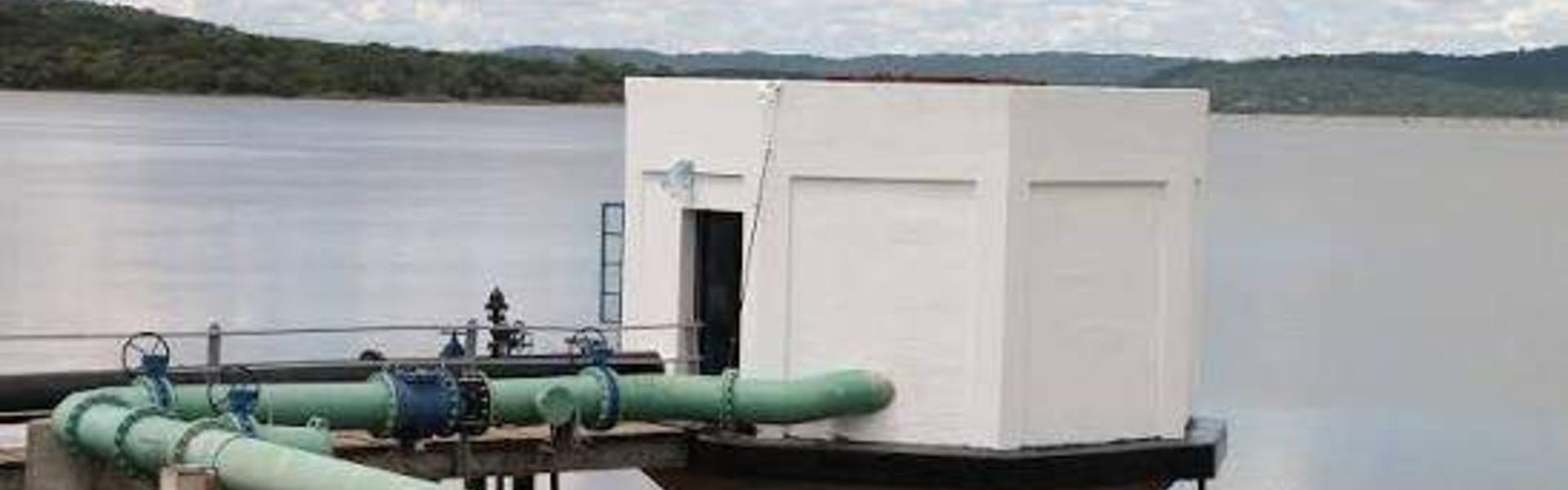
The Ultimate Guide to Igombe Dam Safaris

The Igombe Dam Controlled Area, located within Tanzania's Tab ora Region, represents a vital intersection of natural resources, historical development, and community reliance. This area is recognized as a forest reserve, signifying its dual role in providing essential resources and safeguarding the natural environment. The core of this controlled area is the Igombe Dam, a significant piece of infrastructure that has played a central role in the regional landscape for decades.
Overview and Historical.
The Igombe Dam, a substantial engineering project, was constructed in 1958. This dam boasts an impressive total capacity of 41,000,000 cubic meters, highlighting its considerable scale and its potential to influence water availability across the region. Its importance extends beyond its immediate vicinity, as it serves as the primary water supplier for Tabora Municipality, fulfilling nearly 80% of the municipality's water needs. This high percentage underscores the critical dependence of the urban population on this single water source.
The land surrounding the dam is officially designated as the Igombe Dam Forest Reserve. This designation is fundamental because it implies a commitment to conservation, particularly for the water catchment area that feeds the dam. A healthy forest ecosystem within a reserve acts as a natural filter, helping to regulate water flow, prevent soil erosion, and maintain the purity of the water. These functions are all essential for the dam's long-term operational effectiveness. The strategic decision to build the dam and then protect the surrounding area as a forest reserve suggests a thoughtful, integrated approach to water management and environmental protection. This approach recognizes that the infrastructure's longevity and efficiency are intrinsically linked to the health of the surrounding natural environment. Therefore, any threats to the forest reserve directly jeopardize Tabora's water security, emphasizing the need for robust environmental management alongside infrastructure maintenance.
Purpose and Significance of Igombe Dam.
The fundamental purpose of Igombe Dam is to provide water to the residents of Tabora Municipality. It supplies approximately 90% of the total water production for the municipality, making it an indispensable asset for urban life and development in Tabora. The dam's construction in 1958 was specifically intended to deliver safe and clean water to the entire Tabora region, highlighting its foundational role in public health and sanitation, which are crucial for any thriving community.
The management and operation of this vital water supply system, including the Igombe Dam, are overseen by the Tabora Urban Water Supply and Sanitation Authority (TUWASA). This institutional framework is responsible for ensuring the continuous and efficient delivery of water services to the populace. The high level of reliance on Igombe Dam means that its reliability and the quality of its water are paramount to public health, economic activity, and overall urban stability. Any disruption or degradation of the dam's function would have immediate and severe consequences for the majority of Tabora's population. Consequently, the Igombe Dam is not merely a utility; it is a fundamental pillar of human well-being and urban sustainability. Its continued optimal functioning is a non-negotiable requirement for Tabora's future, necessitating ongoing investment in its maintenance and protection.
UNIQUE FEAURES OF IGOMBE DAM.
The Igombe Dam Controlled Area is characterized by a distinctive blend of geographical and ecological attributes, with the forest reserve playing a critical role in its overall environmental health and the functionality of the dam.
Geographical and Ecological Characteristics.
The Igombe Dam Forest Reserve is precisely located within the Tabora Region of Tanzania, at approximately 4° 49' 59" S latitude and 32° 42' 0" E longitude. The area sits at an elevation of about 1,145 meters above sea level, which influences its specific climate and ecological patterns. The region experiences a Tropical savanna, wet (Aw Köppen climate type) climate, characterized by distinct wet and dry seasons. This seasonal variation significantly impacts vegetation growth and the availability of water throughout the year.
Historically, the natural vegetation in the Tabora Region was predominantly Miombo woodland. However, extensive human activities, particularly cultivation and overgrazing, have led to significant degradation of these woodlands, transforming large areas into bushed grassland. This shift in vegetation cover has profound ecological consequences, affecting soil health, reducing the land's capacity to retain water, and diminishing biodiversity.
The topography of the area includes expansive flat plains and river valleys featuring "mbuga" (black cracking clay) soils. These areas, which once supported dense vegetation, are particularly vulnerable to flooding during the rainy season. The Igombe River system, a crucial hydrological feature, drains into the Malagarasi swamp area, indicating its connection to a larger regional water network. The combination of a wet savanna climate and degraded woodlands means that during heavy rains, there is less natural absorption of water and an increase in surface runoff.
This amplified runoff carries more sediment into the dam, accelerating siltation, which is a known challenge for the dam. Conversely, during dry seasons, degraded land retains less water, worsening drought conditions. The clay soils and flat plains, coupled with increased runoff from degraded areas, contribute to more severe flooding events. This ecological vulnerability, particularly the degradation of the Miombo woodland, highlights a critical environmental fragility. This degradation, driven by human activities, directly impacts the dam's functionality by increasing siltation and making the region more susceptible to extreme weather events like floods and droughts. This situation emphasizes the urgent need for sustainable land management practices and reforestation efforts to protect both the natural ecosystem and the vital water resource.
The Role of Igombe Dam as a Forest Reserve.
The Igombe Dam Controlled Area is formally recognized as the Igombe Dam Forest Reserve, a protected forested area designated for preservation or controlled use. This legal status is designed to protect its ecological integrity and the essential services it provides. The Tanzania Forest Services Agency (TFS) is responsible for enforcing laws within National Forest Reserves, including the Igombe River Forest Reserve, demonstrating a governmental commitment to managing and protecting these vital natural assets.
The Igombe Dam itself is situated within this reserve and directly supplies water to the residents of Tabora Municipality. This direct link means that the health and effective management of the forest reserve are intrinsically tied to the urban water supply. The design of water harvesting dams, such as Igombe, often includes the strategic planting of trees (afforestation) in the catchment area upstream of the dam.
The main purpose of this afforestation is to prevent excessive siltation, which can drastically reduce a dam's capacity and lifespan. This design philosophy reflects a proactive approach to long-term water resource management.
The deliberate inclusion of afforestation for siltation control demonstrates a sophisticated understanding of ecosystem services – how a healthy forest directly benefits water infrastructure. This goes beyond simply using the water to actively managing the entire catchment. However, implementing and coordinating such integrated management across different authorities can be challenging, as observed in existing conflicts between TFS and Local Government Authorities (LGAs). The designation of Igombe Dam as a Forest Reserve and the strategic incorporation of afforestation in its design signify a forward-thinking approach to integrated water resource management. This means the forest is not merely a geographical feature but a vital, actively managed component of the water supply infrastructure.
The success of the dam and Tabora's water security is directly dependent on the effective conservation and management of this forest reserve, necessitating strong inter-agency cooperation and consistent enforcement of environmental laws to prevent degradation.
ACTIVITIES AND TOURISM EXPERIENCE.
The Igombe Dam Controlled Area, as a forest reserve, offers various potential activities, though its specific tourism development appears to be in nascent stages compared to its ecological and historical significance.
Permitted Activities within the Forest Reserve.
While detailed visitor activities specifically for Igombe Dam Forest Reserve are not extensively documented, general guidelines for nature forest reserves in Tanzania provide a clear indication of permitted activities. These include immersive experiences such as walking safaris, allowing visitors to explore the natural environment on foot, and hiking, offering opportunities for more strenuous exploration of the terrain.
These activities promote a close connection with nature and physical well-being.
Other common activities across Tanzanian reserves include horse riding, providing a unique way to traverse the landscape, and observing wildlife and diverse flora, catering to nature enthusiasts and researchers. Birdwatching is a particularly popular ecotourism activity in these reserves, given the rich avian biodiversity that thrives in protected forest environments.
Recreational options also extend to swimming (where permitted and safe), bike riding for active exploration, and general sightseeing, allowing visitors to appreciate the scenic beauty of the area. Picnics are also a common and enjoyable activity within these natural settings, offering a relaxed way to experience the outdoors. The concept of "dam viewing" is explicitly mentioned as an activity offered in some nature forest reserves, suggesting that the dam itself could be a point of interest for visitors, perhaps for its engineering marvel or its role in the ecosystem.
The generic nature of these listed activities, contrasted with the detailed and specific tourism programs found at more established sites like Kaole Ruins , suggests that the Igombe Dam Forest Reserve has not yet fully capitalized on its tourism potential. While the type of reserve permits these activities, active promotion and dedicated infrastructure might be lacking. This situation points to a significant opportunity for growth through targeted marketing, creation of specific visitor programs (example, guided tours focusing on the dam's history, water management, or unique flora/fauna), and investment in visitor infrastructure. Realizing this potential could diversify the region's economy and provide alternative livelihoods for local communities, aligning conservation with economic benefits.
Recreational Opportunities and Visitor Experiences.
Although specific details on recreational activities directly at Igombe Dam or its immediate vicinity are not provided, the broader context of Tanzania's nature forest reserves indicates the types of experiences that could be offered. These include camping, allowing visitors to immerse themselves in the natural environment overnight, and picnicking for day-use enjoyment. These activities cater to those seeking a tranquil escape and direct engagement with nature.
Sightseeing, bird watching, walking safaris, and hiking are consistently highlighted as popular activities across various reserves, suggesting a focus on appreciating nature and engaging in physical activity. Some reserves even offer unique experiences like swimming at waterfall bases, photography, and movie making, adding a diverse range of options for visitors.
It is important to acknowledge that the Igombe Dam serves as a primary water source for Tabora Municipality. This functional role may necessitate specific restrictions on water-based recreational activities, such as swimming, to ensure the purity and safety of the municipal water supply. For example, regulations in other water supply areas frequently prohibit or limit swimming to prevent contamination. This dual identity of Igombe Dam as both a natural attraction and a vital urban water supply creates an inherent tension. While recreational activities are desirable for tourism, public health concerns related to water purity for municipal consumption would likely require strict controls or prohibitions on activities like swimming within the dam itself. This means tourism development must be carefully planned to avoid compromising the dam's primary purpose.
Therefore, the development of recreational opportunities at Igombe Dam must carefully balance tourism potential with its critical role as Tabora's primary water source. Activities posing a risk to water quality are likely to be restricted or prohibited. This necessitates a focus on low-impact, nature-based tourism (e.g., guided walks, birdwatching, educational tours) that does not compromise public health or the dam's ecological integrity, highlighting the need for thoughtful and sustainable tourism planning.
Cultural and Historical Attractions.
The Tabora Region, home to the Igombe Dam Controlled Area, is rich in historical and archaeological heritage, offering complementary attractions that can enhance the visitor experience. These include the Dr. Livingstone Museum, which commemorates the famous explorer's connection to the region, and remnants of the historical Slave Trade caravan route, providing a poignant reminder of a significant period in East African history.
The region also features German administration and military base buildings, offering insights into the colonial era and the architectural styles of that period. These sites collectively provide a deep dive into the historical layers of Tabora, allowing visitors to understand the complex past of the region. Tabora itself holds historical significance as a major junction on the Central railway line, which historically connected key Tanzanian cities such as Dar es Salaam, Kigoma (on Lake Tanganyika), and Mwanza (on Lake Victoria). This railway link was crucial for trade and transport, cementing Tabora's role as a regional hub and a point of convergence for various historical narratives.
The presence of diverse historical and cultural sites in Tabora suggests that a visit to the Igombe Dam area can be integrated into a more comprehensive regional tour. This allows for a richer visitor experience that combines nature with history, potentially increasing the appeal and duration of stays in the Tabora region. The Igombe Dam Controlled Area can therefore be strategically marketed as part of a broader cultural and historical tourism circuit within the Tabora Region.
The natural beauty and water resource importance of the dam with Tabora's rich past as a trade hub and colonial center, tour operators can create diversified itineraries. This approach not only enhances the visitor experience but also distributes tourism benefits more widely across the region, leveraging Tabora's existing historical infrastructure and narrative.
ESTABLISHMENT AND DEVELOPMENT.
ü The establishment of the Igombe Dam and the subsequent development of its controlled area are rooted in the region's need for reliable water resources, but also highlight the complexities of long-term infrastructure management and environmental governance.
Construction History of Igombe Dam.
The construction of Igombe Dam was completed in 1958. This makes it a significant piece of infrastructure that has been serving the region for over six decades, demonstrating its enduring importance. From its inception, the dam's primary objective was to provide a reliable source of safe and clean water for the Tabora region.
The historical context of Igombe Dam reveals a common challenge for developing infrastructure: maintaining functionality over decades. The decline in treatment capacity due to aging components underscores the continuous need for significant capital investment in rehabilitation and upgrading. This is crucial to ensure the dam can reliably meet the growing water demands of Tabora Municipality, highlighting that infrastructure development is an ongoing process, not a one-time event.
Evolution of the Controlled Area.
The Igombe Dam Controlled Area is formally designated as the Igombe Dam Forest Reserve, a protected forested area. This legal status defines how the area should be managed and utilized to preserve its ecological value. The management of forest reserves in Tanzania involves multiple layers of responsibility: the Tanzania Forest Services Agency (TFS) is responsible for National Forest Reserves, while District Councils manage Local Authority forest reserves, and village councils oversee village forests.
LOCATION AND ACCESSIBILITY.
The geographical positioning of the Igombe Dam Controlled Area within the Tabora Region is a key factor influencing its accessibility and potential for various forms of development, including tourism.
Geographical Location.
The Igombe Dam Controlled Area is situated within the Tabora Region of Tanzania. Tabora Region is an important administrative region in the western part of Tanzania, recognized for its historical significance and its role as a regional transport hub.
This relatively close proximity means that the dam is not in a remote, isolated area but is within a reasonable distance of the urban center it serves, facilitating easier access for residents and visitors alike.
Tabora town holds a strategic geographical position, being located "astride the regional watershed". This means it sits on a natural divide, with the Igombe River system draining water to the west and southwest, eventually flowing into the Malagarasi swamp area. Being near a major regional center with established transport links (road, rail, air) significantly enhances the accessibility and potential for the Igombe Dam area.
It means visitors and investors can reach Tabora relatively easily, and then access the dam as a day trip or as part of a longer stay. This integration into a larger regional network makes the dam area a more viable candidate for tourism development and other economic activities.
Primary Access Routes to the Area.
Access to the Igombe Dam Controlled Area primarily involves reaching Tabora town, which is well-connected by multiple modes of transport: road, railway, and air.
Road Network: Tabora is served by a mix of paved and unpaved roads. The trunk road T18, connecting Singida to Kigoma, is mostly paved, while the T8, linking Mbeya to Mwanza, is partly unpaved. The Tanzanian government has been actively investing in road infrastructure, with several projects underway to upgrade key routes around Tabora to bitumen (tarmac) standard. These ongoing improvements aim to enhance connectivity within the region, facilitating trade and communication. Locally, a footpath connects Itetemia and Kariakoo settlements near the airport, and a tarmac road leading to the airport also traverses parts of the area, indicating some localized paved access points.
While improved roads (tarmac upgrades) will undoubtedly enhance accessibility for tourists and facilitate economic activities, they also make the forest reserve more accessible to human pressures like illegal logging, agricultural encroachment, and overgrazing. This means that infrastructure development, if not coupled with strengthened conservation measures and enforcement, could inadvertently accelerate environmental degradation within the controlled area.
The ongoing improvements in road infrastructure around Tabora present a critical opportunity to boost tourism and economic development in the Igombe Dam Controlled Area. However, this increased accessibility also carries an inherent risk of escalating human pressure on the fragile forest ecosystem. Therefore, future development plans must integrate robust environmental protection and law enforcement strategies alongside infrastructure upgrades to ensure that increased access contributes to sustainable growth rather than environmental degradation.
TRANSPORTATION.
Effective transportation networks are crucial for both the local community's daily life and for enabling tourism and economic development in the Igombe Dam Controlled Area.
Getting to Tabora (Road, Rail, Air).
Tabora is a pivotal transport hub in Tanzania, accessible through a combination of road, rail, and air networks.
Road Network: The road infrastructure serving Tabora is undergoing significant upgrades. These include the 115-kilometer Tabora-Puge-Nzega road, the 85-kilometer Tabora-Nyahua road, the 94-kilometer Tabora-Urambo road, and the 35-kilometer Tabora-Sikonge road. The Tabora-Urambo road, in particular, is noted for passing through major tobacco-producing areas, promoting inter-region trade and communication between Tabora and Kigoma regions. These road improvements are funded by the Tanzanian government and aim to enhance connectivity with neighboring regions.
Railway Links: Tabora is a historically and strategically important junction on the Central railway line. This railway connects Tabora eastward to Dar es Salaam, westward to Kigoma on Lake Tanganyika, and northward to the port of Mwanza on Lake Victoria. Trains operate three times a week in each direction, providing a vital link for passengers and goods.
The railway network plays a significant role in Tanzania's economy, and its rehabilitation is a top government priority. Five districts within the Tabora region Uyui, Tabora, Nzega, Urambo, and Kaliua—are served by this central railway line, contributing to a total length of 604 kilometers of railway within the region.
Air Transport: Tabora is served by Tabora Airport, located approximately 7 kilometers south of the town center. The airport features two runways, with one recently upgraded to bitumen standard. The airport's upgrade was funded by the World Bank, with an investment of TZS 11.65 billion, demonstrating a commitment to improving air connectivity for the region.
Local Transportation Options to Igombe Dam.
While specific local transportation options directly to the Igombe Dam Forest Reserve are not extensively detailed, general information about Tabora suggests several possibilities. Tabora town itself is compact enough for walking, but for longer distances, various local transport methods are available. These include bicycle taxis, motorbike taxis (often referred to as "boda-bodas"), and regular taxis.
A day trip from Tabora to Igombe Dam, which is described as a local forest reserve, is a recognized option. This suggests that local transport providers would be familiar with the route. The proximity of Igombe Dam to Tabora Municipality (approximately 20 km) makes it a feasible destination for a local taxi or motorbike ride. While the main roads leading to Tabora are being upgraded, the local roads within and around the forest reserve may still be unpaved or of varying quality.
This means that travel conditions could vary depending on the season, with unpaved roads potentially becoming muddy during the rainy season.
ACCOMMODATION.
Accommodation options for visitors to the Igombe Dam Controlled Area are primarily available in Tabora town, with limited direct lodging at or immediately adjacent to the forest reserve itself.
Lodging Options Near Igombe Dam.
Information regarding direct accommodation within the Igombe Dam Forest Reserve is scarce. However, the Tanzania Forest Services Agency (TFS), which manages forest reserves, generally offers eco-friendly accommodations such as rest houses, family tents, and safari tents in its eco-tourism sites. These accommodations are designed to blend harmoniously with nature, emphasizing sustainability.
While specific mention of these facilities at Igombe Dam Forest Reserve is not made, the general availability in other TFS-managed areas suggests a potential model for future development or existing, unlisted options.
A search for accommodations near Igombe Dam Forest Reserve indicates that the closest listed option is a B&B in Tabora, approximately 249 km away. This suggests that direct on-site accommodation at Igombe Dam Forest Reserve is either non-existent or not widely advertised through common booking platforms.
This absence highlights a gap in tourism infrastructure directly at the site, which could limit overnight stays and deeper visitor engagement.
Accommodation in Tabora Town.
For visitors to the Igombe Dam Controlled Area, Tabora town serves as the primary base for accommodation. Tabora offers various lodging options, including hotels that provide a range of amenities. For example, the Tabora Belmonte Hotel offers 50 air-conditioned rooms, with amenities such as free WiFi, a restaurant, a bar/lounge, and complimentary full breakfast.
The availability of hotels in Tabora town provides a practical solution for visitors to the Igombe Dam, as they can travel to the dam for day trips and return to comfortable lodging in the evening. The presence of established hotels in Tabora indicates that the town is equipped to handle visitors, even if the immediate area around the dam lacks dedicated facilities.
BENEFIT TO THE LOCAL COMMUNITY.
The Igombe Dam Controlled Area provides a range of benefits to the local community, primarily through its role in water supply, but also through potential economic and social opportunities linked to its natural resources.
Water Supply and Economic Contributions.
The most significant benefit of the Igombe Dam to the local community is its role as the primary water source for Tabora Municipality, supplying approximately 90% of the total water production. This reliable water supply is fundamental for domestic use, public health, and various economic activities within the urban area. The dam, built in 1958, was specifically intended to provide safe and clean water to the entire Tabora region, underscoring its foundational importance to the quality of life for residents.
These include supporting agricultural activities by providing water for irrigation, enabling commercial fishing within the dam's reservoir, and facilitating livestock watering. For instance, fishing activities are known to take place in large dams like Igombe and Kazima, although current production may not meet regional demand. These activities create direct income and livelihood opportunities for community members involved in farming, fishing, and related services.
Dams also generate employment opportunities, initially during construction and then through ongoing operation and maintenance roles. The presence of such infrastructure can stimulate local businesses, as money spent by tourists or on dam operations can ripple through the local economy, benefiting various sectors like retail, services, and agriculture. This economic activity can lead to increased income for residents and an improved standard of living.
Employment and Livelihood Opportunities.
The Igombe Dam Controlled Area offers several avenues for employment and livelihood diversification for local communities. Fishing activities within the dam provide direct income, although the current scale may not fully meet regional demand. This suggests potential for growth in aquaculture or improved fishing practices.
The development of nature-based tourism within forest reserves can create various jobs. These include roles for local guides, homestay hosts, and artisans who can sell handmade crafts and local products to visitors. Community-based tourism initiatives, like the Wauto-Kaole project near Kaole Ruins, demonstrate how local women can form businesses to sell local delicacies and crafts, directly benefiting from tourism revenue. Such models could be replicated or adapted for the Igombe Dam area.
Tourism also supports indirect employment in sectors like transportation, hospitality (example, hotels, restaurants), and retail. The presence of tourism can stimulate investment and economic activity around protected areas, providing benefits to local communities and strengthening their incentive to support conservation efforts. While specific employment figures for Igombe Dam are not available, the broader tourism sector in Tanzania is a significant employer, with projections indicating a growth to over 1.5 million jobs in 2024 and 2.25 million by 2034, employing almost one in 15 workers in the country.
Social and Cultural Impacts.
· The establishment and operation of the Igombe Dam, while primarily for water supply, also have social and cultural dimensions for the local community. The dam provides a critical resource that supports daily life and public health, which can lead to improved living standards. However, large infrastructure projects like dams can also have complex social impacts, including potential displacement or changes to traditional livelihoods, which can sometimes lead to negative perceptions among local populations.
· On the positive side, tourism development, when managed sustainably and with community involvement, can foster cultural exchange and help preserve local traditions and heritage. By providing opportunities for local communities to interact with visitors and showcase their culture, tourism can enhance community cohesion and strengthen the social fabric. Initiatives that involve locals in tourism-related projects, such as selling local delicacies or crafts, can improve relationships between the community and site managers, as seen with the Wauto-Kaole project. This direct involvement can empower community members and ensure that tourism revenue directly benefits them, rather than solely external corporations.
The protection of natural areas like the Igombe Dam Forest Reserve can contribute to the preservation of ecosystems that local communities rely on for their livelihoods, such as through gleaning or traditional resource use. This highlights the interconnectedness of environmental conservation and community well-being.
CHALLENGES AND SOLUTIONS.
The Igombe Dam Controlled Area faces a range of challenges, primarily related to water management, environmental degradation, and community dynamics. Addressing these requires integrated and adaptive solutions.
Water Management Issues (Siltation, Drought, Pollution).
The Igombe Dam, a critical water source for Tabora Municipality, faces several significant water management challenges.
1. The dam is experiencing problems with siltation. Siltation occurs when soil and sediment are carried into the dam, often due to erosion in the catchment area. This reduces the dam's storage capacity over time, directly impacting its ability to supply water. The conceptual design of water harvesting dams often includes afforestation (tree planting) in the catchment area to prevent excessive siltation, highlighting that this is a known preventative measure.
2. Drought: Frequent droughts are another significant problem for the Igombe Dam. Droughts lead to a high depletion rate of water in the dam, reducing water availability for Tabora residents. The Tabora region has experienced severe water shortages, with reservoirs reportedly running low or empty during dry seasons. Climate change is perceived to have reduced the overall amount of water flowing into wetlands and rivers, causing them to dry earlier in the dry season. This further exacerbates water scarcity for both agricultural and domestic purposes.
3. Water Pollution: The water in Igombe Dam is characterized by high turbidity (cloudiness) and color, primarily due to a very high content of humic substances and algal blooms. These organic materials mainly originate from the surrounding dry forest, indicating a natural source of pollution. Additionally, human activities such as bathing, washing, and improper fishing practices contribute to water contamination. The low concentration of nitrogen compounds suggests limited agricultural and human pollution in the watershed, confirming the natural origin of much of the organic matter. Water pollution, especially from human excreta during floods, poses a health risk, potentially leading to outbreaks of diseases like typhoid, cholera, and diarrhea.
Solutions for Water Management;
· Afforestation of the catchment area before the dam is a key strategy to prevent excessive siltation.
· Water Scarcity/Drought: Strategic water harvesting technologies are being implemented to enhance resilience to drought and water scarcity. This includes the installation and rehabilitation of community water harvesting facilities that integrate agriculture, livestock, tree planting, and aquaculture. The government is also investing in a nationwide 28 Towns Water Supply Project, with 143 billion TZS allocated to serve over 490,000 residents in Urambo, Kaliua, and Sikonge districts, ensuring access to clean and reliable water by October 2025.
· Water Quality: A principal objective for the future water treatment plant at Igombe is the reduction of natural organic matter (NOM) through processes like coagulation/sedimentation and biological filtration. Regular monitoring of water quality is also crucial to address eutrophication and other contaminants.
Environmental Degradation and Conservation Efforts.
The Igombe Dam Controlled Area, particularly its forest reserve, faces significant environmental degradation. The natural Miombo woodland has been degraded into bushed grassland due to extensive cultivation and overgrazing. This degradation increases soil erosion, which contributes to siltation in the dam. Deforestation is also a major concern, fueled by illegal logging and the expansion of human activities like tobacco farming and livestock keeping. These activities can overwhelm the land's carrying capacity, leading to further degradation.
Conservation Efforts and Solutions;
● Forest Management: The Tanzania Forest Services Agency (TFS) is responsible for managing National Forest Reserves and plays a key role in identifying degraded forests for rehabilitation and strengthening law enforcement against illegal harvesting. There are ongoing efforts to improve forest governance, strengthen biodiversity, and increase the adaptive capacity of forests and forest-adjacent communities.
● Community Involvement: Projects are being implemented to involve local communities in sustainable forest management and governance. This includes establishing Village Land Forest Reserves (VLFRs) managed by trained local communities. Training programs are also being provided to community members in sustainable forest management.
● Infrastructure for Conservation: Investments are being made in infrastructure to support forest protection and eco-tourism, such as constructing ranger stations and rehabilitating roads to improve access for forest patrols.
● Addressing Climate Change Impacts: Conservation efforts are aligned with national climate and forest policies, as well as global commitments to combat climate change. This includes promoting tree planting campaigns, although these face challenges due to reduced rainfall and long dry seasons.
Community Conflicts and Resolution Strategies.
Water scarcity and land use changes can lead to conflicts within and between communities, particularly between farmers and pastoralists. In other regions of Tanzania, frequent droughts have forced herders into farming areas, leading to clashes over water and grazing land.
The expansion of agriculture into wetlands and increased livestock numbers also contribute to land degradation and water resource conflicts. Illegal fishing practices, such as blocking rivers with traps, have also been observed in the Igombe Dam, indicating potential conflicts over resource use.
Resolution Strategies;
● Dialogue and Collaboration: Encouraging open dialogue and collaboration between conflicting groups, such as farmers and pastoralists, has proven effective in resolving disputes. Establishing neutral forums where parties can discuss problems "without fear or favor" is crucial.
● Land-Use Planning: Developing clear land-use plans that identify specific areas for farming and pastoralism can help prevent conflicts. Involving all concerned parties in the negotiation process and formulating by-laws to guide land-use decisions are important steps.
● Integrated Management: Sustainable management of water resources requires integrating environmental, economic, and social demands, involving all stakeholders in decision-making.
● Addressing Root Causes: Recognizing that external factors like "green grabbing" (state taking land for conservation), large agricultural investments, corruption, and lack of infrastructure for pastoralism contribute to tensions is important for long-term solutions.
Infrastructure and Waste Management Challenges.
Beyond the dam's core functionality, Tabora Municipality, which relies heavily on Igombe Dam for water, faces broader infrastructure and waste management challenges.
Water Distribution Infrastructure: The water distribution network in Tabora has not kept pace with the rapid population growth and urban expansion. While some network expansion and pipeline replacement have occurred, many newly developed areas and future development zones are outside the existing distribution network. Old pipelines are in poor condition, leading to high water leakage and frequent breakdowns. The capacity and location of existing service reservoirs do not match current water demand, necessitating increased pressure in the network and identification of new reservoir sites.
Solid Waste Management: Tabora Municipality produces 120 tons of solid waste daily, but faces challenges due to a lack of sufficient trucks (only three, which are old and often in disrepair) for collection and disposal. Waste often accumulates at transfer stations, on common grounds, and along streets and natural drainage channels, leading to unhygienic conditions and environmental pollution. The main dump site is a source of vermin and health problems, particularly for scavengers.
Liquid Waste Management: The municipality also struggles with liquid waste management, lacking sufficient secondary and primary sewer lines to accommodate more customers. The existing sewerage system and treatment plants are poorly maintained, and there is a shortage of cesspit emptiers and proper equipment for operation and maintenance.
Storm Water Drainage: The drainage system, relying on open stone-lined channels and gullies, is often overwhelmed during heavy rains, leading to flooding. This flooding can damage and overflow pit latrines, causing environmental pollution and contamination of water sources with human excreta, which threatens public health and can spread diseases.
Solutions for Infrastructure and Waste Management.
● Water Infrastructure Upgrade: Ongoing projects aim to increase water production capacity and extend the distribution network to meet current and future demand. This includes rehabilitation of existing treatment plants and construction of new ones.
● Solid Waste Management: Improvements in solid waste management infrastructure, including collection centers, transportation equipment, and disposal sites, are part of broader urban development projects.
● Capacity Building: Strengthening the capacity of local authorities to support and supervise construction work and implement environmental and social screening processes is crucial. This includes training staff and decision-makers in planning, reviewing, and monitoring infrastructure projects.
OPPORTUNITIEDS FOR FUTURE DEVELOPMENT.
The Igombe Dam Controlled Area, despite its challenges, presents significant opportunities for future development, particularly in tourism, water resource management, and community empowerment.
Tourism Investment and Expansion.
The Igombe Dam Forest Reserve, with its natural beauty and designation as a protected area, holds untapped potential for ecotourism. While specific tourism activities are not yet highly developed, the general offerings in Tanzanian forest reserves include walking safaris, hiking, birdwatching, and dam viewing. These low-impact activities align well with conservation goals.
Investment Opportunities;
● Visitor Infrastructure: There is an opportunity to develop visitor infrastructure such as dedicated trails, picnic sites, and potentially eco-lodges or rest houses within or near the reserve, similar to facilities in other nature reserves. The construction of modern gates and tourist cottages is planned for other reserves, which could serve as a model.
● Targeted Marketing: The Igombe Dam area could be integrated into broader regional tourism circuits that highlight Tabora's rich historical and cultural sites, such as the Dr. Livingstone Museum and the slave trade route. This would create a more diverse and appealing itinerary for visitors, combining nature with history.
● Community-Based Tourism: Developing community-based tourism initiatives, where local residents are directly involved in providing services (e.g., local guides, selling crafts and local delicacies), can ensure that tourism benefits the local population and fosters a positive relationship between the community and the site. This approach also contributes to the preservation of local culture and traditions.
● Diversification of Activities: Beyond traditional ecotourism, opportunities exist for specialized activities like educational tours focused on water management, dam operations, or forest ecology, attracting a niche market of interested visitors.
Water Resource Management Enhancements.
Given the critical role of Igombe Dam in Tabora's water supply, enhancing water resource management is a continuous opportunity for sustainable development.
Future Projects and Strategies;
● Increased Treatment Capacity: The ongoing rehabilitation and expansion of the Igombe water treatment plant to a total capacity of 30,000 m³/day is a major step towards meeting Tabora's growing water demand. Future efforts should focus on maintaining this expanded capacity and exploring advanced treatment processes to address water quality issues like high organic matter content.
● Distribution Network Improvements: Continuing to expand and rehabilitate the water supply distribution network to cover new and underserved areas is essential to improve water access for the entire population. Reducing water leakage in old pipelines is also a priority to minimize water loss.
● Catchment Conservation: Strategic investments in developing catchment conservation plans are crucial to minimize degradation, increase water availability, and improve resilience to climate change impacts like droughts and floods. This includes afforestation programs within the catchment area to prevent siltation.
● Integrated Water Management: Promoting integrated water resource management (IWRM) principles that consider water as an economic, social, and environmental good, involving all stakeholders in partnerships, is key for sustainable water use. This includes resolving intra-basin conflicts over water use and enforcing water use permits.
Community Empowerment and Sustainable Livelihoods.
ü Empowering local communities around the Igombe Dam Controlled Area is vital for both conservation success and equitable development.
Opportunities for Empowerment;
● Livelihood Diversification: Promoting alternative livelihoods for communities, especially those living around protected areas, can reduce pressure on natural resources. This includes supporting activities such as ecotourism, agroforestry, beekeeping, handicraft making, and improved agricultural practices.
● Training and Capacity Building: Providing training in business skills, sustainable forest management, and conservation to local community members, particularly women, can enhance their economic opportunities and improve their relationship with local cultural heritage.
● Community-Led Initiatives: Supporting community-based and demand-driven activities ensures that investments meet the specific needs of the local population. This also fosters a sense of ownership and responsibility for conservation efforts.
● Benefit Sharing Mechanisms: Implementing mechanisms that ensure a fair share of tourism revenue and dam benefits reaches local communities can strengthen their support for conservation and sustainable development. This can involve direct employment, provision of social services, or funding for community development projects.
Conclusion.
The Igombe Dam Controlled Area stands as a critical asset for the Tabora Region, primarily serving as the lifeblood of Tabora Municipality's water supply. Its establishment in 1958 as a forest reserve reflects an early understanding of the interconnectedness between water resources and environmental health. The area's geographical setting, characterized by former Miombo woodlands now facing degradation, highlights a delicate ecological balance that directly impacts the dam's functionality through issues like siltation and water quality.
While the area possesses inherent potential for nature-based tourism, this remains largely undeveloped, presenting a significant opportunity for economic diversification. The historical and cultural richness of nearby Tabora town further enhances the potential for integrated tourism experiences. However, realizing this potential requires careful planning to balance conservation with recreational use, especially given the dam's primary role in providing drinking water.
The challenges facing the Igombe Dam Controlled Area are multifaceted, encompassing the aging infrastructure of the dam and its treatment plant, persistent environmental degradation from human activities, and the complexities of managing water resources amidst competing demands and potential conflicts. These issues underscore the need for continuous investment, improved governance, and robust conservation strategies.
Looking forward, the opportunities for the Igombe Dam Controlled Area are substantial. Ongoing water infrastructure upgrades promise to enhance supply and quality for Tabora's growing population. Simultaneously, strategic development of ecotourism, coupled with community empowerment initiatives, can create sustainable livelihoods and foster a stronger bond between the local population and their natural heritage.
By addressing the governance complexities, investing in environmental restoration, and fostering community participation, the Igombe Dam Controlled Area can evolve into a model of sustainable resource management, ensuring both ecological integrity and socio-economic prosperity for the Tabora Region.