
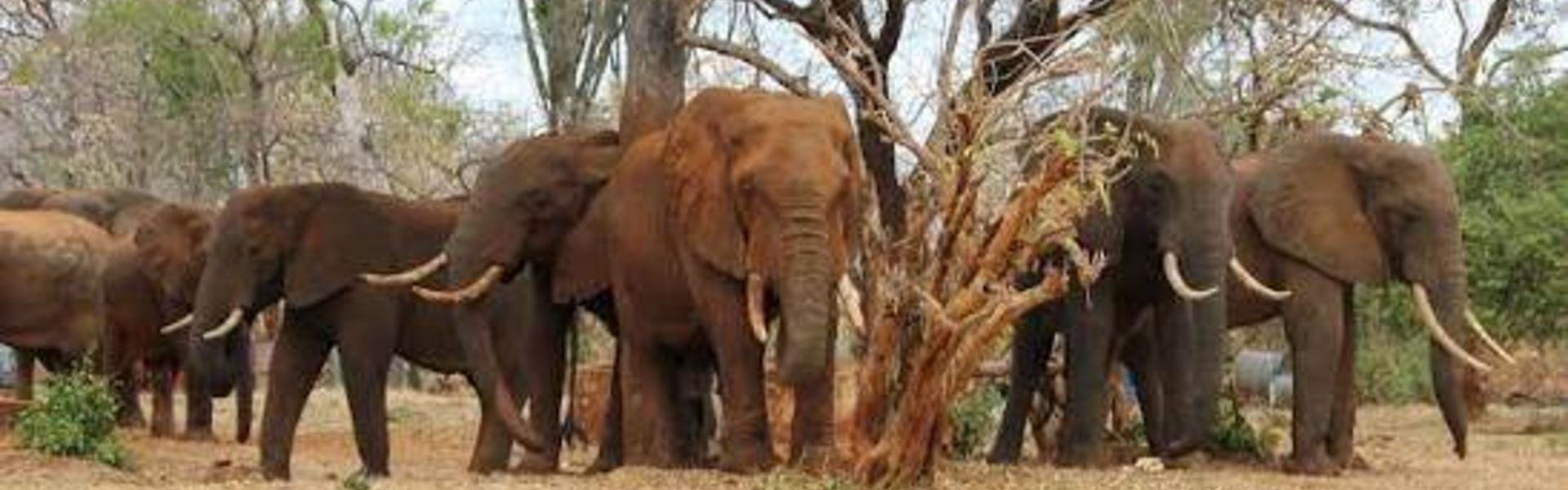
The Ultimate Guide to Ukutu Wildlife Area Safaris

A Wildlife Management Area (WMA) is a community-based conservation initiative in Tanzania where villages collectively set aside land for wildlife protection and sustainable use. The concept is rooted in Community-Based Natural Resource Management (CBNRM), aiming to:
- Conserve wildlife outside core protected areas
- Empower local communities to benefit economically from wildlife-related enterprises
- Promote sustainable land use and ecological resilience
Establishment of Ukutu (Jukumu) WMA.
Ukutu WMA, officially known as JUKUMU, is one of Tanzania’s pioneering WMAs. Here's how it came into being:
Timeline & Background.
- Early 2000s: The Tanzanian government initiated the WMA program to decentralize wildlife management.
- 2003: Ukutu (JUKUMU) was among the first 16 pilot WMAs established to test the viability of community-led conservation.
Location & Composition.
- Ukutu WMA is located in eastern Tanzania, encompassing several villages that agreed to allocate communal land for wildlife conservation.
- The name JUKUMU is an acronym derived from the Swahili word meaning “responsibility,” reflecting the community’s role in managing the area.
Legal Framework.
- The WMA was formalized under Tanzania’s Wildlife Policy (2007) and subsequent regulations that granted communities user rights over wildlife resources.
- This legal recognition allowed JUKUMU to enter into tourism and conservation partnerships, generating income for local development.
Goals and Impact.
Ukutu WMA was established with the following objectives:
- Conservation: Protect biodiversity and wildlife corridors linking national parks and reserves.
- Livelihoods: Create income through eco-tourism, guiding, and wildlife-related enterprises.
- Governance: Strengthen local institutions to manage natural resources sustainably.
Ukutu WMA has contributed to:
- Reduced poaching and habitat degradation
- Increased community awareness and participation in conservation
- Revenue generation through tourism and conservation grants
WHY IT’S CALLED THAT.
· The name Ukutu (JUKUMU) Wildlife Management Area carries both geographic and symbolic significance:
Why "Ukutu"?
Ukutu refers to the geographical area where the WMA is located. It encompasses a cluster of villages in eastern Tanzania that collectively designated part of their communal land for wildlife conservation. This name helps identify the WMA within the broader network of WMAs across the country.
Why "JUKUMU"?
JUKUMU is a Swahili word meaning “responsibility.” It’s also used as an acronym for the community-based organization that manages the WMA. The name reflects the core philosophy behind WMAs:
- That local communities take responsibility for managing and protecting wildlife
- That they benefit directly from sustainable use of natural resources
By naming the WMA “JUKUMU,” the member villages emphasize their commitment to stewardship and their role in ensuring the success of conservation efforts.
Symbolism of the Combined Name
Calling it Ukutu (JUKUMU) blends:
- Place-based identity (Ukutu)
- Community-driven mission (JUKUMU)
This dual naming reinforces the idea that conservation is both locally rooted and collectively owned.
LOCATION AND ACCESSIBILITY.
Location of Ukutu (JUKUMU) WMA.
- Geographic Coordinates: Approximately latitude -7.33758, longitude 37.90223
- Region: Located in eastern Tanzania, within the Morogoro Region
- Size: Covers an estimated 750 to 1,669 square kilometers, depending on the source of measurement
- Ecological Context: Ukutu WMA lies within a vital wildlife corridor that connects Selous Game Reserve (now part of Nyerere National Park) with surrounding ecosystems. This makes it a critical area for wildlife movement and biodiversity conservation.
Accessibility.
Ukutu WMA is relatively accessible due to its proximity to major infrastructure.
- Road Access: The area is reachable via the Dar es Salaam–Morogoro highway, followed by feeder roads leading to the WMA villages.
- Nearest Urban Center: Morogoro town, a key regional hub, is the closest major town offering lodging, supplies, and transport services.
- Public Transport: Buses and local transport (dala-dala) connect Morogoro to nearby villages, although access to the interior of the WMA may require private or hired vehicles.
- Tourism Access: Tour operators often include Ukutu WMA in itineraries that explore the southern circuit, especially for visitors heading to Nyerere National Park.
Strategic Importance.
· Ukutu WMA’s location is ecologically strategic:
- It serves as a buffer zone to protect core wildlife areas
- It maintains connectivity between protected areas through wildlife corridors
- It supports community-based tourism, offering cultural and nature-based experiences
TRANSPORTATION.
· Transportation and access infrastructure for the Ukutu (JUKUMU) Wildlife Management Area:
Road Transportation.
Ukutu WMA is accessible primarily by road, with the following key routes:
- Dar es Salaam–Morogoro Highway: This major tarmac road connects Tanzania’s largest city to Morogoro town, which serves as a gateway to Ukutu WMA.
- Feeder Roads: From Morogoro, travelers use gravel and dirt roads to reach the villages within the WMA. These roads may be challenging during the rainy season but are generally passable with 4x4 vehicles.
- Village Access: The WMA comprises multiple villages, each with local roads that connect to the main conservation zones. These roads are used by residents, tourists, and conservation teams.
Public Transport.
- Buses and Dala-Dalas: Regular bus services operate between Dar es Salaam and Morogoro. From Morogoro, dala-dalas (minibuses) and motorcycle taxis (bodabodas) provide access to nearby villages.
- Tour Operators: Many eco-tourism operators offer guided trips that include transportation to and within Ukutu WMA, often as part of southern circuit safari packages.
Air Travel (Indirect).
While Ukutu WMA does not have its own airstrip, nearby options include:
- Morogoro Airstrip: Suitable for charter flights from Dar es Salaam or other regions.
- Julius Nyerere International Airport (Dar es Salaam): The nearest major airport, about 200–250 km from Ukutu WMA.
From these airports, visitors typically continue by road to reach the WMA.
Seasonal Considerations.
- Dry Season (June–October): Roads are more accessible, making it the best time for travel and tourism.
- Rainy Season (March–May): Some feeder roads may become muddy or impassable, requiring high-clearance vehicles or alternate routes.
ACCOMMODATION.
Accommodation options and lodging context within and around the Ukutu (JUKUMU) Wildlife Management Area:
Accommodation Within Ukutu WMA.
· Ukutu WMA is still developing its tourism infrastructure, but it offers basic and eco-friendly lodging options that align with its community-based conservation goals:
Community-Run Campsites: Some villages within the WMA operate simple campsites for visitors. These may include:
- Tent platforms or open camping areas
- Basic sanitation facilities (pit latrines, bucket showers)
- Local meals prepared by village cooks
- These campsites are designed to provide an authentic experience while generating income for local communities.
Eco-Lodges (Emerging): A few eco-lodges or guesthouses may be under development or operated in partnership with conservation NGOs or private investors. These typically offer:
- Rustic but comfortable rooms
- Solar power and rainwater harvesting
- Guided nature walks and cultural tours
Nearby Accommodation Options.
For travelers seeking more developed lodging, nearby towns and reserves offer a range of choices:
- Morogoro Town (about 2–3 hours away):
- Hotels and guesthouses with modern amenities
Popular for staging safaris into Ukutu and surrounding areas
- Selous/Nyerere National Park:
- High-end safari lodges and tented camps
- Often included in southern circuit itineraries that pass through Ukutu WMA
Booking and Logistics.
- Advance Booking: Since Ukutu WMA is less commercialized, it’s best to arrange accommodation through:
- Local tour operators
- Conservation organizations working in the area
- Village leadership or JUKUMU management office
- Tour Packages: Many eco-tourism packages include lodging, meals, and guided activities, making it easier for visitors to explore the WMA without logistical challenges
UNIQUE FEATURES.
The unique features that make the Ukutu (JUKUMU) Wildlife Management Area stand out among Tanzania’s community-based conservation zones:
1. Strategic Ecological Location.
- Ukutu WMA lies within a critical wildlife corridor connecting Nyerere National Park (formerly Selous Game Reserve) to surrounding ecosystems.
- This location supports the seasonal migration of elephants, buffalo, antelope, and other species, making it vital for regional biodiversity conservation.
2. Community-Led Governance (JUKUMU).
- The WMA is managed by a local community organization called JUKUMU, which stands for “responsibility” in Swahili.
- This reflects a grassroots governance model, where villages collectively make decisions about land use, conservation, and benefit-sharing.
- JUKUMU empowers communities to own and manage wildlife resources, promoting accountability and local stewardship.
3. Cultural Integration and Eco-Tourism.
- Ukutu WMA offers cultural tourism experiences, including village visits, traditional dances, and local cuisine.
- Visitors can engage with Maasai and other ethnic communities, gaining insight into indigenous conservation practices and lifestyles.
- Eco-tourism is designed to be low-impact and community-benefiting, with revenues reinvested into local development.
4. Conservation and Livelihood Synergy.
- Ukutu WMA is a model for balancing conservation with poverty alleviation.
- Income from tourism, wildlife viewing, and conservation grants supports:
- Education
- Health services
- Infrastructure development
- This dual focus helps build community support for conservation while improving quality of life.
5. Rich Biodiversity.
- The area hosts a variety of wildlife including:
- Elephants, giraffes, zebras, wildebeest
- Predators like lions and leopards
- Numerous bird species and reptiles
Its diverse habitats—woodlands, grasslands, and riverine areas—make it a prime location for wildlife viewing and research.
6. Early Pioneer in WMA Movement.
- Ukutu (JUKUMU) was among the first 16 pilot WMAs established in Tanzania in 2003, making it a trailblazer in community-based conservation.
- Its experiences have helped shape national policies and best practices for other WMAs across the country.
TOURISM EXPERIENCE AND ACTIVITIES.
Tourism experience and activities available at the Ukutu (JUKUMU) Wildlife Management Area in Tanzania:
1. Wildlife Viewing and Safaris.
· Ukutu WMA offers authentic wildlife encounters in a community-managed setting. Visitors can expect to see:
- Elephants, giraffes, zebras, wildebeest, buffalo
- Predators such as lions, leopards, and hyenas
- A rich variety of bird species, reptiles, and small mammals
ü Game drives are typically guided by local rangers, offering insights into animal behavior and conservation efforts.
2. Walking Safaris and Nature Trails.
Unlike national parks where walking safaris are restricted, Ukutu WMA allows for guided nature walks:
- Explore woodlands, savannahs, and riverine habitats on foot
- Learn about medicinal plants, animal tracks, and local ecology
- Engage with trained community scouts who share indigenous knowledge
· This immersive experience brings visitors closer to nature and the local way of life.
3. Cultural Tourism.
Ukutu WMA integrates cultural experiences into its tourism offerings:
- Visit local villages to learn about traditional lifestyles, farming, and crafts
- Participate in Maasai dances, storytelling, and ceremonies
- Enjoy home-cooked meals and interact with community members
These activities foster cross-cultural understanding and support local livelihoods.
4. Birdwatching and Photography.
The WMA is a haven for birdwatchers and photographers, with diverse habitats attracting:
- Waterfowl, raptors, and migratory species
- Colorful endemic birds like bee-eaters, hornbills, and kingfishers
Early morning and late afternoon walks are ideal for capturing the beauty of the landscape and its wildlife.
5. Camping and Eco-Lodging.
Visitors can stay in community-run campsites or eco-lodges, offering:
- Rustic accommodations with minimal environmental impact
- Opportunities to stargaze, enjoy campfire storytelling, and connect with nature
- A peaceful alternative to commercial safari lodges
These facilities are designed to generate income for local communities while promoting sustainable tourism.
6. Conservation Education and Volunteering.
Ukutu WMA welcomes researchers, students, and volunteers interested in:
- Wildlife monitoring and habitat restoration
- Environmental education programs
- Supporting community development initiatives
· This makes it a valuable destination for educational tourism and citizen science.
· Ukutu WMA offers a unique blend of wildlife, culture, and community engagement, making it a rewarding destination for travelers seeking meaningful experiences
BENEFITS OF LOCAL COMMUNITY.
Benefits local communities derive from the Ukutu (JUKUMU) Wildlife Management Area (WMA):
1. Economic Empowerment.
Ukutu WMA provides direct financial benefits to member villages through:
- Tourism Revenue: Income from eco-tourism activities such as guided wildlife tours, cultural experiences, and camping fees.
- Conservation Grants: Support from NGOs and government programs aimed at improving infrastructure and conservation capacity.
- Employment Opportunities: Jobs for local residents as rangers, guides, cooks, staff within the WMA.
These income streams help reduce poverty and promote sustainable development.
2. Social Development.
Revenue generated from Ukutu WMA is often reinvested into community services, including:
- Education: Building and maintaining schools, providing scholarships, and supporting teacher salaries.
- Healthcare: Funding clinics, medicine supplies, and health outreach programs.
- Water and Sanitation: Improving access to clean water and sanitation facilities.
· This creates a tangible link between conservation and improved quality of life.
3. Land Use Rights and Resource Ownership.
Through the WMA framework, communities gain legal user rights over wildlife resources on their land. This means:
- Villages can control and benefit from wildlife-related enterprises
- They have a voice in land-use decisions, reducing external exploitation
- It fosters a sense of ownership and responsibility for conservation outcomes
4. Reduced Human-Wildlife Conflict.
· Ukutu WMA helps mitigate conflict between people and wildlife by:
- Establishing buffer zones and corridors that guide animal movement away from farms
- Training communities in conflict resolution and wildlife monitoring
- Providing compensation mechanisms or support when damage occurs
· This promotes coexistence and reduces antagonism toward conservation efforts.
5. Capacity Building and Governance.
The WMA model strengthens local governance structures through:
- Training in natural resource management, financial accountability, and leadership
- Formation of community-based organizations like JUKUMU, which manage the WMA
- Encouraging participatory decision-making and transparency
This builds long-term resilience and self-reliance within the community.
CHALLENGES,SOLUTIONS AND OPPORTUNITIES.
Challenges, solutions, and opportunities associated with the Ukutu (JUKUMU) Wildlife Management Area, based on broader insights from Tanzania’s WMA framework:
Challenges.
1. Decline in Tourism Revenue.
- Ukutu WMA, like many others, relies heavily on income from photographic and hunting tourism.
- Events like the COVID-19 pandemic caused a sharp drop in tourist visits, leading to reduced funding for conservation and community benefits.
2. Human-Wildlife Conflict.
- Wildlife sometimes damages crops or threatens livestock, creating tension between conservation goals and community livelihoods.
3. Limited Infrastructure.
- Poor road networks, basic lodging facilities, and lack of marketing limit the WMA’s appeal to tourists.
- This affects its ability to generate consistent income.
4. Governance and Capacity Gaps.
- Some community organizations lack the administrative skills or transparency needed to manage funds and operations effectively.
- Conflicts over land use and benefit-sharing can arise among member villages.
5. Dependence on External Funding.
- Many WMAs, including Ukutu, depend on donor support or government grants, which may not be sustainable long-term.
Solutions.
1. Diversifying Revenue Streams.
- Encouraging alternative income sources such as cultural tourism, handicrafts, and conservation education programs.
- Promoting domestic tourism to reduce reliance on international visitors.
2. Strengthening Governance.
- Training JUKUMU leaders in financial management, transparency, and conflict resolution.
- Establishing clear benefit-sharing mechanisms among villages.
3. Improving Infrastructure.
- Investing in better roads, signage, and eco-lodges to attract more tourists.
- Partnering with private investors and NGOs to co-develop tourism facilities.
4. Community Engagement and Education.
- Raising awareness about the long-term benefits of conservation.
- Involving youth and women in decision-making and tourism activities.
5. Policy and Legal Support.
- Advocating for supportive national policies that empower WMAs and reduce bureaucratic hurdles.
- Strengthening land tenure and wildlife user rights for communities.
Opportunities.
1. Ecotourism Growth.
- Ukutu WMA’s location near Nyerere National Park positions it well for inclusion in southern circuit safari packages.
- Growing interest in authentic, community-based travel experiences can be leveraged.
2. Conservation Partnerships.
- Opportunities to collaborate with NGOs, universities, and conservation agencies for research, funding, and technical support.
3. Youth and Women Empowerment.
- Tourism and conservation activities can create jobs and leadership roles for marginalized groups.
4. Landscape-Level Conservation.
- Ukutu WMA contributes to ecological connectivity across eastern Tanzania, making it a key player in regional biodiversity strategies.
5. Policy Recognition.
- National strategies now emphasize scaling up successful WMAs like Ukutu, offering a platform for replication and support.
CONCLUSION.
· The Ukutu (JUKUMU) Wildlife Management Area stands as a pioneering example of community-based conservation in Tanzania. Established as one of the first pilot WMAs, it embodies the principle that local communities can be effective stewards of wildlife and natural resources when empowered with rights, responsibilities, and economic incentives.
· Despite facing challenges such as declining tourism revenue, human-wildlife conflict, and limited infrastructure, Ukutu WMA continues to offer a viable model for sustainable development. It provides tangible benefits to local communities—ranging from income generation and employment to improved education and healthcare—while safeguarding critical wildlife corridors and habitats.
· The future of Ukutu WMA lies in its ability to adapt and innovate. By diversifying its tourism offerings, strengthening governance, and building resilient funding mechanisms, it can thrive even amid global uncertainties. As Tanzania moves forward with its national strategy for WMAs, Ukutu (JUKUMU) remains a beacon of possibility, demonstrating how conservation and community development can go hand in hand.