
The Ultimate Guide to Kilwa Kisiwani & Songo Mnara Safaris

A long time ago, when big ships sailed the Indian Ocean. These ships carried gold, silver, cloth, and spices. They stopped at special places along the coast of East Africa. Two of these very special places were Kilwa Kisiwani and Songo Mnara.
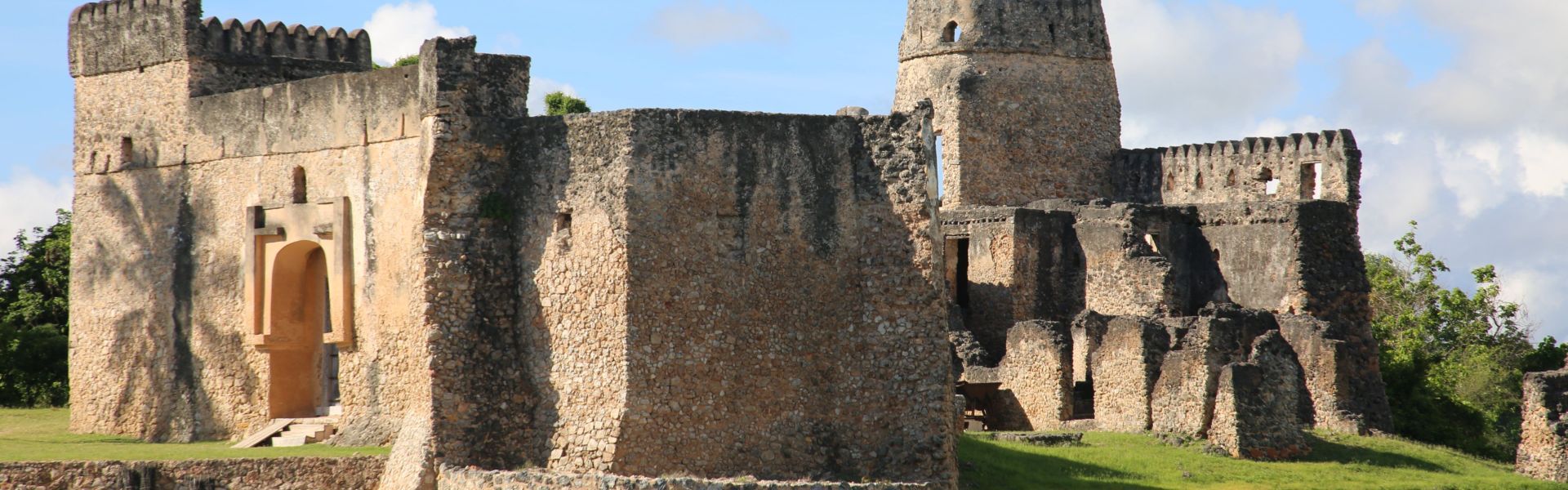
Today, Kilwa Kisiwani and Songo Mnara are ruins. This means they are old buildings that are broken or partly destroyed. But even as ruins, they tell us amazing stories about a rich and powerful past. They were once busy cities, full of life and trade.
Because they are so important for understanding history, the United Nations (UN) organization called UNESCO has made them World Heritage Sites. This means they are special places that belong to all people in the world, and we must protect them.
This report will tell you more about these wonderful ruins: what makes them special, how they started, where they are, how people visit them, how they help local people, the problems they face, and what good things can still happen there.
UNIQUE FEATURES.
Kilwa Kisiwani and Songo Mnara are unique because they show us the special Swahili culture. Swahili culture is a mix of African traditions and influences from Arab, Persian, and Indian traders. This mix created a very special way of life, with unique buildings, art, and trade.
Some unique features;
Amazing Buildings (Architecture).
The buildings at Kilwa and Songo Mnara are made from coral stone and mangrove poles. They are very strong and beautiful. They show a mix of styles:
● Coral Stone: This is rock from the sea, cut into blocks. It was used for walls and foundations.
● Lime Mortar: This is a special mix, like cement, made from burnt coral. It held the stones together.
● Mangrove Poles: These strong wooden poles from mangrove trees were used for roofs and floors.
The buildings had special arches, courtyards, and decorated walls.
Important Structures at Kilwa Kisiwani.
Kilwa Kisiwani was the bigger city, It has many important ruins:
● The Great Mosque: This is one of the oldest and biggest mosques (Muslim prayer houses) in East Africa. It has beautiful domes and pillars. People prayed here, and it was a center for the community.
● Husuni Kubwa: This was a very large palace or royal residence. It had many rooms, a large swimming pool, and beautiful views of the ocean. It shows how rich and powerful the rulers of Kilwa were.
● The Palace of Makutani: This was another large palace, built later. It has strong walls and towers, showing a time when Kilwa needed more protection.
● The Gereza (Prison): This was a strong fort built by the Portuguese when they tried to control Kilwa. It shows a different part of Kilwa's history, when European powers arrived.
● Many Houses and Tombs: All around the island, you can see the remains of many houses, big and small. There are also many tombs (graves) of important people, some with beautiful carvings.
Important Structures at Songo Mnara.
Songo Mnara is a smaller island near Kilwa Kisiwani. It was like a rich suburb or a smaller, planned town. Its unique features include:
● Five Mosques: Songo Mnara has five mosques, which is a lot for a small place. This shows how important religion was.
● A Palace Complex: There is also a palace here, with many rooms and courtyards, showing the wealth of its residents.
● Many Stone Houses: The houses here are well-preserved and show a clear layout of a town. They had courtyards and often multiple rooms.
● Unique Decorative Niches: Some walls have special small spaces called niches. These were used to put lamps or decorations. They are a unique feature of Swahili architecture.
Old Coins and Pottery.
When people dig at the ruins, they find many old things. They find old coins from Kilwa, showing its own money system. They also find pieces of pottery (broken pots and dishes) from China, India, and the Middle East. This shows how far Kilwa traded and how connected it was to the rest of the world.
ESTABLISHMENT OF KILWA KISIWANI & SONGO MNARA.
The story of Kilwa Kisiwani and Songo Mnara started many centuries ago, around the 9th or 10th century.
Early Beginnings.
At first, these were small fishing villages. But their location was perfect for trade. They were on islands, which made them safe from attacks from the mainland. They also had good harbors where ships could stop easily.
The Rise of Trade.
Over time, more and more traders came to East Africa. They came from Arabia, Persia (modern-day Iran), India, and even China. They brought goods like cloth, beads, and pottery. They wanted goods from Africa, like gold, ivory (elephant tusks), and slaves.
Kilwa became the most important trading city in East Africa. It controlled the gold trade from the distant mines of Great Zimbabwe. This made Kilwa very rich and powerful.
The Golden Age (13th to 15th Century).
The 13th to 15th centuries were the "golden age" of Kilwa. This was when it was at its richest and most powerful.
● Sultans: Kilwa was ruled by powerful leaders called Sultans. They built the grand mosques and palaces. They had a strong army and navy.
● Wealth: The city was full of beautiful houses, busy markets, and rich people. It was known for its beautiful gold jewelry and fine clothes.
● Cultural Mix: People from different parts of the world lived in Kilwa. They brought their ideas, religions, and ways of life. This created the rich Swahili culture we see in the buildings and artifacts. Islam became the main religion, and many mosques were built.
Songo Mnara grew as a smaller, wealthy town, probably home to rich merchants or members of the royal family from Kilwa.
The Decline.
In the early 16th century, the Portuguese arrived. They were European sailors looking for new trade routes. They attacked Kilwa and built a fort (the Gereza). This greatly weakened Kilwa's trade and power.
Later, other groups like the Omani Arabs and then the Germans and British controlled the area. Kilwa's importance slowly faded away. People left, and the once-great cities became ruins, covered by plants and sand.
LOCATION AND ACCESSIBILITY.
The Ruins of Kilwa Kisiwani and Songo Mnara are located in Tanzania, a country in East Africa.
Geographical Location.
● They are on two separate islands, Kilwa Kisiwani Island and Songo Mnara Island.
● These islands are located just off the coast of the Indian Ocean.
● They are part of the Kilwa District in the Lindi Region of southern Tanzania.
Nearest Town.
The nearest town on the mainland is Kilwa Masoko. This is a small, quiet town that serves as the main gateway to the islands.
How to Get There.
Getting to the ruins requires a bit of travel:
To Kilwa Masoko:
○ By Road: You can travel by bus or private car from Dar es Salaam (the biggest city in Tanzania) or other major towns like Lindi or Mtwara. The roads can be rough, especially during the rainy season.
○ By Air: There is a small airstrip near Kilwa Masoko, and sometimes small planes fly there from Dar es Salaam.
From Kilwa Masoko to the Islands:
○ Once you are in Kilwa Masoko, you need to take a boat to reach Kilwa Kisiwani and Songo Mnara.
○ Local boats, often small wooden dhows, are used for this short journey across the water.
○ It's best to arrange your boat trip with a local guide or your guesthouse in Kilwa Masoko.
The journey to the islands is beautiful, with views of the clear blue ocean and mangrove trees.
TRANSPORTATION.
Once you are on Kilwa Kisiwani or Songo Mnara, there are no cars or big roads.
● Walking: The best way to explore the ruins is by walking. The islands are not very big, and walking allows you to see all the details of the ruins and enjoy the natural beauty.
● Local Guides: It is highly recommended to have a local guide. They know the history of each ruin, where to find everything, and can tell you interesting stories. They also help you navigate the paths.
● Boat between Islands: If you want to visit both Kilwa Kisiwani and Songo Mnara on the same day, your boat from Kilwa Masoko will take you to both. The journey between the two islands is short.
Remember to wear comfortable shoes, a hat, and bring water, as it can be hot and sunny.
ACCOMMODATION.
There are limited options for staying directly on Kilwa Kisiwani or Songo Mnara islands. Most visitors choose to stay in the nearby mainland town of Kilwa Masoko.
Accommodation in Kilwa Masoko.
Kilwa Masoko has a few guesthouses and small hotels. They are usually simple but comfortable.
● Guesthouses: These are smaller, locally-owned places. They offer basic rooms, sometimes with fans or air conditioning. They are a good way to experience local life.
● Small Hotels/Lodges: There are a few slightly larger lodges, some with views of the ocean. They might offer more facilities like a restaurant.
It's a good idea to book your accommodation in advance, especially during peak travel seasons.
No Accommodation on the Ruins Islands.
Staying on the islands themselves is generally not possible. The islands are protected historical sites, and there are no hotels or guesthouses built there to preserve the ruins and the natural environment. Most people visit the ruins as a day trip from Kilwa Masoko.
BENEFITS OF LOCAL COMMUNITIES.
The Ruins of Kilwa Kisiwani and Songo Mnara bring many benefits to the local people living in Kilwa Masoko and the surrounding villages.
Jobs and Income.
● Tour Guides: Many local people work as official tour guides. They are trained to tell visitors about the history and importance of the ruins. This gives them a steady income.
● Boat Operators: People who own and operate boats for transport to the islands earn money from tourists.
● Guesthouse Workers: Local people work in the guesthouses and small hotels in Kilwa Masoko, as cleaners, cooks, and receptionists.
● Restaurant and Shop Workers: Tourists buy food, drinks, and souvenirs, creating jobs in local restaurants and shops.
Selling Local Crafts and Products.
● Artisans: Local artists and craftspeople make beautiful items like carved wooden figures, woven baskets, and jewelry. Tourists buy these as souvenirs, which helps the artisans earn money and keep their traditional skills alive.
● Fishermen: Local fishermen sell their fresh catch to guesthouses and restaurants that serve tourists.
Infrastructure Development.
● Roads and Electricity: When tourism grows, the government and other organizations sometimes invest in better roads, electricity, and water supply in the area. This benefits everyone, not just tourists.
● Communication: Mobile phone networks and internet access might improve due to tourist demand, which helps local communication.
Cultural Preservation.
● Pride in History: When people from all over the world come to see the ruins, it makes local people proud of their history and heritage. This encourages them to protect their culture.
● Knowledge Transfer: Local guides and elders share their knowledge of the history and traditions with younger generations, keeping the stories alive.
Support for Local Businesses.
The money spent by tourists directly supports many small local businesses, helping the local economy grow.
CHALLENGES AND SOLUTIONS.
Even though Kilwa and Songo Mnara are amazing, they face some big challenges.
Preservation of the Ruins.
● Problem: The ruins are very old and fragile. Rain, wind, and the salty air from the ocean slowly damage the stone. Plants grow on the walls and break them apart. Also, sometimes people might take pieces of the ruins.
● Solution:
○ Regular Maintenance: Experts need to regularly check and repair the ruins. They can remove damaging plants and fix broken walls using special techniques that don't harm the old stones.
○ Guards and Rules: Having guards at the sites and clear rules for visitors (like "don't touch the walls") can prevent damage.
○ Education: Teaching local people and visitors about the importance of protecting the ruins can help.
Climate Change and Sea Level Rise.
● Problem: The islands are low-lying, close to the sea. With climate change, the sea level is slowly rising. This means more floods and erosion (when the sea washes away the land). The ruins are very close to the water, so they are in danger.
● Solution:
○ Monitoring: Scientists need to carefully watch the sea level and how it affects the islands.
○ Protective Barriers: In some places, special walls or natural barriers might be built to protect the most important ruins from the sea.
○ Research: More research is needed to find the best ways to protect coastal heritage sites from rising seas.
Limited Infrastructure.
● Problem: The area around Kilwa Masoko and the islands has limited infrastructure. This means there might be problems with:
○ Roads: Roads can be rough, especially in the rainy season, making it hard for visitors to reach.
○ Electricity and Water: Sometimes, electricity can be unstable, and clean water might not always be easily available.
○ Healthcare: Medical facilities are basic.
● Solution:
○ Government Investment: The government needs to invest more in improving roads, electricity, and water supply in the region.
○ Community Projects: Local communities and NGOs (non-governmental organizations) can work together to improve basic services.
○ Sustainable Tourism: Encouraging tourism that respects the environment and uses local resources wisely can help fund these improvements.
Lack of Awareness and Funding.
● Problem: Many people, even in Tanzania, don't know much about Kilwa and Songo Mnara. This means fewer visitors and less money to protect the sites.
● Solution:
○ Promotion: More marketing and promotion are needed to tell the world about these amazing sites. This can be done through websites, documentaries, and tourism fairs.
○ International Funding: UNESCO and other international organizations can provide money and expertise to help preserve the sites.
○ Local Involvement: Involving local people in managing and promoting the sites can make them more sustainable.
OPPORTUNITY.
Despite the challenges, there are many good opportunities for Kilwa Kisiwani and Songo Mnara.
Sustainable Tourism Development.
● Opportunity: Kilwa can become a model for sustainable tourism. This means tourism that helps the local people and protects the environment and history, without harming them.
● Benefit: More visitors mean more jobs and income for locals, but in a way that is good for the long term. This can include eco-lodges, responsible tour operators, and community-based tourism.
Community Empowerment and Education.
● Opportunity: Local communities can be more involved in managing the sites and tourism. Education programs can teach local children about their heritage.
● Benefit: This gives local people more power and ensures that the benefits of tourism stay within the community. It also creates a new generation of people who care about and protect the ruins.
Digital Preservation and Virtual Tours.
● Opportunity: Using modern technology, like 3D scanning and virtual reality, to create digital copies of the ruins.
● Benefit: This can help preserve the sites digitally for the future, even if physical parts are lost. It also allows people from all over the world to "visit" the ruins online, even if they cannot travel there.
Link with Other Historical Sites.
● Opportunity: Kilwa can be promoted as part of a larger historical "route" along the Swahili coast, connecting it with other important sites like Zanzibar or Dar es Salaam.
● Benefit: This can attract more tourists who are interested in the history of the region.
CONCLUSION.
The Ruins of Kilwa Kisiwani and Songo Mnara are truly a treasure. They are not just old stones; they are a window into a rich and important past. They tell us about powerful African kingdoms, global trade, and the mixing of cultures that created the unique Swahili civilization.
These sites are important not only for Tanzania but for the whole world. They remind us of how connected different parts of the world were, even centuries ago.
To ensure that future generations can also learn from these amazing ruins, it is very important to:
● Protect them from damage: Keep the stones strong and clean.
● Protect them from the sea: Find ways to stop the rising ocean from harming them.
● Support the local community: Make sure tourism helps the people who live there.
● Tell their story: Share the history of Kilwa and Songo Mnara with more and more people around the globe.
By working together, we can ensure that the great history of Kilwa Kisiwani and Songo Mnara continues to inspire and educate for many centuries to come. They stand as a powerful reminder of a glorious past and a call to protect our shared heritage.