
The Ultimate Guide to Udzungwa Safaris

Udzungwa Mountains National Park stands as a globally significant biodiversity hotspot and a premier destination for nature-based tourism in Tanzania. Unlike conventional safari parks, Udzungwa offers an unparalleled focus on forest-based exploration, emphasizing hiking, trekking, and intimate encounters with its unique flora and fauna. Its ecological heritage is rooted in millions of years of climatic stability, fostering an extraordinary level of endemism that has earned it the moniker "African Galapagos."
The park's profound historical and ecological context, its precise geographical attributes, and the array of truly distinctive natural and cultural experiences available to visitors, positioning Udzungwa as an indispensable component of global conservation efforts and a unique offering in the ecotourism landscape.
Udzungwa's Place in Global Conservation.
Udzungwa Mountains National Park represents a critical jewel within Tanzania's extensive network of protected areas, distinguished by its exceptional global biodiversity and its unique approach to visitor engagement. Situated within the ancient Eastern Arc Mountains, Udzungwa is not a destination for traditional game drives but rather a sanctuary for immersive, foot-based exploration, inviting visitors to delve deep into its primeval forests.
This report aims to provide a comprehensive understanding of Udzungwa's "long context," tracing its historical and ecological evolution; its precise "location," detailing its geographical and topographical features; and the array of "unique experiences" it offers, from unparalleled biodiversity encounters to profound cultural interactions.
The objective is to furnish an expert audience, including conservation professionals, specialized tour operators, and academic researchers, with in-depth, reliable, and scientifically grounded information to inform their strategic decisions and enhance their appreciation of this remarkable natural heritage.
Historical Roots and Ecological Evolution.
The formal establishment of Udzungwa Mountains National Park in 1992 marked a pivotal moment in its conservation trajectory. This designation represented a significant upgrade from its origins as five distinct forest reserves, which had been established much earlier, in the early 1950s. This progression from localized reserves to a nationally recognized park underscores a growing understanding and appreciation of the area's irreplaceable ecological value over several decades.
A testament to its international significance, the park was officially inaugurated by Prince Bernhard of the Netherlands, who was not only a former President but also the founder of the World Wildlife Fund for Nature (WWF).
This high-profile involvement from a leading global conservation organization from the park's very inception signals that its unique ecological attributes were recognized on a worldwide scale. The elevation of its status from forest reserves to a national park, coupled with such prominent international backing, implies a heightened level of protection and a strategic shift in management.
This transition typically confers stronger legal frameworks against resource exploitation, such as the historical timber harvesting that impacted parts of the Eastern Arc forests , and prioritizes biodiversity conservation alongside regulated ecotourism.
This deeper commitment reflects a more comprehensive understanding of the park's unique and irreplaceable value for both nature and sustainable human interaction.
The very name "Udzungwa" itself provides a profound cultural link to the region's human heritage. It is derived from "Wadsungwa" or "Wadzungwa," referring to one of the native sub-tribes of the "Hehe" people who historically inhabited the slopes of these mountains. This etymological connection immediately grounds the park's identity in the long-standing presence and traditions of the local communities.
The Eastern Arc Mountains: A Cradle of Endemism and Ancient Refugium.
Udzungwa Mountains National Park is an integral component of the Eastern Arc Mountains, an ancient chain stretching from the Taita Hills in Southern Kenya down to the Makambako gap in Southern Tanzania. This mountain range has earned evocative titles such as the "African Galapagos" and is recognized as one of the world's 34 "World Biodiversity Hotspots" and a "WWF Ecoregion of global critical importance".
These designations are attributed to its extraordinary diversity and exceptionally high numbers of endemic species , with the Eastern Arc collectively harboring an estimated 30-40% of Tanzania's endemic species.
The profound biological uniqueness of Udzungwa and the Eastern Arc is directly tied to their deep geological history and remarkable climatic stability. The forests within these mountains have existed for over 30 million years, once even connected to the vast Congo Basin. Crucially, the climate in this region is believed to have remained stable over millions of years, allowing these ancient forests to survive the driest and coldest periods of the last ice ages.
This long-term environmental consistency created a unique and persistent biological refugium. Unlike many other regions that experienced dramatic climatic shifts, the consistent conditions in the Eastern Arc allowed species to evolve in isolation over immense timescales. This prolonged evolutionary continuity fostered high rates of speciation and the survival of ancient, relictual lineages, directly contributing to the unparalleled endemism observed today.
The description of Udzungwa's "canopy [as] relatively unspoilt" further underscores this continuity. This makes Udzungwa not merely a site for species protection but a globally significant natural laboratory. Scientists actively study the species here to better understand fundamental processes of evolution, adaptation, and the overall health of these ancient ecosystems , providing invaluable insights into long-term ecological and evolutionary dynamics.
Cultural Heritage and Human-Nature Interplay.
The historical and cultural ties between the local communities and the Udzungwa Mountains are profound, deeply influencing the park's identity and its preservation. As previously noted, the name "Udzungwa" originates from the "Wadzungwa" sub-tribe of the Hehe people, who traditionally inhabited these mountain slopes.
This etymological link signifies a long-standing human presence and a deep cultural connection to the landscape.
Historically, the pristine biodiversity of the mountains has been preserved with minimal human disturbance, partly due to the influence of cultural beliefs and taboos held by local communities.
This traditional conservation ethic, often overlooked in modern conservation paradigms, highlights an inherent respect for nature embedded within local customs. Significant sacred areas, such as Bokela Mountain on the eastern side and Chavemba and Nyumbanitu on the western side, continue to be used by villagers for worship during times of hardship like famine, drought, and disease. These sites are living testaments to a continuing spiritual connection between the people and the land.
NB:
Beyond spiritual sites, the Udzungwa landscape also bears the marks of human history and resilience. The ancient Mwanalueve salt caves and the Magombelema caves, for instance, served as hide-outs for nearly 200 people during colonial wars. These historical sites add layers of human ingenuity, survival, and strategic importance to the natural landscape, offering unique opportunities for cultural tours that explore both the natural wonders and the rich human narrative intertwined with them.
Geographical Location.
Precise Location and Accessibility.
Udzungwa Mountains National Park is strategically located in South-central Tanzania, primarily within the Kilolo district, with a smaller portion, extending into the Kilombero district. It is an integral part of the Eastern Arc Mountains, a chain renowned for its unique biodiversity.
The park's geographical position is further defined by its proximity to other significant protected areas. It shares borders with Mikumi National Park to the Northeast, Ruaha National Park to the North, and Ruipa to the Southwest.
This strategic proximity offers considerable advantages for tourism, allowing for the development of combined safari itineraries that extend beyond traditional wildlife viewing.
Accessibility to Udzungwa is relatively straightforward. It is approximately 350 kilometers (215 miles) or a 5-hour drive from Dar es Salaam, Tanzania's former capital and largest city. For visitors already in Mikumi, the park is conveniently located just 65 kilometers (40 miles) southwest, making it an ideal extension to a Mikumi safari. While a longer journey, access from Arusha is also possible, typically taking around 12 hours by road.
The main drop-off point for hikers and visitors entering the park is Mang'ula, situated approximately 1 kilometer from the park entrance.
Udzungwa's strategic location, bordering other major national parks, positions it as a complementary destination that significantly broadens Tanzania's tourism appeal beyond its traditional safari circuits. Since Udzungwa is distinctively not a conventional game-viewing destination but rather focuses on immersive hiking and forest exploration, it provides a unique, contrasting experience to the typical "Big Five" safaris offered in Mikumi or Ruaha.
This allows tour operators to craft more diverse and multi-faceted itineraries, attracting a wider range of travelers, including those specifically seeking active adventures and deeper ecological engagement. This diversification ultimately enhances Tanzania's overall tourism product and expands its market reach.
Topography and Ecosystem Diversity.
The topography of Udzungwa Mountains National Park is characterized by rugged terrain and steep slopes , contributing significantly to its ecological diversity. The park encompasses a remarkable vertical height range, 2,576 meters at the peak of Luhomero. Mwanihana Peak is another prominent high point within the range.
A unique characteristic of Udzungwa within the Eastern Arc Mountains is its continuous, closed-canopy forest that spans altitudes from 250 meters to above 2,000 meters without interruption. This unbroken forest cover across such a wide altitudinal gradient is a key ecological feature, facilitating a broad spectrum of microclimates and supporting diverse species distributions.
The result is a rich mosaic of habitats, including tropical rainforests, mountain forests, miombo woodlands, grasslands, and steppes. The park's vegetation is incredibly diverse, influenced by these varying altitudes and climatic conditions. The montane forests, in particular, are noted for their lushness and exceptional biodiversity.
Udzungwa's significant altitudinal gradient and varied microclimates create a complex mosaic of habitats, which is a fundamental driver of its exceptional biodiversity. This environmental heterogeneity gives rise to a multitude of specific ecological niches, allowing an exceptionally high number of species, including many endemics, to thrive in narrow elevational bands.
The continuous forest cover across this gradient is particularly important because it provides potential corridors for species to shift their ranges in response to environmental changes, thereby enhancing ecosystem resilience. This makes Udzungwa an invaluable natural laboratory for studying the impacts of climate change on biodiversity. Researchers can observe how species distributions and ecosystem dynamics are affected by rising temperatures or altered precipitation patterns across different elevations.
This positions Udzungwa as a key site for environmental monitoring and climate change adaptation studies, adding a profound scientific and research dimension to its conservation importance.
Climatic Patterns and Optimal Visitation.
Udzungwa Mountains National Park is notable for receiving some of the highest amounts of rainfall in Tanzania. The park experiences a long rainy season from March to May, with additional precipitation around November. Short rains typically occur between December and February. Even during the dry season, higher elevations often experience mist and light rain, contributing to the lush environment.
The dry season, which spans from June to October, is generally considered the most convenient and optimal time for most mountain climbers and travelers to visit the park. During these months, trails are more accessible, and minimal rainfall ensures a more comfortable and safer hiking experience through the forest, as opposed to the wetter periods when trails can become muddy and slippery.
The park remains open and can be visited throughout the year , with specific benefits during the rainy season. This period, particularly between December and February, sees wild flowers flourish, an abundance of butterflies, and the presence of most migratory bird species. While the increased precipitation can make some roads and trails quite slippery, potentially influencing activity choices , the vibrant natural displays offer unique photographic opportunities.
Udzungwa's Unique Biodiversity.
Udzungwa Mountains National Park is celebrated for its extraordinary biodiversity, holding the distinction of having the second largest biodiversity of any national park in Africa. This remarkable richness is further underscored by the fact that the Eastern Arc Mountains, of which Udzungwa is a part of Tanzania's total mammal and plant species.
Flora: A Botanical Sanctuary.
The botanical diversity of Udzungwa is astounding, with the park protecting more than 2500 different plant species. A significant proportion of these are endemic to the area, with 50 species found nowhere else of all plant species being endemic to the park itself. More broadly, the Eastern Arc Mountains contain over 2,000 plant species, of which at least 800 are endemic.
Beyond their ecological importance, many of these plants hold significant cultural and practical value. The African violet stands out as a prominent example of the endemic flora , with 20 of its 21 species being endemic to the Eastern Arc.
Udzungwa also boasts the largest amount of forest cover within the Eastern Arc Mountains , an impressive feat given the increasing rates of deforestation observed in the broader region. This extensive forest cover contributes to the park's diverse vegetation types, which include lowland and montane rainforests, grasslands, and miombo woodlands.
The montane forests, in particular, are exceptionally rich in biodiversity.
Fauna: A Haven for Endemic Wildlife
Udzungwa's faunal diversity is equally remarkable, supporting a vast array of species, many of which are found nowhere else on Earth.
Primates: The Park's Signature Species.
Udzungwa has earned a unique reputation as the "primate park" , boasting Tanzania's richest primate diversity. Six species of primates have been recorded within the park , with a strong emphasis on its globally unique and endemic inhabitants.
The Iringa red colobus monkey (Procolobus gordonorum) is a flagship endemic species, found exclusively in Udzungwa. Similarly, the Sanje crested mangabey (Cercocebus sanjei) is another endemic primate, remarkably remaining undetected by biologists until its discovery in 1979. The park's ongoing biological discoveries, the near-endemic kipunji monkey (Rungwecebus kipunji).
A new genus and species, was only discovered as recently as 2004, with its known range including Udzungwa and the Southern Highlands. The park is also of exceptional importance for nocturnal primates, hosting six species of galagos, or bushbabies , including a distinct form of the Mountain galago (Galagoides orinus).
Avian Riches: A Birder's Dream.
Udzungwa Mountains National Park is truly a "paradise for bird watchers" , with an impressive record of over 400 bird species. Its avian wealth is so significant that it ranks as the second highest bird diversity area in Africa and is considered among the top three African mainland bird conservation areas or among the top ten most important bird conservation areas on the continent.
The park is home to several endemic and highly notable bird species. The Udzungwa Forest Partridge, discovered as recently as 1991, is particularly unique as it is more closely related to an Asian genus than to any other African fowl. The Rufous-winged Sunbird is another endemic found within the park. Other significant sightings include the lovely and readily located Green-headed Oriole , as well as various Eastern Arc endemics and larger raptors like the African Marabou, Crowned Eagle, Rüppell's Vulture, and African Hobby.
Rarer species such as the Yellow-throated Mountain Greenbul, Swynnerton's Robin, White-winged Apalis, Iringa Akalat, Moreau's Sunbird, Forest Double-collared Sunbird, Kipengere Seedeater, and Yellow-browed Seedeater also contribute to the park's exceptional avian appeal. Birdwatching can be enjoyed along all trails, roads, and throughout the forest, with park guides providing specific details on species locations and behaviors.
Other Mammals, Reptiles, Amphibians, and Insects.
While Udzungwa is not primarily a conventional game-viewing destination, it does host a significant community of larger mammals, particularly in its wilder western sections. These include elephants, buffalo, lion, leopard, African wild dog, and eland.
The park is also home to unique smaller mammals that underscore its exceptional biodiversity. These include the elusive grey-faced sengi and the recently described giant elephant-shrew (Rhynchocyon udzungwensis). Other mammals present include bushbucks, kudu, sable, various duikers (Red, Blue, and Abbots), civets, aardvarks, bushy-tailed mongoose, hyenas, porcupines, and hippos.
The herpetofauna of Udzungwa is equally remarkable, featuring several endemic reptile and amphibian species. These include the endemic Udzungwa lizards and the Bearded pygmy chameleon. The broader Udzungwa ecosystem, including the Udzungwa Scarp Forest Reserve, boasts 45 reptile species, with 20 endemic and 14 threatened, indicating a significant and vulnerable herpetofaunal diversity.
For entomological enthusiasts, the park is a treasure trove, particularly for butterflies. Udzungwa boasts over 250 species of butterflies, many of which are endemic. These vibrant insects are especially abundant during the short rainy season between December and February, when wild flowers flourish, creating a spectacular display.
u Experiencing Udzungwa: Activities and Immersive Adventures.
l Udzungwa Mountains National Park offers a distinct and immersive visitor experience, setting it apart from other Tanzanian parks. Its unique characteristic is the absence of roads within the park boundaries, meaning it is accessible only on foot.
This fundamental aspect ensures a truly "off-the-grid" and "true wilderness experience" with minimal human disturbance, fostering a profound connection with nature.
Hiking and Trekking: The Core Experience.
Hiking and trekking are the primary modes of exploration in Udzungwa, with a network of trails ranging in difficulty from short 20-minute strolls to challenging multi-day expeditions. This variety caters to different fitness levels and interests, allowing every visitor to find a suitable adventure.
Iconic Waterfalls: Sanje, Mwaya, and Prince Bernhard.
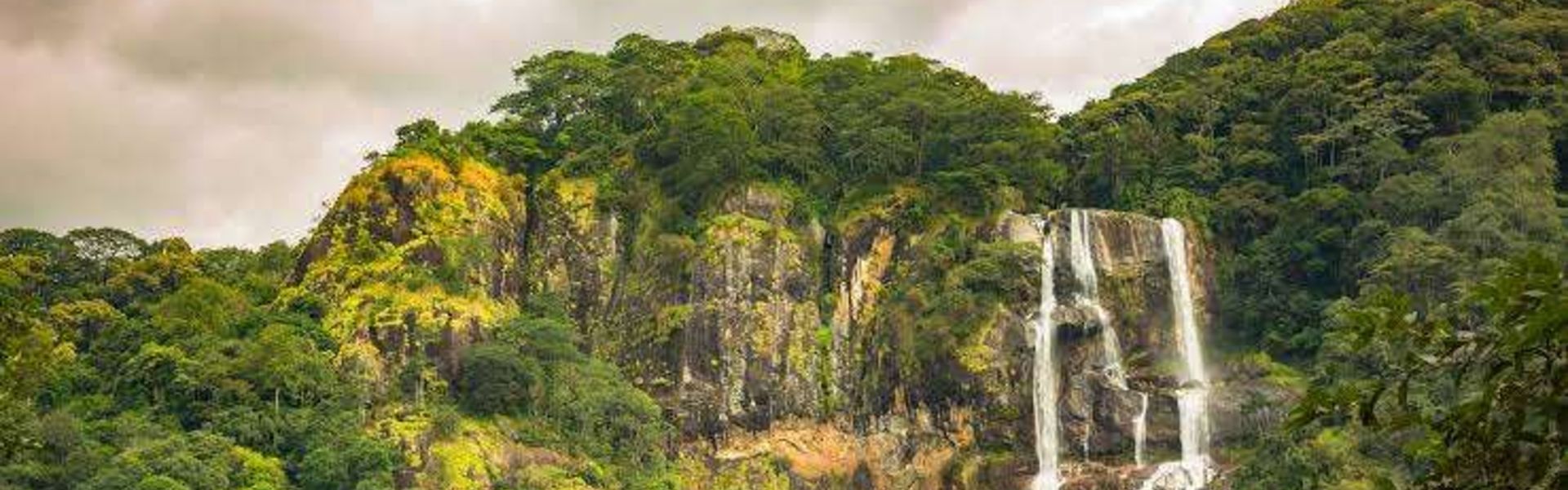
The most popular hiking destination within the park is the majestic Sanje Waterfall. This impressive cascade plunges 170 meters , and is often described as the tallest waterfall in Tanzania. The hike to Sanje Waterfall is considered moderately challenging, typically requiring 3-4 hours to reach the falls and another 2-3 hours for the return journey.
Upon arrival, visitors are greeted by an awe-inspiring spectacle of water plunging down cliffs, creating a misty spray and often a rainbow of colors in the sunlight, accompanied by the captivating sounds of rushing water.
Regarding swimming opportunities at Sanje Waterfall, some sources indicate the presence of natural pools ideal for cooling off, particularly at the base of the lower Sanje Waterfall. However, it is crucial to note that other sources explicitly advise against swimming due to strong currents and slippery rocks.
This discrepancy highlights the dynamic nature of natural environments and the critical importance of real-time, on-site guidance for visitor safety and responsible tourism. Conditions in natural settings can change rapidly due to factors like rainfall or seasonal water flow. Therefore, visitors must prioritize and strictly adhere to the advice provided by mandatory park guides, who possess the most current knowledge of terrain safety and environmental conditions. This reinforces the value and necessity of guided experiences in sensitive and potentially hazardous ecosystems, ensuring both visitor well-being and minimal ecological impact.
Beyond the base, the upper viewpoint of Sanje Waterfall offers a spectacular vista of the entire waterfall system and the expansive Kilombero Valley below , providing excellent photographic opportunities. In addition to Sanje, the park features other natural waterfalls, including Mwaya Waterfall. For those seeking a more secluded experience, the Prince Bernhard Waterfall is described as a tranquil hidden gem, offering a peaceful setting for relaxation and reflection amidst lush greenery.
Challenging Mountain Ascents: Luhomero and Mwanihana Peaks.
For the more adventurous, Udzungwa offers opportunities to summit its highest peaks, Luhomero and Mwanihana. The Mwanihana Trail, in particular, is a challenging multi-day trek ranging from a two-night expedition to a five-day adventure leading to a high plateau and culminating in an ascent to Mwanihana Peak, which stands at 2500 meters.
This rigorous trek is specifically designed for experienced hikers seeking a profound physical challenge and deep immersion in the wilderness. From Mwanihana Peak, trekkers are rewarded with breathtaking panoramic views stretching over the surrounding sugar plantations, the vast Kilombero Valley, and even the distant Selous plains , offering a unique perspective of the Tanzanian landscape. Overnight camping is an integral part of these longer expeditions, providing an authentic wilderness experience under the forest canopy.
Forest Walks and Nature Immersion.
Shorter trails, such as the Sonjo Loop, are ideal for mindful walking practices and what is often termed "forest bathing". These walks allow visitors to deeply connect with the forest atmosphere, engaging all senses in the natural environment. Guided or self-guided walks offer excellent opportunities to observe the park's diverse flora and fauna up close, providing an educational experience about the unique ecosystems that thrive within Udzungwa.
Specialized Wildlife Observation.
While Udzungwa is not a traditional "Big Five" safari destination, its focus on specialized wildlife observation, particularly for primates and birds, offers a unique and rewarding experience.
Primate Watching: The park is a prime location to spot its iconic endemic primates: the Iringa red colobus and the Sanje crested mangabey , as well as other primate species swinging through the trees. Park guides, mandatory for hikes, are invaluable in providing specific details on their location and behavior, significantly enhancing the viewing experience.
Bird Watching: A major draw for ornithologists, Udzungwa's avian wealth includes over 400 bird species. Visitors have excellent opportunities to see the endemic Udzungwa Forest Partridge and Rufous-winged Sunbird. Birdwatching can be conducted along all trails, roads, and throughout the entire forest, with park guides offering precise information to maximize sightings. Although not a primary game-viewing destination, hikers may still encounter larger mammals such as elephants, buffalo, and various duikers during their forest explorations.
Cultural Immersion and Community Engagement.
Udzungwa offers more than just nature-based activities; it provides rich opportunities for cultural immersion and engagement with local communities, fostering a holistic understanding of the region.
Cycling Tours: Organized cycling tours take place outside the park, leading visitors to nearby villages and rubber plantations. This activity allows tourists to learn about native farming and irrigation patterns, observe local dress, experience traditional dances, and taste local foodstuffs and beverages. It is described as an "exciting muscle stretching activity that complements the nature-based tourism" , offering a unique blend of physical activity and cultural discovery.
Village Visits: Opportunities abound to learn about local culture and interact with nearby communities. Mangula Village, for instance, serves as a base of operations for many visitors and is known for its vibrant market and lively drumming group. This drumming group performs traditional "Ngoma" (meaning drum in KiSwahili) at celebrations and for visitors, offering an authentic and energetic cultural exchange.
Traditional Practices: Visitors can learn about the three local tribes—the Wapogoro, Wandamba, and Wabena —and their harmonious relationship with nature. This includes understanding their traditional uses of medicinal plants, which communities are permitted to collect under specific regulations.
Photography and Wilderness Appreciation.
The diverse landscapes and rich biodiversity of Udzungwa provide ample opportunities for capturing stunning photographs of both scenery and wildlife. The short rainy season, typically between December and February, is particularly exciting for photographic safaris, as wild flowers flourish and there is an abundance of butterflies, creating vibrant scenes. To achieve high-quality photos and films, a silent and calm environment, free from human activities, is recommended.
Camping and Authentic Wilderness Stays.
For those seeking a truly immersive experience, nature camping is the primary accommodation option within Udzungwa Mountains National Park, primarily done in specified campsites. There are no lodges situated within the park borders , ensuring an authentic wilderness stay. Campers can fully view and feel the natural forest, the voices from forest birds, insects and nocturnal animals without forgetting amazing sounds of water flowing downstream the whole night through.
This highlights the profound sensory richness and authenticity of an overnight stay, offering a deep connection with the natural environment. For budget-conscious travelers, guesthouses are available in nearby areas.
Other Unique Activities.
Beyond the core hiking and cultural experiences, Udzungwa offers other unique activities that provide different perspectives of its surrounding ecosystems. Canoeing on the Kilombero River, for example, presents an "overnight adventure" for bird and hippo watching, allowing exploration of the "real pleasures of remoteness". This offers a tranquil and distinct way to appreciate the park's broader natural setting.
Conservation Imperatives and Sustainable Future.
Collaborative Conservation Efforts.
l The conservation of Udzungwa Mountains National Park is a collaborative endeavor involving key organizations and local communities. The Tanzania National Parks Authority (TANAPA) is mandated with the management and protection of the park. Complementing these efforts, the World Wildlife Fund (WWF) has provided significant financial and technical support for various activities, including community conservation programs, ecological monitoring and research, infrastructure development, and ecotourism initiatives.
A critical aspect of successful conservation in Udzungwa is the emphasis on collaboration with local communities and other stakeholders. This approach recognizes that the long-term sustainability of conservation efforts depends on local engagement and equitable benefit-sharing. Ongoing projects, particularly those supported by WWF, focus on supporting the management of forests outside the park boundaries, improving land use practices in village lands, and enhancing alternative livelihood options for residents.
Efforts also include reducing the degradation of the Vidunda water catchment adjacent to the park, which is crucial for maintaining vital water resources for both wildlife and human populations.
Threats and Challenges.
Despite its protected status and the dedicated conservation efforts, Udzungwa Mountains National Park faces significant pressures that threaten its unique biodiversity. These challenges include:
Habitat Loss and Illegal Logging: The park's ecosystems are vulnerable to ongoing habitat loss and illegal logging activities. Historically, the Eastern Arc Mountains have experienced substantial forest cover loss, with over 70% converted to agriculture within the last six decades.
Unsustainable Resource Extraction: Human activities such as timber and pole cutting, the harvesting of non-timber forest products (NTFPs), and withies harvesting continue to pose threats. This over-exploitation not only depletes specific species but can also alter the overall forest structure and composition.
Poaching: Evidence of poaching activities within the park has also been identified , further endangering its wildlife populations.
The primary cause of these pressures is often attributed to a lack of alternative sources for forest products and limited income-generating activities for local communities. Addressing these socio-economic factors through sustainable management practices, such as allowing traditional forest product uses under agreed regulations, encouraging agroforestry with indigenous trees, and promoting alternative livelihoods, is crucial to reduce pressure on the natural forests and contribute to long-term biodiversity conservation.
Conclusion.
Udzungwa Mountains National Park stands as a testament to Tanzania's rich natural heritage, offering a distinct and invaluable contribution to global biodiversity conservation and ecotourism. Its reveals a deep history rooted in ancient geological stability and traditional human-nature coexistence, culminating in its formal establishment as a national park with significant international backing.
This history has fostered an unparalleled level of endemism, earning it the "African Galapagos" designation, a recognition of its unique evolutionary significance. The park's "location" within the Eastern Arc Mountains, characterized by a remarkable altitudinal gradient and diverse ecosystems, creates a living laboratory for scientific study, particularly in understanding climate change impacts on biodiversity. Its strategic proximity to other major parks also positions it as a vital complementary destination, enriching Tanzania's overall tourism appeal.
The "unique experiences" offered by Udzungwa are fundamentally tied to its immersive, foot-based exploration. From challenging treks to iconic waterfalls and mountain peaks, to intimate encounters with endemic primates and an extraordinary avian diversity, the park provides a profound connection with nature.
Beyond the natural wonders, opportunities for cultural immersion through village visits and traditional activities offer a holistic understanding of the region's human dimension.
The park's future hinges on robust and collaborative conservation efforts. Despite its protected status, threats from habitat loss, illegal logging, and unsustainable resource extraction persist. The ongoing success of Udzungwa as a sanctuary for ancient biodiversity and a destination for authentic wilderness adventures will depend on continued scientific research, effective park management by TANAPA, and sustained international and local community engagement to mitigate these pressures and ensure the park's ecological integrity for generations to come.