
The Ultimate Guide to Ikoronge & Grumeti Safaris

Ikorongo and Grumeti Game Reserves, often administered under a single management framework , represent indispensable components of the expansive Serengeti-Mara ecosystem. Established in the early 1990s with the primary objective of safeguarding the iconic Great Wildebeest Migration, these reserves offer distinct yet harmoniously complementary safari experiences. While both serve as vital migration corridors and are home to Africa's "Big Five" wildlife species , Grumeti is particularly celebrated for its exclusive, high-luxury safaris, benefiting from its private concession status that permits unique activities such as off-road driving and night game drives , alongside world-class accommodations. In contrast, Ikorongo, frequently characterized as the "road less travelled" , provides a more pristine, untouched wilderness experience, offering exceptional wildlife viewing in an environment that feels truly wild and undisturbed. Underlying the allure of both reserves are robust conservation efforts, notably spearheaded by the Grumeti Fund, which actively engages in anti-poaching initiatives, reintroduces locally extinct species, and implements comprehensive ecosystem management for long-term sustainability.
The Heartbeat of African Wildlife.
The Serengeti's Global Significance: A UNESCO World Heritage Site
The Serengeti National Park stands as a globally recognized natural treasure, designated a UNESCO World Heritage Site since 1981. This prestigious designation underscores its outstanding universal value, encompassing unparalleled biodiversity, profound ecological significance, and rich cultural heritage. Celebrated as one of the Seven Natural Wonders of Africa, the Serengeti is also ranked among the world's top ten natural travel wonders. Its vast expanse, comprising 1.5 million hectares of savannah, represents one of the oldest and largest ecosystems on Earth.
The global recognition bestowed upon the broader Serengeti ecosystem elevates the importance of Ikorongo and Grumeti Game Reserves. The Serengeti National Park forms the core of this larger ecosystem, which is defined by the area covered by the annual migration. This extensive network of protected areas includes not only the Serengeti National Park but also contiguous regions such as the Ngorongoro Conservation Unit, Maswa Game Reserve, and the Maasai Mara National Reserve in Kenya, alongside Grumeti and Ikorongo Game Reserves. Consequently, the health and protection of Ikorongo and Grumeti are not merely localized concerns; they are integral to the preservation of a globally recognized natural wonder. Their existence and effective management are crucial gears in a much larger, internationally protected ecological machine, providing a profound historical context for their establishment and ongoing significance.
The Great Migration: Contextualizing the Reserves' Crucial Role
At the heart of the Serengeti ecosystem's fame lies the Great Wildebeest Migration, heralded as the world's largest remaining unaltered animal migration. This monumental annual journey involves over two million wildebeest, complemented by hundreds of thousands of gazelles and zebras. Spanning approximately 1,000 kilometers in a circular trek across both Kenya and Tanzania , this spectacular phenomenon is a testament to the enduring power of nature.
Ikorongo and Grumeti Game Reserves are explicitly identified as integral parts of this dynamic ecosystem and serve as crucial corridors through which the migration herds naturally pass. The migration is far more than a mere spectacle; it is a critical ecological process. The immense herds, by grazing and moving, contribute to one of the most productive ecosystems on Earth, sustaining vast ungulate populations and, in turn, the highest concentrations of large predators globally. The fact that "no barriers hamper the migration" within this vast ecosystem speaks volumes about the success of a cohesive conservation strategy. This unhindered movement indicates effective land-use planning and dedicated conservation efforts that prioritize the ecological needs of the migration over potentially disruptive human development, such as the proposed transport infrastructure mentioned as a potential threat. This demonstrates a long-term commitment to maintaining the natural flow of wildlife, showing how historical land designations, including the establishment of these game reserves, have directly contributed to the current ecological health and integrity of this globally significant natural event.
Ikorongo Game Reserve: The Untrodden Wilderness
Location and Establishment: A Northern Serengeti Gateway
Ikorongo Game Reserve is strategically positioned along the left side of the northern part of Serengeti National Park, specifically patched at the left edge of northern Serengeti National Park in northern Tanzania. This location makes it a vital extension of the core park. The reserve spans an area of approximately 602 square kilometers (232 sq mi) , though some records indicate its area as 558.9 square kilometers.
Established by the Tanzanian government, Ikorongo's gazettement as a Protected Area occurred on June 10, with some sources citing 1993 and others 1994. This slight variation in the exact establishment year and area across different sources suggests a common historical period of designation for protected areas in the region, rather than a significant discrepancy. It likely reflects the precise legal gazettement date versus the effective operational start, or minor boundary adjustments over time. The key understanding is that both Ikorongo and Grumeti were established around the same time in the early 1990s , indicating a concerted government effort to protect crucial migration routes and create buffer zones adjacent to Serengeti National Park. This period marks a significant phase in Tanzania's conservation strategy, demonstrating a proactive policy that anticipated the pressures on the Serengeti ecosystem. The primary purpose of Ikorongo's establishment was to maintain a safe pass for the Great Migration and to safeguard and conserve wildlife, particularly the large wildebeest herds traversing the reserve. It is governed by Tanzania National Parks (TANAPA). The name "Ikorongo" itself is derived from the local Kiswahili word "Korongo," referring to the roan antelope, which was historically found in multitudes within the reserve.
Landscape and Biodiversity: Rivers, Savannahs, and Rich Wildlife
Ikorongo Game Reserve's landscape is distinctly characterized by a mosaic of riverine woodlands, savannah grasslands, and acacia woodlands. A defining feature of the reserve is the presence of several rivers crisscrossing its terrain. This abundance of water is a critical ecological factor, as the principle "where there is water there is wildlife" holds true, leading to a high concentration of animals. The topography also includes picturesque kopjes, rolling hills, and vast African wilderness, contributing to spectacular scenery. Notable vantage points for panoramic views include Koroya Hill (1343m), Ridge Hill (1327m), and Bangwesi Hill (1380m). The flora is dominated by grassland, Acacia Woodland with riverine vegetation, and various tree species such as Comiphora spp and Balanitis aegyptiaca.
The reserve is exceptionally rich in fauna. It is home to a diverse array of mammal species, including elephants, giraffes, buffalos, greater and lesser Kudus, hyenas, baboons, zebras, lions, wild dogs, Grant's and Thomson's gazelles, topis, warthogs, and duikers. Significantly, Ikorongo is one of the few places where visitors have an incredible opportunity to observe the legendary "Big Five"—lion, leopard, elephant, buffalo, and the critically endangered black rhinoceros. The reserve is particularly recognized for its abundance of wild predators, including lions, leopards, and cheetahs, making it a haven for those interested in their behavior. Furthermore, it supports significant populations of various antelope species, including the rare sable antelope. The numerous rivers and varied ecosystems within Ikorongo are a direct explanation for its high biodiversity and its capacity to sustain the "Big Five" and a wide array of predators. These diverse habitats provide varied food sources, shelter, and water, which are fundamental requirements for a wide range of animal species. The consistent presence of water is especially critical for large mammals and for attracting prey species that predators follow. This highlights Ikorongo's inherent ecological resilience and its ability to support a robust wildlife population, making it a reliable destination for diverse wildlife sightings.
Beyond mammals, Ikorongo Game Reserve is a birdwatcher's paradise, with over 400 bird species recorded within its boundaries. This includes a variety of raptors such as eagles, vultures, and the stunning martial eagle, alongside species like the lilac-breasted roller, hornbills, and various storks and cranes.
Unique Safari Experiences: Intimate Encounters in a Pristine Setting
Ikorongo Game Reserve offers a range of unique safari experiences designed to provide intimate encounters within its pristine environment. Game drives are a popular activity, conducted in low-emission 4x4 safari vehicles with open sides to ensure optimal views. These drives are typically scheduled for the early morning and late afternoon, aligning with periods of increased animal activity for the best wildlife sightings.
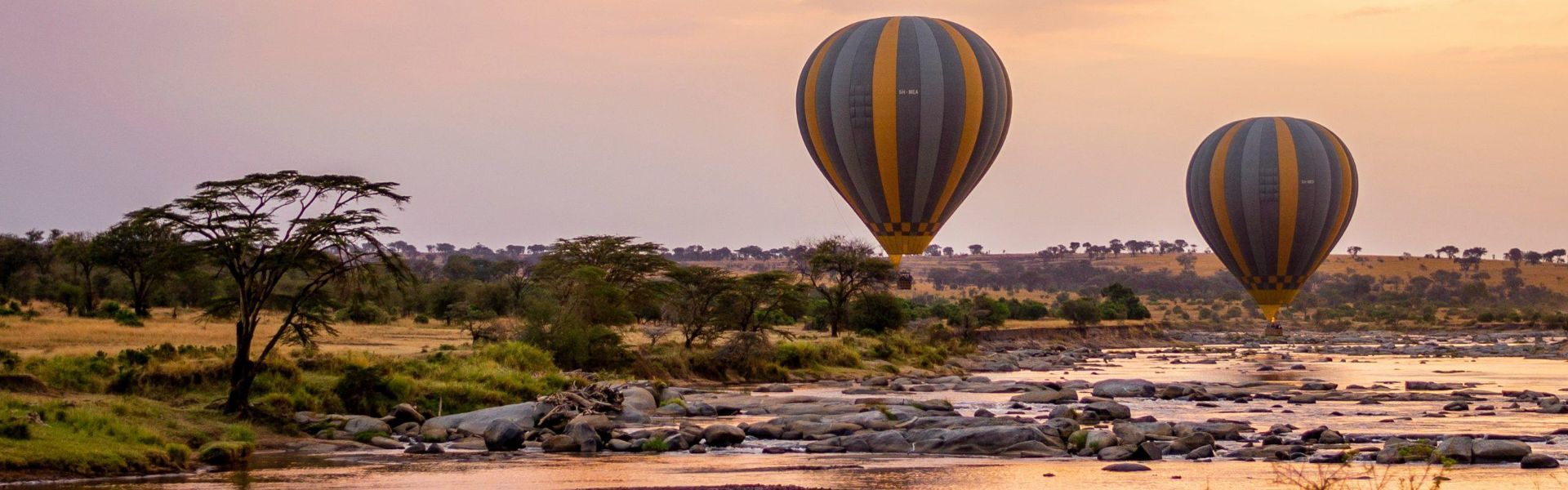
A notable and distinctive offering in Ikorongo is the opportunity for night game drives. This allows visitors to explore the bush after sunset, providing a rare chance to observe nocturnal predators on the prowl and encounter elusive animals that are active only after dark. Walking safaris also provide an intimate and immersive way to explore the wilderness. Accompanied by expert guides, participants can learn about smaller wildlife, track animals, and gain a deeper understanding of the ecosystem from a ground-level perspective. For a different vantage point, hot-air balloon safaris offer breathtaking aerial views of the stunning landscapes and the wildlife below. Given its rich avian diversity, Ikorongo is also an excellent destination for birding safaris, appealing to enthusiasts with over 400 recorded species.
For photographers, Ikorongo Game Reserve is an ideal destination for photographic safaris. Its diverse landscapes, including sweeping plains, riverine forests, and rocky outcrops, provide an array of stunning backdrops for wildlife photography. A significant advantage for photographers is the reserve's low tourist traffic, which ensures ample time to focus on capturing breathtaking moments without the crowds often found in more popular parks. Guided tours are highly recommended, as experienced guides are well-versed in the reserve's wildlife, plants, and ecosystems, providing valuable insights into animal behavior, local conservation efforts, and the area's history.
The emphasis on "low tourist traffic" and the feeling of being "the first person" to encounter wildlife directly translates into a more authentic and immersive safari experience. This lower visitor density allows for longer, undisturbed observations and a deeper connection with the wilderness, which is a significant value proposition for discerning travelers seeking authenticity. This positions Ikorongo as an ideal choice for repeat safari-goers or those prioritizing a truly wild, uncrowded experience over the more structured, potentially busier, offerings of core national parks. It suggests a niche market for those seeking deeper engagement with the environment.
Grumeti Game Reserve: Exclusive Luxury in the Western Corridor
Location and Establishment: A Private Concession in the Migration Path
Grumeti Game Reserve is strategically located on the northwest border of the Serengeti National Park , specifically within the park's western corridor. Its position is particularly significant as it adjoins the great Masai Mara Reserve, making it a crucial link in the broader Serengeti-Mara ecosystem. The reserve encompasses an area of approximately 350,000 acres , equivalent to about 411.89 square kilometers , though other figures also cite 434.5 square kilometers or 410 square kilometers.
Established in 1993 or 1994 , Grumeti Game Reserve was fundamentally formed to conserve and protect the wildebeest migration herds as they traverse the region from Serengeti to Masai Mara. A key distinguishing feature of Grumeti is its management structure: it operates as a private concession. Since 2002, the Grumeti Wildlife Conservation Fund, in collaboration with the local community, has been granted permission to manage this reserved land area. This private status is a fundamental aspect of its long-term operational framework and directly enables many of its unique visitor experiences. Unlike national parks, private concessions typically have different rules regarding visitor access, activities, and lodge development. Management by a dedicated fund and local community implies a strong, localized conservation mandate and potentially more flexibility in operations. This private status allows Grumeti to offer activities such as off-road driving and night game drives, along with a level of exclusivity characterized by fewer crowds and personalized service, which are generally not permitted in public national parks. The involvement of the Grumeti Fund also means that conservation is deeply integrated into the operational model, rather than solely being a governmental oversight. This model represents a modern approach to conservation tourism, where luxury travel directly funds and supports intensive, localized conservation efforts, fostering a symbiotic relationship between tourism and environmental protection. The reserve derives its name from the seasonal Grumeti River, which serves as a vital water source for wild animals during the dry season due to the presence of small natural water bowls within its bed.
Landscape and Biodiversity: Riverine Lifeline and Predator Haven
Grumeti Game Reserve boasts breathtaking landscapes, including expansive savannahs, acacia woodlands, and dramatic sunsets. The most prominent geographical feature is the Grumeti River, which meanders through the area, providing crucial water sources for the abundant wildlife. The rolling plains that characterize much of the reserve are ideal for spotting grazing animals and their accompanying predators. The flora is largely dominated by grassland and Acacia Woodland, complemented by significant riverine vegetation along the Grumeti River.
Ecologically, Grumeti is renowned for its pivotal role in the annual wildebeest migration, serving as a critical corridor and key stopover point for the herds. The reserve is acclaimed for its populous prides of lions and is home to Africa's "Big Five"—lion, leopard, elephant, buffalo, and black rhinoceros. It is particularly noted for its unusually high concentration of big cats and other predators. Other abundant wildlife includes wildebeest, zebra, giraffe, eland, kudus, bushbuck, waterbuck, various antelopes, cheetah, hyenas, jackals, wild dogs, serval, caracal, and hippos. For bird enthusiasts, Grumeti is a paradise, boasting over 500 species of birds, including the vibrantly colored lilac-breasted rollers.
The Grumeti River is not merely a geographical feature; it is a critical, dynamic ecological bottleneck during the Great Migration. The river crossings, particularly between May and July, involve immense herds navigating torrential waters teeming with hungry crocodiles. This convergence of vast herds at a single crossing point, combined with the presence of apex predators, creates predictable, high-drama wildlife spectacles. The river acts as a natural crucible, where the strength and instincts of the migrating animals are tested against environmental challenges and predation. This results in a raw, authentic, and often brutal display of nature's cycle, which is a powerful draw for safari-goers. It is not just about observing animals, but witnessing a fundamental struggle for survival. This intense natural event contributes significantly to Grumeti's reputation as a premier safari destination during specific months, influencing optimal travel times and highlighting the interconnectedness of the ecosystem where geographical features directly influence animal behavior and ecological dynamics.
Exclusive Safari Experiences: Unparalleled Luxury and Freedom
Grumeti Game Reserve distinguishes itself through its offering of unparalleled luxury and freedom in safari experiences. It is home to some of Tanzania's most luxurious accommodations, including the acclaimed Singita Faru Faru Lodge, Singita Serengeti House , Singita Sasakwa, and Singita Sabora. These properties are recognized as world-class, award-winning, and leading sustainable eco-lodges in Africa. They provide intimate, boutique accommodations often featuring handcrafted furniture, rich local textiles, private plunge pools, outdoor showers, and gourmet meals, all within a setting of personalized service and tailor-made itineraries.
A significant advantage of Grumeti's private concession status is the promise of fewer crowds and greater privacy. Unlike national parks, Grumeti is not open to the general public, which translates to fewer safari vehicles and more undisturbed wildlife encounters. It is not uncommon for visitors to spend an entire day on a game drive and encounter barely another vehicle, creating a sense that the entire wilderness belongs exclusively to them. This combination of private concession status, luxurious accommodations, and flexible activity options creates a premium, highly customizable safari experience that directly addresses the desires of discerning luxury travelers.
Furthermore, Grumeti offers activities generally restricted in public national parks. Off-road driving is permitted, allowing guides to follow wildlife wherever it goes, facilitating closer encounters and enhanced tracking opportunities. Night game drives are a major differentiator, enabling exploration of the bush after sunset to spot nocturnal predators and elusive animals like aardvarks or civets. Walking safaris, accompanied by expert guides, provide an intimate encounter with the diverse flora and fauna, including guided river walks along the Grumeti River. Hot-air balloon safaris offer breathtaking aerial views of the stunning landscapes and wildlife below. The expert guides possess intimate knowledge of the land and animals, providing exceptional tracking and interpretive experiences. Beyond wildlife, opportunities for community tours allow visitors to learn about and support local cultures. This suite of offerings is specifically designed to cater to a high-end, luxury safari market. The ability to go off-road means better photographic opportunities and closer encounters. Night drives open up a completely different dimension of wildlife viewing. The privacy and personalized service elevate the entire experience beyond a standard safari. Grumeti effectively markets itself as an "exclusive Serengeti" experience, providing a compelling alternative for those who seek to avoid crowds and desire a more bespoke, immersive, and flexible safari itinerary. This positions it as a top-tier destination for luxury travel.
The Great Migration: A Shared Spectacle and Ecological Lifeline
Both Reserves as Vital Corridors
Ikorongo and Grumeti Game Reserves are both fundamental to the Serengeti-Mara ecosystem, serving as critical corridors for the annual Great Wildebeest Migration. The establishment of these reserves was explicitly driven by the purpose of maintaining a safe passage and conserving the vast migration herds. This monumental event involves millions of wildebeest, alongside zebras and gazelles, traversing the plains in a continuous search for greener pastures, instinctively following the patterns of rainfall for better water sources.
The shared purpose of both reserves in protecting the Great Migration, coupled with their common establishment period in the early 1990s and their administration under a single entity , underscores a coordinated, ecosystem-wide conservation strategy rather than isolated efforts. This indicates a strategic and unified approach to managing the migration's path. It suggests that the Tanzanian government and various conservation bodies recognized the imperative for a network of protected areas to ensure the long-term viability of this natural phenomenon. This highlights a proactive and far-sighted conservation vision that extends beyond the core national park boundaries, acknowledging the migratory nature of the ecosystem. It provides a deeper understanding of their existence, emphasizing their role as vital arteries for the Serengeti's ecological heart.
Grumeti River Crossings: The Dramatic Highlight
The Grumeti River stands as one of the two main river crossings along the Great Migration path within Tanzania. During the peak migration period, particularly between May and July, immense herds converge to cross the Grumeti River. These crossings are characterized by torrential waters and are teeming with sufficiently hungry crocodiles, creating an intense and dramatic spectacle for observers. The Grumeti River crossings are not merely a passage point but a significant ecological event that profoundly shapes the migratory journey and provides a unique, high-drama viewing experience. The river acts as a natural crucible, where the strength and instincts of the migrating animals are tested against environmental challenges and the ever-present threat of predation. This creates a raw, authentic, and often brutal display of nature's cycle, which is a powerful draw for safari-goers. It is not just about seeing animals, but witnessing a fundamental struggle for survival. This intense natural event contributes significantly to Grumeti's reputation as a premier safari destination during specific months, influencing optimal travel times. It also highlights the interconnectedness of the ecosystem, where geographical features directly influence animal behavior and ecological dynamics.
Conservation at the Core: Protecting a Priceless Heritage
The Grumeti Fund: A Model for Private Conservation
Conservation is central to the operational philosophy of both Grumeti and Ikorongo Game Reserves, largely driven by the Grumeti Fund. This organization, in partnership with the Tanzanian government, local communities, and other stakeholders, actively manages the Grumeti concessions, which encompass both Grumeti and Ikorongo reserves. The deep commitment to Serengeti conservation efforts is evident in their operational practices, with many lodges built with sustainability in mind, employing solar energy, minimizing waste, and actively supporting local communities.
The Grumeti Fund's comprehensive, multi-faceted approach to conservation demonstrates the effectiveness of private sector involvement in large-scale ecosystem management. Their activities extend far beyond basic protection, encompassing a holistic, proactive, and scientifically informed approach to ecosystem health. This suggests a higher level of intensity and specialized focus than might be possible under purely governmental administration. The success of their methods is validated by tangible accomplishments, such as significant population increases in various wildlife species. This model of private conservation, where tourism revenue directly fuels extensive ecological programs, offers a powerful blueprint for sustainable wildlife management globally. It allows guests to feel that their visit directly contributes to tangible conservation outcomes, adding a significant ethical and experiential layer to their safari.
Key Conservation Initiatives and Successes
The Grumeti Fund implements a range of critical conservation initiatives that have yielded measurable successes:
Anti-Poaching Efforts: The dedicated anti-poaching team has been instrumental in the thriving wildlife populations observed in both Grumeti and Ikorongo.
Wildlife Re-introduction Programs: The Fund is committed to the translocation and reintroduction of endangered and locally extinct wildlife species. This includes an ongoing black rhino expansion program and efforts to reintroduce the Greater Kudu to Grumeti.
Wildlife Wellbeing: Through a working partnership with the Tanzania Wildlife Research Institute (TAWIRI), the Grumeti Fund actively treats animals with human-induced injuries, particularly those resulting from snaring, thereby significantly reducing mortality rates.
Alien Plant Management: Comprehensive programs are in place to target and eradicate harmful invasive species like Chromolaena (Siam Weed) and Parthenium (Feverfew), which threaten indigenous ecosystems.
Fire Management: Fire is recognized as an important, naturally occurring phenomenon in the Serengeti ecosystem. The Fund utilizes controlled burns as a management tool to reduce standing grass, improve forage quality, and enhance nutrient cycling in the soil, while also carefully managing illegally started fires to prevent ecosystem damage.
Infrastructure for Conservation: Significant investments have been made in infrastructure, including road repairs and the construction of a high-level bridge at a critical river crossing in Ikorongo. These improvements have enhanced accessibility, directly benefiting anti-poaching and conservation work.
Research & Monitoring: Ongoing projects, such as the Snapshot Grumeti camera trap grid and an upcoming elephant collaring project, are continuously undertaken to learn more about the seldom-explored landscapes and incredible wildlife diversity.
These dedicated efforts have led to quantifiable successes. Since 2003, there has been a remarkable 1000% increase in buffalo populations and a four-fold increase in plains game populations within the Grumeti concessions. These dramatic population recoveries are not accidental; they are a direct result of sustained, well-funded, and strategically implemented conservation programs. This demonstrates the efficacy of the private concession model and the Grumeti Fund's specific interventions. This success story positions Grumeti as a leader in African wildlife conservation, offering a powerful narrative for visitors who are increasingly interested in responsible tourism. It also suggests that focused, localized efforts can yield significant ecological benefits, even within a larger, complex ecosystem.
Planning Your Bespoke Safari: Maximizing Your Experience
Best Times to Visit: Seasonal Considerations
The optimal time to visit Ikorongo and Grumeti Game Reserves largely depends on a traveler's specific interests, as different seasons offer distinct wildlife spectacles.
High Season (June to October): This period is considered ideal for dry weather and is prime for witnessing the Great Wildebeest Migration, particularly as the herds traverse through the reserves on their journey towards the Masai Mara National Park. This time offers the most dramatic wildlife viewing opportunities, especially around river crossings.
Low Season (January to February): While outside the peak migration window, this period is excellent for observing resident wildlife. The calving season for wildebeest occurs from January to March, offering the poignant sight of thousands of wildebeest giving birth. This time can provide a more intimate and less crowded experience.
Rainy Season (March to May for long rains, September to December for short rains): These periods bring lush landscapes and a vibrant transformation of the scenery. However, driving conditions can become challenging due to muddy terrain, and wildlife may be more dispersed.
The varying "best times to visit" based on specific wildlife events, such as the migration or calving, allows for highly tailored safari experiences, catering to different traveler preferences. This implies that there isn't a single "best" time for all visitors. A client prioritizing the drama of the migration would choose the dry season, while one interested in new life and lush scenery might prefer the wet season or calving period, accepting potential trade-offs in accessibility. This flexibility enables safari planners to craft highly customized itineraries based on specific client interests, maximizing the "unique experience" by aligning travel dates with desired natural phenomena. It also highlights the year-round appeal of the reserves, even outside the peak migration.
Accessibility: Reaching the Wilderness
Access to Ikorongo and Grumeti Game Reserves is facilitated through both road and air networks, designed to accommodate varying travel preferences.
By Road: The reserves can be accessed by road from major Tanzanian hubs. Routes include approximately 350 km from Arusha (via Ngorongoro and Serengeti National Park), 260 km from Mwanza, 120 km from Musoma, and a shorter 32 km from Mugumu.
By Air: For a more direct and efficient approach, the reserves are accessible by air. Chartered flights are typically available from Arusha or Dar es Salaam to Fort-Ikoma airstrip, which is conveniently located just 3 km from the reserves. Upon arrival at the airstrip, road transfers to the accommodations are arranged.
Internal Transportation: Within the reserves, transportation for safari activities primarily involves organized game drives in specialized 4x4 vehicles. Additionally, some lodges offer walking safaris and, in certain instances, horseback safaris, providing diverse ways to explore the wilderness.
The availability of both road and air access, particularly the emphasis on charter flights to private airstrips, underscores the premium nature of these destinations and their commitment to facilitating seamless, luxury travel. Charter flights are typically associated with higher-end travel and direct access to remote locations, reducing travel time and increasing convenience. The emphasis on air access, particularly charter flights, indicates that these reserves cater to a clientele that values efficiency and comfort in reaching their safari destination. It also suggests that the infrastructure is in place to support a high-quality tourism experience from arrival to departure. This ease of access, combined with internal transport options, contributes to the overall "luxury experience" by minimizing logistical hurdles and maximizing time spent on safari activities. It reinforces the idea that these are well-established, premium safari destinations.
Accommodation & Luxury: World-Class Stays in the Wild
Grumeti Game Reserve is particularly distinguished by its collection of some of Tanzania's most luxurious lodges. These include renowned properties such as Singita Faru Faru Lodge, Singita Serengeti House , Singita Sasakwa, and Singita Sabora. These accommodations are widely recognized as world-class, award-winning, and leaders in sustainable eco-tourism in Africa.
The lodges are designed to be small, intimate, and often feature exquisite handcrafted furniture and rich local textiles. Guests can expect a high degree of personalized service, with amenities such as private plunge pools, outdoor showers, and gourmet meals, often enjoyed under the stars. The focus is on crafting tailored experiences that cater to individual needs and preferences, embodying a philosophy of sustainable luxury. The presence of specific, named world-class luxury lodges within Grumeti directly validates its positioning as a high-end safari destination. The reputation of these lodges precedes them in the luxury travel market, and their presence signifies a commitment to the highest standards of service, comfort, and often, sustainability. The explicit naming of these renowned lodges serves as a strong indicator of the quality and type of experience available, moving beyond generic claims of "luxury" to concrete examples that a discerning traveler would recognize and trust. This reinforces the "unique experiences" aspect by highlighting that the safari is not just about wildlife, but also about the unparalleled comfort, service, and ethical considerations integrated into the accommodation, making it a holistic luxury offering.
Conclusion: Unparalleled African Safari Journey
Ikorongo and Grumeti Game Reserves, while offering distinct visitor experiences, are fundamentally complementary components of the greater Serengeti ecosystem. Ikorongo provides a pristine, untrodden wilderness experience, characterized by intimate encounters with wildlife in a less-visited environment. In contrast, Grumeti offers an exclusive luxury safari, defined by unparalleled freedom, personalized service, and unique activities enabled by its private concession status.
Both reserves are united by their critical role in the Serengeti-Mara ecosystem, serving as vital corridors for the Great Migration. Their existence is underpinned by robust, proactive conservation efforts, particularly those spearheaded by the Grumeti Fund. These efforts have demonstrably led to significant wildlife population recoveries, showcasing a successful model of private conservation directly supported by tourism.
Whether seeking an intimate, raw encounter with nature in Ikorongo or a highly personalized, luxurious adventure with unique activities in Grumeti, these reserves collectively offer a spectrum of bespoke safari experiences that cater to the most discerning traveler. A visit to these reserves transcends a mere safari; it is an immersion into a vibrant ecosystem sustained by dedicated conservation. Such journeys offer a profound connection to Africa's wild heart and contribute directly to its enduring legacy.