
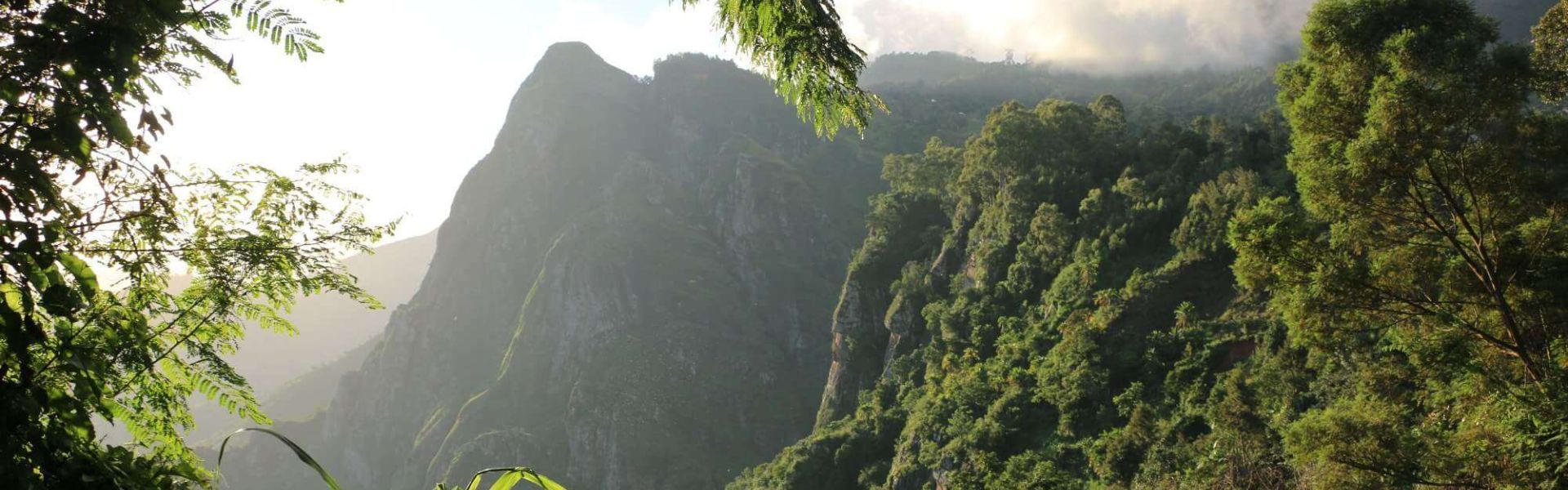
The Ultimate Guide to Nilo Reserve Safaris

Nestled in the East Usambara Mountains of northeastern Tanzania, Nilo Nature Reserve is a sanctuary of ancient tropical forests, rare wildlife, and cultural heritage. It spans approximately 62 square kilometers and is considered the second largest forest block in the East Usambara after Amani Nature Reserve.
This reserve is part of the globally significant Eastern Arc Mountains, one of the world’s top biodiversity hotspots. The forests here are home to over 800 plant species, including eight types of African violets, and more than 100 bird species, such as the Red-capped Forest Warbler and the Banded Green Sunbird. Visitors might also encounter elusive creatures like the Angolan pied colobus, Usambara three-horned chameleon, or the Zanj elephant shrew.
Beyond its ecological value, Nilo’s forests have long supported surrounding communities with firewood, food, and water catchment. Today, the reserve plays a vital role in carbon storage, climate regulation, and watershed protection, especially for downstream areas reliant on its rainfall-fed rivers.
Establishment of the Reserve.
Nilo Nature Reserve was officially established in 2007 by the Ministry of Natural Resources and Tourism, under the Forestry and Beekeeping Division, as part of Tanzania’s broader efforts to protect the Eastern Arc Mountains ecosystem.
Its creation was driven by several key goals:
· Preserving biodiversity: The reserve protects endemic and threatened species found nowhere else on Earth.
· Safeguarding water sources: The forest acts as a critical rain catchment area, supporting agriculture and hydropower downstream.
· Mitigating climate change: By conserving dense forest cover, Nilo contributes to carbon sequestration and climate resilience.
· Supporting sustainable tourism: Though facilities are minimal, the reserve offers hiking, birding, and cultural experiences that promote eco-tourism and local livelihoods.
· The reserve is surrounded by 17 villages, and its management increasingly emphasizes community involvement, recognizing that long-term conservation depends on local stewardship and benefit-sharing
LOCATION AND ACCESSIBILITY.
Location of Nilo Nature Reserve.
· Nilo Nature Reserve is nestled in the East Usambara Mountains of Tanga Region, northeastern Tanzania. It spans across three districts: Muheza, Korogwe, and Mkinga, forming part of the globally significant Eastern Arc Mountains—a biodiversity hotspot renowned for its ancient forests and endemic species.
The reserve lies on a distinctive Y-shaped ridge system:
· The eastern arm stretches toward Semdoe Forest Reserve.
· The western arm overlooks the Lwengera Valley and the West Usambara Mountains.
· A central ridge connects southward to Derema Forest Reserve, adjacent to Amani Nature Reserve.
This strategic location places Nilo within reach of several other conservation areas, making it ideal for multi-reserve eco-tourism circuits.
Accessibility.
Despite its remote forested terrain, Nilo is accessible by road from major towns and cities in northern Tanzania:
· From Korogwe town: A 78 km drive via Magoma–Kwetonge junction.
· From Muheza town: A 66 km route passing through Amani Nature Reserve and Bulwa junction.
· Travelers coming from Dar es Salaam, Tanga, Kilimanjaro, or Arusha can reach Korogwe or Muheza by bus or private vehicle, then continue to the reserve via local roads. A 4WD vehicle is recommended, especially during the rainy season.
Internal Trails and Scenic Routes.
· 22 km of nature trails, including hikes to Nilo Peak (1,506 m) and Lutindi Peak (1,400 m).
· A 12.5 km scenic drive through the reserve and Kizerui Village, offering panoramic forest views and cultural encounters.
Facilities and Local Support.
In this area no formal lodges within the reserve, but visitors can:
· Camp at designated sites like Denmark campsite and Chura campsite.
· Stay in Korogwe town, which offers basic accommodation and serves as a staging point.
· Coordinate with the Conservator in Korogwe for guidance, local guides, and permits.
Because the reserve borders 17 villages, there’s growing potential for community-based tourism, including cultural visits, storytelling, and local guiding services.
UNIQUE FEATURES.
The unique features of Nilo Nature Reserve, highlighting what makes it truly special within Tanzania’s conservation landscape:
Distinctive Landscape and Forest Types.
· Y-shaped ridge system: Nilo’s terrain forms a striking Y-shape, with arms stretching toward Semdoe Forest and the Lwengera Valley, and a central ridge linking to Derema and Amani reserves. Locals say it resembles a welcoming “YES” to visitors.
· Ancient tropical forests: Some of the oldest in Africa, ranging from lowland to submontane and montane zones. Trees here can reach up to 58 meters in height, forming dense, cathedral-like canopies.
· Dramatic peaks: Nilo Peak (1,506 m), Lutindi Peak (1,400 m), and Kwemakulo Peak (1,064 m) offer panoramic views and spiritual significance.
Exceptional Biodiversity.
· Over 800 plant species, including eight types of African violets found only in this region.
Rare and endemic wildlife.
· Usambara three-horned chameleon – a charismatic symbol of the reserve.
· Zanj elephant shrew – a tiny, elusive mammal with a long snout.
· Angolan pied colobus – a striking black-and-white monkey.
· Birding paradise: Home to the Red-capped Forest Warbler, Banded Green Sunbird, and Fisher’s Turaco, among many others.
Waterfalls, Worship Sites, and Cultural Legends.
· Tuvui Falls and Zumbe Kuu Falls: Hidden gems tucked into the forest, ideal for quiet reflection or picnicking.
· Holy Water Point near Denmark campsite: A revered site where water is said to have flowed after a bishop’s blessing.
· Kizara Caves: Natural formations near Kizara Village with spiritual and historical significance.
Nature Trails and Eco-Activities.
· Lutindi Trail: An 8 km loop with African violets lining the path.
· Kwemakulo Trail: A 1.4 km ascent to Kwemakulo Peak.
· Scenic drives: A 12.5 km route through Kizerui Village and forested slopes (4WD only).
· Camping under the stars: At Denmark and Chura campsites—no lodges, just raw nature.
· Cycling and hiking: Through lush forest corridors and misty ridges.
Conservation Value and Community Connection.
· Carbon storage powerhouse: Dense biomass and rich soils make Nilo a vital climate buffer.
· Surrounded by 17 villages: The reserve is deeply interwoven with local life, offering opportunities for community-based tourism, guiding, and storytelling.
· Threats and resilience: Despite pressures like forest fires and encroachment, Nilo remains a beacon of biodiversity thanks to local stewardship and national protection efforts.
ACCOMODATION.
Accommodation options at Nilo Nature Reserve, tailored to your interest in immersive, community-connected tourism.
Inside the Reserve: Camping in the Wild.
Nilo offers a raw, off-grid experience with two designated campsites.
· Denmark Campsite: Located near the Lutindi Trail and Tuvui Falls, this site is ideal for hikers and birdwatchers. It’s close to the Holy Water Point and offers access to several nature trails.
· Chura Campsite: Situated deeper within the forest, this site provides a more secluded experience—perfect for stargazing, storytelling, and connecting with nature’s rhythms.
Facilities are minimal.
· No lodges, restaurants, or electricity.
· Visitors must bring their own tents, food, water, and camping gear.
· Entry and camping fees are paid through the Conservator’s office in Korogwe, who also helps arrange guides and logistics.
This style of accommodation aligns beautifully with low-impact, eco-conscious travel—offering a chance to truly immerse in the forest.
Outside the Reserve: Korogwe Town.
For those seeking more comfort, Korogwe town (about 78 km from the reserve) offers:
· Basic guesthouses and lodges with beds, meals, and electricity.
· A staging point for day trips into the reserve.
· Access to local markets, transport, and cultural experiences.
Visitors often stay in Korogwe and make day visits to Nilo, especially during the rainy season when forest roads can be challenging.
Community-Based Tourism Options.
Thanks to initiatives like Livan Cultural Tourism Enterprise, there’s growing potential for:
· Village homestays near the reserve.
· Cultural experiences such as cooking classes, drumming, and storytelling.
· Local guiding services, with a portion of fees supporting community development.
This model ensures tourism benefits local livelihoods while deepening visitor understanding of the region’s culture and conservation efforts.
TRANSPORTATION.
Transportation to and within Nilo Nature Reserve, tailored to your interest in accessible.
· Getting to Nilo Nature Reserve.
· Nilo is located in the East Usambara Mountains of Tanga Region, northeastern Tanzania. It’s reachable from several major towns and cities:
· From Korogwe town: About 78 km via Magoma–Kwetonge junction. This is the most direct and commonly used route.
· From Muheza town: Roughly 66 km, passing through Amani Nature Reserve and Bulwa junction.
· From Tanga City: Visitors typically travel via Korogwe, with scenic drives through Magoma Ward.
Travelers coming from Dar es Salaam, Arusha, Kilimanjaro, or Moshi can reach Korogwe or Muheza by bus or private vehicle, then continue to the reserve via local roads. 4WD vehicles are strongly recommended, especially during the rainy season when forest roads become slippery and rugged.
Internal Access and Scenic Drives.
· Once inside the reserve, transportation is limited to footpaths and rugged tracks:
· A 12.5 km scenic drive winds through Kizerui Village and forested ridges. This route is 4WD only, offering dramatic views and access to trailheads.
· A shorter 9.5 km drive connects Kizara to Kizerui, passing through dense forest and cultural sites.
These drives are not just transit—they’re part of the experience, revealing waterfalls, peaks, and sacred sites along the way.
Guided Transport and Cultural Tourism.
For visitors seeking a smoother experience, Livan Cultural Tourism Enterprise offers:
· Private transportation from towns like Tanga or Korogwe directly to the reserve.
· Pickup services arranged during booking, with flexible meeting points.
· Guided nature walks and cultural tours, ensuring safe and enriching travel.
This model supports local livelihoods and aligns with your values of ethical, community-based tourism.
TOURISM ACTIVITIES AND EXPERIENCE.
· The tourism activities and experiences at Nilo Nature Reserve—designed to reflect your passion for ethical, immersive travel and community-connected conservation:
Hiking and Nature Trails.
Nilo offers some of Tanzania’s most enchanting forest hikes:
· Lutindi Trail (8 km): Circles Lutindi Peak, passing through dense forest and patches of African violets.
· Kwemakulo Trail (1.4 km): A short but steep climb to panoramic views from Kwemakulo Peak.
· Tuvui Trail (300 m): Leads to the serene Tuvui Falls, perfect for quiet reflection or a picnic.
· Nilo Peak Trail: Ascends to the highest point (1,506 m), offering sweeping views of the East Usambara landscape.
These trails are ideal for birdwatchers, botanists, and anyone seeking solitude in nature’s cathedral.
Bird Watching
With over 100 bird species, Nilo is a paradise for ornithologists and casual birders alike.
· Banded Green Sunbird
· Red-capped Forest Warbler
· Fisher’s Turaco
· Southern Banded Snake-Eagle
Birding here is best done early in the morning or late afternoon, with local guides offering rich insights into calls, nesting habits, and forest ecology.
Mountain Biking and Scenic Drives.
Adventurous visitors can explore:
· A 12.5 km scenic drive through Kizerui Village and forested ridges (4WD required).
· Cycling routes that wind through misty trails, offering a thrilling way to experience the terrain and biodiversity.
Camping and Forest Immersion.
Nilo is a raw, off-grid experience:
· Denmark Campsite: Near Lutindi Trail and Tuvui Falls.
· Chura Campsite: Deeper in the forest, ideal for stargazing and storytelling.
There are no lodges, so camping is the best way to connect with the reserve’s rhythms. Visitors must be self-sufficient, bringing food, water, and gear—but the reward is unmatched tranquility.
Waterfalls and Sacred Sites.
· Zumbe Kuu Falls: A 30-meter cascade along the Semdoe River.
· Holy Water Point: A spiritual site where water is said to have flowed after a bishop’s blessing.
· Kizara Caves: Near Kizara Village, these natural formations hold cultural and historical significance.
These sites blend ecological beauty with local legend, offering opportunities for reflection and cultural storytelling.
Cultural Tourism and Community Experiences.
Thanks to partnerships like Livan Cultural Tourism Enterprise, visitors can:
· Join guided nature walks led by local experts.
· Participate in Swahili cooking classes, drumming workshops, or village visits.
· Contribute to community development fees, ensuring tourism benefits local livelihoods.
BENEFITS OF LOCAL COMMUNITIES.
local communities benefit from Nilo Nature Reserve, reflecting your deep interest in ethical tourism, conservation, and community empowerment:
Livelihood Support Through Sustainable Activities.
When Nilo was upgraded from a forest reserve to a nature reserve in 2007, extractive activities like timber harvesting and wild plant collection were restricted. To compensate, several non-consumptive income-generating initiatives were introduced:
· Beekeeping: Villagers now harvest honey sustainably, with training and equipment support from conservation partners.
· Cultural and eco-tourism: Local guides lead nature walks, birding tours, and cultural experiences, earning income while sharing their heritage.
· Woodfuel-saving stoves: These reduce forest pressure and improve household energy efficiency.
· Fish farming, dairy goats, and vegetable gardening: Diversified livelihoods help reduce dependence on forest resources.
These activities are often supported by NGOs like the Eastern Arc Mountains Conservation Endowment Fund (EAMCEF) and the Tanzania Forest Conservation Group (TFCG).
Education and Infrastructure Improvements.
· One standout example is Kazita Village, where community participation in forest conservation led to tangible benefits:
· EAMCEF helped build new classrooms and offices for Kazita Primary School in exchange for villagers’ involvement in forest protection.
· This model replaced monetary contributions with labor and stewardship, strengthening both education and conservation.
· School enrollment increased, and awareness of forest values grew among children and families.
Forest Protection and Fire Management.
Local communities play a vital role in:
· Establishing firebreaks to prevent wildfires from spreading into the reserve.
· Monitoring and reporting illegal activities, such as poaching or logging.
· Participating in land use planning, which helps resolve conflicts and clarify boundaries.
These efforts not only protect biodiversity but also safeguard farms, homes, and water sources.
Empowerment and Capacity Building.
Through projects like the Connecting Amani and Nilo (CAN) Forest Project, villagers receive:
· Training in conservation, marketing, and bookkeeping.
· Support for women and youth to engage in sustainable enterprises.
· Inclusion in decision-making through village natural resource committees and joint forest management plans.
This builds a sense of ownership and pride, turning conservation into a shared mission.
Economic Impact and Poaching Reduction.
A study found that after the ban on live wild animal trade, 98% of former traders shifted to alternative livelihoods, reducing poaching by 38.4%. These new ventures generated over TZS 192 million annually, showing that conservation-linked income can rival extractive practices.
CHALLENGES, SOLUTIONS AND OPPORTUNITIES.
· Challenges, solutions, and opportunities surrounding Nilo Nature Reserve—tailored to your holistic, community-centered approach to conservation and tourism.
1. Forest Fires.
· Often caused by slash-and-burn agriculture or accidental spread from nearby farms.
· Fires damage biodiversity, soil fertility, and water catchment functions.
2. Encroachment and Deforestation.
· Expansion of farmland and settlements from surrounding villages.
· Illegal logging and charcoal production reduce forest cover and habitat integrity.
3. Poaching and Wildlife Trade.
· Historical trade in live wild animals, especially chameleons and birds.
· Though reduced, occasional poaching still occurs.
4. Invasive Plant Species.
· Non-native species threaten indigenous flora and alter forest dynamics.
5. Limited Infrastructure and Funding.
· Few formal tourism facilities.
· Conservation efforts rely heavily on donor support and limited government budgets.
6. Climate Change Impacts.
· Altered rainfall patterns and rising temperatures affect forest health and water availability.
Solutions and Interventions.
Nilo has become a model for community-driven conservation, with several innovative responses:
1. Community-Based Forest Management (CBFM) .
· Villages participate in forest patrols, firebreak creation, and land-use planning.
· Joint Forest Management (JFM) agreements foster shared responsibility.
2. Alternative Livelihoods.
· Beekeeping, spice farming (cloves, cardamom), fish farming, and dairy goats reduce forest dependence.
· Supported by NGOs like TFCG and EAMCEF.
3. Education and Eco-Schools.
· Schools like Zirai Primary use forest resources sustainably and teach conservation values.
· Income from selling seedlings supports education and awareness.
4. Cultural Tourism Enterprises.
· Livan Cultural Tourism Enterprise channels tourism income to local development.
· Visitors pay a Community Development Fee, ensuring direct benefits.
5. Remote Sensing and Monitoring.
· Projects use satellite data to track forest cover, detect threats, and guide interventions.
6. Policy and Corridor Strategies.
· The Amani-Nilo Corridor Conservation Strategy (2024–2034) outlines long-term goals for biodiversity protection, climate resilience, and community empowerment.
Opportunities for Growth and Sustainability.
1. Eco-Tourism Expansion.
· Hiking, birding, camping, and cultural experiences can be scaled up with minimal impact.
· Potential for guided night walks to spot rare species like the Usambara Eagle Owl.
2. Community-Led Enterprises.
· Women’s groups and youth cooperatives can lead spice farming, guiding, and handicrafts.
· Strengthens local ownership and economic resilience.
3. Research and Education Hub.
· Nilo’s biodiversity makes it ideal for field studies, internships, and conservation training.
4. Climate Finance.
· High carbon storage potential opens doors for carbon credits and climate adaptation funding.
5. Corridor Connectivity.
· Linking Nilo with Amani and Derema reserves enhances species movement and ecosystem health.
6. Digital Storytelling and Advocacy.
· Sharing Nilo’s success stories can attract support, volunteers, and responsible travelers.
CONCLUSION.
· Nilo Nature Reserve: A Living Tapestry of Forest, People, and Purpose
· Nilo Nature Reserve stands as a vibrant testament to Tanzania’s commitment to conserving its ancient forests and empowering local communities. Nestled in the East Usambara Mountains, it protects one of Africa’s oldest and most biologically rich ecosystems—home to rare species like the Usambara three-horned chameleon, Zanj elephant shrew, and African violets found nowhere else on Earth.
· But Nilo is more than a biodiversity hotspot. It’s a living landscape, where conservation and culture intertwine. Sacred waterfalls, worship sites, and forest legends echo through its trails, while 17 surrounding villages actively shape its future through sustainable livelihoods, forest stewardship, and cultural tourism.
· Despite challenges like forest fires, encroachment, and limited infrastructure, Nilo has become a model of community-driven resilience. Initiatives in beekeeping, eco-tourism, education, and fire management have not only protected the forest but also uplifted local lives. Projects like the Amani–Nilo Corridor Strategy and support from groups like EAMCEF and TFCG have laid the groundwork for long-term sustainability.
· For visitors, Nilo offers a raw, immersive experience—camping under the stars, hiking misty peaks, and engaging with local guides who share stories passed down through generations. It’s a place where nature is not just observed, but felt.
· In essence, Nilo Nature Reserve is a beacon of hope: a place where conservation is not a distant ideal, but a daily practice rooted in community, culture, and care. Its story reminds us that protecting nature can and must go hand in hand with empowering people.