
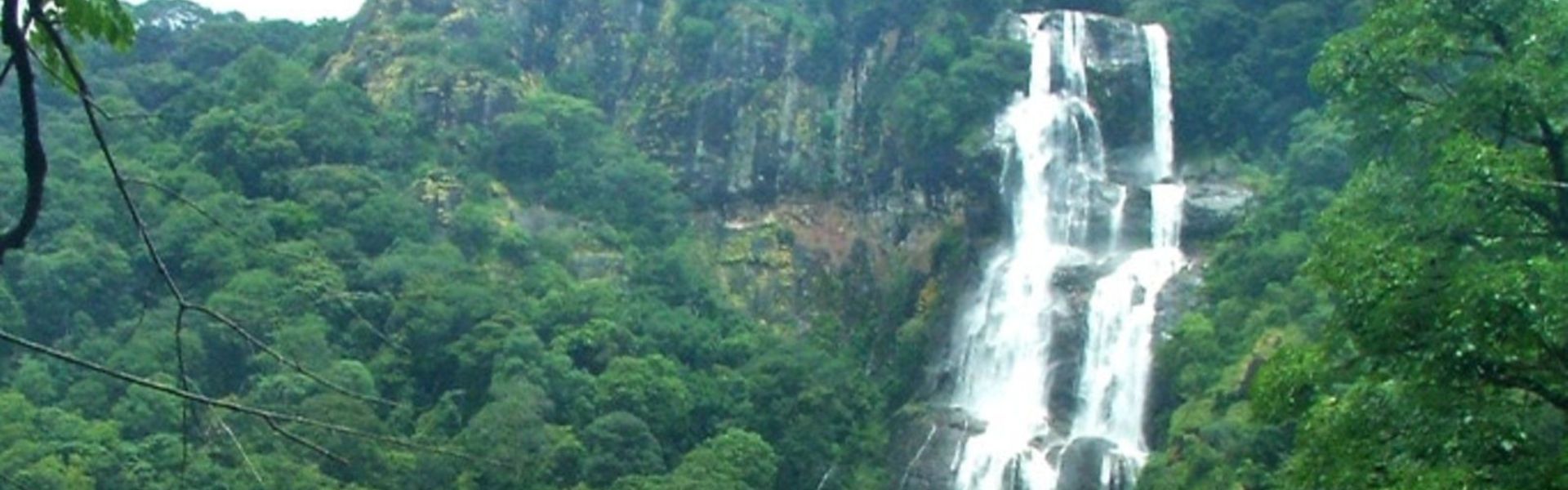
The Ultimate Guide to Kilombero Game Area Safaris

Kilombero Game Control Area (GCA). This is a special and very important place in Tanzania, a country in East Africa that is famous for its amazing wildlife. To understand Kilombero, it's good to know what a "Game Control Area" means.
In Tanzania, there are different types of protected areas for wildlife:
● National Parks: These are very strict. No people live inside them, and human activities like farming or grazing cattle are not allowed. They are mainly for wildlife protection and tourism where people can only observe animals.
● Game Reserves: These are also very protected, focusing on wildlife. Sometimes, controlled hunting is allowed here, but human settlements are generally not.
● Game Control Areas (GCAs): This is what Kilombero is. GCAs are also set aside to protect wild animals and their natural homes. However, they have a special purpose:
○ Wildlife is Protected: Animals are safe from illegal hunting (poaching), and their habitats (the places where they live) are managed.
○ Local Communities Live There: Unlike National Parks, people often live inside or very close to GCAs. They have lived there for a very long time and use the land for their daily lives, like farming or fishing.
○ Controlled Activities: The government allows some human activities, but they are carefully controlled and managed. The main goal is to find a balance between protecting nature and supporting the lives of the local people. It's about helping wildlife and humans live together.
· So, Kilombero GCA is very important because it protects a unique and vast wetland ecosystem, which is different from the dry plains of many other GCAs. It plays a crucial role in the larger ecosystem, which is the whole system of living things (animals, plants) and non-living things (water, soil) that work together in an area.
UNIQUE FEATURES OF KILOMBERO GAME CONTROLLED AREA.
· The Kilombero Game Control Area has several truly unique features that make it special and extremely important for Tanzania's wildlife conservation. These features highlight its ecological role and its connection to human communities.
The Vast Kilombero Valley Wetlands: A Watery Paradise.
· This is by far the most important and unique feature of Kilombero GCA.
● A Huge Wetland System: Imagine a massive area of flat land that is often covered in water, with many rivers, swamps, and floodplains. This is the Kilombero Valley wetlands. It's one of the largest and most important wetland ecosystems in East Africa.
● Seasonal Flooding: The Kilombero River flows through the valley, and during the rainy season, the river overflows, flooding large parts of the valley. This creates a rich, fertile environment.
● Life-Giving Water: This abundance of water makes the area very special, as it supports a completely different set of animals and plants compared to the dry savannas found elsewhere in Tanzania. It's a "watery paradise" for many species.
Home to Unique and Rare Animal Species.
· Because of its unique wetland environment, Kilombero GCA is home to several animal species that are rare or found almost nowhere else in the world.
● The Puku Antelope: This is a very special type of antelope that loves wet grasslands. The Kilombero Valley is one of the most important places in Tanzania, and indeed in Africa, where you can find large numbers of Puku antelopes. They are adapted to living in marshy areas.
● Kilombero Red Colobus Monkey: This is a very rare and beautiful monkey species. It is found only in the forests within the Kilombero Valley. This makes Kilombero GCA a critical place for its survival.
● Kilombero Weaver Bird: This is another bird species that is found only in the Kilombero Valley. Its presence highlights the unique biodiversity of the area.
● Hippos and Crocodiles: The rivers and swamps are teeming with hippos (large, water-loving mammals) and huge Nile crocodiles. You can often see them in large numbers, especially during boat safaris.
● Large Mammals: Besides the unique species, you can also find large herds of elephants and buffalos moving through the different parts of the valley, especially in the drier areas or along riverbanks.
● Bird Paradise: Kilombero is a fantastic place for bird watching. It has many different kinds of water birds (like storks, herons, and egrets) and other species that thrive in wetland environments. It's recognized as an Important Bird Area (IBA).
Rich Fisheries: A Source of Life.
· The rivers and swamps of Kilombero are very rich in fish.
● Food Source: Fish are a vital food source for many animals (like crocodiles and various birds) and also for the local human communities who depend on fishing for their livelihoods.
● Biodiversity: The area has a high diversity of fish species, some of which are found only in this river system.
Human-Wildlife Coexistence and Cultural Heritage.
· A very important feature of Kilombero GCA, like other GCAs, is the presence of human communities living alongside wildlife.
● Traditional Lifestyles: Local people, often farmers and fishermen, have lived in this valley for centuries. Their traditional way of life is closely linked to the river and the wetlands.
● Shared Resources: This means that people and wild animals often share the same resources, like water and fish, which creates a special dynamic that needs careful management.
● Cultural Exchange: This coexistence provides opportunities for visitors to learn about local cultures directly from the people living there, making the experience different from just seeing animals in a park.
ESTABLISHMENT OF KILOMBERO GAME CONTROLLED AREA.
· The Kilombero Game Control Area was established as an important part of Tanzania's larger plan to protect its amazing wildlife and natural places. The creation of GCAs like Kilombero is a strategic move to ensure conservation beyond the boundaries of strict National Parks, especially for unique ecosystems like wetlands.
The Need for Protection and Management.
· Before Kilombero became a formally protected area, its unique wetlands and the animals living there faced many threats. These included uncontrolled hunting, unsustainable fishing practices, and the expansion of farming into sensitive wetland areas. The government and conservation groups recognized that this vast wetland ecosystem was vital for the survival of unique species and for the overall health of the environment, and it needed special protection.
Purpose of Establishment.
· Establishing Kilombero as a Game Control Area means that the Tanzanian government has put special rules in place to manage the land and its resources. The main purposes for its establishment include:
● Protecting Unique Biodiversity: This was a primary and crucial reason. Kilombero is home to species found nowhere else (like the Kilombero Red Colobus monkey and Kilombero Weaver bird) and important populations of other rare animals (like the Puku antelope). The GCA aims to safeguard these irreplaceable species.
● Wetland Conservation: To protect the vast Kilombero Valley wetlands themselves. Wetlands are incredibly important ecosystems that act like natural filters for water, help control floods, and provide homes for countless species.
● Wildlife Conservation: To keep all the animals safe from illegal hunting (poaching) and to ensure they have enough safe space to live, eat, and have babies.
● Managing Land Use: To control how the land is used by people. In a GCA, local people (like farmers and fishermen) can still live and use the land, but under rules that try to prevent too much harm to wildlife and the wetland ecosystem. For example, rules might limit where new farms can be built, how much land can be cultivated, or what fishing methods can be used. This helps to reduce conflicts between humans and animals and ensures sustainable use of resources.
● Regulated Hunting and Non-Consumptive Tourism: Historically, GCAs were areas where regulated hunting was permitted alongside other human activities. While hunting regulations can change, GCAs are also increasingly used for non-consumptive tourism (like photographic safaris and boat safaris), which helps generate revenue for conservation and communities.
The Legal Basis and Historical Context.
· The establishment of GCAs like Kilombero reflects a broader understanding that conservation must extend beyond strict park boundaries to protect the full range of animal movements and habitats, especially unique ecosystems. The Kilombero GCA was officially established under the Wildlife Conservation (Game Controlled Areas) Order, 1974 (Government Notice 269 of 1974), which defined its boundaries and status. This shows Tanzania's long-standing commitment to protecting these areas. The process of establishing such areas involves:
● Government Legislation: Laws are passed to create and define these protected areas.
● Scientific Assessment: Scientists study the area to understand its importance for wildlife and its unique ecological features.
● Community Consultation: Local communities living in or near the proposed GCA are consulted. Their input is vital because their lives will be affected by the new rules. The government tries to find solutions that benefit both wildlife and people.
● Boundary Demarcation: The specific borders of the GCA are defined, often on maps and sometimes with physical markers on the ground.
● Ongoing Management: Once established, the GCA is managed by wildlife authorities (like the Tanzania Wildlife Management Authority - TAWA), often with the help of local communities and conservation organizations.
LOCATION AND ACCESSIBILITY.
· The Kilombero Game Control Area is located in the south-central part of Tanzania. This is different from the more famous northern safari circuit. It is specifically situated in the Kilombero Valley, which is a large floodplain formed by the Kilombero River.
· Its location is strategically vital for its unique wetland ecosystem:
● It is a vast, relatively flat area defined by the Kilombero River and its many tributaries (smaller rivers that flow into it).
· Getting to the Kilombero Game Control Area can be quite challenging because it is in a more remote and less developed region compared to the northern safari areas. This means the journey itself is often an adventure.
By Road: The Adventurous Journey.
● Starting Point: Most visitors and researchers begin their journey from larger cities like Dar es Salaam (Tanzania's largest city and commercial hub) or Morogoro (a regional town closer to Kilombero).
● Journey Time: The drive from Dar es Salaam or Morogoro can take many hours, often 6 to 10 hours or even more, depending on the exact destination within Kilombero and the condition of the roads. It's a long and often slow trip.
● Vehicle Needed: You absolutely need a strong 4x4 safari vehicle. These vehicles are built to handle very rough roads. They have high ground clearance (they are taller) to drive over bumps and through shallow water, and four-wheel drive to manage muddy or sandy sections.
● Road Conditions:
○ The main roads from Dar es Salaam or Morogoro might be paved for some distance.
○ However, as you get closer to the Kilombero GCA and inside it, the roads become unpaved dirt tracks. These roads are often poorly maintained.
○ Dry Season: In the dry season, these dirt roads can be very dusty.
○ Rainy Season: In the rainy season (roughly November to May), these roads can become extremely muddy, slippery, and challenging. Parts of the road might be washed away, or vehicles can get stuck in deep mud for hours. Access can be very difficult or even impossible in some areas during peak wet season.
● Experienced Driver: It is highly recommended to travel with an experienced safari driver who knows the local roads well, can navigate challenging conditions, and is skilled at spotting wildlife. They also know how to handle minor vehicle issues in remote areas.
By Train: A Unique Option.
● It is also possible to reach nearby towns like Ifakara (a major town in the Kilombero Valley) by train from Dar es Salaam. This can be a unique and scenic way to travel.
● Still Need a Car: However, once you reach Ifakara by train, you will still need a 4x4 vehicle to get into the GCA itself and move around.
By Air: A Specialized Option.
● There might be small airstrips near Kilombero GCA for charter flights. This is the fastest way to reach the area.
● Cost: Charter flights are much more expensive than driving or taking the train.
● Still Need a Car: Even if you fly, you will still need a 4x4 vehicle to pick you up from the airstrip and take you to your accommodation and around the GCA.
Public Transport: Limited Access.
● While public buses (called "dala-dalas") might go to towns like Ifakara, they generally do not go into the remote, wild parts of the GCA itself. For tourists visiting for wildlife viewing, private safari vehicles or specialized tour operators are the standard and safest way to travel.
TRANSPORTATION.
· Once you have arrived inside the Kilombero Game Control Area, getting around to see the wildlife and explore the unique wetland landscape is a key part of the experience. The methods of transport are chosen to suit the wet environment and allow for good wildlife viewing while also considering the presence of local communities.
4x4 Safari Vehicles: For Land-Based Exploration.
● Game Drives: The most common way to move around the drier parts of Kilombero GCA is by 4x4 safari vehicles. These vehicles are specially designed for wildlife viewing and to handle the challenging terrain.
○ Built for Roughness: They have strong engines, high ground clearance, and robust suspension to drive over bumpy dirt roads, through shallow water, and across grassy plains.
○ Viewing Features: Many safari vehicles have special features for tourists, such as:
■ Pop-up Roofs: The roof can be raised or "popped up" so that you can stand up inside the vehicle. This gives you a much better, unobstructed view of the animals and the landscape, and makes it easier to take photos.
■ Large Windows: To ensure good visibility from all seats.
○ Guided Experience: You will always have an experienced driver-guide who is skilled at spotting animals, knows their behavior, and can tell you interesting facts about the wildlife and the environment. They also communicate with other guides to share information about animal sightings.
● Purpose of Game Drives: You will spend hours slowly driving through the GCA, searching for animals in the woodlands and open areas.
Boat Safaris: The Signature Kilombero Experience.
● Because of the many rivers, swamps, and floodplains, boat safaris are a popular and excellent way to see wildlife in Kilombero GCA. This is a signature experience here.
● Exploring the Waterways: You will use small, motorized boats or sometimes traditional canoes (dugout canoes) to navigate the waterways.
● Water-Loving Animals: From a boat, you can get incredibly close to animals that live in or near the water, such as:
○ Hippos: Often seen in large groups, partly submerged in the water, or yawning to show their huge teeth.
○ Crocodiles: Large Nile crocodiles can be seen lying on the riverbanks, basking in the sun, or floating silently in the water.
○ Water Birds: Kilombero is a birdwatcher's paradise, especially for water birds. You can see many different species like storks (e.g., Saddle-billed Storks), herons, egrets, kingfishers, and various ducks and geese.
○ Puku Antelope: You might see Puku antelopes grazing near the water's edge.
● Unique Perspective: Boat safaris offer a very different and often quieter perspective compared to land-based game drives. It allows access to areas that are otherwise unreachable.
Walking Safaris: A Deeper Connection to Nature.
● In some parts of the Kilombero GCA, and with special permission, it is possible to do walking safaris. This is different from just driving in a vehicle and allows for a more immersive experience.
● Guided and Safe: You will always be accompanied by an experienced and armed guide (often a park ranger or a trained local guide). This is for your safety, as you are walking in an area with wild animals. The guide knows how to read animal tracks and signs, and how to react safely if you encounter a dangerous animal.
● Different Perspective: Walking allows you to experience the bush in a much more intimate and sensory way. You can:
○ See smaller details like insects, different types of plants, and animal tracks that you might miss from a vehicle.
○ Smell the different plants and the earth, and hear the sounds of the bush (birds singing, rustling leaves, distant animal calls) more clearly.
○ Feel truly connected to the environment, understanding the scale of the landscape.
● Learning: The guide will teach you about the smaller aspects of the ecosystem, identify different animal droppings, and explain the traditional uses of various plants by local communities.
● Specific Locations: Walking safaris are usually done in specific, designated areas within the GCA where it is deemed safe and appropriate, and where the terrain is suitable for walking.
Local Transportation: Daily Life in the GCA.
● Canoes/Dugout Boats: For the local communities living in and around Kilombero GCA, especially those who fish, traditional canoes or small dugout boats are a very common and essential way to move along the rivers and through the flooded areas.
● Walking: On drier ground, walking is a very common way to move between their homes, villages, and farms.
● Bicycles: Some local people might use bicycles on the less rough paths for short distances or to carry small goods.
● No Public Transport: Generally, there are no public buses or trains that operate within the remote, wild parts of Game Control Areas.
ACCOMMODATION.
· Staying in or near the Kilombero Game Control Area offers a chance to be close to nature and experience its unique wetlands. The types of places to stay usually try to be eco-friendly and directly benefit the local communities.
Accommodation Options: Where to Stay in the Wilderness.
· The types of places to stay in or near Kilombero GCA can vary, but they generally focus on providing an authentic bush and wetland experience while being mindful of the environment. Because it's a less visited area compared to the northern parks, options might be more limited and rustic.
● Tented Camps: These are a common and popular choice. They feature large, comfortable tents that are already set up. Inside, you'll find proper beds with comfortable mattresses, furniture, and often an attached private bathroom with a toilet and a bucket shower (where warm water is brought to you). They offer a feeling of being close to nature while still being comfortable and safe. Many are designed to be "eco-friendly," meaning they try to have a low impact on the environment (e.g., using solar power for electricity, saving water, managing waste carefully).
● Basic Lodges: There might be a few small, basic lodges that offer more permanent buildings and facilities compared to tents, but they still aim to keep a natural feel. They might have a central dining area and simple, comfortable rooms.
● Campsites: For those who want a more adventurous and budget-friendly experience, there are designated campsites where visitors can pitch their own tents. These usually have basic shared facilities like toilets and showers.
● Community-Owned/Managed Camps: A very positive development in many GCAs, including potentially Kilombero, is the establishment of camps that are owned or managed by the local communities themselves. Staying at these places directly benefits the people living in the area, as the profits go back to them for community projects.
BENEFIT OF LOCAL COMMUNITIES.
· The local communities living in and around the Kilombero Game Control Area are incredibly important. They have often lived in these areas for hundreds of years, and their traditional way of life is closely linked to the land and its unique wetland resources. The presence of the GCA and the tourists who visit bring many important benefits to these communities, who are often farmers and fishermen:
● Direct Employment: This is one of the biggest and most important benefits.
○ Safari Guides and Boat Captains: Many local people are trained to become safari guides (for land-based activities) and especially boat captains or guides for river safaris. They know the waterways, the animals, and the local culture very well. They can share their knowledge with visitors, enriching the safari experience.
○ Camp and Lodge Staff: They work in the tented camps and lodges as cooks, cleaners, waiters, security guards, and general staff. This provides steady jobs and income, which is crucial in remote areas.
○ Community Rangers/Trackers: Local people are often employed as community rangers or wildlife trackers. They help monitor animal movements, protect against poaching, and guide visitors. Their deep knowledge of the area is invaluable.
● Selling Local Produce and Fish:
○ Farmers can sell their fresh produce (like rice, maize, or vegetables) to the camps and lodges, and directly to visitors.
○ Fishermen can sell their fresh catch to the camps and local markets, providing income.
● Handicrafts and Souvenirs:
○ Local artisans might create handicrafts, such as woven mats, baskets, or small carvings, which they can sell to tourists, providing an additional source of income.
● Cultural Tourism:
○ Many tourists are interested in learning about the local cultures. They can visit local villages with a local guide.
○ During these visits, tourists can learn about their unique traditions, see their daily lives, and understand how they interact with the wetland environment.
○ Visitors usually pay a fee to visit the village, and this money goes directly to the community. This helps them with their daily needs, supports their schools, or funds other community projects. It also helps to preserve and celebrate their rich culture.
● Conservation Awareness and Partnership:
○ When local people see that wildlife and nature bring jobs and income through tourism, they understand the value of protecting them. They realize that animals and healthy wetlands are not just a source of conflict but a source of benefit for their community.
○ This helps them become active partners in conservation efforts. They are more likely to report poaching, help manage human-wildlife conflicts, and support rules that protect the environment and sustainable fishing practices. This "community-based conservation" approach is very important for long-term success.
● Community Development Projects:
○ Sometimes, money from tourism, or help from conservation organizations and tourism companies, goes directly towards important community projects.
○ Examples include:
■ Building or improving schools for children, providing learning materials and teachers' salaries.
■ Digging boreholes (deep wells) to get clean and safe water for drinking and daily use.
■ Helping to set up health clinics in remote areas, providing basic medical care and vaccinations.
■ Supporting agricultural or fishing projects that help communities use their resources more sustainably and increase their yields.
○ These projects directly improve the quality of life for the people living in and around the Kilombero GCA.
CHALLENGES AND SOLUTIONS.
· Living in a Game Control Area like Kilombero, which is a rich natural wetland but also has human communities depending on its resources, brings several complex challenges. However, many people, organizations, and the government are working hard to find good solutions to these problems.
A. Human-Wildlife Conflict (HWC).
● Challenge: This is one of the most common and difficult problems in GCAs, especially in wetland areas. It happens when the needs of humans and wildlife clash.
○ Crop Raiding: Animals like hippos, elephants, or buffalos can come out of the protected areas and eat or destroy crops in local farms, especially rice paddies near the water. This directly impacts farmers' food supply and income, leading to anger and resentment towards wildlife.
○ Livestock Predation: Predators like crocodiles (especially near water), lions, or leopards might attack and kill livestock (farm animals like cows, goats, or sheep) belonging to local herders.
○ Human Safety: In wetland areas, dangerous animals like hippos and crocodiles can pose a direct threat to people using the rivers for fishing, bathing, or transport.
○ Fishing Conflicts: Sometimes, people and animals (like crocodiles or large birds) compete for fish resources.
● Solution:
○ Education and Awareness Programs: Teach local communities about animal behavior, why animals move, and how to live safely alongside them. This helps people understand that animals are not always trying to cause harm.
○ Protective Measures for Farms: Help farmers build stronger, more effective fences around their farms. This can include physical barriers or deterrents.
○ Secure Livestock Enclosures: Encourage and help herders build more secure enclosures for their livestock, especially at night.
○ Community Rangers/Patrols: Train and employ local people as community rangers. They can help monitor animal movements, warn villagers when dangerous animals are close, and help manage conflicts on the ground by chasing animals away non-violently.
○ Alternative Livelihoods: Help communities find other ways to earn money that don't conflict with wildlife. For example, promoting sustainable aquaculture (fish farming) in controlled areas away from wild populations.
○ Compensation Schemes: In some cases, programs might offer a small payment to farmers or herders who lose crops or livestock to wild animals. This helps reduce their anger and encourages them not to harm the animals.
B. Poaching (Illegal Hunting and Fishing).
● Challenge: Poaching is when people illegally hunt wild animals or use illegal fishing methods.
○ Illegal Hunting: People might hunt animals for meat ("bushmeat") or for valuable parts (like elephant tusks). This reduces animal numbers and threatens species.
○ Illegal Fishing: Using harmful fishing methods (like poisons or very small nets) can deplete fish populations and damage the wetland ecosystem, affecting both wildlife and sustainable livelihoods.
● Solution:
○ Increased Patrols: Wildlife rangers need to patrol the GCA more often and more effectively, both on land and water, to find and stop poachers and illegal fishermen. This requires more resources and training.
○ Community Intelligence and Involvement: Work closely with local communities. Encourage them to report any suspicious activities. When communities benefit from wildlife and healthy fish populations, they are more likely to protect them.
○ Strong Laws and Enforcement: Make sure that laws against poaching and illegal fishing are very strong and that offenders are caught, arrested, and punished according to the law. This acts as a deterrent.
○ Anti-Poaching Units: Support special anti-poaching units that are well-trained and equipped.
○ Sustainable Fishing Practices: Educate local fishermen about sustainable fishing methods and help them adopt these practices, ensuring fish populations remain healthy for the long term.
C. Land Use Pressure and Habitat Loss.
● Challenge: As the human population in Tanzania grows, there is more and more demand for land. In Kilombero, this means:
○ Agricultural Expansion: People need more land for farming, especially rice cultivation, which often expands into sensitive wetland areas, destroying natural habitats.
○ Settlements: New homes and villages are built, sometimes encroaching on wildlife areas.
○ Unsustainable Resource Use: Over-harvesting of firewood, timber, or other natural resources can degrade the environment. This expansion can reduce the space available for wildlife and damage the delicate wetland ecosystem.
● Solution:
○ Land Use Planning: Work with local leaders, government, and communities to create careful and clear plans for how land is used. This means identifying specific areas for wildlife, specific areas for farming, and specific areas for villages, to avoid conflicts and protect sensitive habitats.
○ Clear Boundaries: Clearly mark the boundaries of the GCA and other protected areas to prevent people from accidentally or purposely moving into wildlife areas.
○ Sustainable Farming Practices: Teach farmers about sustainable farming methods that use less land, protect the soil, and manage water efficiently, so they don't need to expand into wildlife areas.
○ Community Conservation Areas: Help communities establish their own "community conservation areas" where they agree to protect wildlife on their land, often through tourism benefits.
D. Water Management and Climate Change.
● Challenge: The Kilombero Valley's ecosystem is highly dependent on water. Changes in rainfall patterns due to climate change can lead to:
○ More Severe Floods: During heavy rains, large areas can flood, affecting human settlements and farms.
○ Longer Droughts: During dry periods, water sources can dry up, affecting both people and animals. This unpredictability makes life difficult and threatens the wetland ecosystem.
● Solution:
○ Improved Water Management Plans: Develop better plans for managing water resources in the valley, including flood control measures and strategies for water storage during dry periods.
○ Climate Change Adaptation: Educate communities about climate change and help them adapt to changing weather patterns, for example, by planting drought-resistant crops or building homes on higher ground.
○ Ecosystem Restoration: Restore degraded wetland areas to improve their natural ability to store water and filter pollutants.
E. Limited Infrastructure.
● Challenge: Because Kilombero is in a remote, rural area, there might not be many modern services. This includes:
○ Poor Roads: Roads can be very rough and impassable during the rainy season.
○ Few Schools: Not enough good schools for children, or schools that are too far away.
○ Few Health Clinics: Limited access to medical help when people get sick, especially in emergencies.
○ Poor Communication: Unreliable phone signals or internet access. This affects the quality of life for local people and can make it harder for tourism to develop.
● Solution:
○ Partnerships for Development: The government, non-government organizations (NGOs), and tourism companies can work together to slowly improve basic services. This often involves sharing resources and expertise.
○ Community-Based Initiatives: Support local communities in building and managing their own small schools or clinics, often with external funding and training.
○ Solar Power: Introduce solar power to bring electricity to schools, clinics, and homes, which can help with lighting, charging phones, and even powering small businesses, improving daily life.
OPPORTUNITY.
(A Bright Future for Kilombero GCA).
· Despite all the challenges, the Kilombero Game Control Area has many exciting opportunities for the future. These opportunities can make it an even better place for both wildlife and the people who live there, contributing significantly to Tanzania's conservation goals.
A. Unique Niche Tourism: A Different Safari Experience.
● Distinctive Ecosystem: Kilombero offers a very special kind of tourism that is completely different from the typical "National Park" safari experience in dry savannas. Its focus on vast wetlands, rivers, and unique water-loving species makes it a unique destination.
● Boat Safaris: The abundance of waterways makes boat safaris a signature activity. This allows visitors to get close to hippos, crocodiles, and a huge variety of water birds, offering a tranquil and immersive experience.
● Bird Watching Paradise: Kilombero is recognized as an Important Bird Area. Its rich birdlife, including rare and endemic species, makes it a prime destination for bird enthusiasts from around the world.
● Unique Species Focus: The chance to see the rare Puku antelope, the Kilombero Red Colobus monkey, and the Kilombero Weaver bird attracts specialized wildlife lovers and researchers.
● Cultural Immersion: The strong connection of local communities to the wetland environment offers unique cultural experiences, where visitors can learn about traditional fishing methods, farming, and daily life in the valley.
● Sustainable Growth: With careful planning, tourism can grow in a way that protects the environment and benefits local people, making it a model for sustainable tourism development in a wetland ecosystem.
B. High Conservation Value: Protecting Irreplaceable Biodiversity.
● Endemic Species: Kilombero is home to species found nowhere else on Earth. Protecting these endemic species (like the Kilombero Red Colobus monkey and Kilombero Weaver bird) gives the area extremely high conservation importance on a global scale.
● Wetland Ecosystem Services: The vast wetlands provide crucial "ecosystem services" that benefit everyone. They act like natural filters for water, help control floods, store carbon (which helps fight climate change), and support a huge amount of biodiversity. Protecting Kilombero means protecting these vital services.
● Biodiversity Hotspot: Kilombero is a biodiversity hotspot, meaning it has a very high concentration of different kinds of plants and animals. Protecting it contributes significantly to global efforts to conserve biodiversity.
C. Community Empowerment: People as Active Partners in Conservation.
● Direct Benefits: With careful planning and support, tourism and conservation efforts can bring more direct benefits to the local communities. This means more jobs (especially for boat guides and rangers), more income from selling local produce and fish, and more opportunities for cultural tourism. These benefits provide a strong incentive for communities to support conservation.
● Improved Livelihoods: Increased income can lead to better living standards for the people, allowing them to afford better food, clothing, housing, and healthcare.
● Ownership and Responsibility: When communities see the direct benefits of wildlife and healthy wetlands, they become more willing to protect them. They feel a sense of "ownership" over the conservation efforts and become active partners in protecting their land and animals. This "community-based conservation" approach is very powerful because it involves the people who live closest to the wildlife.
● Social Development: Money and partnerships can lead to better social services, such as improved schools and health clinics, which directly benefit the people, creating a more stable and prosperous environment.
D. Research and Monitoring: Learning from a Unique Ecosystem.
● Scientific Study: Kilombero GCA provides excellent opportunities for scientists to study its unique wetland ecosystem, its endemic species, animal behavior (especially water-loving species), and how humans and wildlife interact in a shared landscape.
● Informing Conservation: This research can provide valuable information that helps wildlife managers and the government make better decisions about how to protect the area and its animals. It helps to find the best ways to manage conflicts and ensure long-term survival of species.
● Educational Opportunities: Kilombero can also be a place for students (both local and international) to learn about wetland ecology, biodiversity, and human-wildlife coexistence in a real-world setting, providing practical experience and inspiring future conservationists.
CONCLUSION.
(The Future of Kilombero Game Control Area).
· The Kilombero Game Control Area is a truly extraordinary and essential part of Tanzania's wildlife protection network. It is not just a piece of land; it is a vast and unique wetland ecosystem, home to irreplaceable endemic species like the Kilombero Red Colobus monkey and the Puku antelope. Its rivers and swamps teem with hippos, crocodiles, and an incredible diversity of birdlife, all living alongside human communities who depend on the valley's resources.
· While Kilombero faces serious challenges, such as conflicts between humans and wildlife (especially crop raiding and human safety near water), illegal hunting and fishing, and the growing demand for land and resources due to human population growth, there are also many great opportunities for its future.
By focusing on:
● Strong Conservation Efforts: Continuing to protect animals from poaching and managing their habitats effectively, with a special focus on wetland health.
● Sustainable Tourism: Developing tourism in a way that benefits the environment and local people without harming the natural resources. This means controlled visitor numbers and eco-friendly practices, especially boat safaris.
● Community Empowerment: Ensuring that local communities are fully involved in conservation plans and benefit directly and fairly from the presence of wildlife and healthy wetlands. This fosters a sense of shared responsibility.
● Careful Land Use Planning: Finding smart ways for people and animals to share the land, defining clear zones for different activities, and promoting sustainable farming and fishing practices.
● Water Management: Adapting to climate change by developing better water management strategies for the valley.
Kilombero Game Control Area can continue to thrive. It can become a leading example of how people and wildlife can live together in harmony, where the needs of both are considered and respected, and where a unique and vital wetland ecosystem is preserved for generations to come. Protecting Kilombero is not just about saving animals; it's about securing a healthy future for the entire ecosystem and for the communities who call this special place home, ensuring that Tanzania's incredible natural heritage remains vibrant.