
The Ultimate Guide to Ruaha Safaris

Ruaha National Park.
Ruaha National Park stands as a remarkable testament to Africa's wild beauty, often celebrated as Tanzania's "best-kept safari secret". Unlike some of its more frequently visited counterparts in the northern circuits, Ruaha offers an experience steeped in raw authenticity and profound solitude. Visitors to Ruaha often find themselves immersed in vast, open landscapes, where the absence of large crowds allows for truly personal and undisturbed encounters with nature. This tranquility means that one does not jostle for views or wait in line for sightings, fostering a deeper connection to the wilderness. The park's relative inaccessibility contributes significantly to this peaceful atmosphere, which benefits both the wildlife, by providing a less disturbed habitat, and the human visitor, by offering an unparalleled sense of genuine wilderness exploration.
What truly sets Ruaha apart is its extraordinary diversity of wildlife and breathtaking scenery. This park is a unique ecological meeting point, where the sweeping savannahs characteristic of East Africa converge with the distinct miombo woodlands typically found in Southern Africa. This geographical position leads to a remarkable blend of flora and fauna species from both regions, allowing them to coexist harmoniously. For instance, it is one of the few places where Grant's gazelles can be observed grazing alongside impalas, and where both the greater and lesser kudu thrive. This convergence of species from different biomes creates a richer and more complex food web, which in turn supports a wider array of predators and prey. The ecological overlap is a fundamental reason for Ruaha's exceptional biodiversity, making it a true hotspot for biological richness. This unique blend of species offers unparalleled viewing opportunities for those interested in observing a broader spectrum of African wildlife in a single location, distinguishing it from parks that might feature a more uniform regional fauna.
Chapter 1:location of Ruaha national park.
Ruaha National Park is situated in the central part of Tanzania, specifically within the Iringa region. It lies approximately 130 kilometers (81 miles) west of the town of Iringa, making it a significant natural landmark in the country's interior.
The park's geographical setting is particularly noteworthy, as it is nestled within the Eastern (or Great) Rift Valley. This geological feature has profoundly shaped the park's terrain, resulting in a dramatic landscape characterized by rolling plains, rugged hills, and prominent escarpments. The Rift Valley's influence is evident in the colossal boulders and gorges of shining orange sandstone that punctuate the scenery, offering spectacular visual appeal beyond just the wildlife. This varied topography directly influences the types of habitats available for the park's diverse wildlife, including riverine thickets along the Great Ruaha River, expansive open grasslands, and dense miombo woodlands. The elevation within the park ranges from about 750 meters (2,500 feet) to 1,900 meters (5,200 feet), further contributing to a mosaic of microclimates and vegetation zones that support its rich biodiversity. Ruaha's location within the Rift Valley is therefore not merely a geographical fact; it is a fundamental determinant of its distinct visual appeal and ecological richness, setting it apart from flatter, more uniform landscapes found elsewhere.
The Vastness of Ruaha: Size and Scale
Ruaha National Park holds the distinction of being the largest national park in Tanzania and the second largest park across the entire African continent. Its immense area spans approximately 20,226 square kilometers (7,809 sq mi). To put this into perspective, Ruaha is considerably larger than the renowned Serengeti National Park.
This vast expanse is not an isolated entity but forms the core of an even arger natural system: the Rungwa-Kizigo-Muhesi Ecosystem, which covers an impressive 45,000 to 50,000 square kilometers. The sheer size of Ruaha, combined with its relatively low visitor numbers compared to other major parks, creates an unspoiled and peaceful environment. This provides a truly off-the-beaten-track safari experience, where visitors can feel genuinely alone in the wilderness. From a conservation standpoint, the park's immense scale is a critical advantage. It allows for vast, undisturbed wilderness areas that can support large populations of wide-ranging animals, such as elephants and African wild dogs, providing crucial habitat and reducing human-wildlife conflict by offering ample space. The park's role as the core of the larger "western corridor" ecosystem further emphasizes its importance in protecting regional biodiversity. Ruaha's immense scale is therefore not just a numerical fact; it is a defining characteristic that directly contributes to its unique safari atmosphere of solitude and its critical role in the long-term survival of key African wildlife populations.
The Great Ruaha River: Lifeblood of the Park
The park derives its name from the Great Ruaha River, with "Ruaha" originating from the Hehe word "Ruvaha," meaning "river". This vital waterway meanders along the park's entire eastern flank, flowing between colossal boulders and sandbanks, creating a spectacular and ever-changing landscape.
The Great Ruaha River is unequivocally the "lifeblood" of the park, serving as an essential water source that sustains a wide array of both land and aquatic species. Its importance becomes particularly pronounced during the long dry season, typically from June to October, when most other water sources in the sprawling plains vanish. During these parched months, the river transforms into a critical "oasis," drawing massive concentrations of wildlife to its banks to drink and bathe. This natural congregation makes the river a prime location for game viewing, offering front-row seats to Africa's unfiltered drama. Within the river itself, large populations of hippos and enormous Nile crocodiles are commonly observed. The fertile banks along the river are adorned with lush greenery and towering trees, creating a vibrant habitat that supports a rich diversity of bird species and plant life.
Despite its critical importance, the Great Ruaha River faces significant environmental pressures. Historically, the river flowed year-round, but by the early 1990s, it began to dry up for several weeks each year. Today, the situation is more dramatic, with sections of the river experiencing "several months of zero-flows" during the dry season, a situation that was nearly unheard of in the past. The primary cause of this decline is attributed to large, unregulated water abstraction upstream, particularly for extensive rice irrigation in the Usangu Plains. Other contributing factors include overgrazing, poor operation of the Mtera reservoir, and the exacerbating effects of climate change, which brings more erratic rainfall patterns and prolonged droughts.
This diminishing flow has severe negative impacts on the park's wildlife, leading to increased disease and mortality among animals, and even displacement as they search for water. Beyond the ecological consequences, the drying river also affects human livelihoods, causing power rationing due to its impact on hydropower dams and affecting agricultural production downstream. This situation highlights a profound human-environment conflict, where human development pressures directly threaten the park's most vital natural resource. The vulnerability of the Great Ruaha River underscores the critical need for integrated water management and conservation efforts that extend beyond park boundaries, involving local communities and agricultural practices. The river's decline is a complex challenge with intertwined ecological, economic, and social dimensions, serving as a microcosm of broader conservation issues in Africa where human needs clash with the requirements of natural ecosystems.
A Tapestry of Landscapes: From Plains to Mountains
Ruaha's landscape is remarkably diverse and visually stunning, offering a rich tapestry of natural features. Expansive "golden savannahs" stretch across the park, punctuated by vast "open grasslands" that provide grazing for numerous herbivores. Interspersed within these plains are dramatic "granite outcrops" and rugged hills, which are integral parts of the Great Rift Valley system that runs through the park. These formations create varied terrain, from undulating hills to impressive escarpment walls, some rising 50-100 meters high, particularly in the northeastern parts.
A distinctive feature of Ruaha's northern areas is the presence of scattered baobab trees and scrubby woodland. These ancient "upside-down trees" stand like sentinels across the plains, their gnarled trunks a testament to the passage of time. The park also encompasses significant areas of "Miombo forest land and acacia groves," which add to its ecological complexity. This variety of physical features directly supports a wide array of vegetation types, leading to an impressive count of over 1,650 identified plant species thriving in its diverse landscapes.
Another unique aspect of Ruaha's hydrology is its network of seasonal rivers, often referred to as "sand rivers". While these riverbeds may appear dry on the surface during certain times of the year, they often conceal an impermeable rock layer beneath the sand, allowing animals to easily access vital water sources by digging. These seemingly dry riverbeds remain active hubs for wildlife, drawing animals seeking water and providing dynamic environments for observation.
The park's diverse ecosystems, encompassing riverine areas, open plains, rocky formations, and woodlands, allow for a wider range of animal species to thrive, each adapted to specific environmental niches. For example, some animals prefer the open grasslands, while others are found predominantly in the denser woodlands or along the riverine areas. This directly contributes to Ruaha's extraordinary and unique diversity of wildlife, including the remarkable convergence of both East and Southern African species. The complex interplay of geology, water sources, and vegetation creates a highly resilient and species-rich ecosystem, making Ruaha a fascinating study for ecologists and a rewarding destination for visitors seeking diverse natural beauty.
Chapter 2: A Journey Through Time: Ruaha's Rich History
Echoes of the Past: Early Inhabitants
The land that now constitutes Ruaha National Park carries a deep human history, with evidence of habitation stretching back through time. Long before its designation as a protected area, this region was home to various human communities. Most notably, parts of the park were once the domain of the Wahehe people. Prior to their arrival, scattered groups of hunter-gatherers temporarily resided in the area, with anthropologists identifying one such group in the Mwagusi Sand River area as the Kosi Samba.
This long-standing human presence in the landscape signifies a profound and ancient connection between people and this environment. It suggests a rich history of interaction with the land and its wildlife, implying a traditional knowledge of its resources and a deep cultural or identity link to the place. Understanding this deep history is crucial for comprehending the complexities of modern conservation efforts, particularly those that have involved the displacement of local communities. It highlights that the park is not merely a "pristine" wilderness untouched by human hands, but rather a landscape with a rich and layered human story, where traditional livelihoods and cultural practices were intricately woven into the natural fabric. Recognizing this historical human presence helps to frame current conservation challenges, especially those related to human-wildlife conflict and community involvement, emphasizing the need for solutions that respect both ecological integrity and human heritage.
From Game Reserve to National Park Status
The formal protection of Ruaha's wilderness began in 1910, when the German colonial administration established the Saba River Game Reserve. Following Germany's defeat in the First World War, the British, who were mandated by the League of Nations to administer Tanganyika, re-gazetted the area as the Rungwa Game Reserve in 1946. A significant consequence of this re-gazetting was the forced relocation of the people who had been living within the boundaries of the newly protected area.
The evolution to full national park status occurred in 1964, three years after Tanganyika gained independence from Britain. At this point, the southern portion of the Rungwa Game Reserve was formally transformed into Ruaha National Park, marking a crucial step in strengthening its conservation efforts and protecting its unique wildlife and natural beauty.
The origins of conservation in Ruaha, rooted in these colonial practices, created what has been termed a "human-nature dichotomy". This approach viewed protected areas as pristine lands that needed to be separated from human activities, often overlooking the long-standing presence and traditional land uses of indigenous communities. The historical forced displacement caused significant "loss of access to livelihood resources" and a profound "loss of symbolic representation and identity" for the affected local communities. This historical context is vital for understanding the ongoing "long-running dispute" and the human-wildlife conflicts that the park continues to face today. The initial separation, though perhaps well-intentioned for wildlife protection, inadvertently sowed seeds of distrust and resentment that persist. This underscores that while establishing protected areas is crucial for conservation, the methods employed, particularly those that disregard human rights and traditional land use, can lead to persistent challenges that modern conservation efforts must address through community engagement and equitable benefit-sharing.
The Great Expansion: A New Era for Ruaha
A pivotal moment in Ruaha's history occurred in early 2008, when the park underwent a dramatic expansion. The Usangu Game Reserve and other important wetlands in the Usangu Basin were incorporated into the park, almost doubling its size virtually overnight. This expansion increased Ruaha's area to its current 20,226 square kilometers, solidifying its position as the largest national park in Tanzania and the second largest in Africa. This vast area now forms the core of an even larger ecosystem, the 150,000 square kilometer "western corridor".
The primary motivation behind this significant expansion was to bolster conservation efforts, particularly to protect critical wetlands and provide more extensive habitats for endangered species such as the African wild dog and vulnerable lion populations. From an ecological perspective, this expansion provided crucial additional space for wildlife, contributing to the park's ability to support large, wide-ranging animal populations.
However, this expansion also presented a complex challenge, creating what has become a "long-running dispute" with approximately 80,000 people living in the proposed expansion zone. Villagers reported being prevented from farming or herding cattle in these areas, leading to allegations of human rights abuses and inadequate compensation. While the expansion achieved significant ecological benefits by increasing the protected area for wildlife, the methods employed in its implementation created "resource use conflict" and perpetuated the issue of "displacement of people". This undermined local livelihoods and community well-being, demonstrating a tension between top-down conservation mandates and the immediate needs of local human populations.
This situation highlights that truly effective and sustainable conservation must extend beyond simply expanding protected areas. It necessitates robust community engagement, fair compensation mechanisms, and the development of alternative livelihood strategies for affected populations. Without adequately addressing human well-being, conservation goals can be jeopardized by ongoing conflict and a lack of local support. The Ruaha expansion serves as a critical case study illustrating the complexities of large-scale conservation, where ecological success must be carefully balanced with social justice and equitable development for local communities.
Chapter 3: The Wild Heartbeat: Ruaha's Incredible Wildlife
Giants of the Savannah: Ruaha's Elephants
Ruaha National Park is renowned for its impressive elephant population, often considered one of Tanzania's largest and possibly the "most concentrated population in Africa". An estimated 12,000 to 15,000 elephants migrate through the greater Ruaha region annually. However, this current figure represents a significant decline from the 35,000 elephants recorded in 2009, indicating a period of severe challenge for the population.
The substantial drop in elephant numbers underscores the devastating impact of past poaching crises. Yet, the subsequent reduction in poaching incidents demonstrates the effectiveness of sustained and multi-faceted conservation interventions. Focused anti-poaching efforts, such as the SPANEST project (2012-2017) and the government's "Operation Tokomeza," led to a remarkable 56 percent decrease in poaching within Ruaha by 2013/2014. Furthermore, reports indicate that elephant poaching is now at its lowest level since the "second great ivory crisis" began around 2006. These successes are attributed to comprehensive strategies that include training rangers, providing essential equipment, conducting aerial surveys, and engaging local communities.
During the dry season, the Great Ruaha River becomes a magnet for these massive elephant herds, as they gather to drink and bathe, offering spectacular viewing opportunities. In contrast, the rainy season sees them dispersing across the park, grazing on newly grown grasses. While the current elephant population remains a stronghold, the past decline serves as a stark reminder of the constant vigilance required for their protection. The success in anti-poaching efforts in Ruaha offers a valuable model for other protected areas facing similar threats, emphasizing the importance of sustained investment and collaborative approaches for the long-term survival of highly threatened species. Ruaha's elephant story is therefore one of both past vulnerability and current, hard-won conservation success, making it a symbol of hope for African wildlife.
Kings of the Wild: Ruaha's Mighty Lions
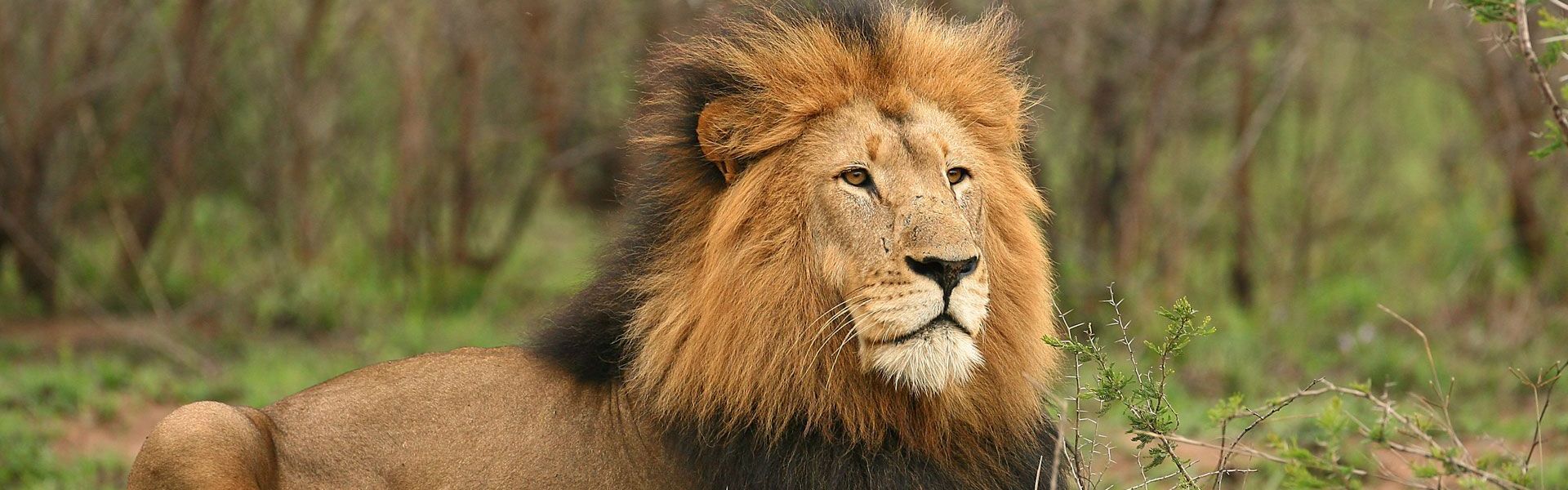
Ruaha National Park is home to one of the largest lion populations on the African continent. Estimates suggest that the park hosts between 10% and 15% of Africa's entire lion population, with numbers ranging from 2,000 to 3,000 individuals. Lion prides in Ruaha are known for their impressive size, often comprising "twenty or more" members , and some have even been observed with "over thirty individuals".
These exceptionally large prides necessitate a plentiful food supply, driving them to hunt substantial prey such as buffalo and giraffe. A particularly unique and remarkable behavior observed among Ruaha's lions is their specialization in hunting elephants, earning them the moniker "elephant killers". This rare and fearsome skill is known to occur in only one other location in Africa, the Savuti region of Botswana. This adaptation often arises when their primary prey, such as buffalo herds, migrate away from certain areas during the year, compelling the lions to target available megafauna.
The ability of Ruaha's lions to hunt elephants demonstrates a remarkable ecological adaptation. It indicates that this predator population is highly flexible and intelligent in its hunting strategies, responding effectively to seasonal variations in prey availability. This behavior reflects a robust and adaptable predator population within a dynamic ecosystem, showcasing a high level of cooperative hunting skill among the prides. This unique behavior makes Ruaha a particularly compelling destination for lion enthusiasts and researchers alike, offering an unparalleled opportunity to witness complex predator-prey dynamics. The absence of typical prey like wildebeest in Ruaha further highlights how the lions have developed specialized hunting techniques for the large mammals available to them. Ruaha's lions are not just numerous; their specialized hunting behavior makes them a significant subject for studying carnivore ecology and adaptation, offering a truly unforgettable experience for visitors.
The Elusive and Endangered: African Wild Dogs
Ruaha National Park serves as one of the last crucial refuges for the endangered African wild dog. These highly social carnivores are among the most critically endangered in the world, facing severe threats from habitat loss and human-wildlife conflict. The broader Ruaha ecosystem is believed to support some of the most important remaining populations of African wild dogs globally.
The park's immense size and relatively low human disturbance provide the extensive ranges that these wide-ranging predators require to thrive. Conservation efforts within Ruaha are specifically focused on protecting these vulnerable animals. This includes dedicated Wild Dog Recovery Programs that involve closely monitoring their movements, health status, and behavior. Furthermore, significant efforts are underway to minimize human-wild dog conflict, working with local communities to implement strategies that prevent attacks on livestock and foster coexistence. This proactive and targeted conservation strategy makes Ruaha a beacon of hope for this vulnerable species. Ruaha's success in protecting wild dogs underscores the importance of large, well-managed protected areas and community-based conservation approaches for species that face significant threats from habitat loss and human interaction outside park boundaries.
A Parade of Antelopes: Unique Diversity
Ruaha National Park is distinguished by its incredible and unique diversity of antelope species. This richness is a direct consequence of the park's position as an ecological transition zone, where species typically found in East Africa overlap with those from Southern Africa.
Visitors to Ruaha have the rare opportunity to observe both the greater and lesser kudu, magnificent antelope species that are not commonly found together in other parks. It is also one of the few places where Grant's gazelles can be seen grazing alongside impalas, showcasing this unique biological overlap. Beyond these, the park is home to a variety of other impressive antelopes, including the majestic roan antelope, the elegant sable antelope, Lichtenstein's hartebeest, topi, and Bohor reedbuck.
This high diversity of antelope species indicates that Ruaha supports a broader range of herbivore niches, contributing significantly to the overall biodiversity of the park. Each species is adapted to specific habitat types found within Ruaha's varied landscapes, from open grasslands to dense miombo woodlands. This unique blend of species is a direct outcome of its location at the intersection of different ecological zones. For visitors, this means a chance to see species that might otherwise require visiting multiple parks in different parts of Africa, making Ruaha a highly rewarding destination for wildlife enthusiasts and a fascinating study of ecological convergence.
Other Fascinating Creatures: Leopards, Cheetahs, and More
Beyond its famous elephants and lions, Ruaha is a haven for a wide array of other captivating animals, contributing to its reputation as a biodiversity hotspot. Leopards, known for their elusive nature and superb camouflage, are present throughout the year and are often spotted lounging in trees or stalking prey. Cheetahs, the fastest land animals, also roam the park, though their vast ranges can make them a more challenging but rewarding sighting.
The park's unique ecological position is further highlighted by the presence of both striped hyenas and their more common spotted cousins, a rare co-occurrence in African parks. Smaller carnivores like bat-eared foxes and jackals are also common sights. Ruaha also provides a crucial sanctuary for rare and endangered species such as the pangolin, one of Africa's most trafficked animals, making a sighting of these fascinating creatures a truly special event.
The park's diverse primate population includes common species like yellow baboons, vervet monkeys, and bushbabies, with the possibility of spotting the more elusive colobus monkey. The Great Ruaha River itself is teeming with life, serving as home to enormous Nile crocodiles and large pods of hippos, which can be observed basking on the sandbanks or submerged in the water.
This wide array of predators, including lions, leopards, cheetahs, wild dogs, and various hyena and jackal species, indicates a very healthy and complex ecosystem with a robust prey base. A diverse predator guild points to a stable food chain and healthy competition, which in turn helps regulate herbivore populations and maintain the overall balance of the ecosystem. The park's rugged terrain is particularly well-suited for leopards, further demonstrating how specific landscape features support distinct predator populations. For visitors, this translates into exceptional game viewing opportunities, with a high chance of encountering multiple large carnivore species, making every game drive thrilling and unpredictable.
A Birdwatcher's Paradise: Feathers in Flight
Ruaha National Park is widely recognized as a premier destination for birdwatching, boasting an astonishing avian diversity. Over 500 to 570 different bird species have been recorded within its boundaries, making it one of Tanzania's top birding destinations. This impressive number includes both resident species that call Ruaha home year-round and a significant influx of migratory birds that arrive from distant lands, including Europe, Asia, and even Madagascar.
Birdwatchers can expect to see a vibrant array of colorful species, such as various hornbills (including the distinctive Ruaha red-billed hornbill), kingfishers, sunbirds, the striking lilac-breasted roller, majestic fish eagles, and many more. The park's diverse ecosystems, from open savannahs to riverine thickets and wetlands, provide a variety of habitats that cater to different avian needs.
The wet season, spanning from November to April, is considered the optimal time for birdwatching. During these months, the arrival of migratory birds swells the park's avian population, and the landscape transforms into a lush, green paradise, offering excellent photographic opportunities. The quietness of the park, characterized by low visitor numbers, further enhances the birdwatching experience, allowing for undisturbed observation and photography. This seasonal shift means that while the dry season is ideal for large mammal viewing, the wet season offers a different yet equally rewarding safari experience, making Ruaha a compelling year-round destination for nature enthusiasts. Ruaha's rich birdlife is a clear indicator of its healthy and varied ecosystems, showcasing a remarkable balance of nature.
Chapter 4: The Iconic Baobab: Tree of Life
The "Upside-Down" Tree: Appearance and Age
Baobab trees are an unmistakable and iconic feature of Ruaha's dramatic landscape, standing as natural sentinels across its plains. Revered for their resilience and longevity, they are often affectionately called the "tree of life".
These magnificent trees possess a truly unique appearance, especially when they shed their leaves during the dry season. Their stout trunks and stubby, gnarled branches reaching for the sky create a silhouette that strikingly resembles an inverted tree, leading to their popular nickname, the "upside-down tree". Baobabs are among the oldest living things on Earth, with some believed to live for 2,500 years or even more. They are also the largest trees in Africa, with the trunks of large specimens attaining girths of 30 meters or more; the largest ever recorded measured a colossal 47-meter circumference. However, because they are essentially succulents without true heartwood, their age cannot be accurately determined by traditional methods.
The extreme longevity and unique appearance of baobabs connect the landscape to deep time and ancient myths. They stand as living monuments, symbolizing the enduring nature of the African wilderness and its hidden stories. Their ability to store vast amounts of water also makes them a powerful symbol of survival in arid environments. The baobab thus becomes a profound visual and symbolic element of the Ruaha experience, representing the park's ancient past and its remarkable capacity to sustain life even in challenging conditions.
A Lifeline for Wildlife and Humans
The baobab's title as the "tree of life" is deeply rooted in its vital role as a keystone resource for both wildlife and humans, particularly in the seasonally arid regions where it thrives. These trees function as natural "water tanks," with a large specimen capable of storing as much as 100,000 liters of water in its fibrous body.
During dry periods, elephants frequently gouge out and chew on the moist, pulpy fiber of the baobab's trunk to access this stored water. In severe droughts, elephants can consume so much of the trunk that it causes the tree to collapse, whereupon it is devoured entirely. The bark of the baobab also contains a weak antibiotic, which is believed to be the reason why elephants, giraffes, and other animals are drawn to chewing its trunk and branches.
For millennia, humans have also found countless uses for the baobab tree and its various parts. The bark fiber can be processed to make strong rope or woven into material. The seeds, found within the velvety, coconut-like fruits, are comprised almost entirely of cream of tartar, offering a natural sherbet-like treat for children. These seeds are highly nutritious, providing carbohydrates, proteins, fats, and acting as a virtual multi-vitamin and mineral cocktail, with high levels of vitamin C and thiamin, and about 50 percent dietary fiber. Even the leaves can be eaten as vegetable greens.
The baobab's ability to provide water and nutrients, especially in harsh, arid conditions, establishes it as a keystone species in the ecosystem, supporting a wide array of life from small insects to large mammals. Its extensive utility for humans also highlights how local communities historically depended on and interacted with the natural environment. This deep interdependence underscores the tree's profound significance, making its conservation crucial for the entire ecosystem.
Myths, Legends, and Practical Uses
The striking and often eerie appearance of baobab trees, particularly when bare of leaves, has naturally woven them into the rich tapestry of African myths and legends. One prevalent myth recounts that God, in a fit of rage, flung them from the heavens, causing them to land upside down as punishment for their supposed desire to walk about freely like humans. This story reflects the indigenous peoples' deep connection to and interpretation of their environment.
As baobabs age, particularly around 1,000 years, their trunks tend to open out, forming natural hollows and cavernous spaces. These internal reservoirs serve as shelters and homes for a diverse array of creatures, including bees, tree agamas, snakes, birds, squirrels, bush babies, and bats. In some instances, these ancient, hollowed-out trees have even been used by humans as homes, jails, and pubs, providing a unique historical record of human adaptation and interaction with the landscape.
Visitors to Ruaha might notice pockmarks or old wooden pegs embedded in the bark of some older baobabs. These are not natural blemishes but remnants of a bygone era: they served as ladders for wild honey collectors from a time before the area was declared a national park. A wild honey hive was a valuable treasure in the African bush, often owned by a specific hunter or clan. These physical markers of past human activity, alongside the enduring myths, demonstrate the long-standing coexistence and resource utilization by local communities prior to the formal establishment of the park. This adds a layer of human heritage to the natural landscape, making the trees more than just botanical specimens.
The baobab trees also exhibit a fascinating reproductive cycle. They seem to anticipate the arrival of the first rains, quickly producing delicate white flowers that hang like lanterns from their finger-like branches. These flowers, with their white petals surrounding pollen-saturated stamens, last for only a few days before dropping off, signaling the appearance of the first leaf sprouts. The trees "walk about" in a reproductive sense, as their pollen attracts sunbirds during the day and frugivorous bats at night, facilitating their spread. These stories and historical markers enrich the safari experience, offering visitors a glimpse into the cultural tapestry woven into Ruaha's wilderness, connecting nature with human history and tradition.
Chapter 5: Miombo Woodlands: Ruaha's Unique Ecosystem
Understanding Miombo: Africa's Extensive Woodlands
Miombo woodlands represent the most extensive tropical seasonal woodland type in Africa, covering vast areas across central and southern parts of the continent. These distinctive woodlands are characterized by the dominant presence of specific types of trees, particularly from the Brachystegia and Julbernardia genera of the legume family.
Miombo woodlands typically thrive on geologically old and less fertile soils, adapting to a hot, tropical climate that features a long dry season, sometimes lasting up to seven months. A remarkable adaptation to these arid conditions is the trees' deciduous nature: they characteristically shed their leaves for a short period during the dry season to reduce water loss. Just before the onset of the wet season, they produce a flush of new leaves that display rich gold and red colors, temporarily masking the underlying chlorophyll, a phenomenon reminiscent of autumn colors in temperate zones. This unique color change is a visible indicator of their successful adaptation to seasonal water scarcity.
Despite the challenging conditions of poor soils and prolonged dry spells, miombo woodlands are exceptionally rich in plant species. They are estimated to host around 8,500 species of higher plants, with over 334 tree species, more than half of which are thought to be unique to this biome. This high plant diversity, including endemic species, highlights the miombo's unique evolutionary path and significant ecological value. The deciduous nature of the trees is a key adaptation, allowing them to conserve water, and the unique color change is a visible indicator of this adaptation. This demonstrates that miombo is a dominant and resilient ecosystem, contributing significantly to regional and global biodiversity.
Miombo's Role in Ruaha's Biodiversity
Ruaha National Park encompasses significant areas of miombo woodlands, particularly in its southern and western sections. The presence of this distinct woodland type adds considerably to the park's already diverse habitats, which also include golden savannahs, open grasslands, and riverine thickets.
The miombo woodlands provide crucial food and shelter for a wide array of wildlife. They support large mammals such as African elephants, giraffes, zebras, and wildebeest. Importantly, the miombo is also the preferred habitat for specific antelope species, including the magnificent sable and roan antelopes, which are often sought after by visitors. Furthermore, these woodlands sustain a healthy population of large carnivores, including lions, leopards, cheetahs, and the endangered African wild dogs.
The inclusion of miombo woodlands within Ruaha contributes directly to the park's unique diversity by providing specialized habitats for certain species that might not thrive in more open grasslands or riverine areas. This habitat diversity is a key reason why Ruaha is considered a "convergence of ecosystems" and is home to a remarkable mix of species from both East and Southern Africa. For example, the miombo is where one would typically encounter the sable and roan antelopes, which are less common in other Tanzanian parks. Understanding the role of miombo woodlands therefore helps visitors appreciate the subtle ecological differences within the park and how these variations support its overall rich biodiversity, making a safari in Ruaha a more nuanced and rewarding experience.
The Importance of Fire and Conservation
Fire is a natural and integral component of the miombo woodlands ecosystem, playing a role in shaping its vegetation structure and ecological processes. However, human activities can exacerbate the frequency and intensity of fires, transforming a natural process into a significant threat.
The miombo woodlands face considerable pressures from human-induced activities. These include clearing land for agriculture and ranching, unsustainable charcoal production driven by increasing urban demand, and illegal logging, particularly for valuable timber like African blackwood. Poaching of elephants and rhinos also remains a persistent threat within these woodlands, alongside other forms of illegal wildlife trade, fishing, and mining.
Despite these challenges, a large portion of the Eastern miombo woodlands in Tanzania is protected within major conservation areas, including the Selous Game Reserve and Ruaha National Park. Conservation efforts within Ruaha are ongoing, focusing on habitat preservation and combating these threats. The fact that miombo woodlands are important for the livelihoods of many rural people, who depend on non-timber products such as fruits, honey, and fuelwood, creates a direct link between human well-being and ecosystem health.
This highlights the delicate balance in miombo ecosystems, where traditional practices, such as slash-and-burn farming, and modern pressures can disrupt natural cycles. The challenge lies in managing human interaction with the miombo to allow for natural processes while preventing destructive impacts. This often involves promoting "sustainable land use practices" and finding ways for communities to benefit from the woodlands without degrading them. This integrated approach is a key part of Ruaha's broader conservation strategy, moving beyond simple protection to sustainable coexistence. The miombo woodlands in Ruaha thus represent a critical area where the success of conservation hinges on integrating ecological understanding with community development and responsible resource management.
Chapter 6: Unforgettable Adventures: Unique Experiences in Ruaha
Thrilling Game Drives: Day and Night
Game drives are a cornerstone of the safari experience in Ruaha National Park, offering visitors the chance to explore the vast wilderness in open 4x4 vehicles and observe wildlife up close in their natural habitats. These drives can be enjoyed throughout the day, with morning and afternoon excursions providing opportunities to witness various animal behaviors as the light changes across the savannah.
What makes Ruaha particularly distinctive is the availability of night game drives, an activity permitted in only a few parks in Tanzania. Venturing out after sundown with a spotlight provides an exhilarating experience, allowing visitors to glimpse the park's nocturnal creatures when they are most active. This includes elusive predators like leopards and hyenas, as well as rare species such as pangolins, unveiling a completely different side of the park's wildlife. The inclusion of night game drives significantly broadens the scope of wildlife encounters, allowing visitors to witness different animal behaviors and species that are not visible during the day, thus providing a more comprehensive and unforgettable wildlife experience.
The dry season, typically from June to October, is especially rewarding for game viewing. During these months, as water sources become scarce, animals congregate around the Great Ruaha River and other remaining waterholes, making sightings more frequent and concentrated. This enhances the chances of observing dramatic interactions between predators and prey. Ruaha's flexibility in offering both day and night game drives caters to different interests and enhances the overall value proposition for visitors, distinguishing it from parks with more restricted activity options.
Immersive Walking Safaris: Exploring on Foot
Walking safaris offer a truly immersive and intimate way to experience the wonders of Ruaha National Park. Accompanied by skilled park rangers and knowledgeable local guides, visitors can stroll along well-marked paths through the bush, shrubs, and even dry riverbeds.
This activity provides a unique perspective, allowing visitors to observe the smaller, often overlooked details of the bush, such as animal footprints, intricate insect life, and the subtle behaviors of birds in the trees. Unlike vehicle-based game drives, walking safaris eliminate the noise and disturbance of a vehicle, fostering a deeper sensory connection with the environment. It is an opportunity to "get up close with Ruaha's ecosystem," learning about flora and fauna that might be missed from a distance. This slower pace allows for a greater appreciation of the ecosystem's intricacies and fosters a more profound understanding of the wilderness.
Ruaha is considered an exceptional destination for walking safaris, particularly during the dry season when the vegetation thins out and visibility improves. For the more adventurous, some camps offer "fly camping" expeditions, providing the unique experience of spending nights under the stars in remote areas of the park. The ability to embark on "off-grid" walking safaris with lightweight mobile camps further enhances the sense of adventure and wildness. Walking safaris in Ruaha are therefore not just an activity but a transformative experience that fosters a deeper understanding and respect for the wilderness, aligning perfectly with the park's uncrowded, authentic appeal.
Serene Boat Safaris on the Great Ruaha River
Boat safaris provide another exciting and distinct way to explore Ruaha National Park, offering a unique perspective from the waters of the Great Ruaha River. Drifting along the river's gentle current, visitors can witness the vibrant ecosystem that thrives along its banks.
This activity offers unparalleled close encounters with aquatic wildlife, allowing observation of sunbathing crocodiles, their ancient forms seemingly frozen in time, and large pods of hippos submerged in the water. During the dry season, when the river becomes the primary water source, many land animals also converge on the riverbanks to quench their thirst, providing excellent viewing opportunities from the boat. The riverbanks themselves are adorned with lush greenery and towering trees, creating a tranquil setting complemented by the soothing sounds of flowing water and the symphony of birdsong.
This water-based perspective complements land-based activities, allowing for the observation of species and behaviors unique to the river environment. During the dry season, the concentration of wildlife around the river makes boat safaris particularly fruitful for sightings. The serene atmosphere offers a peaceful contrast to the excitement of land drives, providing a different dimension to the safari experience. The availability of boat safaris effectively leverages Ruaha's central geographical feature, the Great Ruaha River, to provide a multi-dimensional and seasonally relevant safari experience, enhancing the park's overall appeal.
Connecting with Culture: Local Tribes and Traditions
Ruaha National Park offers enriching opportunities for "cultural encounters," allowing visitors to connect with the local communities that share the broader landscape. Visitors can participate in cultural tours to local villages, gaining a deeper understanding of the unique traditions, customs, and daily lives of tribes such as the Gogo, Hehe, and Kinga peoples.
These tours provide a chance to step inside traditional homesteads, interact directly with community members, and even join in traditional dances, fostering meaningful bonds with their vibrant cultural heritage. Such experiences are not merely tourist activities; they are integral to the park's sustainable conservation strategy. By involving local communities and sharing tourism revenue, the park aims to create a "mutually beneficial relationship" between conservation efforts and local livelihoods. These initiatives promote "eco-friendly practices" and provide "conservation education" to locals, shifting the narrative from historical exclusion to active inclusion.
This approach directly addresses the historical and ongoing human-wildlife conflicts and issues of displacement that arose during the park's establishment and expansion. It moves towards a more holistic and ethical model of protected area management, where the traditional "human-nature dichotomy" is bridged. Revenue generated from tourism, including these cultural tours, helps fund local development projects such as schools, clinics, and infrastructure, directly contributing to poverty reduction and raising incomes in these communities. Ruaha's cultural encounters thus offer a vital component of its sustainable conservation strategy, demonstrating how tourism can directly contribute to local empowerment and the long-term well-being of both people and nature.
Beyond the Usual: Hot Air Balloons and Fishing
For those seeking truly extraordinary perspectives and specialized interests, Ruaha National Park offers activities that extend beyond the traditional safari experiences.
A hot air balloon safari provides a spectacular aerial view of the park, allowing visitors to witness the vastness of the landscape and observe herds of elephants, antelopes, giraffes, and even predators from a unique vantage point high above the ground. This offers a serene yet breathtaking way to appreciate the scale and beauty of Ruaha's wilderness, with a hundred birds chirping around the open-air flight. This activity provides a broader range of activities beyond traditional game drives and walks, catering to a wider range of visitor preferences and potentially attracting new segments of tourists, contributing to park revenue for conservation.
Additionally, spot fishing is available within the park, catering to angling enthusiasts. The park adheres to a strict "catch and release" policy, ensuring that fish are returned to the water after being caught. This sustainable practice allows visitors to enjoy the recreational aspect of fishing while minimizing impact on the aquatic ecosystem. Ruaha's willingness to offer these specialized activities showcases its commitment to providing a comprehensive and varied safari experience, further distinguishing it as a versatile and appealing destination.
Chapter 7: Planning Your Ruaha Safari: Visitor Information
When to Visit: Seasons and Wildlife Viewing
Ruaha National Park experiences two distinct seasons that significantly influence the safari experience: the dry season and the wet season. Understanding these seasonal variations is key to planning a trip that aligns with specific interests.
The dry season, which typically runs from June to October, is widely regarded as the best time for game viewing. During these months, the weather is consistently warm and sunny, with very little rainfall. As the landscape becomes parched, vegetation thins out, improving visibility for spotting animals. Crucially, animals congregate in large numbers around the Great Ruaha River and other remaining waterholes, making sightings more frequent and concentrated. Daytime temperatures during this period generally range between 25°C and 29°C (77°F and 84°F), with cooler nights. This period is ideal for those prioritizing large mammal sightings and dramatic predator action.
Conversely, the wet season, from November to April, transforms the park into a lush, green landscape and is considered the best time for birdwatching. This period sees the arrival of hundreds of migratory bird species from Europe, Asia, and Madagascar, swelling the park's avian population and creating a vibrant spectacle of feathers and song. The climate is hot and humid, with afternoon thunderstorms being common, though it is unusual for rainfall to last throughout the entire day. January and February fall within the peak of the green season, offering the added benefits of fewer tourists and often better accommodation rates. While game viewing can be more challenging due to thicker vegetation, the lush scenery and abundance of water attract unique animal behaviors, including the presence of newborn animals. This seasonal variation allows for different types of safari experiences, ensuring that the "best time to visit" is subjective and depends entirely on the traveler's primary interests, whether it be concentrated game viewing or exceptional avian diversity.
Getting There: Access Routes and Travel Tips
Ruaha National Park's relative inaccessibility compared to the more frequented northern parks contributes significantly to its uncrowded and authentic feel. This journey is often considered part of the adventure, leading to a more profound wilderness experience.
The easiest and most recommended way to reach Ruaha is by flight. Scheduled or charter flights are available from major cities and other popular safari hubs in Tanzania, including Dar es Salaam (Julius Nyerere International Airport - DAR), Arusha, Zanzibar, Mikumi, and Nyerere National Park. Most tour operators will arrange these domestic flights as part of a comprehensive safari package, ensuring a smooth transition to the park's airstrips.
Alternatively, travelers can choose to reach Ruaha by car, though this option requires more time and preparedness. The park is approximately 130 kilometers (81 miles) west of Iringa, connected by a dirt road. A drive from Dar es Salaam spans about 600 kilometers (373 miles) and can take at least 10 hours, often involving dusty and bumpy sections. For those combining parks, the drive from Mikumi National Park to Ruaha is shorter, around 320 kilometers (200 miles), taking roughly 5 hours. It is important to note that road conditions can be challenging, particularly during the rainy season, necessitating robust safari vehicles and experienced drivers.
For an optimal experience, it is generally advised to spend a minimum of 2 days in Ruaha National Park due to its immense size, with 3 to 5 days being ideal to fully explore its diverse landscapes and wildlife. Hiring a professional guide or joining a reputable tour operator is highly recommended for a smoother and safer journey, as they possess the local knowledge and logistical expertise required for travel in this remote region. This "inaccessibility" is a direct cause of the park's unspoilt and peaceful nature, creating a self-selecting mechanism where visitors who make the effort are rewarded with a more authentic and uncrowded wilderness experience.
Where to Stay: Accommodation Options for Every Traveler
Ruaha National Park offers a range of accommodation options, catering to various preferences and budgets, both within its boundaries and just outside. These choices primarily consist of lodges and tented camps, designed to enhance the wilderness experience.
Accommodations span from ultra-luxury (Tier 1) suites, offering extensive services and amenities, to deluxe (Tier 2) and more simple, authentic "no-frills" lodgings (Tier 3) that emphasize immersion in the unspoiled wilderness. Highly recommended options include Jongomero Camp, known for its ultimate luxury and secluded setting in the southern wilderness, providing a sense of being utterly alone. Mwagusi Camp offers charming tented chalets, while Mdonya Old River Camp provides a simple, authentic safari base reminiscent of colonial-era hunting camps. Other notable choices include Ruaha River Lodge, owned by the pioneering Fox family, Kwihala Camp, Kigelia Ruaha, and Jabali Ridge, which offers luxury suites nestled in rocky outcrops.
A distinguishing feature of most accommodations in Ruaha is their unfenced nature, meaning that wildlife can freely roam through and around the camps. This design choice fosters a deeper connection to nature, allowing visitors to feel truly immersed in the wilderness, often hearing the calls of hyenas and jackals after dark. Some camps further enhance this immersive experience by offering unique activities like "fly camping," where adventurous guests can spend nights sleeping under the stars in remote bush locations. The focus on "simplicity and the essence of safari" at many of these camps reinforces the park's wild character. Ruaha's accommodation choices are thus not merely places to sleep but integral parts of the overall safari adventure, designed to maximize the sense of immersion and authenticity that defines the park.
Staying Safe and Healthy: Essential Tips
For a safe and enjoyable safari in Ruaha National Park, visitors should be aware of essential health and safety precautions, particularly concerning malaria and wildlife encounters.
Ruaha National Park is located in a malaria-endemic region, making it crucial for visitors to take proactive measures to prevent mosquito bites. This includes consistently using insect repellent, especially during dusk and dawn when mosquitoes are most active, wearing long-sleeved shirts and long pants, and ensuring that sleeping areas are protected by mosquito nets. It is highly advisable to consult a healthcare professional well in advance of the trip to discuss and obtain appropriate anti-malaria tablets (prophylaxis) and to adhere strictly to the prescribed dosage throughout the visit. Early detection and treatment of malaria are effective, so it is important to be vigilant for flu-like symptoms after returning home.
Regarding wildlife safety, visitors must always adhere to the guidelines provided by park rangers and safari guides. It is paramount never to approach or provoke wild animals, as they are unpredictable and can be dangerous. Staying within designated campsites and lodges is also recommended for security purposes, as these areas are managed to minimize risks from wildlife. These precautions are essential for a safe and enjoyable trip in a wild environment. The emphasis on following ranger guidelines and respecting wildlife boundaries underscores the park's commitment to both visitor safety and animal welfare. While Ruaha offers "raw, unfiltered drama" , it is a managed wilderness where rules are in place for everyone's protection. Responsible tourism in Ruaha therefore involves not only enjoying the wilderness but also respecting its inherent risks and contributing to conservation by adhering to safety protocols, ensuring a positive experience for both humans and wildlife.
Park Fees and Regulations: What You Need to Know
Understanding the park fees and regulations is an important part of planning a visit to Ruaha National Park. The entry fees vary depending on the visitor's nationality and the specific activities planned during the stay. International visitors typically pay higher fees than Tanzanian residents, a policy designed to promote domestic tourism.
These fees are not merely a cost but a vital contribution to the park's sustainability. They directly "help fund conservation efforts in the park and provide vital services for tourists," including park management, infrastructure maintenance, and anti-poaching initiatives. This establishes a clear financial link between tourism and the park's sustainability. By paying these fees, visitors become direct contributors to the protection of Ruaha's unique wildlife and ecosystems, making their safari not just a holiday but an act of conservation. This transparent funding mechanism reinforces the value of responsible tourism.
Fees are usually paid at the park entrance gates or are conveniently included as part of a comprehensive safari package booked through a tour operator. In addition to the basic entry fee, there may be supplementary costs for specific activities, such as guided walking safaris, night game drives, and vehicle entry fees. It is always advisable to confirm the exact costs with a tour operator before the trip to avoid any surprises. While Ruaha National Park generally welcomes visitors of all ages, certain activities, like walking safaris, may have minimum age requirements for safety reasons. The fee structure highlights the economic model of conservation in Tanzania, where tourism revenue is a critical component for protecting natural heritage and supporting local communities.
Chapter 8: Protecting Ruaha: Conservation Efforts and Challenges
The Threats Ruaha Faces: A Call to Action
Despite its status as a vital protected area, Ruaha National Park faces a complex array of challenges that threaten its long-term ecological integrity and the well-being of its wildlife. These threats are often interconnected, stemming from a delicate balance between human needs and environmental preservation.
Human-Wildlife Conflict is a significant concern. Local communities living near the park often depend directly on natural resources for their livelihoods, leading to pressures such as the expansion of farmland, the establishment of settlements, and the grazing of livestock within park boundaries. This encroachment can result in direct conflict, including illegal hunting. The proposed expansion of the park, intended for conservation benefits, has unfortunately exacerbated these tensions, leading to a "long-running dispute" with approximately 80,000 people living in the affected zone. Reports have highlighted concerns about human rights, including allegations of violence and inadequate compensation for displaced communities, underscoring the profound social dimension of conservation.
Water Scarcity poses an existential threat to the park, primarily due to the drying of the Great Ruaha River, its lifeblood. The main culprit is the large-scale, unregulated abstraction of water upstream for agricultural irrigation, particularly for rice farming in the Usangu Plains. This diversion of water has led to sections of the river experiencing months of zero-flows, which in turn causes disease and death among animals in the park, and disrupts hydropower generation for human populations.
Poaching, although significantly reduced through concerted efforts, remains a persistent threat, particularly for elephants and rhinos. Beyond large game, illegal wildlife trade, unsustainable fishing practices, logging, and mining activities continue to put pressure on the park's resources.
Climate Change further complicates these challenges. Erratic rainfall patterns and prolonged droughts intensify water scarcity, making the ecosystem more vulnerable to stress. Additionally, wildlife diseases, such as the emerging "giraffe skin disease" (GSD), have been observed to affect animal populations, hindering their movement and increasing their susceptibility to predation.
These complex and multi-faceted challenges underscore a strong causal link between human population pressures, poverty, and environmental degradation. For instance, water abstraction for agriculture, a human need, directly impacts the river's flow and ecosystem health, leading to animal deaths. Similarly, forced displacement during park expansion, while aimed at conservation, can lead to human rights issues and resentment, potentially undermining long-term conservation goals. This reveals that achieving "win-win outcomes for both ecosystems and human well-being" is essential but often difficult. The challenges highlight that conservation cannot succeed in isolation; it requires addressing underlying socio-economic issues, promoting sustainable livelihoods, and ensuring equitable resource management, rather than just enforcing boundaries. The historical "human-nature dichotomy" must be overcome to ensure the park's future. Ruaha thus serves as a living laboratory for understanding the complex interplay between human development and biodiversity conservation, emphasizing the urgent need for integrated, community-inclusive solutions.
Working Together: Anti-Poaching and Community Programs
In response to the multifaceted threats, numerous organizations and government bodies are actively engaged in comprehensive efforts to protect Ruaha and its invaluable wildlife, fostering a collaborative approach to conservation.
Anti-Poaching Initiatives have seen significant success within the park. The Tanzania National Parks Authority (TANAPA) works closely with local communities and conservation organizations to combat poaching. These efforts include rigorous patrols, enhanced surveillance, and specialized training for park rangers, equipping them with sophisticated combat techniques and communication equipment like GPS systems. Such focused interventions, including "Operation Tokomeza," have led to a remarkable reduction in poaching incidents, with elephant poaching, for example, decreasing by 56 percent by 2013/2014 and reaching its lowest level since 2006. This demonstrates the effectiveness of integrated strategies that combine enforcement with community buy-in.
Community Involvement Programs are crucial for building a mutually beneficial relationship between the park and local people. The Ruaha Carnivore Project, for instance, implements practical solutions by building "predator-proof enclosures" (bomas) to protect livestock from carnivores at night, thereby reducing human-wildlife conflict. They also provide educational DVDs, offer scholarships, supply school materials, and subsidize veterinary care for livestock, directly addressing community needs. A notable initiative involves training young Barabaig warriors to monitor lions instead of engaging in traditional retaliatory killings, transforming them into conservation partners. Similarly, the Friends of Ruaha Society (FORS) focuses on environmental education in primary schools and trains local game scouts, fostering a new generation of conservationists.
A leading example of community-based wildlife management is the MBOMIPA program (Matumizi Bora ya Malihai Idodi na Pawaga), a successful association of 19 village communities. MBOMIPA manages a Wildlife Management Area (WMA) along the park's southern border, where local villages benefit from the sustainable use of natural resources and tourism activities, including photographic safaris and cultural tours that allow visitors to interact with local cultures. This revenue-sharing model helps fund local development projects like schools and clinics, directly contributing to poverty reduction and empowering communities to participate in conservation.
In terms of Water Conservation, efforts are underway to promote sustainable farming practices upstream that use less water and to continuously monitor the health of the Great Ruaha River. This includes working with local communities to ensure responsible water resource management for both wildlife and human populations.
The shift from a purely protectionist approach, which historically involved forced removals, to one that actively includes community engagement and benefit-sharing, is a crucial development in Ruaha's conservation journey. This directly addresses the root causes of human-wildlife conflict and fosters local support for conservation. While significant progress is being made, particularly in reducing poaching, ongoing challenges, especially around park expansion and human rights, highlight that the path to truly sustainable conservation requires continuous dialogue, adaptation, and equitable solutions that prioritize both nature and people. The involvement of international bodies like the World Bank and UNDP, and the World Bank's cancellation of a project due to human rights concerns, further underscores the importance of ethical conservation practices. Ruaha's conservation journey is a powerful example of the evolving landscape of wildlife protection, where success increasingly depends on collaborative governance, local empowerment, and a holistic understanding of socio-ecological systems.
Conclusions
Ruaha National Park stands as a remarkable and multifaceted jewel in Tanzania's conservation crown. Its immense size, strategic location within the Eastern Rift Valley, and the unique convergence of East and Southern African ecosystems collectively create an unparalleled biodiversity hotspot. The park offers an authentic, uncrowded safari experience, a distinctive appeal for those seeking true solitude in the wild.
The Great Ruaha River, while the park's lifeblood, also represents a critical vulnerability, highlighting the delicate balance between human development and ecosystem health. The park's rich history, from ancient human habitation to colonial game reserves and modern expansions, underscores the complex interplay between conservation goals and the rights and livelihoods of local communities.
Ruaha's wildlife populations, particularly its significant elephant and lion numbers—including the rare elephant-hunting behavior of its lions—and its crucial role in the survival of endangered African wild dogs, make it a vital area for global biodiversity. The iconic baobab trees and the extensive miombo woodlands further contribute to its unique ecological character, each playing a critical role in sustaining life and reflecting deep cultural significance.
The diverse range of unique experiences available, from thrilling day and night game drives to intimate walking safaris, serene boat cruises, and enriching cultural encounters, caters to a wide spectrum of visitors. The park's seasonal variations offer different highlights, ensuring a rewarding visit whether one seeks intense wildlife viewing or exceptional birdwatching.
However, the park's future is not without its challenges. Human-wildlife conflict, water scarcity driven by upstream agricultural practices, and the ongoing need to balance conservation with community well-being remain critical issues. The success in combating poaching demonstrates the effectiveness of integrated, collaborative conservation strategies. The ongoing efforts to engage local communities, share tourism benefits, and promote sustainable resource management are crucial steps towards a more harmonious coexistence.
Ultimately, Ruaha National Park is more than just a protected area; it is a living laboratory and a symbol of the evolving landscape of conservation. Its continued success hinges on a shared responsibility among the Tanzanian government, conservation organizations, local communities, and international visitors. By understanding and supporting these efforts, visitors contribute directly to the preservation of this extraordinary wilderness, ensuring that Ruaha remains an untamed heart of Africa for generations to come.