
The Ultimate Guide to Minziro Forest Reserve Safaris

Minziro Nature Forest Reserve is located in Missenyi District, Kagera Region, along the Kagera River near the Uganda border. Covering approximately 24,841 hectares, it protects one of Tanzania’s largest and most ecologically unique forest types, Baikiaea, Podocarpus seasonal swamp forests and flooded acacia woodlands.
What makes Minziro exceptional is its continuity with Uganda’s Malabigambo Forest, forming a transboundary ecosystem that supports species from the Guinea-Congo biome—many of which are found nowhere else in Tanzania.
ESTABLISHMENT.
1947: Minziro was first gazetted as a Forest Reserve, primarily to protect its rare swamp forest and biodiversity.
2016: It was re-gazetted as a Nature Forest Reserve, a higher protection status under Tanzania’s forest conservation laws. This shift reflected growing concerns over illegal logging, habitat degradation, and the need for stricter management.
This reclassification also aligned Minziro with international conservation frameworks, including its designation as an Important Bird and Biodiversity Area (IBA) and its role in the Sango Bay–Musambwa Island–Kagera Wetland Ramsar Site, shared with Uganda.
Conservation Drivers.
The move to elevate Minziro’s status was driven by:
- High biodiversity: Over 245 bird species, including 56 found only in Minziro within Tanzania, and 600+ butterfly species, the highest concentration in Africa.
- Threats: Illegal logging (especially of Afrocarpus dawei), wildfires, and encroachment by pastoralists and farmers were degrading the forest and its ecotone.
- Community pressure: Surrounding villages relied on the forest for grazing, firewood, and farming, prompting the need for sustainable use policies and community engagement.
Strategic Importance.
Minziro’s establishment as a Nature Forest Reserve was not just ecological, it was strategic:
- It helps regulate the Kagera River floodplain, stabilizing water flow into Lake Victoria.
- It supports cross-border conservation diplomacy with Uganda.
- It offers eco-tourism potential, with nature trails, birding, butterfly viewing, and cultural sites like Burembe Hill (a World War I base).
u LOCATION AND ACCESSIBILITY.
· Minziro Nature Forest Reserve’s location and accessibility, with your focus on practical, community-aware tourism in mind:
Geographic Location.
Minziro Nature Forest Reserve lies in Missenyi District, within the Kagera Region of northwestern Tanzania. It stretches along the Kagera River, close to the Tanzania–Uganda border, and forms part of a transboundary ecosystem with Uganda’s Malabigambo Forest.
- Coordinates: Approximately 1.1058°S, 31.5161°E.
- Elevation: Around 1,150 meters above sea level, with gently undulating terrain and occasional rocky outcrops like Kere Hill.
- Nearby landmarks: Roughly 20 km from Lake Victoria, and adjacent to the Sango Bay–Musambwa Island–Kagera Wetland Ramsar Site.
This location places Minziro at a unique ecological crossroads, where East African savanna meets the Guinea-Congo rainforest biome.
Accessibility.
Minziro is remote but reachable, especially for travelers seeking off-the-beaten-path nature experiences. Here’s how visitors typically access it:
From Bukoba (Regional Capital)
- Distance: About 90 km southeast of Minziro.
- Route: Drive via Kyaka, then take the district road north to Minziro Village.
- Travel time: Approximately 2 hours by car.
From Mutukula (Border Town).
- Distance: Around 35 km
- Route: A shorter drive from the Tanzania–Uganda border, ideal for cross-border ecotourism or joint conservation visits
Entry Points.
- Main gateway: Bunazi town, which serves as a meeting point for guided tours and community-based excursions.
- Road condition: Mostly gravel and dirt roads; accessible by 4WD vehicles, especially during rainy seasons.
Supporting Facilities.
While Minziro is primarily a conservation area, it offers modest infrastructure for eco-tourists:
- Camping: Two designated sites, including Kere Hill, with basic amenities.
- Nature trails: About 14 km of marked paths for birding, butterfly viewing, and forest walks.
- Nearby accommodation: Lodges and guesthouses available in Bunazi, Mutukula, and Bukoba.
ACCOMMODATION.
Accommodation options in and around Minziro Nature Forest Reserve, tailored to your interest in community-conscious tourism and accessibility:
Inside the Reserve: Camping at Kere Hill.
Minziro offers one official camping site located at Kere Hill, a scenic rocky outcrop within the forest. This site is ideal for:
· Birdwatchers and butterfly enthusiasts, with easy access to nature trails.
· Researchers and eco-tourists seeking immersive forest experiences.
· Small groups (2–12 people) on guided excursions.
Facilities are basic but functional, including:
- Tent spaces with natural shade.
- Pit latrines and water access (seasonal).
- Firewood provided by local guides.
- Guided forest walks and cultural storytelling by Wahaya and Baganda elders.
Outside the Reserve: Lodging in Nearby Towns.
· For travelers seeking more comfort, accommodation is available in surrounding towns:
Bunazi Town (Main gateway).
· Closest urban center to Minziro.
· Offers guesthouses and homestays run by local families.
· Ideal for community-based tourism and cultural immersion.
Mutukula (Border town).
· About 35 km from the reserve.
· Lodges cater to cross-border visitors and conservation teams.
· Good for short stays and regional exploration.
Bukoba (Regional capital, ~90 km away).
· Wide range of options: hotels, inns, and B&Bs.
· Examples include Bukoba Executive Inn and local eco-lodges.
· Suitable for longer stays or staging multi-reserve visits.
Responsible Tourism Note.
Most accommodations near Minziro are locally owned, contributing to village economies. Visitors are encouraged to:
· Book through community tourism networks.
· Hire local guides trained in conservation and cultural interpretation.
· Participate in village-led activities like butterfly monitoring or forest restoration.
TRANSPORTATION.
Transportation to and within Minziro Nature Forest Reserve, tailored to your interest in practical access and community-based tourism:
Getting There: Routes to Minziro.
· Minziro is located in Missenyi District, Kagera Region, near the Tanzania–Uganda border. There are two main access routes:
From Bukoba (Regional Capital).
- Distance: ~90 km (approx. 2 hours by road).
- Route: Take the Bukoba–Mutukula tarmac road to Bunazi town, then turn west toward Minziro village.
Transport Options:
- Private vehicle: Most reliable for timing and comfort
- Public minibuses: Depart Bukoba around 11:00 AM, but may arrive late for early activities.
- Shared taxis from Bunazi: Available for the final 14 km stretch to the forest.
From Mutukula (Border Town).
- Distance: ~35 km.
- Route: Drive or take local transport to Bunazi, then follow the same route to Minziro.
- Ideal for: Cross-border visitors or those coming from Uganda.
On-Site Access: Reaching the Forest Interior.
Once at Minziro village, entry to the reserve is coordinated through the Minziro Forest Office, located near the district headquarters in Bunazi.
Entry fees:
- ~10 USD/day for non-residents.
- ~300 TZS/day for East African citizens.
Local guides:
- Required for forest access.
- Paid separately (~10,000 TZS/day).
- Offer cultural interpretation and nature walk support.
The forest itself is accessed via gravel roads and nature trails, best navigated by:
- Walking with guides (especially for birding and butterfly viewing).
- Motorbike taxis (bodaboda) for short transfers.
- 4x4 vehicles during rainy seasons.
Seasonal Considerations.
Minziro is a tropical forest, so:
· Rainfall is frequent, especially from March to May and October to November.
· Roads may become muddy, making 4x4s or motorbikes essential.
· Visitors should carry rain gear and waterproof bags, especially for cameras or field equipment.
Community Connection.
Transport services, especially taxis and minibuses, are often locally operated, contributing to village livelihoods. Visitors are encouraged to:
- Hire local drivers or guides.
- Coordinate with community tourism groups for logistics and storytelling.
- Time arrivals to support early morning birding or cultural walks.
UNIQUE FEATURES.
Minziro Nature Forest Reserve is one of Tanzania’s most ecologically rich and culturally resonant landscapes.
A Forest Unlike Any Other in Tanzania.
Minziro protects a rare Guinea–Congo lowland forest type, found nowhere else in the country. It’s essentially an eastern outlier of the vast Central African rainforest system, making it:
- Biogeographically unique, with species at the edge of their range.
- Seasonally swampy, dominated by Baikiaea–Podocarpus forests and flooded acacia woodlands.
- Transboundary, merging seamlessly with Uganda’s Malabigambo Forest.
This forest type supports flora and fauna more typical of Congo Basin ecosystems than East African ones.
Biodiversity Hotspot: Butterflies, Birds & More.
Minziro is a record-holder in several categories:
- 600+ butterfly species — the highest diversity of any forest in Africa
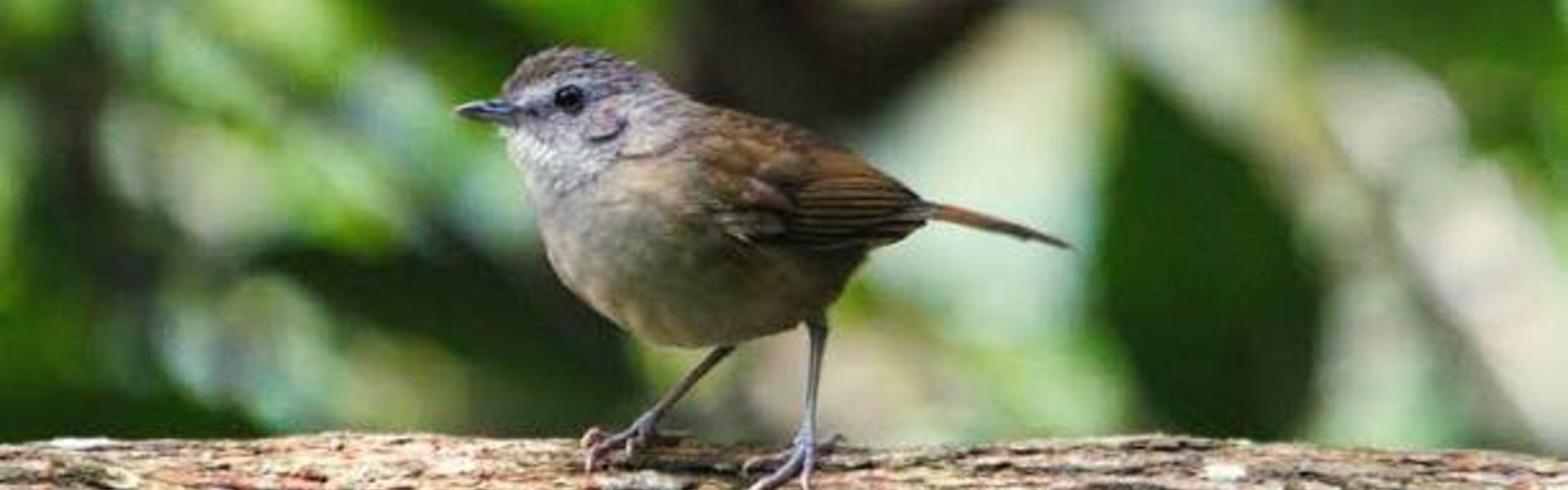
245 bird species, including:
- Blue swallow (a globally threatened migrant).
- Great blue turaco, forest francolin, and blue-breasted kingfisher.
- 58 species found only in Minziro within Tanzania.
- Rare mammals like bush babies, sitatunga antelope, and African golden cats.
Its location near Lake Victoria and the Kagera River enhances its ecological richness and supports wetland-dependent species.
Cultural & Historical Significance.
Minziro is deeply woven into the lives of Wahaya and Baganda communities, offering:
- Traditional nature trails guided by elders.
- Spiritual and cultural practices linked to forest sites.
- World War I relics at Burembe Hill, a former military base.
These features make it ideal for educational tourism, storytelling, and cultural exchange.
Conservation Challenges & Community Role.
Despite its beauty, Minziro faces threats like:
- Illegal logging of Afrocarpus dawei trees.
- Encroachment for grazing and farming, especially in wetland zones.
- Forest fires, often linked to charcoal production.
Local communities are increasingly involved in:
- Forest restoration.
- Eco-guiding and butterfly monitoring.
- Sustainable firewood collection programs.
These efforts reflect a growing commitment to community-led conservation.
TOURISM ACTIVITIES AND EXPERIENCE.
Minziro Nature Forest Reserve offers a rich tapestry of ecotourism activities and immersive experiences, deeply aligned with your passion for ethical, community-driven tourism. Here's a narrative breakdown of what visitors can do and feel when exploring this extraordinary forest:
Birdwatching: A Symphony of Rare Species.
Minziro is a birding paradise, home to over 245 bird species, including 58 that are found nowhere else in Tanzania. Visitors can expect:
- Early morning walks guided by local experts.
- Sightings of the blue swallow, great blue turaco, and forest francolin.
- Interpretive storytelling about bird migration and forest ecology.
This activity is especially rewarding from June to September, when migratory and resident species are most active.
Butterfly Viewing: Africa’s Crown Jewel.
With 600+ butterfly species, Minziro holds the highest butterfly diversity in Africa. The experience includes:
- Guided walks through flowering trails.
- Observation of vibrant species like Papilio, Charaxes, and Acraea.
- Participation in community-led butterfly monitoring programs.
Visitors often describe this as a meditative and magical experience, especially in the dry season (June–September).
Forest Hiking & Nature Trails.
Minziro features 14 km of nature trails, winding through swamp forests, acacia woodlands, and papyrus stands. Hiking here offers:
- Encounters with primates like bush babies and red-tailed monkeys.
- Views of towering Baikiaea and Afrocarpus trees.
- Interpretive walks led by Wahaya and Baganda elders, blending ecology with culture.
The terrain is mostly flat, making it accessible for a wide range of visitors.
Camping at Kere Hill
For those seeking deeper immersion, camping at Kere Hill provides:
· Panoramic views of the forest canopy.
· Nighttime sounds of forest dwellers—galagos, hyraxes, and owls.
· Campfire storytelling and traditional meals prepared by local hosts.
· This is ideal for small groups (2–12 people) and researchers.
Photography & Nature Viewing.
Minziro’s light-dappled forest, colorful insects, and dramatic wetland scenery make it a dream for photographers.
- Papyrus-lined banks of the Kagera River
- Misty mornings over swamp forests
- Close-ups of butterflies, birds, and flowering plants
Visitors often leave with images that tell stories of biodiversity and resilience.
Cultural & Spiritual Encounters.
Minziro is not just a biological treasure—it’s a living cultural landscape. Experiences include:
- Visits to Burembe Hill, a World War I site.
- Participation in spiritual rituals and forest blessings.
- Learning about traditional forest uses, taboos, and conservation ethics.
These moments foster deep connection and reflection, especially for those interested in heritage tourism.
Educational Tours & Research.
Minziro welcomes students, researchers, and conservationists for:
- Biodiversity surveys and ecological studies.
- Forest restoration and fire management workshops.
- Cultural documentation and oral history projects.
Local guides and forest officers support these efforts with rich local knowledge and hospitality.
BENEFITS OF LOCAL COMMUNITIES.
The communities surrounding Minziro Nature Forest Reserve benefit in profound and multifaceted ways—economically, ecologically, culturally, and socially. Here's a clear and narrative breakdown of those benefits, aligned with your focus on equitable, community-empowering tourism and conservation:
Livelihood Opportunities.
Minziro supports sustainable income generation for local residents through:
- Eco-guiding and tourism services: Trained locals lead birding, butterfly walks, and cultural tours
- Handicrafts and forest products: Use of palm leaves, sedges, and grasses for baskets, mats, and traditional items
- Firewood collection programs: Regulated access on designated days (e.g., Wednesdays and Saturdays) helps meet energy needs without harming the forest
- Butterfly monitoring and restoration work: Community members are paid to assist with biodiversity surveys and reforestation.
These activities offer alternative livelihoods to charcoal production and unsustainable farming, helping reduce pressure on the forest.
Ecosystem Services That Support Agriculture.
Minziro’s wetlands and forest cover help:
- Maintain soil moisture and fertility, boosting crop yields for coffee, maize, beans, and sugarcane.
- Regulate local rainfall and temperature, which residents link to food security and climate stability.
- Protect water sources used for drinking, livestock, and irrigation.
These services are especially vital in Missenyi District, where farming is a primary livelihood.
Cultural and Educational Value.
Local communities, especially Wahaya and Baganda groups, benefit from:
· Preservation of sacred forest sites and traditional knowledge.
· Opportunities to share cultural heritage with visitors through storytelling, rituals, and guided walks.
· Youth education programs on conservation ethics and forest history
This fosters pride, identity, and intergenerational learning, while positioning culture as a tourism asset.
Community-Led Conservation & Governance.
Minziro’s management increasingly involves local voices through:
· Joint Forest Management (JFM) agreements and village bylaws.
· Training in energy-saving technologies and sustainable land use
· Participation in decision-making forums tied to the Conservation Investment Plan (CIP).
These efforts empower communities to protect their environment while benefiting from it, creating a sense of ownership and stewardship.
Regional and Transboundary Collaboration
Minziro’s location near the Uganda border allows for:
· Cross-border conservation initiatives (e.g. SAMUKA Ramsar site collaboration).
· Shared tourism and research programs with Ugandan communities.
· Access to regional funding and training through programs like PREPARED and the Nile Basin Initiative.
This enhances economic resilience and environmental diplomacy across borders.
CHALLENGES, SOLUTIONS AND OPPORTUNITIES
Challenges, solutions, opportunities, and a thoughtful conclusion for Minziro Nature Forest Reserve, tailored to your holistic and community-focused approach to conservation and tourism:
Challenges.
Minziro faces a complex mix of ecological, social, and governance challenges:
Deforestation and illegal logging:
- Afrocarpus dawei and other valuable trees are targeted for timber and charcoal
- Logging often occurs at night using slow-burning compost to avoid detection
Wetland encroachment:
- Farmers and settlers clear marshy areas for agriculture, disrupting hydrology and biodiversity.
Forest fires:
- Caused by charcoal production and hunting practices, especially during dry seasons.
Weak enforcement and governance gaps:
- Forest officers are no longer stationed at key entry points.
- Some officials have issued illegal logging permits.
Climate change impacts:
- Reduced rainfall and rising temperatures threaten forest regeneration and water sources.
Limited community awareness:
- Many residents lack knowledge of the forest’s ecological and economic value.
Solutions.
Efforts to address these challenges are growing, with both local and national support:
Joint Forest Management (JFM):
- Villages collaborate with the Tanzania Forest Services Agency (TFS) to enforce bylaws and monitor forest use
Firewood collection regulations:
- Locals are allowed to collect firewood only on Wednesdays and Saturdays, reducing pressure on the forest
Energy-saving technology training:
- Residents are trained in improved cooking stoves and alternative energy sources
Conservation Investment Plan (CIP):
- Developed with support from USAID and the Lake Victoria Basin Commission
- Focuses on ecosystem restoration, livelihood development, and institutional strengthening
Transboundary collaboration with Uganda:
- Joint efforts under the SAMUKA Ramsar site to protect the Sango Bay–Minziro wetland system.
Community education and cultural engagement:
- Elders lead nature walks and storytelling to foster pride and conservation ethics.
Opportunities.
Minziro holds immense potential for ethical tourism, conservation, and community empowerment:
Ecotourism expansion:
- Birding, butterfly viewing, cultural trails, and camping at Kere Hill can attract niche travelers
Research and education:
- The forest’s unique biodiversity offers opportunities for universities, NGOs, and citizen science
Carbon and ecosystem service valuation:
- Wetlands and forests help regulate climate and water—valued at over USD 119 million/year.
Handicrafts and sustainable forest products:
- Palm leaves, sedges, and grasses support local crafts and income generation.
Regional investment and donor support:
- The CIP outlines bankable projects worth over USD 71 million over 10 years.
CONCLUSION
Minziro is not just a forest, t’s a living mosaic of biodiversity, culture, and resilience. Its challenges are real, but so are the solutions and opportunities. With stronger governance, community leadership, and ethical tourism, Minziro can thrive as a model of transboundary conservation and inclusive development.