
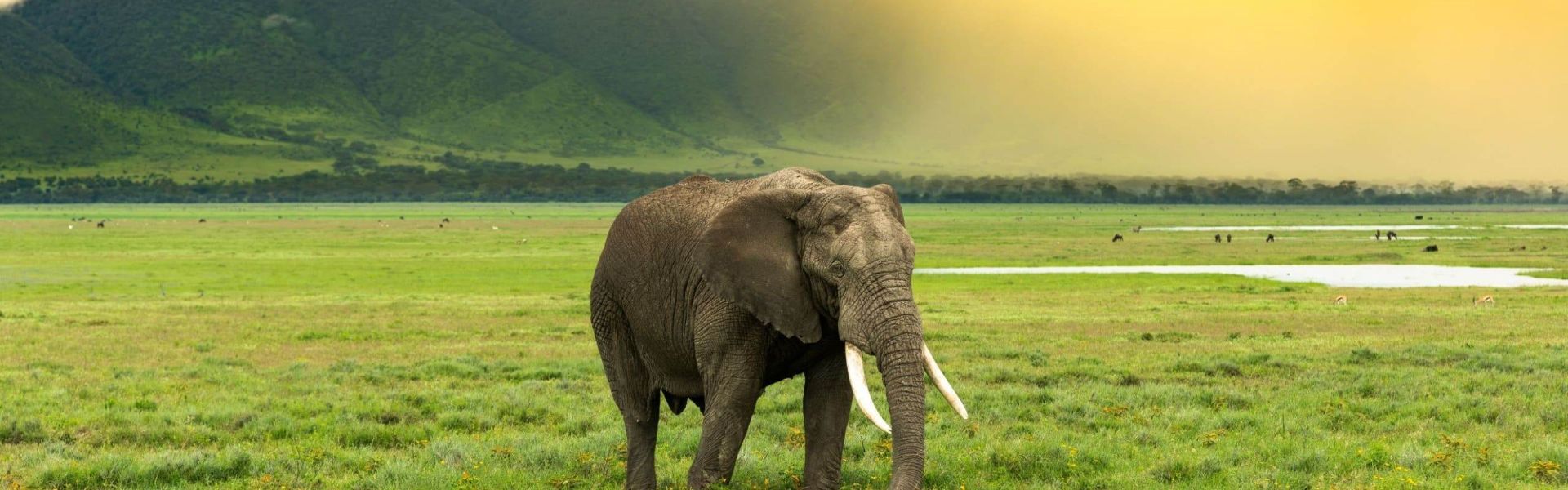
The Ultimate Guide to Moyowosi Safaris
Moyowosi Game Reserve, located in western Tanzania’s Kigoma Region, is one of the largest and most ecologically diverse protected areas in East Africa.This explores the reserve’s historical establishment, geographical attributes, biodiversity, tourism activities, hunting operations, Moyowosi Game Reserve was officially gazetted in 1981, upgraded from the former Moyowosi Game Controlled Area.
It was named after the Moyowosi River, a vital water source whose name originates from the Ha tribe’s word “Muyovozi”, meaning “a huge river that flows year-round and is difficult to cross”.The reserve forms part of the Malagarasi-Muyovozi Ramsar Site, the third-largest wetland site in the world and the first Ramsar Site in Tanzania, highlighting its global ecological importance.
LOCATION AND ACCESSIBILITY.
Moyowosi game reserves it located at the Western Tanzania, Kigoma Region of the Districts Kibondo and it's Approximately 11,430 km².Access by road and air (via Kifura, Kibondo, and Kasulu),Presence of three airstrips and challenges of remote accessibility
Transportation.
By Road.
Means of transport that you can use from Kigoma via Kifura, or Nyakanazi through Kibondo.Headquarters located at Kifura, ~30 km from Kibondo and ~115 km from Kasulu
By Air.
Accessible via airstrips at Kifura, Fish Eagle, and Samase,Charter flights available from Dar es Salaam or Arusha.
ACCOMODATION.
Staying in Moyowosi Game Reserve is a chance to truly immerse yourself in Tanzania’s untouched wilderness. While the area is remote and less commercial than major parks like Serengeti or Ngorongoro, its lodgings offer a raw and authentic bush experience especially perfect for nature lovers and adventurers.hat toexpect;
Inside the Reserve.
The reserve itself is home to tented safari camps designed to blend into the natural surroundings:
Samase Tented Camp.
Nestled near the Samase floodplain, this camp offers canvas tents with comfortable beds, mosquito nets, and private bathrooms. Dining is typically communal with meals prepared using local ingredients. Evenings are spent around the campfire, listening to wildlife and sharing stories.
Fish Eagle Tented Camp.
Located near the Moyowosi River, this camp gives you front-row access to birdlife and hippo sightings. The setup is similar—tented accommodations with essential amenities—but the tranquil riverside views make it a favorite among birdwatchers.
These camps are not luxury resorts, but they offer a deep connection to nature, guided safari experiences, and a peaceful atmosphere that many travelers crave.
Accommodation in Nearby Towns.
If you prefer more conventional lodging, towns like Kibondo, Kasulu, and Tabora offer basic guesthouses and budget lodges;
Tuja Lodge (Tabora) – Simple rooms with local hospitality, great for overnight stops before heading into the reserve.
Kazilo Lodge (Geita) – A quiet retreat for travelers who want comfort with accessibility to services like shops and transport.
Nyamwaga Lodge & Poyongo Lodge (Kigoma) – Good options for those exploring western Tanzania before venturing into Moyowosi. Both offer cozy rooms and Tanzanian cuisine.
These options work well for independent travelers or those passing through the region before joining an organized safari.
ACCESSIBILITY.
Accessing Moyowosi usually involves travel by road from towns like Kibondo or Kasulu, or by air using small airstrips near Samase and Fish Eagle Camps—ideal for charter flights or conservation staff.
Whether you're looking for an immersive bush experience or something more relaxed with local comforts, Moyowosi has a humble but heartwarming range of places to stay. Want help building a full travel plan or choosing the best spot based on your travel vibe
Best Time to Visit.
Dry Season: June to October – best for wildlife viewing
Wet Season: November to May – lush scenery and peak birding
Moyowosi is a hidden treasure for adventurous travelers, conservationists, and researchers. Its vast wetlands, rare species, and remote charm make it one of Tanzania’s most rewarding off-the-beaten-path destinations.
TOURISM EXPERIENCE AND ACTIVITIES.
Moyowosi is home to four of the Big Five (excluding rhino), with large populations of buffalo, elephants, lions, and leopards. Game drives — both day and night — offer thrilling opportunities to spot:
Sable and roan antelopes grazing in open grasslands
Giraffes and zebras wandering through miombo woodlands
Elusive wild dogs and hyenas on the hunt
Hippos and crocodiles basking along riverbanks
Guided drives are led by experienced rangers who know the terrain intimately, making sightings both safe and memorable.
Walking Safaris & Forest Treks.
For those who prefer a slower, more intimate pace, walking safaris are a highlight. These guided hikes allow visitors to:
Track animal footprints and learn about local flora
Explore the Moyowosi forest, home to monkeys that migrate from Gombe and Congo forests
Experience the quiet majesty of miombo woodlands and savanna grasslands
Birdwatching Paradise.
With over 400 bird species, Moyowosi is a dream for bird enthusiasts. The wetlands and woodlands host:
Rare species like the shoebill stork and wattled crane
Migratory birds from Europe and North Africa (best seen November–April)
Raptors such as fish eagles and bateleurs, plus dazzling lovebirds and weavers
Sport Fishing & Boating.
The Moyowosi River offers serene yet exciting fishing trips. Visitors can:
Catch tiger fish, catfish, and electric fish from small boats
Enjoy peaceful views of crocodiles and hippos in their natural habitat
Combine fishing with canoe excursions for a unique wetland experience
Scenic Beauty & Photography.
The reserve’s landscape is a mosaic of;
Floodplains, swamps, and meandering rivers
Lakes like Nyamagoma and Ibanda, and hills such as Mwalye and Mava
Papyrus swamps that support sitatunga antelopes and rare aquatic l
The dry season (June–October) offers the best visibility and wildlife concentration, while the rainy season (November–May) brings lush greenery and vibrant birdlife.
Accommodation & Local Touches.
Visitors can stay in tented camps like Samase and Fish Eagle, which offer;
Guided walks, bush breakfasts, and sundowners
All-inclusive packages with meals and drinks
Proximity to the Malagarasi River for scenic views
For budget travelers, Kibondo town offers simpler lodging options.
HUNTING ACTIVITIES.
Moyowosi offers free-range trophy hunting across vast, remote landscapes. The reserve is divided into hunting blocks, each managed by licensed outfitters such as Adam Clements Safaris, who operate across four concessions covering over 2 million acres. Hunting here is not just about sport — it’s a deeply immersive wilderness experience.
Features of hunting safaris include;
Spot-and-stalk techniques: Hunters track game on foot or by vehicle, guided by professional trackers.
arget species: Buffalo, lion, leopard, elephant (where permitted), sable and roan antelopes, greater kudu, eland, topi, and zebra.
Luxury tented camps: Camps like Samase and Fish Eagle offer full-board accommodation, bush cuisine, and charter flights from Kilimanjaro or Arusha.
Season: The hunting season typically runs from June to November, aligning with the dry season for optimal visibility and access.
Regulations Governing Hunting
Hunting in Moyowosi is governed by the Wildlife Conservation Act (Cap. 283) and the Tourist Hunting Regulations of 2015, overseen by the Tanzania Wildlife Management Authority (TAWA). These laws ensure sustainability, ethical practices, and community benefit.
Regulatory elements include;
Hunting Block Allocation.
Blocks are designated by the Director of Wildlife based on ecological criteria: species diversity, terrain, and recovery potential.
Each block must be at least 200 km², with boundaries marked by GPS and physical features.
Concessions are allocated for five-year terms, with performance reviews in year three to determine renewal eligibility.
Licensing & Fees.
Outfitters must be registered Tanzanian companies with proven wildlife business experience.
Hunters pay various fees:
Block fees: ~$50,000 USD per season for Category A blocks like Moyowosi.
Game fees: Based on species hunted (example, $1,500–$15,000 USD for buffalo or elephant).
Conservation fees: Support anti-poaching and habitat protection.
Professional hunter fees: Required for guides licensed by TAWA.
Ethical & Legal Restrictions.
No hunting of rhinos, pregnant females, or young animals.
Meat export is prohibited — only trophies may be exported.
Unlawful methods (e.g., baiting, spotlighting) are strictly banned.
All hunted animals must be recorded and reported to authorities.
Conservation & Community Impact.
Outfitters fund anti-poaching patrols, wildlife monitoring, and infrastructure.
Revenue supports local schools, clinics, and beekeeping projects, especially in villages bordering the reserve.Hunting blocks often serve as buffer zones, reducing human-wildlife conflict and protecting core conservation areas.
CONSERVATION CHALLENGES AND OPPORTUNITIES.
Conservation Challenges.
Despite its ecological richness, Moyowosi is under pressure from several human and environmental threats:
Illegal Activities.
Poaching: Armed poachers target elephants, buffalo, and antelope for ivory and bushmeat. Homemade muzzleloaders and snares cause suffering and ecological imbalance.
Illegal Logging: Gangs harvest valuable hardwoods like pod mahogany and bloodwood, threatening miombo forests and biodiversity.
Unregulated Fishing: Use of poison and dynamite in rivers like Moyowosi and Malagarasi harms aquatic life and contaminates water sources.
Bird Trade: Endangered species such as shoebills and wattled cranes are trapped for illegal sale, especially in wetland areas.
Encroachment & Land Use Change.
Agricultural Expansion: Wetlands are being drained and cleared for farming, especially tobacco curing, which accelerates deforestation.
Livestock Grazing: Herders bring cattle into the reserve, competing with wildlife for forage and water, degrading soil and vegetation.
Mining: Illegal gold mining disturbs wildlife and habitats, with dynamite explosions and habitat destruction.
Human-Wildlife Conflict.
Elephants and predators sometimes raid farms or livestock, leading to retaliation and strained community relations.
Climate & Wetland Degradation.
Seasonal flooding and droughts affect habitat stability. Wetlands fluctuate widely, impacting breeding grounds for birds and sitatunga antelopes.
Conservation Opportunities.
Despite these challenges, Moyowosi offers powerful avenues for ecological restoration and community empowerment:
Ramsar Designation.
As part of the Malagarasi-Muyovozi Ramsar Site, Moyowosi is internationally recognized for its wetland importance, attracting global conservation support.
Community-Based Conservation.
Projects like Nature Tanzania’s wetland and bird conservation initiative empower local champions from surrounding villages to monitor species and habitats.
Beekeeping near reserve boundaries helps deter elephants and provides income, aligning conservation with livelihoods.
Eco-Tourism & Trophy Hunting.
Regulated hunting and photographic safaris generate revenue for anti-poaching patrols, infrastructure, and community services.
Camps like Samase and Fish Eagle offer employment and training for locals, creating incentives to protect wildlife.
Scientific Monitoring & Restoration.
Surveys have identified over 96 key wetland sites for targeted conservation, especially for endangered birds.
Restoration of wildlife corridors and waterholes improves habitat connectivity and resilience to climate stress.
UNIQUE FEATURES.
Vast Wetland Ecosystem.
Moyowosi forms part of the Malagarasi-Muyovozi Ramsar Site, the third-largest wetland system in the world and the first Ramsar site in Tanzania. This international designation highlights;
Extensive papyrus swamps, floodplains, and oxbow lakes
Crucial breeding grounds for endangered birds like the shoebill stork and wattled crane
A vital water source for Lake Tanganyika, fed by rivers like Moyowosi and Malagarasi
Rare Aquatic & Terrestrial Wildlife.
The reserve is the only known habitat in East Africa for the slender-snouted crocodile, a species rarely seen elsewhere. It also shelters:
Sitatunga antelopes, adapted to swampy terrain
Wild dogs, an endangered predator thriving in remote woodlands
A full cast of Big Five (except rhino), plus roan and sable antelopes, topi, eland, and greater kudu
Undisturbed Miombo Woodlands.
Moyowosi’s miombo forests are among the least disturbed in Tanzania. These woodlands:
Support a booming beekeeping industry, with honey collection tied to conservation
Provide habitat for giraffes, zebras, and woodland birds like the yellow-collared lovebird
Scenic Diversity.
The reserve’s terrain is a mosaic of;
Meandering rivers like Malagarasi, with dramatic oxbows and floodplains
Lakes such as Nyamagoma, Ibanda, and Tanga
Swamps and dams like Kabele, Kiagama, and Murungu
Hills like Mwalye and Mava, offering panoramic views and geological interest
Cultural & Ecotourism Integration.
Moyowosi blends wilderness with community life:
Beekeeping near reserve edges deters elephants and supports village economies
Tented camps like Samase and Fish Eagle offer bush walks, fishing, and canoeing
Local guides lead forest treks, revealing monkey migration routes from Gombe and Congo forests
Moyowosi isn’t just a game reserve — it’s a living archive of biodiversity, a wetland of global importance, and a model for community-linked conservation. If you’d like, I can help you turn this into a presentation slide or a visitor briefing tailored to your audience.
CONCLUSION.
Moyowosi Game Reserve stands as one of Tanzania’s last great frontiers — a place where nature still pulses with raw, untamed energy. Stretching across over 11,000 km² of wetlands, miombo woodlands, and floodplains, it offers sanctuary to iconic wildlife, endangered birds, and rare aquatic species. From the haunting calls of shoebill storks to the thunderous charge of buffalo herds, Moyowosi is a sensory tapestry woven from water, earth, and life.
This richness is not without fragility. The reserve faces mounting pressures — poaching, illegal logging, mining, and encroachment that threaten its ecological balance. But within these challenges lie powerful opportunities. Its designation as part of the Malagarasi-Muyovozi Ramsar Site, its role in community-based conservation, and its blend of eco-tourism and regulated hunting make Moyowosi a model for sustainable wilderness stewardship.