
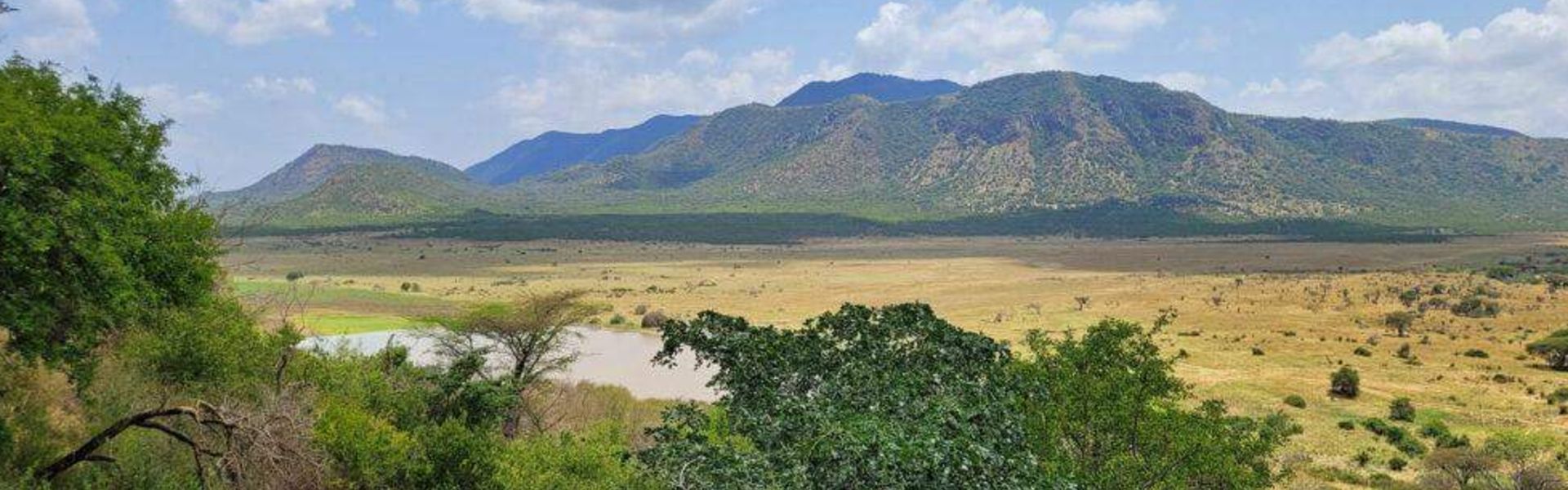
The Ultimate Guide to Umba River Safaris
The Umba River Game Controlled Area is a designated wildlife reserve located in the Tanga Region of northeastern Tanzania, near the border with Kenya.
Geographically.
Location: The reserve lies along the Umba River, which originates in the West Usambara Mountains and flows eastward into the Indian Ocean, crossing the Tanzania-Kenya border.
Nearby Settlements: It is situated close to localities like Rusanga and Godo, with Mkambini village in Kenya just 7 km to the east.
Purpose and Establishment.
a) The Umba River Game Controlled Area was established to protect wildlife habitats and conserve biodiversity in the region.
b) It forms part of a broader conservation landscape that includes the Mkomazi Game Reserve, together covering approximately 2,600 km².
c) The area was likely designated in response to increasing pressures on wildlife and ecosystems, including poaching, habitat degradation, and human encroachment.
UNIQUE FEATURES.
In the mid-1960s, the upper reaches of the Umba River were found to contain rich deposits of precious stones, such as sapphires and spessartine. This added economic interest to the region but also posed conservation challenges.
The river and its surrounding forests support a variety of flora and fauna, making it a critical ecological corridor between Tanzania and Kenya.
Conservation Significance.
The reserve plays a vital role in;
· Maintaining ecological balance in the Usambara ecosystem.
· Supporting migratory species that move between Tanzania and Kenya.
· Providing research opportunities for biodiversity and hydrology.'
WHY IT’S CALLED UMBA GAME CONTROLLED AREA.
The name "Umba River Game Controlled Area" is derived from its defining geographic and ecological feature—the Umba River, which flows through the reserve in northeastern Tanzania.
Named After the Umba River.
The Umba River originates in the West Usambara Mountains and flows eastward toward the Indian Ocean, forming a vital water source and ecological corridor.
The river's presence supports a rich diversity of wildlife and vegetation, making it a natural focal point for conservation efforts.
"Game Controlled Area"
A Game Controlled Area (GCA) in Tanzania is a type of protected area where regulated hunting and wildlife management are permitted under strict guidelines.
Unlike national parks, GCAs allow for sustainable use of wildlife resources, often involving local communities and licensed operators.
Why Combine the Two?
The name reflects both the geographic identity (Umba River) and the conservation status (Game Controlled Area).
It signifies a balance between protection and sustainable use, aiming to conserve biodiversity while allowing controlled human activity.
Historical.
· The area was officially designated under Tanzania’s Wildlife Conservation Act, with formal recognition likely occurring around the 1970s, as part of a broader effort to protect key ecosystems.
· Its proximity to the Mkomazi Game Reserve and the discovery of gemstone deposits in the 1960s added to its strategic and ecological importance.
LOCATION AND ACCESSIBILITY.
The location and accessibility of the Umba River Game Controlled Area in Tanzania
Location.
Region: Tanga Region, northeastern Tanzania
Districts: Primarily within Mkinga and Lushoto Districts
Coordinates: Approximately 4°32′57″S, 39°01′00″E
Elevation: Around 115 meters (377 feet) above sea level
Nearby Localities.
- Rusanga and Godo (Tanzania)
- Mkambini and Duruma (Kenya), about 7 km east of the reserve
The reserve lies along the Umba River, which flows from the West Usambara Mountains to the Indian Ocean, forming part of the Tanzania–Kenya border.
Accessibility.
By Road:
· Accessible via regional roads from Tanga City, which is a major urban center in the region.
· Routes from Lushoto and Mkinga provide access to the western and northern parts of the reserve.
Nearest Airports.
· Tanga Airport (domestic flights)
· Lunga Lunga Aerodrome (15 km east, in Kenya)
Border Proximity.
· The reserve is close to the Kenya border, making it accessible from Kwale County and Coast Province in Kenya.
Terrain Considerations.
· The area includes forested zones and river valleys, which may require 4x4 vehicles during rainy seasons.
UNIQUE FEATURES.
The Umba River Game Controlled Area stands out for several unique features that blend ecological richness, geological significance, and transboundary importance.
Gemstone Deposits.
- In the mid-1960s, the upper reaches of the Umba River revealed rich deposits of precious stones, including:
- Sapphires
- Spessartine garnets
- These discoveries attracted mining interest and added economic value to the region, though they also posed challenges for conservation.
Biodiversity Hotspot.
The area is part of the Eastern Arc Mountains ecosystem, known for high levels of endemism and species diversity.
It supports a wide range of wildlife, including;
- Elephants, antelopes, and predators
- Numerous bird species and reptiles
- The river and surrounding forests serve as critical habitats and migration corridors.
Hydrological Importance.
- The Umba River plays a vital role in supplying freshwater and sediments to downstream ecosystems, including coastal habitats in Vanga, Kenya.
- Its catchment influences the mineralogical composition of river sediments, which include quartz, feldspars, hornblende, and kaolinite.
Transboundary Conservation.
- The reserve lies near the Tanzania–Kenya border, making it part of a transboundary conservation landscape.
- It complements the Mkomazi Game Reserve, together covering about 2,600 km², and contributes to regional ecological connectivity.
Scenic and Ecological Diversity.
The terrain includes.
- River valleys.
- Lowland forests.
- Mountain foothills from the Usambara Mountains
- This diversity supports varied ecosystems and offers potential for eco-tourism, research, and community-based conservation.
TRANSPORTATION.
The transportation and access to the Umba River Game Controlled Area, based on its geography and nearby infrastructure;
Road Access.
The reserve is located in Tanga Region, specifically within Mkinga and Lushoto Districts.
It can be accessed by road from.
Tanga City (a major urban center with road links to the coast and inland)
Lushoto Town (nestled in the Usambara Mountains, offering scenic routes)
Roads leading to the reserve may be unpaved or seasonal, especially near the river valleys and forested areas. 4x4 vehicles are recommended during the rainy season.
Air Access.
- Tanga Airport offers domestic flights and is the nearest Tanzanian airport with regular service.
- Lunga Lunga Aerodrome in Kenya is located about 15 km east of the reserve, providing potential access from across the border.
Border Proximity.
- The reserve lies close to the Tanzania–Kenya border, making it accessible from:
- Kwale County in Kenya
- Settlements like Mkambini, Duruma, and Livundoni, all within 7–8 km of the reserve
- This proximity supports transboundary conservation and could facilitate cross-border eco-tourism or research initiatives.
Terrain and Navigation.
- The terrain includes river valleys, lowland forests, and foothills of the Usambara Mountains.
- Navigation may require local guides, especially for off-road travel and wildlife tracking.
ACCOMMODATION.
Accommodation options within or near the Umba River Game Controlled Area are relatively limited due to its remote and conservation-focused nature.
Rustic and Eco-Friendly Lodging.
· The area is primarily geared toward wildlife conservation and low-impact tourism, so accommodations tend to be basic, eco-friendly, and often seasonal.
Options may include:
· Safari camps or tented lodges operated by licensed tour companies
· Community-run guesthouses in nearby villages like Rusanga or Godo
Nearby Villages and Towns.
· Mkambini Village (7 km east) and Duruma Village (also nearby) may offer local homestays or small inns for budget travelers or researchers.
· Tanga City and Lushoto Town, though farther away, provide more developed lodging options such as:
· Hotels
· Guesthouses
· Lodges with amenities like Wi-Fi and guided tours
Wilderness Experience.
Staying near or within the reserve offers a close-to-nature experience, ideal for;
· Birdwatchers
· Wildlife researchers
· Eco-tourists
· Accommodations may be off-grid, relying on solar power and rainwater harvesting.
Tour Operator Packages.
Some safari operators offer guided tours that include.
· Transportation
· Meals
· Overnight stays in mobile camps or partner lodges
· These packages often combine visits to Umba River, Mkomazi Game Reserve, and the Usambara Mountains.
TOURISM EXPERIENCE AND ACTIVITIES.
The Umba River Game Controlled Area offers a unique and immersive tourism experience, especially for nature lovers, conservationists, and adventure seekers. While it's less commercialized than Tanzania’s major parks, its raw beauty and ecological significance make it a hidden gem.
Wildlife Viewing.
The area is part of the Mkomazi–Umba ecosystem, which hosts a variety of wildlife including;
· Elephants, giraffes, zebras, wildebeest, and lesser kudu
· Predators like lions, leopards, cheetahs, and hyenas
· Endangered species such as the African wild dog and black rhino (reintroduced through conservation efforts)
· Game drives offer a chance to see animals in a semi-arid savannah landscape dotted with acacia woodlands and baobab trees.
Bird Watching.
With over 450 bird species recorded, the area is a paradise for birders.
Common sightings include;
· Ostriches, secretary birds, kori bustards
· Kingfishers, flamingos, cormorants, and plovers near the Umba River
Scenic Exploration.
The reserve offers stunning views of:
a) The Usambara Mountains
b) The Eastern Arc range
c) The Umba River valley, which forms the southeastern boundary of the reserve
d) Ideal for photography, nature walks, and landscape appreciation
River-Based Activities.
Though limited, the Umba River provides opportunities for:
a) Crocodile spotting
b) Guided nature walks along the riverbanks
c) Geological exploration of gemstone-rich sediments
Camping and Eco-Tourism.
Campsites such as Zange, Ibaya, Kisima, and Njiro offer rustic accommodation for visitors seeking a wilderness experience
These sites are often used by researchers, conservation teams, and adventurous tourists
Conservation and Educational Tours.
Visitors can learn about;
· Habitat restoration projects
· Anti-poaching efforts
The work of organizations like the George Adamson Wildlife Preservation Trust, which helped rehabilitate the area after decades of degradation
BENEFITS OF LOCAL COMMUNITY.
Local communities around the Umba River Game Controlled Area benefit in several meaningful ways, though the relationship between conservation and livelihoods can be complex.
Livelihood Opportunities.
Eco-tourism and safari operations offer employment as:
- Tour guides
- Camp staff
- Wildlife trackers
Crafts and cultural experiences allow locals to earn income by sharing traditional knowledge, music, and handmade goods with visitors.
Infrastructure Development.
Conservation efforts often lead to improvements in:
· Roads and transportation
· Water supply systems
· Health and education facilities
· These developments benefit both tourism and local residents.
Education and Awareness.
- Conservation programs promote environmental education, especially among youth.
- Locals gain knowledge about:
- Wildlife protection
- Sustainable land use
- Natural resource management
Community Involvement in Management.
Local support is increasingly recognized as essential for protected area success.
Communities may participate in:
- Wildlife monitoring
- Anti-poaching patrols
- Decision-making processes for land use and tourism planning
Incentive-Based Conservation.
Some initiatives offer benefit-sharing schemes, where communities receive:
A portion of tourism revenue
Access to grazing zones or forest products under regulated use
These incentives help offset the costs of conservation, such as crop raiding or livestock losses caused by wildlife
CHALLENGES,SOLUTIONS AND OPPORTUNITIES.
Challenges, solutions, and opportunities associated with the Umba River Game Controlled Area in Tanzania.
Challenges.
Environmental Degradation.
· Deforestation, overgrazing, and unsustainable farming practices have led to habitat loss and soil erosion.
· Mining activities for gemstones in the upper Umba River have disturbed ecosystems and water quality.
Water Resource Scarcity.
· Changes in rainfall patterns, land use, and climate variability have affected water availability for both wildlife and local communities.
· Competing demands for water between conservation, agriculture, and domestic use create tension.
Weak Institutional Coordination.
· Cross-border management between Tanzania and Kenya is hindered by differing policies and limited collaboration at district levels.
· Local governments often lack clarity on their roles in managing shared ecosystems.
Human-Wildlife Conflict.
Wildlife such as elephants and predators sometimes damage crops or threaten livestock, leading to conflict with local communities.
Solutions.
Community-Based Conservation.
· Involving local communities in wildlife monitoring, anti-poaching patrols, and eco-tourism helps build ownership and reduce conflict.
· Benefit-sharing schemes can incentivize conservation.
Integrated Water Management.
· Research and planning efforts have proposed resilience-based frameworks to manage water resources equitably across sectors.
· Restoration of catchment areas and sustainable irrigation practices are key.
Cross-Border Dialogue.
· Joint efforts between Tanzania and Kenya aim to create institutional frameworks for managing shared transboundary ecosystems like the Umba River.
· Workshops and stakeholder engagement have laid the groundwork for collaboration.
Eco-Tourism Development.
· Promoting low-impact tourism can generate income while preserving natural resources.
· Training locals as guides and hosts enhances sustainability.
Opportunities.
Research and Education.
· The area offers rich opportunities for ecological, hydrological, and geological research, especially on gemstone deposits and biodiversity.
· Educational programs can raise awareness about conservation and climate resilience.
Sustainable Livelihoods.
· Eco-tourism, sustainable agriculture, and regulated gemstone mining can provide income while protecting the environment.
· Community enterprises like craft-making and cultural tourism can thrive.
Policy Innovation.
· Ongoing reforms in Tanzania’s water and wildlife sectors offer a chance to strengthen governance and empower local institutions.
· Integration of traditional knowledge with scientific approaches can improve outcomes.
CONCLUSION.
The Umba River Game Controlled Area represents a vital ecological and cultural asset in northeastern Tanzania. Nestled along the Umba River and bordering Kenya, it serves as a biodiversity hotspot, a source of freshwater and minerals, and a bridge for transboundary conservation. Its unique blend of wildlife, gemstone-rich geology, and scenic landscapes offers immense potential for eco-tourism, scientific research, and community development.
Despite facing challenges such as environmental degradation, water scarcity, and human-wildlife conflict, the area is also a beacon of opportunity. Through community-based conservation, cross-border collaboration, and sustainable tourism, the Umba River Game Controlled Area can evolve into a model of integrated conservation and rural empowerment.
Its future depends on a shared commitment from local communities, governments, researchers, and conservationists to protect its natural wealth while ensuring that those who live around it benefit meaningfully from its preservation.