
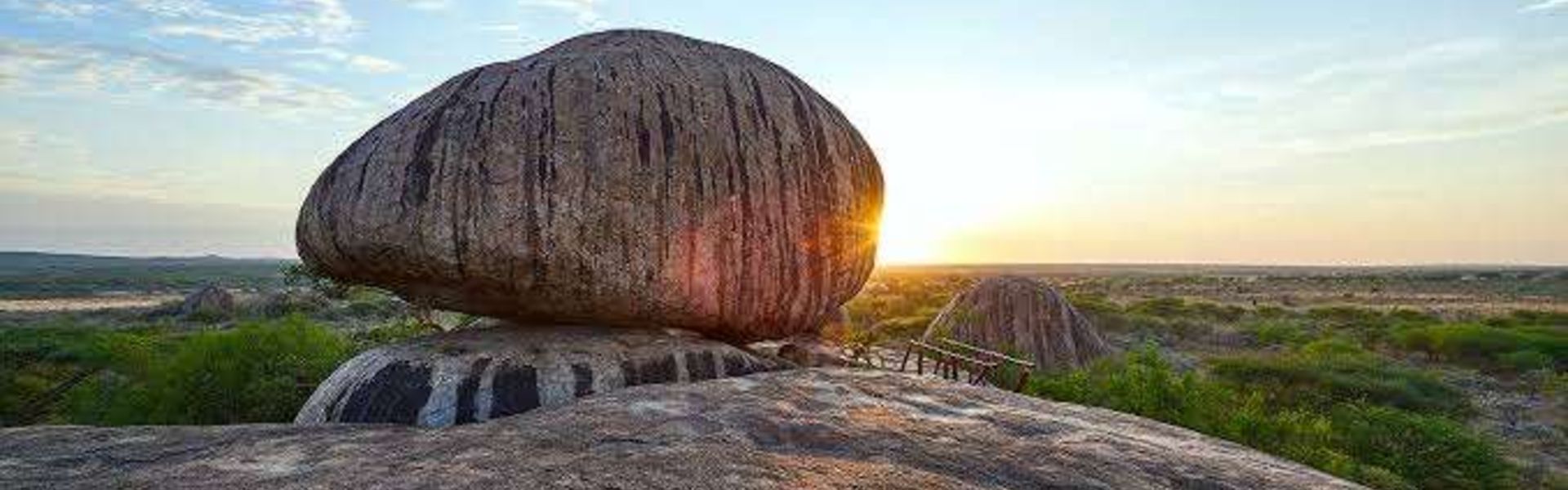
The Ultimate Guide to Maswa Safaris

Maswa Game Reserve was officially gazetted in 1974, though its conservation history dates back to 1962 when it was first recorded in Government Gazette No. 270. It was created as a buffer zone to protect the southern boundaries of the Serengeti National Park and Ngorongoro Conservation Area, both critical parts of the Serengeti-Mara ecosystem. Initially managed as a hunting concession, Maswa has evolved into a multi-use conservation area, balancing trophy hunting, photographic tourism, and community-based conservation.
LOCATION AND ACCESSIBILITY.
· Maswa Game Reserve lies along the southwestern boundary of Serengeti National Park, nestled within the Simiyu Region. It spans across Bariadi, Meatu, and Itilima districts, covering approximately 2,764 km² of open plains, acacia woodlands.
Geographic Coordinates.
- Latitude: 2°25′ to 3°25′ South
- Longitude: 34°25′ to 34°55′ East
Maswa borders.
- Ngorongoro Conservation Area to the southeast
- Mwiba Wildlife Reserve to the south
- Lake Victoria basin to the northwest
This positioning makes Maswa a critical buffer zone, protecting Serengeti’s migratory routes from human encroachment and supporting seasonal wildlife movements.
Accessibility.
By Road & Air.
Maswa is accessible through multiple routes, though its remote nature requires some planning:
By Road.
· From Shinyanga: Via Maswa–Mwandoya–Sakasaka–Butuli
· From Mwanza: Through Bariadi–Itilima–Mwandoya–Sakasaka
· From Arusha: Approximately 200 km, best navigated with a 4x4 vehicle
Road conditions vary seasonally, with dry months (June–October) offering smoother travel.
By Air.
Chartered flights from Kilimanjaro or Mwanza International Airports
Four airstrips serve the reserve:
· Butuli
· Mbono
· Makao
· Mwamalee
These airstrips connect visitors to tented camps and safari lodges, making fly-in safaris a popular choice for luxury travelers.
Maswa’s location, at the crossroads of migration, conservation, and cultural landscapes, makes it a compelling destination for both ecological study and immersive tourism. If you’d like, I can help map out a sample travel route or compare accessibility with Moyowosi and Mpanga Kipengere for your planning work.
TRANSPORTATION.
Transportation to and within Maswa Game Reserve is a blend of rugged adventure and strategic access, shaped by its remote location and proximity to the Serengeti.These are the breakdown of how visitors reach and navigate this wild corner of Tanzania
Road Access;For the Adventurous Explorer.
Maswa is reachable by road from several directions, though travel requires 4x4 vehicles, especially during the rainy season. Key routes include;
- From Shinyanga: Via Maswa–Mwandoya–Sakasaka–Butuli.
- From Mwanza: Through Bariadi–Itilima–Mwandoya–Sakasaka.
- From Arusha: Approximately 200 km, with scenic drives through rural landscapes and wildlife corridors.
Road conditions vary seasonally. The dry season (June–October) offers smoother travel, while the wet season may require detours or local guidance.
Air Access: For Swift and Scenic Entry.
Maswa is well-served by chartered flights, making it accessible to luxury travelers and researchers alike. Flights typically depart from;
- Kilimanjaro International Airport (JRO)
- Mwanza International Airport
These connect to four airstrips within or near the reserve.
- Butuli Airstrip
- Mbono Airstrip
- Makao Airstrip
- Mwamalee Airstrip
From these airstrips, visitors are transferred by safari vehicles to camps like Subeti, Mbono, and Songa Migrational Camp, often with game viewing en route.
Water & Seasonal Access.
While not a primary mode of transport, Maswa’s proximity to Lake Victoria and rivers like Simiyu and Mbono allows for:
- Boat excursions from nearby lodges
- Seasonal crossings during migration events
- Scenic access to hippo pools and fig-shaded riverbanks
Maswa’s transportation network reflects its wild character — remote, rewarding, and best suited to those who seek immersion over convenience. If you’d like, I can help map out a sample travel route or compare Maswa’s access with Moyowosi and Mpanga Kipengere for your planning work.
UNIQUE FEATURES.
Maswa Game Reserve is a rugged jewel tucked along the southern edge of the Serengeti — a place where wildlife, landscape, and cultural echoes converge in striking harmony. Here’s a narrative breakdown of its most unique features:
Crucial Wildlife Refuge & Migration Corridor.
Maswa plays a pivotal role in the Great Wildebeest Migration, acting as a seasonal refuge for over 1.5 million wildebeest, zebras, and gazelles:
- Calving occurs here from January to March, when fresh grasses flourish
- Male wildebeest often scout ahead, clearing paths for females and calves
- Permanent waterholes in Maswa’s kopjes and rivers sustain wildlife during dry spells
This makes Maswa a lifeline for migratory herbivores, especially when the Serengeti dries out.
High Predator Density.
Maswa boasts one of the highest concentrations of lions and leopards in Tanzania:
- Rocky outcrops (kopjes) serve as hunting perches and den sites
- Night game drives reveal elusive predators like spotted hyenas and servals
- The reserve’s varied terrain supports rich predator-prey dynamics
Diverse Landscapes & Geological Wonders.
Maswa’s terrain is a mosaic of;
- Rolling hills, thickets, and open plains
- Seasonally dry rivers like Simiyu and Mbono, with permanent pools
- Mlima wa Ngoma — a musical rock formation that produces drum-like sounds when struck, once used in Sukuma chiefdom ceremonies
These features create a visually stunning and geologically fascinating safari backdrop.
Rare & Endemic Species.
Maswa is one of the last refuges for:
- Roan antelope, Robert’s gazelle, greater and lesser kudu, and even black rhino
- Over 200 bird species, including Tanzanian endemics like Fischer’s lovebird, ashy starling, and rufous-tailed weaver
- Highly venomous snakes such as black mambas and spitting cobras, especially active in the dry season
Cultural & Historical Significance.
Maswa’s rocks and caves tell stories:
- Ancient tribal drawings believed to guide livestock herders
- Caves used by Maasai, Mang’ati, and Wasukuma as shelters and ceremonial sites
- Local legends tied to hippo pools, fig trees, and sacred hills
These elements offer a rare blend of natural and cultural heritage.
Exclusive Safari Experience.
Maswa remains less crowded than neighboring parks, offering:
- Camps like Subeti, Mbono, and Songa Migrational Camp, with panoramic views and private access
- Activities like walking safaris, night drives, birdwatching, and filming
- Seasonal mobility — some camps shift locations to follow the migration
EXPERIENCE AND ACTIVITIES.
Maswa Game Reserve offers a deeply immersive safari experience that blends raw wilderness with cultural depth — all set against the dramatic backdrop of the Serengeti ecosystem.
Game Drives: Day & Night Exploration.
Maswa’s open plains, rocky kopjes, and acacia woodlands make it ideal for game drives, which are less restricted than in national parks:
- Day drives reveal elephants, giraffes, wildebeest, lions, leopards, and roan antelope
- Night drives offer rare sightings of spotted hyenas, servals, civets, and nocturnal birds
- Drives often follow migration routes, especially from January to March, when wildebeest calving occurs
Visitors enjoy near-exclusive access to vast bushland, making wildlife encounters feel personal and uninterrupted.
Walking Safaris & Nature Trails.
Guided bush walks allow guests to:
- Track animal footprints and learn about medicinal plants
- Explore kopjes, caves, and fig-shaded riverbanks
- Visit Mlima wa Ngoma, the “Drumming Rock,” which produces musical tones when tapped — a cultural relic used in Sukuma ceremonies
These walks offer a tactile, sensory connection to the land, often led by armed guides for safety.
Birdwatching Paradise.
With over 200 bird species, Maswa is a haven for bird lovers:
- Endemics like Fischer’s lovebird, ashy starling, and rufous-tailed weaver
- Migratory birds from Europe and Asia (best seen November to April)
- Wetland and savanna habitats attract raptors, storks, hornbills, and colorful songbirds
Hippo Pools & River Excursions.
Maswa’s rivers — especially Simiyu and Mbono — host:
- Hippo pools shaded by fig trees, ideal for photography and quiet observation
- Crocodile sightings in oxbow bends and sandy banks
- Seasonal boat excursions from nearby Lake Victoria lodges
Cultural Visits & Rock Art.
Maswa’s landscape is rich with tribal history;
- Ancient rock drawings near Sakasaka plains, believed to guide livestock herders
- Caves used by Maasai, Mang’ati, and Wasukuma as shelters and ceremonial sites
- Opportunities to engage with nearby communities for storytelling and cultural exchange
Filming & Photography.
Maswa’s varied terrain — from open plains to thickets and kopjes — offers;
- Ideal conditions for wildlife filming, especially predator-prey interactions
- Dramatic backdrops for sunrise/sunset photography from elevated rocks like Sun Down Rock
- Seasonal camps like Songa Migrational Camp move with the wildebeest herds, offering dynamic filming opportunities
Accommodation & Safari Experience.
Visitors stay in exclusive tented camps such as:
- Songa Migrational Camp, which relocates seasonally to follow the migration
- Subeti and Mbono Camps, offering panoramic views and private access to wildlife corridors
These camps provide;
- Guided safaris, bush dinners, and cultural storytelling
- Luxury amenities with minimal environmental footprint
- A tranquil, low-crowd experience, unlike busier parks
Maswa offers a quiet, intimate safari — perfect for travelers seeking solitude, ecological richness, and cultural resonance. If you’d like, I can help you craft a sample itinerary or compare Maswa’s experience with Moyowosi and Mpanga Kipengere for your planning work.
HUNTING ACTIVITIES.
Maswa Game Reserve has a long history of regulated trophy hunting, and while parts of it are shifting toward photographic tourism, hunting remains a key activity in designated blocks. Here's a detailed narrative on both the hunting experience and the regulatory framework that governs it:
Trophy Hunting Activities in Maswa.
Maswa is divided into hunting concessions managed by licensed outfitters under the oversight of the Tanzania Wildlife Management Authority (TAWA). These blocks are part of Tanzania’s broader strategy to use sustainable hunting as a conservation and revenue tool.
Key features of hunting in Maswa include;
- Spot-and-stalk hunting in miombo woodlands, acacia savannas, and rocky kopjes
- Targeting Big Game species such as lion, leopard, elephant, buffalo, and roan antelope
- Seasonal safaris from July to December, aligning with the dry season for better visibility and access
- Camps like Songa Migrational Camp and Subeti Tented Camp offer luxury accommodation and logistical support
Maswa is especially known for its high predator density, making it a prime location for lion and leopard hunts.
Hunting Regulations in Maswa.
Hunting in Maswa is governed by the Wildlife Conservation Act (Cap. 283) and the Tourist Hunting Regulations of 2015, with enforcement by TAWA. These laws ensure ethical practices, ecological sustainability, and community benefit.
Hunting Block Allocation.
- Blocks are allocated via transparent tendering or auction by the Ministry of Natural Resources and Tourism.
- Each block must be at least 200 km², with boundaries marked by GPS and physical features.
- Concessions are granted for five-year terms, with performance reviews in year three to assess renewal eligibility.
Licensing & Fees.
- Outfitters must be registered Tanzanian companies with wildlife business experience.
- Hunters pay:
- Block fees (example, ~$50,000 USD per season for prime blocks)
- Game fees based on species (example, $10,000+ for buffalo or elephant)
- Conservation fees to support anti-poaching and habitat protection
- Professional hunter fees for licensed guides
Ethical & Legal Restrictions.
- No hunting of rhinos, pregnant females, or juveniles
- Meat export is prohibited — only trophies may be exported
- Unlawful methods (e.g., spotlighting, baiting) are banned
- All kills must be reported and verified by TAWA officers
Conservation & Community Impact.
- Hunting revenue funds:
- Anti-poaching patrols
- Wildlife monitoring
- Community projects like schools, clinics, and water access
- Maswa acts as a buffer zone, reducing pressure on Serengeti and supporting migratory corridors
NB:
Maswa’s hunting model is designed to balance economic benefit, ecological integrity, and local empowerment.
CONSERVATION CHALLENGES AND OPPORTUNITIES.
Maswa Game Reserve is a vital ecological and cultural landscape, but like many protected areas, it faces a mix of pressing challenges, emerging solutions, and promising opportunities. Let’s explore each in a narrative format that reflects your holistic and community-focused approach:
Conservation Challenges.
Maswa’s location at the edge of the Serengeti makes it vulnerable to several threats;
Land Use Pressure.
- Crop cultivation and livestock grazing near the reserve boundaries lead to habitat degradation, soil erosion, and desertification.
- Charcoal burning and illegal logging threaten miombo woodlands and reduce carbon sinks.
Human-Wildlife Conflict.
- Wildlife such as elephants and predators often raid farms or livestock, prompting retaliation and undermining conservation efforts.
Poaching and Illegal Hunting.
- Despite anti-poaching efforts, bushmeat hunting and trophy poaching persist, especially in remote areas.
Weak Community Engagement.
- Historical use of fortress conservation models excluded local communities, leading to resentment and reduced cooperation.
Climate Stress.
- Seasonal droughts and erratic rainfall affect water availability, vegetation cover, and wildlife migration patterns.
Solutions and Best Practice.
Maswa is not standing still — several initiatives are helping to turn the tide;
Community-Based Conservation (CBC).
- Since the 1990s, Maswa has adopted CBC models that involve locals in wildlife monitoring, tourism, and benefit-sharing.
- Hunting companies and safari operators fund schools, clinics, and water projects, improving local livelihoods.
Anti-Poaching Patrols.
- Outfitters and TAWA collaborate on regular patrols, intelligence gathering, and wildlife tracking to reduce illegal activity.
Seasonal Safari Camps.
- Camps like Songa Migrational Camp move with the wildebeest herds, minimizing environmental impact and maximizing wildlife viewing.
Habitat Management.
- New roles like Habitat Managers are being introduced to monitor vegetation, water sources, and invasive species.
Policy Reform.
- TAWA’s Special Wildlife Investment Concession Areas (SWICA) model encourages long-term, high-end tourism investments with conservation obligations.
Opportunities for Growth.
Maswa’s future holds exciting possibilities for conservation, tourism, and community empowerment;
Eco-Tourism Expansion.
- With fewer restrictions than national parks, Maswa offers walking safaris, night drives, and cultural tours, appealing to niche travelers.
Cultural Heritage Integration.
- Sites like Mlima wa Ngoma (Drumming Rock) and ancient rock paintings offer potential for cultural tourism and storytelling.
Scientific Research & Education.
- Maswa’s role in the Great Migration and predator-prey dynamics makes it ideal for ecological studies and student fieldwork.
Community Enterprises.
- Beekeeping, craft markets, and guided village tours can diversify income and deepen local ties to conservation.
Regional Collaboration.
- Maswa’s proximity to Serengeti, Ngorongoro, and Mwiba creates opportunities for multi-reserve itineraries, joint patrols, and shared infrastructure.
BENEFITS OF LOCAL COMMUNITIES.
Maswa Game Reserve is not only a sanctuary for wildlife but also a landscape where conservation and community livelihoods intersect in meaningful ways. Let’s explore the benefits to local communities, followed by a strong, narrative-style conclusion that ties everything together.
Benefits to Local Communities.
Maswa’s evolving conservation model has increasingly embraced Community-Based Conservation (CBC), shifting away from exclusionary “fortress” approaches. This has led to tangible improvements in local livelihoods;
Employment & Skills Development.
- Safari camps like Songa Migrational Camp and Subeti Tented Camp hire local staff for guiding, hospitality, and logistics.
- Training in wildlife monitoring, eco-tourism, and bushcraft empowers youth and reduces rural unemployment.
Revenue Sharing & Infrastructure.
- Hunting and photographic tourism generate funds that support:
- Schools and clinics
- Water projects and boreholes
- Road maintenance and communication networks
- Villages like Makao, Kimali, and Sakasaka have seen direct investment from tourism operators.
Beekeeping & Sustainable Enterprises.
- Beekeeping near reserve boundaries deters elephants and provides income through honey sales.
- Craft markets and cultural tours offer additional revenue streams tied to conservation.
Cultural Preservation & Participation.
- Local communities help protect sacred sites like Mlima wa Ngoma (Drumming Rock) and ancient rock paintings.
- Storytelling and cultural performances are integrated into tourism experiences, affirming identity and heritage.
Reduced Conflict & Improved Relations.
- CBC has helped reduce resentment caused by past evictions and land restrictions.
- Dialogue between TAWA, outfitters, and village leaders fosters trust and shared responsibility.
Transportation.
By Road.
· From Mwanza: Via Bariadi–Itilima–Mwandoya–Sakasaka
· From Shinyanga: Via Maswa–Mwandoya–Sakasaka–Butuli
· 4x4 vehicles are recommended due to rugged terrain
By Air.
· Charter flights from Kilimanjaro or Mwanza International Airports
· Four airstrips: Butuli, Mbono, Makao, and Mwamalee
ACCOMMODATION.
Songa Migrational Camp.
This camp isn’t fixed in one place. It moves depending on the season—like following the animals during migration! That means guests staying here get front-row seats to the great movement of wildlife. It’s also designed with comfort in mind: luxury tents, cozy beds, and good food, all in the middle of nature.
Subeti Camp.
Subeti Camp used to sit on a beautiful ridge where guests had amazing views of the landscape. It’s called a “mobile safari camp,” which means it could be packed up and moved. Though it’s closed right now, when open, it offered a quiet, private experience for those who wanted to escape the usual tourist crowd.
Mbono Tented Camp.
Think of this like a peaceful hideaway near a river. It’s surrounded by shady acacia trees, so it feels cool and relaxed. Guests stay in tents, but they’re more like mini hotel rooms—clean, safe, and open to nature. Great spot for hearing birds and watching animals wander nearby.
Mwiba Lodge.
This one is all about luxury. It’s built for travelers who want the best of everything: beautiful views, fancy rooms, delicious meals, and even private safaris. It’s not just about watching animals—it also connects guests with local culture, so you can learn while enjoying the comfort.
Serian Maswa Camp.
· Serian Maswa is perfect for adventurers. It’s rustic, simple, but full of character. Here, guests can walk through nature with guides, spotting animals and learning about plants. It's less about luxury and more about feeling close to the wild world around you.
· Each accommodation offers a unique experience—from total comfort to raw adventure. If you were going on a safari, would you prefer relaxing in style or going deep into nature.
· Maswa Game Reserve is a hidden gem for travelers seeking raw wilderness, rich biodiversity, and cultural depth. Its strategic location within the Serengeti ecosystem makes it vital for conservation and tourism alike.
Conclusion.
i. However; Maswa Game Reserve is more than a wildlife haven — it is a living bridge between nature and people. Its sweeping plains, predator-rich kopjes, and migratory corridors pulse with ecological significance. But its true strength lies in its ability to connect communities to conservation, turning former tensions into shared purpose.
ii. From the roar of lions to the hum of village honey harvests, Maswa tells a story of transformation. It shows that protected areas can thrive not by fencing people out, but by inviting them in — as stewards, storytellers, and stakeholders. In a world where biodiversity and livelihoods often clash, Maswa offers a model of coexistence, where wilderness is not just preserved, but lived in harmony with those who call its edges home.