
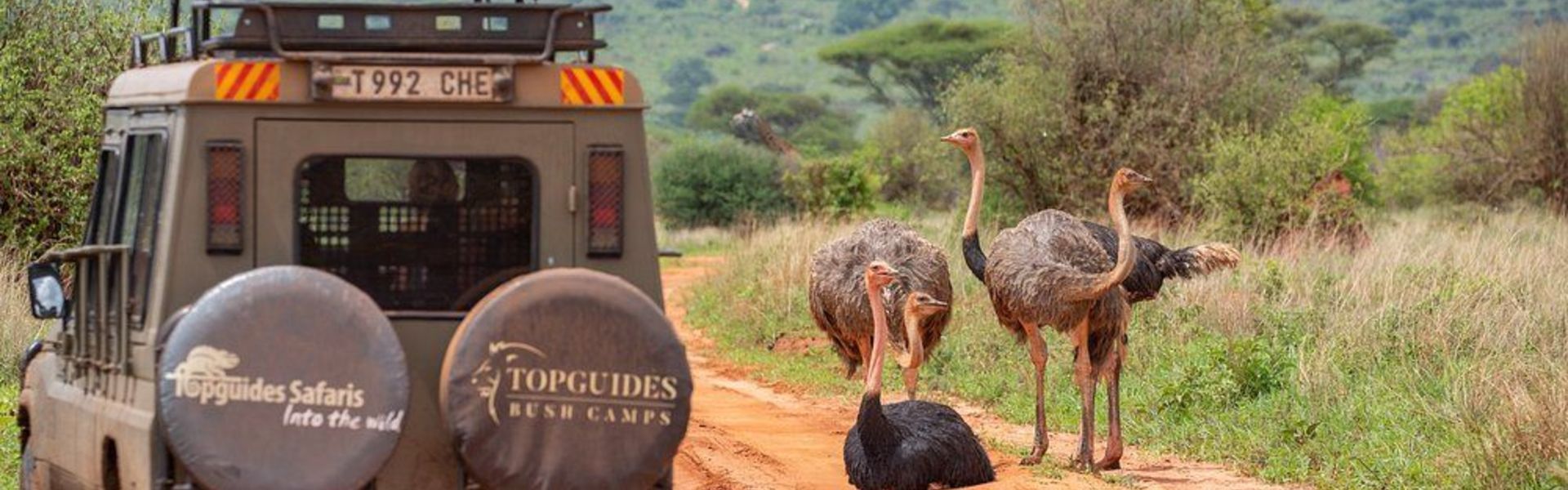
The Ultimate Guide to Lolkisale Game Area Safaris

Lolkisale Game Controlled Area. This area is very important for wild animals, especially elephants, and for the people who live nearby.
What is a Game Controlled Area? Let's remember what a "Game Controlled Area" is. It is a large piece of land where many wild animals live. It is different from a national park. In a national park, hunting is usually not allowed at all. But in a Game Controlled Area, hunting is allowed, but it is very, very controlled. Only certain people can hunt, and they must follow many strict rules. This careful control helps to make sure that not too many animals are hunted. It helps to keep the animal populations healthy and safe.
Where is Lolkisale? Lolkisale Game Controlled Area is located in Tanzania, a country in East Africa. It is in the northern part of Tanzania. It is close to a very famous national park called Tarangire National Park.
Why is Lolkisale Important? Lolkisale is important for many reasons:
● For Animals: It is a very important place for animals to move. Many animals, especially elephants, move from Tarangire National Park to other areas to find food and water. Lolkisale is like a big pathway for them. It helps them survive, especially during the dry season.
● For People: The people who live near Lolkisale also use the land. They live with the animals. Lolkisale helps to manage how people use the land so that both animals and people can live well together.
● For Controlled Hunting: It is a place where special hunting trips happen. These trips are very regulated and bring money. This money is then used to protect the animals and helps the local communities with their needs.
· So, Lolkisale Game Controlled Area is a large, important land in Tanzania. It is a vital home and pathway for many wild animals, and a place where hunting is managed carefully to benefit both nature and local people.
UNIQUE FEATURES OF LOLKISALE GAME CONTROLLED AREA.
· Lolkisale Game Controlled Area is special because of its role in the larger ecosystem, its specific wildlife, and the culture of its people.
A Key Dispersal Area and Corridor This is one of the most unique features of Lolkisale.
● Connected to Tarangire National Park: Lolkisale is like a very important "doorway" or "pathway" for animals coming out of Tarangire National Park.
● Seasonal Movements: During the wet season, when there is a lot of grass and water everywhere, many animals, especially elephants, zebras, and wildebeest, move out of Tarangire National Park. They spread out into areas like Lolkisale to find new food.
● Dry Season Refuge: When the dry season comes, and water and food become scarce outside the park, these animals move back into Tarangire, where there is a permanent river (Tarangire River). Lolkisale is a crucial part of this big journey. It helps animals find what they need throughout the year.
Special Animals You can find many kinds of wild animals in Lolkisale, especially during certain times of the year.
● Elephants: Lolkisale is very well known for its large numbers of elephants, especially when they move out of Tarangire. You can see big herds of these gentle giants.
● Zebras and Wildebeest: These striped and bearded animals often move in large groups, looking for fresh grass.
● Giraffes: Tall giraffes can be seen eating leaves from the acacia trees.
● Various Antelopes: Many types of antelopes, like impalas, elands, and gazelles, live here.
● Predators: Lions, leopards, and hyenas also live in Lolkisale, following the animals they hunt. However, they can be harder to spot.
● Birds: The area is also home to many different kinds of birds, making it interesting for bird watchers.
Special Land and Nature The land in Lolkisale has its own unique look.
● Acacia Woodlands: The area is mostly covered by "acacia woodlands." These are areas with many acacia trees, which have flat tops and thorny branches.
● Grassy Plains: There are also open grassy areas, especially good for animals that eat grass.
● Seasonal Rivers: Some rivers flow only during the wet season. In the dry season, they become dry riverbeds. Animals often dig in these riverbeds to find water.
● Baobab Trees: You might also see some very old and large "baobab trees." These trees are famous for their thick trunks and unique shapes.
Maasai Culture Like many areas in northern Tanzania, the Maasai people live around Lolkisale.
● Pastoralists: The Maasai are traditionally pastoralists, meaning they keep large herds of cattle, goats, and sheep. These animals are very important to their way of life.
● Living with Wildlife: They have lived alongside wild animals for a very long time. Their traditions are closely connected to the land and its wildlife.
● Cultural Interaction: Sometimes, visitors can learn about the Maasai way of life, their colorful clothes, songs, and dances, often arranged through local guides or safari companies.
· So, Lolkisale is special because it is a crucial pathway for animals, especially elephants, moving in and out of Tarangire National Park. It has unique acacia woodlands and is home to the traditional Maasai people, making it a vital area for both wildlife conservation and cultural preservation.
ESTABLISHMENT OF LOLKISALE GAME CONROLLED AREA.
· Every special protected area has a history of how it began. Let's learn about when and why the Lolkisale Game Controlled Area was created.
When did it Start? The Lolkisale Game Controlled Area was established many years ago. It was officially designated as a Game Controlled Area in the year 1974. This means it has been a protected area for over 50 years, just like Longido and Mto wa Mbu. This year, 1974, was an important time for establishing many Game Controlled Areas in Tanzania.
Who Made the Decision? The government of Tanzania made the decision to create the Lolkisale Game Controlled Area. They wanted to manage the land, its wildlife, and the activities of people in the area.
Why was it Established? What was the Reason? There were several very important reasons why Lolkisale was made a Game Controlled Area:
● To Protect Animal Dispersal Routes (Movement Paths): This was one of the most important reasons. Lolkisale is a critical area for animals, especially elephants, zebras, and wildebeest, that move in and out of Tarangire National Park. During the wet season, these animals spread out into surrounding areas like Lolkisale to find fresh grass and water. During the dry season, they move back towards the permanent water sources inside Tarangire. Lolkisale ensures these vital "corridors" or "dispersal areas" remain open and safe for these large animal migrations. Without these paths, animals would struggle to find enough food and water throughout the year.
● To Manage Controlled Hunting: Like other Game Controlled Areas, Lolkisale was established to allow "controlled hunting" or "trophy hunting." This means that hunting is allowed, but it is very strictly regulated. Hunters must obtain special permits, pay significant fees, and adhere to strict quotas (limits on how many animals of a certain type can be hunted). The money generated from these hunting fees is a very important source of income for wildlife conservation efforts and for the local communities.
● To Reduce Human-Wildlife Conflict: When wild animals move through areas where people live and farm, problems can arise. Animals might eat crops, or predators might attack livestock. By managing Lolkisale as a Game Controlled Area, the government aimed to put rules in place to help manage these conflicts and find ways for people and animals to coexist.
● To Control Land Use: As human populations grow, there is more pressure on land for farming and settlements. The Game Controlled Area status helps to control how the land is used in Lolkisale. It prevents too much farming or building in areas that are crucial for wildlife movement and habitat. This helps to maintain the natural environment.
● To Support Broader Conservation: By making Lolkisale a Game Controlled Area, it became part of Tanzania's larger network of protected areas. This helps to ensure that wildlife populations are healthy and connected across different regions, which is good for the long-term survival of many species.
· In summary, the Lolkisale Game Controlled Area was established in 1974 by the Tanzanian government. The main reasons were to protect essential animal movement paths (especially for elephants), manage controlled hunting to generate conservation funds, reduce conflicts between people and wildlife, control land use, and contribute to the overall conservation of Tanzania's rich biodiversity.
LOCATION AND ACCESSIBILITY.
· Knowing where Lolkisale Game Controlled Area is and how easy it is to reach is important for understanding its role and for anyone planning to visit.
Where Exactly is it Located? Lolkisale Game Controlled Area is located in the Arusha Region of northern Tanzania.
● South-East of Arusha City: It is situated to the south-east of Arusha City, which is the main hub for safaris in northern Tanzania.
● Adjacent to Tarangire National Park: Lolkisale is directly next to the eastern border of Tarangire National Park. This close proximity is why it is so important as a dispersal area for Tarangire's wildlife.
● Part of the Tarangire-Manyara Ecosystem: Lolkisale is considered a vital part of the larger Tarangire-Manyara ecosystem. This means it's connected to other important wildlife areas like Lake Manyara National Park and the Kwakuchinja wildlife corridor.
● Remote and Wild: Compared to towns like Mto wa Mbu, Lolkisale is much more remote and wild. It is not a town or a busy settlement, but rather a large expanse of natural bushland.
How to Get There? (Accessibility) Getting to Lolkisale Game Controlled Area requires careful planning and specific types of transport, as it is not on a main tourist route like Mto wa Mbu.
● Main Starting Point: Arusha City: Most people who want to visit Lolkisale (especially for hunting safaris) will start their journey from Arusha City. Arusha has the main international airport (Kilimanjaro International Airport - KIA) and a smaller domestic airport (Arusha Airport - ARK).
● By Road (Car): This is the most common way to reach Lolkisale.
○ From Arusha: You would drive south-east from Arusha. The journey involves driving on both paved roads and then transitioning to unpaved (dirt) roads.
○ Type of Road: The dirt roads can be rough, bumpy, and very dusty, especially during the dry season. During the wet season, they can become muddy and challenging to navigate.
○ 4x4 Vehicle is Essential: A strong 4x4 vehicle (like a Land Cruiser or Land Rover) is absolutely necessary. These vehicles are built to handle the challenging terrain and long distances in the bush.
○ Driving Time: The drive from Arusha to Lolkisale can take several hours (e.g., 3-5 hours or more), depending on the exact location within the GCA, road conditions, and stops.
○ Professional Driver-Guide: It is highly recommended to travel with an experienced safari driver-guide who knows the area well and can handle the driving conditions.
● By Small Plane (Airstrip):
○ Lolkisale Game Controlled Area has small, remote airstrips. An airstrip is a basic landing strip for small propeller planes.
○ For those who want to save time or avoid long, bumpy drives, it is possible to fly from Arusha (Arusha Airport) directly to one of these airstrips.
○ This option is faster but significantly more expensive.
○ Flights are usually chartered (private) and arranged by the safari or hunting outfitter.
Is it Easy to Access? No, Lolkisale is not considered easy to access compared to popular tourist destinations. It is a more remote area, primarily visited by those on specialized hunting safaris or dedicated photographic safaris that focus on dispersal areas. The challenging road conditions mean that proper planning and suitable vehicles are crucial. Its remoteness contributes to its wild character and importance for wildlife.
· In summary, Lolkisale Game Controlled Area is located south-east of Arusha, right next to Tarangire National Park, and is a vital part of the larger ecosystem. It is accessible by long drives on rough dirt roads in 4x4 vehicles from Arusha, or by small chartered planes to its remote airstrips. Its accessibility reflects its wild and important role as a wildlife dispersal area.
TRANSPORTATION.
· Once you are inside the Lolkisale Game Controlled Area, moving around is very different from moving in a town. Because it's a wild area, special types of transportation are used to ensure safety and effective wildlife viewing or hunting.
How do People Move Around Inside?
● Safari Vehicles (4x4 Cars):
○ This is the primary and almost only way to travel inside Lolkisale. You will use a very strong 4x4 vehicle, like a Land Cruiser or Land Rover.
○ These cars are specially designed for the African bush. They can drive on very rough dirt tracks, through thick bush, over small hills, and across dry riverbeds. There are no paved roads inside the GCA.
○ For photographic safaris, the vehicles often have pop-up roofs, allowing you to stand up safely and get a better view of animals and take photos.
○ For hunting safaris, the vehicles are used to transport hunters, guides, and equipment, and to track animals.
○ An experienced driver-guide or professional hunter drives the vehicle. They know the area very well, understand animal behavior, and can track animals.
● Walking Safaris (Guided Walks):
○ In some parts of Lolkisale, and especially for hunting, "walking safaris" are possible. This means you walk on foot.
○ Crucial Safety Rule: You must always walk with an armed ranger or a professional hunter and an experienced local guide. This is for your safety because you are in an area with dangerous wild animals.
○ Walking allows you to experience the bush more intimately. You can pay attention to smaller details like animal tracks, insects, plants, and the sounds of nature that you might miss from a car.
○ For hunting, walking is essential for tracking specific animals.
● No Public Transport or Self-Driving:
○ There are no public buses, taxis, or trains inside Lolkisale Game Controlled Area. It is a wilderness area, not a town.
○ You cannot drive your own private car inside the GCA without special permits and an experienced guide. It is dangerous and you could easily get lost or stuck.
○ Visitors must be part of an organized safari or hunting trip, where all transportation is provided and managed by the outfitter.
Why is Special Transport Needed?
● Wild and Untamed Terrain: The land is natural and wild, with no developed road network. Strong, high-clearance 4x4 vehicles are essential to navigate this terrain.
● Presence of Wild Animals: Lolkisale is home to large and potentially dangerous wild animals. Vehicles provide a level of safety and allow for quick movement if needed. Walking requires expert guidance and protection.
● Tracking and Locating Wildlife: Experienced guides and professional hunters use their knowledge of animal behavior and the terrain to find animals. Vehicles help cover large distances efficiently.
● Safety and Regulations: Being a Game Controlled Area, there are strict rules for moving around to ensure visitor safety and proper management of wildlife and hunting activities.
What to Expect for Transport?
● Dusty and Bumpy Rides: Expect the roads (or tracks) to be very dusty during the dry season and potentially muddy and slippery during the wet season. The rides can be quite bumpy.
● Long Hours in the Vehicle: You might spend many hours driving to find animals or move between different areas of the GCA.
● Part of the Adventure: The journey itself is part of the experience. You will see incredible landscapes and possibly animals along the way.
· In summary, transportation within Lolkisale Game Controlled Area is primarily by robust 4x4 safari vehicles, driven by experienced guides. Guided walking safaris are also possible under strict safety protocols. This specialized transport is crucial due to the wild nature of the area, the presence of large animals, and the need for expert navigation and safety.
ACCOMMODATION.
· When people visit Lolkisale Game Controlled Area, they need places to sleep. Because Lolkisale is a wild and remote area, the accommodation is usually very specific and designed to be close to nature. It's also very important to understand how these visits help the local people, especially the Maasai community.
Where to Stay (Accommodation)?
· You will not find big hotels or resorts in Lolkisale. The accommodation options are typically designed for a wilderness experience.
● Tented Camps (Safari Camps):
○ These are the most common type of accommodation in Lolkisale. They are not like small camping tents you carry on your back.
○ These are large, comfortable tents, often called "safari tents." They usually have real beds inside, a private bathroom (sometimes with a bucket shower where hot water is brought to you, or a flush toilet), and a small area outside to sit.
○ They are often "mobile" or "semi-permanent," meaning they can be set up in different locations depending on the season, animal movements, or hunting areas.
○ Staying in a tented camp offers a very authentic bush experience. You can hear the sounds of the wild animals at night, like hyenas calling or lions roaring in the distance.
○ These camps usually have a central dining tent or area, and sometimes a lounge area. The staff cook meals for the guests.
● Hunting Camps:
○ For those on hunting safaris, the accommodation will be specialized hunting camps. These are also typically tented camps, but they are set up to support the hunting activities.
○ They are often more basic but still comfortable, focusing on practicality for hunters.
● No Permanent Lodges or Hotels:
○ Because Lolkisale is a Game Controlled Area (not a national park with extensive tourist infrastructure) and a remote area, there are no large, permanent lodges or hotels. The focus is on a low-impact, immersive wilderness experience.
○ Accommodation is almost always pre-arranged by the safari or hunting company you book your trip with.
BENEFIT OF LOCAL COMMUNITY.
· The activities in Lolkisale, especially controlled hunting and any limited tourism, bring important benefits to the local people, primarily the Maasai community who live around the area.
● Employment (Jobs):
○ Rangers and Scouts: Local Maasai people are often employed as wildlife rangers or scouts. They help to patrol the area, monitor animals, and prevent poaching. Their knowledge of the land is very valuable.
○ Trackers: For both hunting and photographic safaris, local Maasai are excellent trackers. They can find animal footprints and signs, helping guides locate wildlife.
○ Camp Staff: Many people from nearby villages work in the tented camps. They cook, clean, serve, and help manage the camp operations.
○ Guides: Some local people become cultural guides, sharing their traditions with visitors.
○ These jobs provide direct income for families, helping them to buy food, send children to school, and improve their lives.
● Revenue Sharing (Money Sharing):
○ When hunters pay fees to hunt in Lolkisale, a significant portion of this money goes to the Tanzanian government.
○ The government then shares a part of this revenue directly with the local villages and communities that live near the Game Controlled Area.
○ What is the Money Used For? This shared money is used for important community development projects chosen by the villagers themselves:
■ Schools: Building new classrooms, providing school supplies, or paying teachers' salaries.
■ Health Clinics: Building small dispensaries or clinics, buying medicines, or supporting health workers.
■ Water Projects: Digging boreholes (deep wells) or building small dams to provide clean water for people and livestock, especially during the dry season.
■ Other Infrastructure: Improving local roads or community centers.
○ This direct financial benefit helps to improve the quality of life for the Maasai people.
● Conservation Awareness and Coexistence:
○ When local communities see that wildlife brings direct benefits (jobs, money for schools and water), they understand the value of protecting the animals.
○ This helps to reduce conflicts between people and wildlife. Instead of seeing animals as a problem, they see them as a resource that helps their community.
○ It encourages a sense of ownership and responsibility for conservation among the local people.
● Market for Local Products:
○ Sometimes, camps or visitors might buy local produce or traditional Maasai crafts (like beaded jewelry) from the community, providing another source of income.
· However, accommodation in Lolkisale is typically comfortable tented camps, offering an authentic wilderness experience. More importantly, the Game Controlled Area brings significant benefits to the local Maasai community through direct employment, revenue sharing for vital community projects (like schools and water), and by fostering a strong understanding of the importance of wildlife conservation. This partnership helps ensure the long-term sustainability of both the wildlife and the human communities in Lolkisale.
CHALLENGES AND SOLUTIONS.
· Even in a remote and important area like Lolkisale, there are problems or "challenges." But for every challenge, people are working hard to find "solutions" to protect the area and help the communities.
Challenges (Problems) in Lolkisale.
● Human-Wildlife Conflict:
○ Problem: This is a major issue because Lolkisale is a dispersal area where animals move in and out, and Maasai communities live and graze their livestock.
■ Livestock Predation: Lions, leopards, and hyenas sometimes attack Maasai cattle, goats, or sheep. This causes great loss and anger for the Maasai, as their livestock is their wealth and livelihood.
■ Crop Raiding: Although Lolkisale is primarily a pastoral area, some farming occurs. Elephants or other herbivores might raid small farms, destroying crops.
■ Danger to People: Encounters with large or dangerous animals can sometimes lead to injuries or even fatalities for people.
○ Why it happens: As human populations grow, settlements and grazing areas expand closer to wildlife habitats. Animals also need to move for food and water, leading to more encounters.
● Poaching (Illegal Hunting):
○ Problem: Despite being a Game Controlled Area, illegal hunting (poaching) still occurs.
■ Bushmeat Poaching: People might hunt animals for meat to eat or sell, often using snares (traps) or simple weapons.
■ Trophy Poaching: Sometimes, elephants are poached for their ivory (tusks) or other animals for their valuable parts (like rhino horn, though rhinos are rare here).
○ Why it happens: Poverty, lack of alternative livelihoods, and sometimes organized criminal networks drive poaching.
● Habitat Degradation and Encroachment:
○ Problem: The natural environment, or "habitat," for animals can be harmed.
■ Overgrazing: Too many domestic animals (cattle, goats) eating too much grass can leave the land bare and degrade the soil, reducing food for wild animals.
■ Expansion of Settlements/Farming: As communities grow, they might expand their villages or small farms into areas that are vital for wildlife movement, blocking corridors.
■ Charcoal Production/Tree Cutting: People might cut down trees for charcoal (fuel) or building materials, destroying valuable woodland habitat.
○ Why it happens: Growing human population and traditional land use practices.
● Water Scarcity:
○ Problem: During the long dry season, water sources become very limited. This affects both people (for drinking and livestock) and wild animals.
○ Why it happens: Natural climate patterns and potentially climate change, which can make dry seasons longer and hotter.
Solutions (Ways to Fix Problems).
● Solutions for Human-Wildlife Conflict:
○ Community Engagement and Education: Working closely with Maasai communities to understand their needs and teach them about coexistence. This includes promoting non-lethal methods to deter animals (e.g., improved bomas for livestock, chili fences for crops).
○ Revenue Sharing: Ensuring that benefits from the Game Controlled Area (from hunting fees) truly reach the communities. When communities see direct benefits from wildlife, they are more willing to tolerate and protect animals.
○ Compensation Schemes: In some cases, programs might provide some form of compensation for livestock lost to predators, reducing anger and retaliation against animals.
○ Ranger Patrols: Increased patrols by wildlife rangers to monitor animal movements and respond quickly to conflict situations, guiding animals away from human settlements.
● Solutions for Poaching:
○ Increased Anti-Poaching Patrols: More well-equipped and trained rangers are deployed to patrol the area, track poachers, and dismantle poaching networks.
○ Community Intelligence: Building trust with local communities so they report suspicious activities and poachers.
○ Law Enforcement: Strengthening legal actions against poachers and ensuring they face appropriate penalties.
○ Alternative Livelihoods: Helping communities find other ways to earn money that do not involve poaching, such as tourism-related jobs or sustainable agriculture.
● Solutions for Habitat Degradation and Encroachment:
○ Land Use Planning: Collaborative efforts with local government and communities to develop clear land-use plans that designate areas for wildlife, grazing, and settlement, ensuring critical corridors remain open.
○ Sustainable Grazing Management: Working with Maasai elders to implement rotational grazing systems that allow pastures to recover, benefiting both domestic and wild animals.
○ Reforestation and Habitat Restoration: Planting trees in degraded areas and implementing programs to restore natural vegetation.
○ Community Awareness: Educating people about the long-term benefits of healthy ecosystems and the dangers of habitat destruction.
● Solutions for Water Scarcity:
○ Developing New Water Sources: Investing in projects like digging boreholes (deep wells) or building small earth dams that can provide water for both people, livestock, and wildlife, especially during dry periods.
○ Water Harvesting: Promoting methods to collect and store rainwater.
○ Strategic Water Points: Creating water points for wildlife in areas that draw them away from human settlements, reducing conflict.
· By implementing these solutions, many people are working tirelessly to ensure that Lolkisale Game Controlled Area can continue to be a vital home for wildlife and a place where local communities can thrive.
OPPORTUNITY.
· Even with its challenges, Lolkisale Game Controlled Area has many exciting "opportunities." These are chances for new and positive things to happen that can benefit both the environment and the people living there.
Opportunities for Enhanced Conservation.
● Strengthening Wildlife Corridors: Lolkisale's primary role as a dispersal area for Tarangire's wildlife is a huge opportunity. Efforts can be strengthened to formally protect and manage these corridors, ensuring that animals, especially elephants, can move safely between Tarangire and other parts of the ecosystem. This is vital for the long-term health of wildlife populations.
● Research and Monitoring: The area offers excellent opportunities for scientific research. Studying animal movements, population numbers, and the health of the ecosystem can provide valuable information for better conservation strategies. This can attract researchers and funding.
● Community-Based Conservation: There is a great opportunity to involve the Maasai communities even more deeply in conservation efforts. When communities are empowered and benefit directly, they become the strongest allies in protecting wildlife. This can lead to innovative local solutions for conservation.
● Anti-Poaching Innovation: Opportunities exist to use new technologies (like drones for monitoring, advanced tracking systems) and community intelligence networks to make anti-poaching efforts more effective.
Opportunities for Sustainable Tourism and Economic Development.
● Specialized Photographic Safaris: While primarily a hunting area, Lolkisale has great potential for specialized photographic safaris, especially for those interested in elephants and the unique dryland landscape. These safaris can be high-value, low-impact, bringing significant revenue without large numbers of tourists.
● Cultural Tourism: The strong presence of the Maasai culture offers unique cultural tourism opportunities. Visitors can engage in authentic cultural experiences, learning about Maasai traditions, ceremonies, and daily life. This provides direct income to the communities.
● Bird Watching Tourism: The diverse birdlife in Lolkisale can attract bird enthusiasts, creating a niche tourism market.
● Direct Community Benefits: As tourism and controlled hunting revenues grow, there is an opportunity to channel more funds directly to community projects. This can lead to better schools, health facilities, water infrastructure, and other services, improving the quality of life for the Maasai.
● Local Entrepreneurship: Opportunities for local people to start small businesses related to tourism, such as providing guiding services, selling traditional crafts, or offering basic supplies to camps.
Opportunities for Improved Livelihoods and Coexistence.
● Sustainable Livestock Management: Working with Maasai communities to implement modern, sustainable grazing practices can improve the health of their livestock and the land, reducing pressure on wildlife habitats. This can lead to better economic returns for pastoralists.
● Alternative Livelihoods: Exploring and developing alternative ways for communities to earn income that are less reliant on traditional practices that might conflict with wildlife. This could include beekeeping, small-scale ecotourism ventures, or value-added agricultural products.
● Conflict Mitigation Innovation: Lolkisale can be a testing ground for new and effective strategies to reduce human-wildlife conflict, such as improved protective measures for livestock or early warning systems for crop raiding.
● Empowerment and Capacity Building: Providing training and education to local communities in areas like wildlife management, tourism services, and business skills can empower them to take a leading role in the area's development and conservation.
· Lolkisale Game Controlled Area has significant potential to grow and develop in a way that benefits both its incredible wildlife and its human inhabitants. By focusing on strong conservation, responsible tourism, and empowering local communities, Lolkisale can become an even greater success story for sustainable development in Tanzania.
CONCLUSION.
· We have learned a lot about the Lolkisale Game Controlled Area. Let's summarize the most important points about this special and vital place in Tanzania.
A Crucial Link in the Ecosystem: Lolkisale Game Controlled Area is a very important part of the larger Tarangire-Manyara ecosystem in northern Tanzania. It acts as a critical pathway, or "dispersal area," for thousands of wild animals, especially elephants, zebras, and wildebeest. These animals move through Lolkisale seasonally to find food and water, making it essential for their survival, particularly during the dry season.
Managed for Wildlife and People: As a "Game Controlled Area," Lolkisale is managed to allow controlled hunting under strict rules. The money generated from these hunting fees is a key source of funding for wildlife conservation efforts and for the development of the local communities. This management approach helps to balance the needs of wildlife with the needs of the Maasai people who live in the area.
Facing Challenges, Finding Solutions: Lolkisale faces significant challenges, mainly from human-wildlife conflict (animals attacking livestock or crops), poaching (illegal hunting), and habitat degradation (land being overused or destroyed). However, many dedicated efforts are underway to address these problems. Solutions include increasing anti-poaching patrols, educating communities on coexistence, implementing sustainable land-use plans, and developing new water sources.
Full of Promise and Opportunity: Despite its challenges, Lolkisale has immense opportunities. It can become a model for effective wildlife corridor protection and community-based conservation. There is potential for specialized, low-impact tourism, such as photographic safaris focusing on elephants, and rich cultural tourism experiences with the Maasai. These opportunities can bring more jobs, better services (like schools and water), and empower local communities to be active partners in conservation.
A Future of Coexistence: The story of Lolkisale Game Controlled Area is about the ongoing effort to create a future where wild animals can thrive in their natural habitats, and human communities can develop and prosper alongside them. It highlights the importance of collaboration between the government, conservation organizations, and local people. By continuing to invest in its protection and sustainable development, Lolkisale can remain a vital natural treasure and a beacon of successful coexistence in Tanzania for generations to come.