
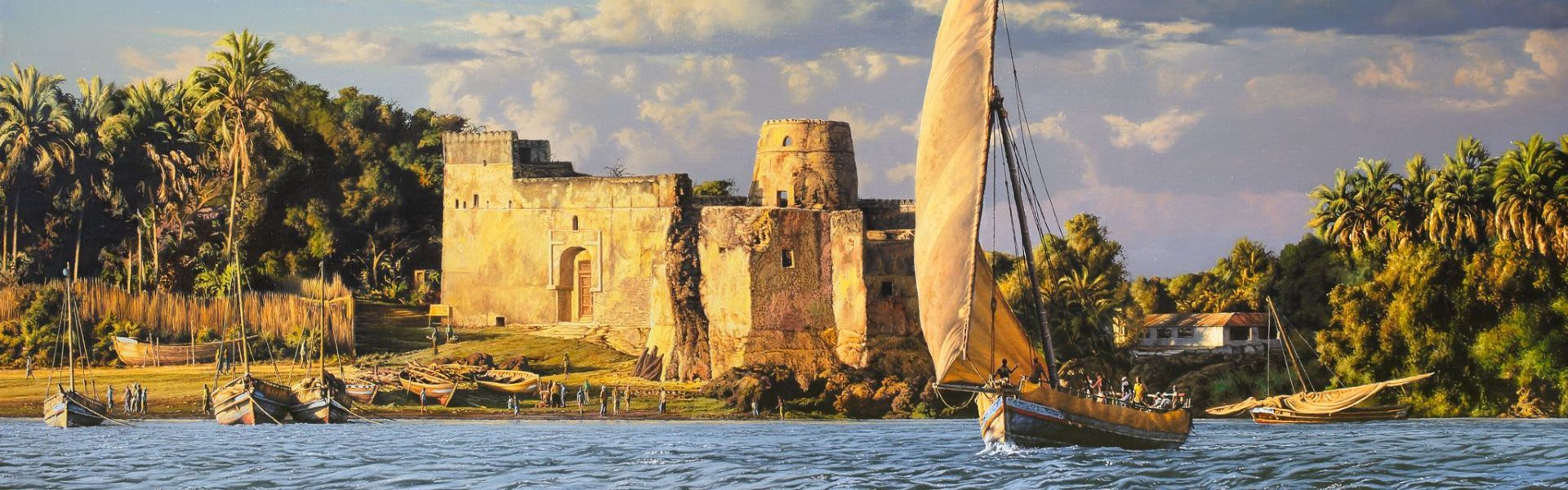
The Ultimate Guide to Kilwa Kivinje Safaris

Kilwa Kivinje, a town on Tanzania's southern coast, examining its profound historical significance, unique architectural landscape, and evolving role as a cultural and tourism destination. By situating Kilwa Kivinje within the broader narrative of the Swahili Coast, this analysis aims to provide a comprehensive understanding of its past, present, and future potential.
The Swahili Coast and the Kilwa Region.
· The Swahili Coast, an extensive and vibrant stretch along East Africa's Indian Ocean shoreline, has historically served as a critical nexus for intercontinental trade. This region, inhabited by the Swahili people, encompasses prominent historical cities such as Mombasa, Malindi, Dar es Salaam, and Kilwa. Its geographical advantages, including natural harbors and predictable monsoon winds, fostered extensive maritime trade networks that connected Africa with merchants from the Middle East, Asia, and beyond for millennia.
· Within this dynamic coastal system, Kilwa emerged as a particularly celebrated maritime city-state. Its ascendancy, especially between the 11th and 15th centuries CE, saw it minting its own currency and establishing dominance over a significant portion of the Swahili Coast. The town's economic prosperity was founded on the trade of highly sought-after commodities, including gold, ivory, animal skins, mangrove poles, and slaves, which attracted a diverse array of international traders and contributed to its cosmopolitan character.
· Archaeological investigations have revealed a comprehensive historical narrative for the Kilwa zone, demonstrating evidence of continuous human habitation that extends far beyond its medieval trading zenith. Discoveries indicate human occupation dating back to the Early Stone Age (ESA) and Middle Stone Age (MSA). This deep historical presence underscores that the strategic advantages of the Kilwa area, such as its sheltered bay and access to vital resources, were recognized and utilized by human populations for an exceptionally long duration. This suggests an inherent and enduring value of the landscape for human settlement and economic activity across different epochs.
The continuous human occupation of the Kilwa region, from the Stone Age through the medieval period and into the 19th century, highlights a remarkable capacity for resilience and adaptation within its communities. The area has navigated significant shifts in global economic and political landscapes. For instance, after a period of immense prosperity as a medieval trading power, Kilwa experienced decline with the arrival of the Portuguese in the 16th century. However, it later witnessed a resurgence in the 19th century as a key hub for the slave and ivory trades.
Despite these profound disruptions, the region remained continuously inhabited, as evidenced by the historical continuity from the earliest Stone Age settlements to its later re-emergence as a trading center and its current status as a small village. This demonstrates a deep-rooted ability of the local population to persist and adapt, maintaining a core cultural and historical continuity even as the nature of their livelihoods and external interactions transformed over centuries.
The Rise of Kilwa Kivinje: A 19th-Century Trading.
· Kilwa Kivinje, a distinct settlement located on the mainland, emerged as a significant port in the early 1800s, separate from the island of Kilwa Kisiwani. It rapidly became the primary terminus for the southern slave caravan route, which originated from the Lake Nyassa region (present-day Lake Malawi). By the mid-19th century, specifically around 1850, Kilwa Kivinje experienced substantial growth, evolving into a settlement with an estimated population of 12,000 to 15,000 inhabitants.
· This demographic expansion included a notable presence of wealthy families of Indian descent, solidifying the town's position as a regional center for the lucrative slave trade. The town's economic prosperity was inextricably linked to its pivotal role in both the slave and ivory trades.
· The commercial importance of Kilwa Kivinje escalated considerably, to the extent that by the 1840s, it was recognized as the principal destination for virtually all caravans arriving from the Lake Nyasa region, laden with valuable commodities such as ivory and slaves. This elevated its commercial standing to a position second only to Zanzibar along the East African coast.
· The ascendancy of Kilwa Kivinje, in contrast to Kilwa Kisiwani's long-standing historical prominence, indicates a dynamic adaptation to evolving trade routes and economic priorities. Kilwa Kisiwani had experienced a significant decline by the third decade of the 19th century due to internal conflicts and unfavorable environmental conditions. This created an opportunity for Kilwa Kivinje, situated on the mainland, to become the new principal trading center.
· The appointment of an Omani governor in Kilwa Kivinje as early as 1819 to promote trade further solidified its rising importance. This shift suggests that the mainland location was strategically better suited for the 19th-century caravan trade, which increasingly relied on overland routes from the interior, as opposed to the purely island-based maritime trade that characterized earlier centuries.
· The significant presence of "many wealthy families of Indian descent" in Kilwa Kivinje by 1850 further illustrates a vibrant, multi-ethnic commercial society. This demographic detail is not merely an observation; it signifies the town's deep integration into the broader Indian Ocean trade economy. Indian merchants played a crucial role in financing, organizing, and facilitating trade across the Swahili Coast.
· Their establishment in Kilwa Kivinje indicates a well-developed and profitable trading environment that attracted diverse communities and capital. This suggests that the town's economic success was built upon a foundation of international connections and a sophisticated mercantile class, rather than solely on local resources. Towards the close of the 19th century, Kilwa Kivinje transitioned into a German administrative center, reflecting the changing colonial powers and their strategic interests in the region.
Unique Features and Architectural Heritage.
· Kilwa Kivinje's distinctive character is profoundly shaped by its architectural landscape, which serves as a tangible chronicle of its rich and complex history. The town's buildings are not merely structures but physical manifestations of the successive foreign influences and local adaptations that have defined its past.
A Blend of German Colonial, Omani Arab, and Swahili Architecture.
· Kilwa Kivinje is notable for its "intriguing mix of German colonial and Omani Arab architecture". This unique architectural fusion is a direct consequence of the town's layered history, having served first as a prominent 19th-century trading hub under Omani influence and subsequently as a German administrative center. The physical structures visually narrate these successive periods of foreign presence and local interaction.
· The town's landscape is dotted with the crumbling remains of ancient Omani structures and old colonial buildings. These buildings, often constructed from traditional materials like coral-rag, embody the historical transitions of the town, making it a living museum. This allows visitors to interpret the town's past through its physical environment, providing a more immediate and impactful understanding than abstract historical accounts alone.
Historical Structures and Their Significance.
· The architectural remnants in Kilwa Kivinje offer specific insights into the administrative, commercial, and cultural life of the town during its periods of prominence.
German Colonial Structures.
● The Old German Boma: This substantial administration office is considered the most compelling German colonial structure in Kilwa Kivinje. Historical records indicate that it was considerably larger in 1903 and functioned as a customs station before its role as an administrative hub under German rule. Its imposing presence serves as a significant physical testament to the German colonial presence and their efforts to establish control and infrastructure.
● Remnants of the German Port: Traces of the German port facilities are still identifiable within the fishing village. These remnants provide a tangible link to the colonial-era trade infrastructure, which was crucial for shipping commodities like cotton.
● Cotton Storage Shed: A specific shed, strategically positioned between two guard towers, was utilized for storing cotton before it was loaded onto ships. This structure highlights the importance of agricultural exports and the logistical organization of trade during the German period.
● German Doctor's House: This building stands as an example of colonial residential architecture and is noted for being in "fairly good shape". Its preservation offers a rare glimpse into the living conditions and architectural styles favored by German administrators and professionals in the late 19th century.
● Typical German Period Houses: Other houses reflecting the German period are present throughout the town, including a distinctive three-story building with a balcony. These structures collectively showcase the architectural styles and urban planning approaches introduced during the German colonial era.
● German colonial buildings provide concrete evidence of the administrative and commercial functions that shaped Kilwa Kivinje. This moves beyond a general historical narrative to specific physical manifestations, allowing for a more grounded understanding of the town's past.
Omani Arab and Swahili Structures.
● Ancient Omani Structures: Crumbling remains of older Omani structures are disseminated throughout the city, offering subtle yet important clues to its earlier prosperity and influence under Omani rule. These ruins hint at the extent of the Omani presence and their architectural contributions.
● Carved Doors: The streets behind the boma, particularly what was historically known as "India Street," are lined with small houses featuring intricately carved doors in the Zanzibar style. These doors represent a significant architectural feature, showcasing a blend of Omani Arab influence and local Swahili craftsmanship. Historically, these doors were said to rival the famous doors of Stone Town in Zanzibar, underscoring Kilwa Kivinje's past status as a vibrant cultural and commercial center.
● The Local Mosque: A local mosque stands as a testament to the town's enduring Islamic heritage. Local residents claim this mosque has been in continuous use since the 14th century. The continuous use of this mosque for centuries, despite shifts in political and economic powers, indicates a profound and enduring spiritual and cultural continuity in Kilwa Kivinje. This highlights the deep-rooted Islamic heritage as a foundational element of the community's identity, demonstrating a cultural resilience that transcended colonial and trade-driven changes.
● India Street: This area was once a bustling community and shopping district, characterized by shops with large doors alternating with smaller residential entrances. It served as a hub of commercial activity, reflecting the town's vibrant multicultural past.
The presence of these diverse architectural styles and structures provides a rich, layered understanding of Kilwa Kivinje's historical evolution and the varied influences that shaped its development.
The Enduring Swahili Village Atmosphere.
· Despite its past as a major international trading and administrative center, Kilwa Kivinje today presents a different facade. It is characterized as a "small atmospheric village with a Swahili village feel" and a "charming, sleepy Swahili town, much of it built in the traditional style out of traditional coral-rag". This contemporary atmosphere offers a tranquil and authentic experience, providing a stark contrast to its bustling and prosperous historical past. The town is now predominantly inhabited by fishing communities, reflecting a return to more localized, traditional livelihoods after the decline of its international trade prominence.
· This current state, characterized by a "sleepy fishing community" and a distinct "Swahili village feel" , represents a post-industrial and post-colonial re-adaptation. The town has effectively transitioned from a hub of international commerce back to a more traditional, subsistence-based economy, particularly in fishing.
· This transformation underscores the remarkable adaptability of the local communities. When the external economic drivers, such as the slave and ivory trades, ceased due to abolition and German defeats , the population reverted to and strengthened traditional livelihoods, all while maintaining their core Swahili cultural identity.
The historical accounts of "India Street" and the subsequent departure of most Indian-Tanzanian shop owners during Julius Nyerere's Ujamaa program (late 1960s-1985) point to a significant historical cultural shift. This demographic and economic change has impacted the contemporary cultural fabric of Kilwa Kivinje. While the present cultural experience is authentic to current Swahili life, it represents a reduced version of the town's historical multicultural vibrancy. The absence of the once-prominent Indian merchant community means that the full historical cultural richness, which included diverse commercial and social interactions, cannot be experienced in its current living form. This is an important consideration for understanding the depth of cultural offerings in the town today.
Activities and Tourism Experience.
Kilwa Kivinje offers visitors a range of activities and experiences that span its rich historical, cultural, and natural attractions. The town's unique blend of past and present provides a distinctive tourism proposition.
Exploring Kilwa Kivinje's Historical Sites.
Tourists visiting Kilwa Kivinje can engage in immersive historical tours to explore the various ruins and old colonial buildings that are scattered throughout the town. These explorations provide a tangible connection to the town's prosperous 19th-century past as a significant trading hub. The physical remnants serve as silent witnesses to the historical events and economic activities that shaped the community.
Historical sites accessible to visitors include;
● The Old German Boma (Administration Office): This structure is considered the most compelling historical site within the town, offering direct insights into the German colonial period and its administrative functions. Its imposing presence helps visitors visualize the scale of colonial governance.
● Houses with Carved Doors: The streets behind the boma feature small houses adorned with intricately carved doors in the Zanzibar style. These doors are a significant architectural highlight, showcasing the enduring Omani Arab influence on local craftsmanship and aesthetics. They provide a visual link to the town's once-vibrant trade networks.
● The Local Mosque: A mosque within the town is claimed by locals to have been in continuous use since the 14th century. This longevity underscores a deep and enduring spiritual heritage that has persisted through centuries of political and economic change, offering a profound sense of cultural continuity.
● Graves of Historical Figures: The town contains graves of Arab traders, German colonists, and local elites. The presence of these graves adds a poignant layer of human narrative to the architectural ruins. It allows visitors to connect with the individual lives that shaped Kilwa Kivinje's complex, multicultural history. This moves beyond abstract historical facts to a more personal and relatable understanding of the past, as visitors can reflect on the diverse communities that lived in and contributed to the town's development and eventual decline.
These historical visits collectively offer valuable insights into Kilwa Kivinje's past role as a major slave and ivory trading hub, providing context to its rise and fall.
Immersive Cultural Experiences.
Kilwa Kivinje offers a distinctive "Swahili village feel" , providing visitors with opportunities for authentic cultural visits and city tours. This atmosphere facilitates a genuine immersion into the local way of life, distinct from more commercialized tourist experiences.
Visitors can observe and interact with local activities, such as fishermen preparing their nets and repairing their traditional wooden boats in the mangrove creek. This offers a direct glimpse into the town's enduring maritime culture and traditional livelihoods. The emphasis on the "Swahili village feel" and interactions with fishermen suggests that the cultural tourism experience in Kilwa Kivinje is oriented towards authentic, less commercialized encounters with local life.
A bicycle trip from Kilwa Masoko to Kilwa Kivinje is recommended for those seeking a deeper cultural immersion. This mode of transport allows visitors to traverse traditional landscapes, admire vernacular architecture, and enjoy spontaneous encounters with the local population, fostering a more intimate connection with the area. While organized cultural tours within Kilwa Kivinje are not extensively detailed, the town's inherent "Swahili small-town feel" and the presence of a busy dhow harbor, where brightly painted boats regularly set sail , inherently offer rich opportunities for cultural interaction. Observing the daily life around the dhow harbor provides a vibrant cultural and economic insight into the community's ongoing traditions.
The historical mention of "India Street" as a once "bustling community and shopping area" with "wealthy families of Indian descent" contrasts with its current state. The departure of most Indian-Tanzanian shop owners during Julius Nyerere Ujamaa program (late 1960s-1985) signifies the loss of a significant cultural and economic component that once defined the town's multicultural identity. This means that the present cultural experience, while authentic to the current Swahili way of life, represents a reduced version of its historical cultural diversity.
Nature and Outdoor Activities in the Vicinity.
Kilwa Kivinje is situated within the broader Kilwa District, which offers a variety of natural attractions that complement its historical sites, providing a holistic tourism experience.
● Pindiro Forest Reserve: This reserve is a notable natural wonder, home to rare albino hippopotamuses and serving as a sanctuary for animals migrating from nearby Selous National Park. It boasts over 200 bird species, including the striking Turaco, making it an ideal destination for birdwatching and game viewing for nature enthusiasts.
● Matumbi Hills: These hills present stunning landscapes characterized by small villages, majestic baobab trees, meandering rivers, and carefully cultivated farms. They offer excellent opportunities for relaxing walks and contain numerous caves, providing a serene natural escape and a chance to observe rural life.
● Coastal Activities: The coastal environment around Kilwa Kivinje offers a range of water-based activities. Snorkeling and scuba diving on the coral reefs provide unforgettable experiences of the southern Tanzanian coast's high levels of coral and fish biodiversity. Mangrove tours offer a unique opportunity to explore the intricate ecosystems of the coastal mangroves, which are vital for marine life and coastal protection.
● Fishing Experiences: Visitors can engage in thrilling deep-sea fishing adventures or join local fishermen for traditional fishing experiences, promising authentic encounters with marine life and local practices. This allows for direct interaction with the local economy and traditional skills.
● Salt Farm Explorations: The salt farms located behind the mangroves create a fascinating landscape and offer a unique cultural and natural activity. Visitors can observe salt being harvested in the traditional way by local men and women, and salt producers are often keen to interact and answer questions. This provides an insight into sustainable local industries.
Establishment, Location, and Accessibility.
Understanding Kilwa Kivinje requires an appreciation of its precise geographical placement, its historical origins, and the practicalities of reaching this historically significant coastal town.
Geographical Location.
Kilwa Kivinje is situated on the Indian Ocean coast of Tanzania, specifically within the Kilwa District of the Lindi Region. Its coordinates The town is characterized by a wide, sandy mainland port, which historically served as an ideal landing beach for wooden boats and continues to be utilized by local fishing vessels. Kilwa Kivinje is located approximately 25 km north of Kilwa Masoko, the district seat, and can be reached by car in about 20 minutes or by bicycle in approximately two hours, offering scenic routes that immerse visitors in the traditional architecture and landscapes of the region.
The location's strategic importance is deeply rooted in the broader history of the Swahili Coast and Indian Ocean trade. The East African coastline, with its natural harbors and predictable monsoon winds, facilitated extensive trade networks linking Africa with the Middle East, Asia, and beyond for thousands of years. Kilwa, in general, was a celebrated maritime city-state that, at its peak, dominated a large part of the Swahili Coast due to its control over trade routes. Kilwa Kivinje's emergence as a mainland port in the 19th century capitalized on these established regional trade dynamics, offering a more accessible terminus for overland caravan routes from the interior compared to the island-based Kilwa Kisiwani.
Establishment and Evolution.
Kilwa Kivinje was established in the early 19th century by Omani Arabs, serving as their regional terminus for the slave trade originating from Lake Nyassa. By 1850, the town had rapidly expanded into a substantial settlement with a population ranging from 12,000 to 15,000 inhabitants, including a significant number of wealthy families of Indian descent. This growth solidified its position as a regional center for the slave and ivory trades.
Its commercial importance grew to such an extent that by the 1840s, it was considered the primary destination for almost all caravans from the Lake Nyasa region, making it second only to Zanzibar in commercial significance along the East African coast.
The town's establishment was also influenced by a historical context of refuge. It is considered to have provided sanctuary for earlier inhabitants of Kilwa Kisiwani who had fled Vasco da Gama's sacking of the city in 1505. Later, it absorbed more refugees escaping Madagascar pirates in 1822. This suggests that Kilwa Kivinje served as a place of resilience and continuity for communities displaced by historical upheavals. Towards the end of the 19th century, Kilwa Kivinje transitioned from an Omani-influenced trading hub to a German administrative center, reflecting the changing colonial dynamics in the region.
Accessibility.
Kilwa Kivinje's accessibility has improved over time, connecting it to major Tanzanian cities and other regional centers.
● From Dar es Salaam: The most common mode of transport is by bus. Buses to Kilwa depart from Mbagala bus terminal in Dar es Salaam, typically early in the morning (around 6 am), though some services are available throughout the day until 3 pm. Companies like Mashalla and Swahili operate on this route. The road network from Dar es Salaam to Kilwa has seen significant improvements, with a fully tarred road completed approximately 15 years ago.
● The drive from Dar es Salaam to Kilwa takes about 4-5 hours once outside the city, covering approximately 350 km. Travelers can also opt for private vehicle rentals (e.g., Toyota Prado, Corolla, Alphard) with a driver and fuel, with costs varying by vehicle type. While driving is a direct option, it is a long journey, taking around 39 hours for the full 2180.3 km road distance if considering the entire Kilwa region, not just Kivinje.
● Air Travel: Coastal Aviation offers flights to Kilwa Masoko airport, which is about 3km from the beach on the outskirts of Kilwa Masoko town. These flights are typically on a charter basis and are more reasonably priced for groups of 6 or more. While convenient, air travel is generally not recommended as the primary option due to cost and charter requirements.
● From Other Southern Towns: Buses from southern towns like Mtwara and Lindi also depart daily around 6 am, taking approximately 4-5 hours on paved roads. These buses typically drop passengers off at Nangurukuru, about 30km from Kilwa, from where minibuses, shared taxis, or private taxis can be taken to Kilwa Kivinje.
● Local Transfers: Upon arrival in the Kilwa area, shared taxis are regularly available to travel between Kilwa Masoko and Kilwa Kivinje. These shared taxis depart frequently (around every half hour) if one is willing to wait, or private taxis can be chartered.
The improved road infrastructure has significantly enhanced Kilwa Kivinje's accessibility, facilitating easier travel for both local and international visitors.
Transportation and Accommodation.
Efficient transportation and suitable accommodation are crucial components of the visitor experience in Kilwa Kivinje, directly influencing the town's tourism potential.
Local Transportation Options.
Navigating between Kilwa Masoko, the district seat, and Kilwa Kivinje, as well as exploring the immediate surroundings, offers several local transportation choices:
● Shared Taxis (Dala-dalas): These are a common and economical mode of public transport in the area. Shared taxis operate regularly between Kilwa Masoko and Kilwa Kivinje. While they may require some waiting time, they are a practical option for local travel.
● Private Taxis and Motorcycle Taxis (Boda-bodas): For more direct and flexible travel, private taxis are available, though they are more expensive. Motorcycle taxis, known as boda-bodas, offer a quicker option for shorter distances, particularly from main roads to sites slightly off the beaten path. When using these services, it is advisable to negotiate the fare beforehand to avoid discrepancies.
● Bicycles: A bicycle trip between Kilwa Masoko and Kilwa Kivinje is a recommended activity for those seeking a more immersive experience. This allows visitors to enjoy the traditional architecture and landscapes at a leisurely pace and fosters enjoyable encounters with the local population. The 25 km journey takes approximately two hours one way, with most of the route on paved roads. Bikes can be easily rented in Kilwa Masoko.
● Walking: Both Kilwa Masoko and Kilwa Kivinje are small enough that exploring them on foot is feasible and often recommended, especially for appreciating the local atmosphere and architecture.
The availability of these diverse local transport options caters to different traveler preferences and budgets, enhancing the overall visitor experience and allowing for flexible exploration of the historical and cultural sites.
Accommodation Facilities.
While Kilwa Kivinje itself is described as having "numerous small guesthouses" that are locally owned and offer basic accommodation for relatively low prices (less than 5,000 TZS) , the primary accommodation options for visitors to the Kilwa area are concentrated in the nearby Kilwa Masoko. These facilities serve as a base for exploring both Kilwa Kivinje and the UNESCO World Heritage Sites of Kilwa Kisiwani and Songo Mnara.
NB:
Accommodation options in Kilwa Masoko and the broader Kilwa District include;
● Hotels and Resorts: Several hotels and resorts are available, ranging from basic to more established properties. Examples include Kilwa Beach Lodge, The Slow Leopard Kilwa, Kilwa Dreams Beach Resort, Kilwa Seaview Resort, Kilwa Bandari Lodge, and Kilwa Pakaya Hotel. These often offer amenities such as private beaches, swimming pools, and various services.
● Vacation Rentals and Guesthouses: Options such as private rooms, hotel rooms within larger resorts, and bed and breakfasts are available, providing a range of choices for different budgets and preferences.
● Camping: Some establishments, like Kilwastar Beach Resort, offer camping spaces with facilities such as water, electricity, and toilets for those with their own tents.
Despite the presence of these options, the region faces challenges in improving hotel accommodations. These difficulties stem from insufficient infrastructure, where most hotels are compelled to provide their own water, energy, and waste disposal systems.
Benefits for the Local Community.
Tourism in Kilwa Kivinje and the broader Kilwa District presents significant opportunities for socio-economic development and cultural preservation, directly benefiting the local communities.
Economic Empowerment through Tourism.
· Cultural tourism activities in sub-Saharan Africa, including Tanzania, have proven effective in engaging local communities residing in tourism attraction areas. This engagement leads to the generation of extra income through the creation of additional jobs and various business activities. In Kilwa Kivinje, these benefits manifest in several ways;
● Job Creation: Tourism provides employment opportunities for local residents, including roles as guides, artisans, cooks, and drivers. This direct employment contributes significantly to household incomes and reduces reliance on external aid.
● Business Activities: Local communities can engage in entrepreneurial ventures such as selling cultural handicrafts, local culinary products (e.g., salt, honey, pastries), and providing food and beverage services to visitors. This fosters self-sufficiency and diversifies local economies.
● Revenue Reinvestment: Income generated from community-based tourism (CBT) programs is often reinvested directly into essential community infrastructure and services. This includes funding for education programs, improving school facilities, supporting access to medical care, and enhancing connectivity through road improvements. This contributes to overall community development and improved living standards.
● Entrepreneurial Spirit: Supporting local economies through tourism means investing in the entrepreneurial spirit of the people. Tourism provides a platform for countless local entrepreneurs, from skilled artisans to local farmers, thereby sustaining vital income sources.
Cultural Preservation and Identity Reinforcement.
Tourism plays a crucial role in the preservation of cultural heritage and the reinforcement of local identity in Kilwa Kivinje:
● Showcasing Traditions: CBT initiatives provide communities with a platform to showcase their traditions, languages, and crafts. This creates a financial incentive to maintain cultural practices, reducing the risk of cultural erosion caused by globalization. Visitors can learn about traditional practices such as weaving, dance, and food preparation.
● Mutual Respect: As local communities share their traditions with visitors, a mutual respect is fostered. This process not only strengthens local identities but also encourages sustainable practices that keep these traditions alive for future generations.
● Spiritual Connection: For communities residing near rock art sites, these locations often hold significant spiritual value, serving as areas for spiritual connection with ancestors and influencing daily activities. Tourism can help highlight and preserve these intangible aspects of heritage.
Infrastructure and Social Development.
Beyond direct economic benefits, tourism contributes to broader infrastructure and social development in the Kilwa District;
● Improved Infrastructure: Revenue from tourism can be reinvested into improving essential infrastructure, such as roads, water supply, and electricity, enhancing connectivity and quality of life for both locals and tourists. The Kilwa District Council's strategic plan (2017/18–2021/2022) explicitly outlines goals for improving roads, electricity, telecommunication, and water/sanitation services, with tourism development requiring high input investment in these areas.
● Social Services: The strategic plan also targets improvements in social services, including health and education. By generating revenue, tourism can indirectly support these goals, contributing to the overall well-being of the community.
● Community Empowerment: The Kilwa District Council aims to empower poor households through relief funds and strengthen lower-level community entrepreneurship development. Tourism, particularly through community-based initiatives, directly aligns with these goals by providing economic opportunities and fostering financial independence.
● Broader Social Impact: The economic benefits of tourism lead to improved quality of life and enhanced social cohesion within the community. This creates a more financially secure and stable environment for residents.
The integration of tourism development with local community needs and strategic plans can lead to sustainable and holistic development, ensuring that the benefits are widely distributed and contribute to long-term well-being.
Challenges and Solutions.
Despite its rich heritage and tourism potential, Kilwa Kivinje faces a range of challenges that threaten the preservation of its historical assets and the sustainable development of its tourism sector. Addressing these issues requires concerted efforts and strategic interventions.
Historical Preservation Challenges.
The historic buildings and archaeological sites in Kilwa Kivinje are in a relatively poor state of conservation. This deterioration is attributed to a complex interplay of factors:
● Neglect and Lack of Awareness: There is a limited understanding among residents regarding conservation responsibilities and the importance of preserving their heritage. This is compounded by a lack of interest and motivation to conserve, and outright neglect by property owners and occupants. This absence of local ownership and engagement is a significant barrier to effective preservation.
● Weak Enforcement of Legislation: Existing antiquities legislation, despite being in place since the colonial era, is inadequately enforced. This leads to limited assistance from antiquities agencies and a perception among residents that authorities are not effectively supporting conservation efforts.
● Illegal Activities: The sites are vulnerable to illegal activities, including unauthorized excavations by treasure hunters and the theft of stone from ruins for use as modern building material. This directly contributes to the physical degradation and loss of historical fabric.
● Conflict of Expectations: A disconnect often exists between conservation authorities/researchers and local communities. Research or conservation projects may not align with local priorities, leading to suspicion, discontent, or even vandalism from residents who feel sidelined in decision-making processes. This highlights a fundamental challenge in achieving genuine community participation.
Environmental Threats.
Kilwa Kivinje, like other coastal heritage sites in Tanzania, is highly vulnerable to environmental degradation, particularly from climate change impacts;
● Coastal Erosion and Rising Sea Levels: The most significant environmental threats are coastal erosion and rising sea levels, exacerbated by increased wave action and more extreme weather systems. This directly undermines the foundations of structures adjacent to the shore and impacts subsurface archaeological deposits, leading to loss of artifacts and site integrity.
● Deforestation and Habitat Degradation: The reduction of protective mangrove forests, often due to unsustainable economic uses of the marine environment (e.g., overgrazing, small fishing vessels), exacerbates coastal erosion and removes a natural defense barrier.
● Human Activities: Local practices such as cultivation of crops, cattle grazing, firewood collection, and quarrying for sand in the vicinity of heritage sites accelerate soil erosion and directly damage archaeological remains.
Socio-Economic Barriers and Community Engagement Issues.
Beyond the physical threats, socio-economic factors and challenges in community engagement pose significant barriers to sustainable tourism and heritage management:
● Limited Perceived Economic Benefits: Local residents often perceive minimal economic gains from conservation efforts and tourism compared to external businesses. This lack of tangible benefits can lead to a disinterest in active participation in conservation.
● Marginalization and Unequal Benefit Distribution: Policy gaps, such as top-down governance and the marginalization of local communities, result in unequal distribution of tourism benefits. This generates tensions and hinders genuine community involvement.
● Insufficient Capacity-Building: A lack of adequate training and skills among local communities and tourism operators can limit their ability to effectively participate in and benefit from tourism initiatives.
● Infrastructure Limitations: The absence of proper facilities, such as modern restrooms, dedicated visitor centers, and sufficient accommodation, can deter tourists and negatively impact their experience, further limiting potential revenue generation. Poor communication infrastructure also hinders effective operations.
Existing Conservation and Management Initiatives.
Despite these challenges, various initiatives are underway to protect and promote Kilwa Kivinje's heritage;
● UNESCO World Heritage Status and Related Projects: While Kilwa Kivinje itself is not a UNESCO World Heritage Site, it is closely associated with the nearby Ruins of Kilwa Kisiwani and Songo Mnara, which are inscribed on the World Heritage List. Conservation efforts for these sites, supported by international grants from the U.S. State Department, UNESCO, and other partners, have focused on stabilizing walls, replanting mangroves to mitigate coastal erosion, and improving visitor infrastructure. These efforts serve as models and contribute to the broader heritage protection framework in the region.
● Local NGO Involvement (KIUMAKI): KIUMAKI, a local NGO in Iringa Municipality (which includes Igeleke Rock Art Site, a site with similar preservation challenges to Kilwa Kivinje), is actively committed to the protection and development of heritage sites. Their work includes fencing protected areas, promoting sites in exhibitions, and providing training to local guides in site interpretation and tour guiding. This model of community-led conservation could be replicated or strengthened in Kilwa Kivinje.
● Fahari Yetu Program: This applied heritage conservation program, established by the University of Iringa and later registered as an independent NGO, supports poverty alleviation and sustainable community development through the conservation, management, and promotion of cultural heritage resources in the Southern Highlands Region. Their strategic objectives align with UNESCO's World Heritage Committee goals, focusing on credibility through research, conservation through archiving and exhibition, capacity building, communication, and community involvement.
● Management Plans and Reviews: Management plans for heritage sites, such as the Integrated Management Plan (IMP) for Kilwa Kisiwani and Songo Mnara, are developed and periodically reviewed to address conservation issues and enhance governance. These plans aim to engage communities, stakeholders, and partners in implementation processes.
Proposed Solutions and Best Practices.
To effectively address the challenges and ensure the sustainable preservation and development of Kilwa Kivinje, a multi-pronged approach is necessary:
● Inclusive Governance and Participatory Planning: Prioritize participatory planning where local communities are actively involved in designing, organizing, and managing tourism and conservation initiatives. This shifts from top-down governance to a more inclusive model, ensuring that local interests are a guiding principle in any development.
● Capacity Building and Education: Invest in education and skills training for local residents, particularly in tourism and heritage management. This includes training for guides, artisans, and entrepreneurs to enhance their ability to benefit from tourism and contribute to conservation efforts. Public education campaigns are crucial to raise awareness about the importance and historical significance of heritage sites, combating issues like vandalism and illegal activities.
● Equitable Benefit Sharing: Implement mechanisms to ensure fair economic returns for communities from tourism. This can mitigate tensions over resource distribution and foster a vested interest in heritage protection among beneficiaries.
● Infrastructure Improvement: Continue to invest in and improve essential tourism infrastructure, including accommodations, visitor centers, restrooms, and reliable water and energy supplies. This enhances the visitor experience and supports local businesses.
● Targeted Conservation Measures: Implement urgent and permanent measures to halt coastal erosion, such as strengthening sea defenses and replanting mangrove forests. Develop and enforce strict regulations to minimize environmental impact from human activities like cultivation and grazing near sites.
● Leveraging Technology: Utilize modern technologies like drone mapping and photogrammetry for high-resolution documentation and monitoring of sites. This provides a baseline for tracking changes due to erosion and human impact, enabling timely mitigation efforts.
● Integrated Heritage Management: Develop a comprehensive heritage management plan that integrates cultural heritage with the physical landscape. This plan should encompass strategies for documentation, interpretation, and legal protection, ensuring that archaeological resources are assessed and protected by local authorities as everyday custodians.
● Promotion and Marketing: Design promotional materials and participate in international tourism fairs to raise Kilwa's profile and attract more visitors, particularly to the less-known southern circuit.
Opportunities for Future Development.
Kilwa Kivinje, with its rich historical and cultural assets, coupled with its natural beauty, presents significant opportunities for future development, particularly in the realm of sustainable tourism. Realizing this potential requires strategic planning and collaborative efforts.
Enhancing Tourism Infrastructure and Offerings.
· Future development in Kilwa Kivinje can capitalize on improving and expanding its tourism infrastructure and diversifying its offerings to attract a wider range of visitors.
● Infrastructure Upgrades: Continued investment in critical infrastructure is essential. This includes further improvements to roads, ensuring all-weather accessibility to historical sites and natural attractions. Expanding electricity and telecommunication networks will enhance visitor comfort and operational efficiency for tourism businesses. The Kilwa District Council's strategic plan explicitly outlines goals for increasing access to clean water and improving waste management, which are fundamental for sustainable tourism development.
● Visitor Facilities: The construction of modern tourist information centers, strategically located (e.g., at the market square where visitors arrive), can serve as central hubs for information, local product sales (culinary, crafts), and guide services. Improving guest rooms in local villages, potentially using traditional building techniques like cob, can offer authentic accommodation experiences while supporting local craftsmanship.
● Diversifying Attractions: Beyond historical ruins, developing eco-tourism facilities in mangrove reserves and promoting unique natural attractions like hippo pools can broaden the appeal of the area. Combining historical tours with wildlife safaris in nearby Ruaha National Park and Udzungwa Mountains National Park can create comprehensive itineraries, positioning Kilwa Kivinje as a gateway to the "Southern Circuit" of Tanzania's tourism destinations. This regional integration is crucial for increasing visitor numbers and extending their stay.
Strengthening Community Involvement and Economic Linkages.
· The long-term success of tourism in Kilwa Kivinje hinges on robust community involvement and ensuring that economic benefits directly reach local populations.
● Direct Participation: Opportunities exist for local communities to participate directly in various aspects of tourism, including providing transport services (e.g., dhow trips, bicycle rentals), offering food and beverage services, acting as knowledgeable tour guides, producing and selling local handicrafts, and organizing cultural displays. This direct involvement transforms tourism from a passive industry into an active source of livelihood and empowerment.
● Collaborative Governance: Establishing or strengthening formal structures for engagement between various stakeholders—including national and district government, community groups (both on the mainland and Kilwa Kisiwani), the tourism industry, NGOs, and donor organizations—is critical. A clear overarching plan, developed through coordination, can assist in implementing tourism development that maintains the sense of place and provides an excellent visitor experience while benefiting host communities.
● Empowering Local Entrepreneurs: Projects like WAUMAKI Kisiwani, which empower local female entrepreneurs through business training and support for craft and culinary skills, serve as excellent models for strengthening economic linkages within the community. Expanding such initiatives can create sustainable jobs and foster local ownership of tourism ventures.
● Capacity Building: Continuous capacity-building programs for local communities in tourism and heritage management are vital. This ensures that residents have the necessary skills to manage tourism activities, interpret heritage, and develop sustainable businesses, thereby maximizing their economic returns.
Leveraging Research and Documentation for Heritage Management.
Ongoing research and systematic documentation are indispensable for the effective management, preservation, and promotion of Kilwa Kivinje's heritage.
● Archaeological Research: Continued archaeological investigations in the Kilwa region, building on past efforts (e.g., those by the University of Dar es Salaam and international collaborations), can further unravel the town's history, providing deeper insights for interpretation and presentation to visitors. This academic rigor enhances the credibility and educational value of the site.
● Digital Heritage Databases: Developing and utilizing national digital heritage databases is crucial. These databases can provide comprehensive data on the impact of environmental change on historic environments and local communities, enabling proactive conservation strategies. Technologies like drone mapping and photogrammetry can create high-resolution maps of the Kilwa Kivinje area, identifying erosional patterns and newly exposed archaeological features, which are vital for tracking changes and developing mitigation protocols.
● Informing Conservation Strategies: Research findings can directly inform conservation strategies, ensuring that interventions are scientifically sound and culturally appropriate. This includes understanding the formation processes of sites and developing protocols for their long-term preservation.
● Public Engagement and Awareness: Research can be translated into accessible information for the public, enhancing their understanding and appreciation of the sites. This contributes to raising awareness about the importance of heritage preservation and fostering a sense of collective responsibility.
Promoting Sustainable Tourism Practices.
· For Kilwa Kivinje's tourism development to be truly beneficial and long-lasting, it must adhere to principles of sustainability.
● Minimizing Environmental Impact: Implementing strict regulations and promoting eco-friendly tourism practices are paramount to protect the natural environment that underpins the region's appeal. This includes encouraging visitors and operators to minimize their ecological footprint and supporting conservation efforts for ecosystems like mangroves and coral reefs.
● Balancing Growth and Preservation: A key challenge lies in balancing tourism growth with environmental conservation and ensuring equitable benefits for local communities. This requires careful planning to prevent over-tourism, manage waste effectively, and control human activities that could degrade sites.
● Cultural Sensitivity: Promoting genuine cultural exchanges that respect local customs and values is essential. This can involve establishing clear communication channels between local communities and tourism stakeholders to develop policies and guidelines that ensure respectful interactions.
● Long-Term Vision: Sustainable tourism initiatives should be part of a long-term vision for the region, focusing on building resilience and ensuring that the cultural and natural riches of Kilwa Kivinje remain protected for future generations.
Conclusion.
Kilwa Kivinje stands as a compelling testament to the dynamic and layered history of the Swahili Coast. Its evolution from an Omani-established 19th-century slave and ivory trade terminus to a German administrative center, and ultimately to its current identity as a tranquil Swahili fishing village, showcases a remarkable capacity for adaptation and resilience within its communities. The town's unique architectural blend of German colonial and Omani Arab influences, alongside enduring Swahili structures like the ancient mosque, serves as a tangible historical record, offering a profound visual narrative of its complex past.
The presence of graves of diverse historical figures further humanizes this narrative, allowing visitors to connect with the multicultural lives that shaped the town.
The current atmosphere of Kilwa Kivinje, characterized by its authentic "Swahili village feel," reflects a post-colonial re-adaptation where traditional livelihoods have resurfaced after the decline of its international trade prominence. While this offers a genuine cultural immersion for visitors, the historical context of "India Street" reveals a past multicultural vibrancy that has diminished, presenting a nuanced picture of its contemporary cultural offerings.
Despite its rich heritage, Kilwa Kivinje faces significant challenges, notably the poor state of historical building conservation due to neglect, weak legal enforcement, and illegal activities like stone theft. Environmental threats, particularly coastal erosion exacerbated by climate change and deforestation, pose an existential risk to its historic structures. Socio-economic barriers, including the perception of limited benefits from tourism and issues of top-down governance, further complicate sustainable development.
These challenges are met with ongoing efforts and substantial opportunities. Existing conservation initiatives, often linked to the UNESCO World Heritage Sites of Kilwa Kisiwani and Songo Mnara, provide models and support. The active involvement of local NGOs like KIUMAKI in heritage protection and community capacity building, alongside broader programs like Fahari Yetu, demonstrates a commitment to sustainable management.
The future development of Kilwa Kivinje lies in a strategic, integrated approach. This involves enhancing tourism infrastructure, such as improved roads, visitor facilities, and diverse accommodation options, while simultaneously strengthening direct community involvement in tourism activities. Leveraging ongoing archaeological research and digital documentation can provide crucial data for effective heritage management and interpretation.
promoting sustainable tourism practices that balance economic growth with environmental conservation and equitable benefit-sharing is paramount. By fostering inclusive governance, investing in local skills, and ensuring that the community remains at the heart of all development initiatives, Kilwa Kivinje can secure the preservation of its invaluable heritage and realize its full potential as a unique cultural and historical destination on the East African coast.