
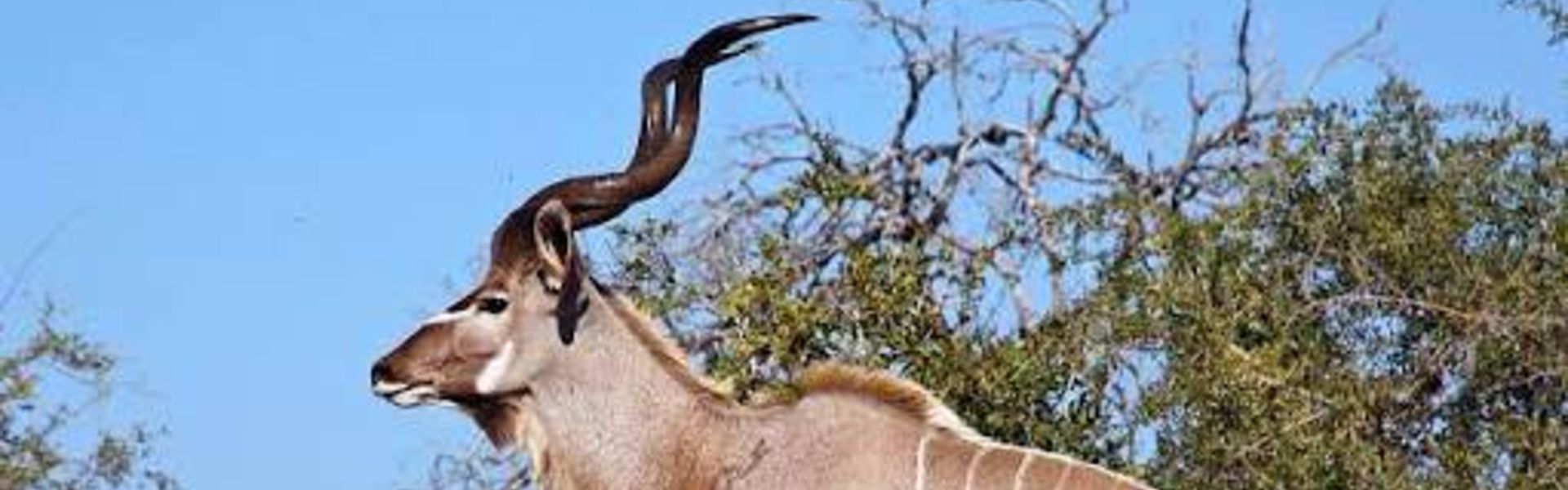
The Ultimate Guide to Juhiwangumiwa Wildlife Area Safaris

Juhiwangumiwa Wildlife Management Area (WMA) is one of Tanzania’s community-based conservation initiatives designed to empower local communities to manage and benefit from wildlife resources on their land.
Wildlife Management Areas (WMAs) were introduced as part of Tanzania’s broader strategy to decentralize wildlife conservation and promote community-based natural resource management. The concept emerged from the 1998 Wildlife Policy, which recognized the need to involve rural communities in conservation efforts.
Key Objectives of WMAs:
- Conserve wildlife outside core protected areas
- Provide economic benefits to local communities
- Reduce human-wildlife conflict
- Promote sustainable land use and biodiversity protection
· WMAs serve as buffer zones around national parks and game reserves, helping to reduce pressure on these ecosystems while offering communities a stake in tourism and conservation revenues.
Establishment of Juhiwangumiwa WMA.
While specific details about Juhiwangumiwa WMA are limited in public sources, its establishment follows the general framework laid out by Tanzania’s Ministry of Natural Resources and Tourism:
Steps in Establishing a WMA.
1. Community Mobilization: Villages within a proposed WMA area form a Community-Based Organization (CBO) to represent their interests.
2. Land Use Planning: Participating villages designate parts of their land for wildlife conservation.
3. Legal Recognition: The CBO applies for Authorized Association (AA) status, granting it legal rights to manage wildlife and enter into tourism agreements.
4. Government Approval: The Ministry reviews and gazettes the WMA, officially recognizing it as a conservation area.
5. Implementation: The AA begins managing the area, often with support from NGOs, donors, and tourism partners.
Juhiwangumiwa WMA likely followed this process, with support from conservation organizations and government agencies to ensure compliance with national policies and sustainability goals.
Strategic Importance.
Juhiwangumiwa WMA contributes to:
- Ecological connectivity between protected areas
- Community livelihoods through tourism and conservation jobs
- Resilience against environmental and economic shocks, such as those caused by the COVID-19 pandemic
The 2023–2033 National WMA Strategy emphasizes scaling up successful WMAs like Juhiwangumiwa and strengthening their governance, financial sustainability, and ecological impact.
WHY IT’S CALLED THAT
The name Juhiwangumiwa Wildlife Management Area (WMA) is a locally derived name that reflects the identity and collaboration of several villages that came together to form and manage the conservation area. In Tanzania, WMAs are community-based conservation initiatives, and their names often represent a fusion of the names or syllables of the member villages.
Why It's Called "Juhiwangumiwa".
The name Juhiwangumiwa is likely a composite acronym or portmanteau created by combining parts of the names of the villages that contributed land and resources to establish the WMA. This naming tradition is common in Tanzania’s WMAs to symbolize unity and shared responsibility. Here's how it typically works:
- "Juhi" might come from a village like Juhudi or a similar name.
- "Wangu" could be derived from Wangulumi or another nearby village.
- "Miwa" might represent Miwaleni, Miwanda, or a related village.
· By blending these names, the resulting term “Juhiwangumiwa” becomes a symbolic representation of the partnership among these communities. It’s not just a name it’s a declaration of joint stewardship over wildlife and natural resources.
Community-Based Conservation.
Juhiwangumiwa WMA was officially gazetted by the Tanzanian government in 2016 under Government Notice No. 204. Its establishment allows the local communities to:
- Manage wildlife resources sustainably
- Benefit economically from tourism and conservation
- Protect their environment while maintaining traditional livelihoods
The name serves as a reminder that conservation is not imposed from the top down—it’s built from the ground up by the people who live closest to the land.
LOCATION AND ACCESSIBILITY.
· Juhiwangumiwa Wildlife Management Area (WMA) is located in Tanzania, and its establishment is rooted in the country’s broader strategy to promote community-based conservation. While detailed geographic coordinates are not widely published, we can elaborate on its general location and accessibility based on available information and the typical structure of WMAs.
Location
Juhiwangumiwa WMA is situated in central Tanzania, likely within or near the Singida Region, based on naming conventions and gazettement records. It was officially recognized on July 1, 2016, which confirms its legal status as a protected area managed by local communities.
The WMA is formed by a cluster of villages that have voluntarily set aside portions of their land for wildlife conservation. These villages are typically located near important wildlife corridors or buffer zones adjacent to national parks or game reserves.
Accessibility.
Access to Juhiwangumiwa WMA depends on regional infrastructure, which varies across Tanzania.
- Road Access: Most WMAs are reachable via regional or district roads. Depending on the season, roads may be gravel or dirt, and accessibility can be affected by rainfall.
- Nearest Towns or Cities: WMAs are often located near district headquarters or regional towns, which serve as entry points for visitors and researchers.
- Tourism Infrastructure: As a community-managed area, Juhiwangumiwa may have basic facilities such as campsites, walking trails, and local guides. These are often supported by NGOs or tourism partners.
Strategic Position.
Juhiwangumiwa WMA likely plays a role in maintaining ecological connectivity between larger protected areas. WMAs are often positioned along wildlife corridors, allowing animals to move freely between habitats while reducing human-wildlife conflict and promoting biodiversity.
UNIQUE FEATURES.
Juhiwangumiwa Wildlife Management Area (WMA) possesses several unique features that distinguish it within Tanzania’s network of community-based conservation areas. While detailed site-specific data is limited, we can highlight its distinctive characteristics based on its legal status, ecological role, and community involvement.
1. Community-Led Conservation.
· Juhiwangumiwa WMA is managed by an Authorized Association (AA) formed by local villages. This grassroots governance model ensures that conservation decisions are made by the people who live closest to the land and wildlife. It empowers communities to:
- Monitor and protect wildlife
- Engage in sustainable tourism
- Receive direct economic benefits from conservation
2. Legal Recognition and Protection.
· The WMA was officially gazetted under Government Notice No. 204 on July 1, 2016, granting it legal status under Tanzania’s Wildlife Conservation Act. This formal recognition allows it to:
- Enter into agreements with tourism operators
- Enforce wildlife protection laws
- Receive support from government and NGOs
3. Ecological Significance.
· Juhiwangumiwa WMA contributes to the protection of wildlife habitats outside core protected areas. It likely serves as a buffer zone or wildlife corridor, helping to:
- Maintain biodiversity
- Reduce human-wildlife conflict
- Connect fragmented ecosystems
4. Tourism Potential.
· Like other WMAs, Juhiwangumiwa may offer opportunities for:
- Photographic safaris
- Walking tours with local guides
- Cultural experiences in nearby villages
· These activities generate revenue that supports conservation and community development.
5. Resilience and Adaptation.
· WMAs like Juhiwangumiwa have faced challenges due to global shocks such as the COVID-19 pandemic, which disrupted tourism income. However, they are increasingly exploring:
- Diversified revenue streams
- Local entrepreneurship
- Climate-resilient conservation strategies
TRANSPORTATION.
Juhiwangumiwa Wildlife Management Area (WMA), officially gazetted in 2016 under Government Notice No. 204, is located in central Tanzania, likely within or near the Singida Region. Its transportation and accessibility are shaped by the region’s infrastructure and its role within Tanzania’s broader conservation landscape.
Transportation and Accessibility of Juhiwangumiwa WMA.
1. Road Access.
· Juhiwangumiwa WMA is accessible primarily by regional and district roads, which connect the participating villages to nearby towns. These roads may be:
- Gravel or dirt roads, common in rural Tanzania
- Seasonally affected, especially during the rainy season when some routes may become impassable
· Travelers typically use 4x4 vehicles for reliable access, especially if visiting remote conservation zones or during wet conditions.
2. Proximity to Urban Centers.
· While exact coordinates are not publicly listed, WMAs like Juhiwangumiwa are often located within a few hours’ drive from regional hubs. These towns serve as logistical bases for:
- Tourists
- Conservation staff
- Government and NGO partners
· Singida town or nearby district centers may serve as the main entry points.
3. Public Transport.
· Local buses and minibuses (known as daladalas) operate between villages and towns, though they may not reach the WMA directly. Visitors often arrange private transport or use tour operators familiar with the area.
4. Tourism Infrastructure.
· As a community-managed conservation area, Juhiwangumiwa may offer:
- Basic campsites
- Walking trails
- Local guides
· These facilities are typically modest but provide authentic experiences and direct community engagement.
5. Strategic Location in Wildlife Corridors.
· Juhiwangumiwa WMA contributes to Tanzania’s wildlife corridor strategy, helping connect protected areas and allowing animal movement across landscapes. This ecological role enhances its importance and may influence future infrastructure development to support conservation and tourism.
TRANSPORTATION.
Accommodation within Juhiwangumiwa Wildlife Management Area (WMA) is likely to be modest and community-oriented, reflecting the area's grassroots conservation model and its emerging role in Tanzania’s ecotourism landscape. While specific lodges or campsites are not widely documented online, we can elaborate on the typical accommodation setup based on how WMAs across Tanzania operate.
Accommodation in Juhiwangumiwa WMA.
1. Community-Run Campsites.
· Juhiwangumiwa WMA may offer basic campsites managed by the local Authorized Association (AA). These facilities are designed to:
- Provide affordable lodging for tourists
- Generate income for local communities
- Promote low-impact, eco-friendly tourism
Campsites often include:
- Tent platforms or simple huts
- Shared bathrooms and cooking areas
- Local guides and cultural experiences
2. Eco-Lodges and Private Partnerships.
· As the WMA develops, it may attract private investors or NGOs to build eco-lodges that blend sustainability with comfort. These lodges typically:
- Use solar power and rainwater harvesting
- Employ local staff
- Offer wildlife viewing and guided walks
· Such partnerships are encouraged under Tanzania’s wildlife policy to enhance tourism while ensuring community benefits.
3. Village Homestays.
· Some WMAs promote homestay programs, where visitors stay with local families. This offers:
- Authentic cultural immersion
- Direct economic support to households
- Opportunities to learn about traditional conservation practices
4. Nearby Town Accommodation.
· If facilities within the WMA are limited, visitors may stay in nearby towns or district centers, which offer:
- Guesthouses and small hotels
- Access to transport and supplies
- Launch points for day trips into the WMA
· As Juhiwangumiwa WMA continues to grow, accommodation options are likely to expand, especially with support from Tanzania Wildlife Authority (TAWA) and tourism stakeholders. Would you like help drafting a tourism development plan or exploring how other WMAs have built successful lodging models?
TOURISM EXPERIENCE AND ACTIVITIES.
Juhiwangumiwa Wildlife Management Area (WMA) offers a growing range of tourism experiences and activities that reflect its commitment to community-based conservation and sustainable development. While specific tourism packages for Juhiwangumiwa are not widely advertised, its offerings align with the broader goals and practices of WMAs across Tanzania.
Tourism Experiences and Activities at Juhiwangumiwa WMA.
1. Wildlife Viewing and Safaris.
· Juhiwangumiwa WMA is home to diverse wildlife species, making it ideal for:
- Game drives led by local guides
- Walking safaris for close-up exploration of flora and fauna
- Birdwatching, with Tanzania hosting over 1,000 bird species
· These experiences allow visitors to enjoy nature while supporting conservation efforts.
2. Cultural Tourism.
· Visitors can engage with local communities through:
- Village tours to learn about traditional lifestyles
- Storytelling and dance performances
- Craft workshops, including beadwork and basket weaving
· This fosters cultural exchange and provides direct income to residents.
3. Photographic Safaris.
· Juhiwangumiwa offers scenic landscapes and wildlife encounters perfect for photography. Tourists can capture:
- Herds of antelope, zebra, or wildebeest
- Predators such as hyenas or leopards (depending on the area)
- Sunrise and sunset vistas over savannah terrain
4. Hunting Tourism (Regulated).
· Some WMAs in Tanzania, including Juhiwangumiwa, may allocate hunting blocks under strict regulation by the Tanzania Wildlife Authority (TAWA). These are:
- Managed through quotas and permits
- Offered via licensed hunting companies
- Designed to support conservation through controlled harvest
5. Community Conservation Education.
· Tourists and students may participate in:
- Environmental education programs
- Volunteer opportunities in conservation projects
- Workshops on sustainable land use and wildlife protection
· These activities deepen understanding of conservation challenges and solutions.
Juhiwangumiwa WMA is part of a national movement to make conservation beneficial for both wildlife and people. Its tourism model emphasizes low-impact, high-value experiences that celebrate nature and community. Would you like help designing a sample itinerary or exploring investment opportunities in eco-tourism there?
BENEFITS OF LOCAL COMMUNITY.
Juhiwangumiwa Wildlife Management Area (WMA), like other WMAs in Tanzania, is designed to ensure that local communities directly benefit from wildlife conservation and tourism. These benefits are both economic and social, and they reflect the principles of Tanzania’s Wildlife Policy, which emphasizes community participation and sustainable use of natural resources.
Key Benefits to Local Communities from Juhiwangumiwa WMA.
1. Economic Empowerment.
- Tourism Revenue: Communities earn income from photographic safaris, walking tours, and cultural experiences offered to tourists.
- Employment Opportunities: Locals are hired as guides, rangers, hospitality staff, and artisans, creating jobs within the villages.
- Business Development: Small enterprises such as craft shops, food stalls, and transport services grow around tourism activities.
2. Revenue Sharing and Community Projects.
- Direct Financial Returns: A portion of the revenue generated from tourism and regulated hunting is returned to the villages through the Authorized Association (AA).
- Social Services: Funds are often reinvested in schools, health clinics, water projects, and infrastructure improvements, enhancing community well-being.
3. Land Rights and Resource Control.
- Village Ownership: The WMA is established on village land, giving communities legal rights to manage and benefit from wildlife resources.
- Decision-Making Power: Villagers participate in governance through elected representatives in the AA, ensuring local voices shape conservation strategies.
4. Environmental Stewardship.
- Sustainable Land Use: Communities practice wildlife conservation as a form of land use, protecting habitats while maintaining traditional livelihoods.
- Reduced Conflict: By managing wildlife locally, communities experience fewer disputes with government authorities and less illegal hunting.
5. Cultural Preservation.
- Traditional Knowledge: Conservation efforts often incorporate indigenous practices and ecological wisdom, preserving cultural heritage.
- Pride and Identity: Many residents express pride in their village’s role in conservation, strengthening social cohesion and local identity.
Juhiwangumiwa WMA exemplifies how conservation can be a tool for development, not just protection. It transforms wildlife from a distant national asset into a local livelihood resource, aligning ecological goals with human needs.
CHALLENGES,SOLUTIONS AND OPPORTUNITIES.
Juhiwangumiwa Wildlife Management Area (WMA), like many community-based conservation initiatives in Tanzania, faces a mix of challenges, solutions, and opportunities that shape its long-term sustainability and impact. These dynamics are common across WMAs and have been studied extensively in Tanzania’s conservation landscape.
Challenges Facing Juhiwangumiwa WMA.
1. Governance and Management Issues.
- Limited capacity within the Authorized Association (AA) to manage finances and operations effectively
- Weak accountability and transparency in revenue distribution
- Occasional conflicts between member villages over land use and benefit sharing.
2. Economic Vulnerability.
- Heavy reliance on tourism revenue, which is sensitive to global shocks like pandemics and travel restrictions
- Lack of entrepreneurial skills among community members to diversify income sources
- Delays in revenue disbursement from tourism operators or hunting concessions
3. Human-Wildlife Conflict.
- Crop damage and livestock predation by wildlife
- Limited resources for mitigation tools such as fencing or compensation schemes
4. Infrastructure Limitations.
- Poor road access and limited accommodation facilities hinder tourism growth
- Inadequate patrol equipment and data systems for wildlife monitoring
Solutions to Strengthen Juhiwangumiwa WMA.
1. Capacity Building.
- Training AA members in financial management, governance, and tourism operations
- Engaging NGOs and government agencies to support technical skills and leadership development
2. Diversifying Revenue Streams.
- Promoting cultural tourism, craft sales, and homestays to reduce dependence on wildlife viewing
- Exploring carbon credits, conservation grants, and sustainable agriculture as alternative income sources
3. Improving Infrastructure.
- Investing in eco-lodges, campsites, and access roads to attract more tourists
- Establishing smart systems for patrols and wildlife data collection
4. Conflict Mitigation.
- Introducing community-based wildlife monitoring and early warning systems
- Providing tools and training for crop protection and livestock safety
Opportunities for Growth and Sustainability.
1. Ecotourism Expansion.
- Juhiwangumiwa can position itself as a unique destination for low-impact, community-led tourism
- Partnerships with private investors and tour operators can enhance visibility and visitor experience
2. Policy Support.
- Tanzania’s National WMA Strategy (2023–2033) prioritizes strengthening governance and financial sustainability of WMAs
- Government incentives and donor funding can help scale successful models
3. Youth and Women Engagement.
- Empowering women and youth in tourism, conservation, and entrepreneurship can boost local development
- Inclusive governance builds stronger community ownership
4. Regional Collaboration.
- Juhiwangumiwa can collaborate with neighboring WMAs to share best practices, pool resources, and create wildlife corridors
CONCLUSION.
· Juhiwangumiwa Wildlife Management Area (WMA) stands as a compelling example of Tanzania’s commitment to community-based conservation, where local people are empowered to manage and benefit from wildlife resources on their land. Officially gazetted in 2016 under Government Notice No. 204, Juhiwangumiwa reflects the broader goals of Tanzania’s Wildlife Policy: to decentralize conservation, promote sustainable development, and protect biodiversity beyond core protected areas.
· Despite facing challenges such as limited infrastructure, governance capacity, and economic vulnerability, Juhiwangumiwa WMA offers a range of opportunities—from ecotourism and cultural experiences to environmental education and regional collaboration. With continued support from government agencies, NGOs, and private partners, Juhiwangumiwa can evolve into a model WMA that balances ecological integrity with community prosperity.
· Ultimately, Juhiwangumiwa is more than a conservation zone—it is a living landscape of partnership, where wildlife and people coexist, and where conservation becomes a pathway to empowerment, resilience, and shared success.