
The Ultimate Guide to Liparamba Safaris

Liparamba Game Reserve. This is a very special place in Tanzania, East Africa. Think of it as a big, protected home for many wild animals and beautiful nature.
· In Tanzania, there are different kinds of protected lands. Some are called National Parks, and others are called Game Reserves. Liparamba is a Game Reserve. The main goal of a game reserve is to protect the animals and their natural homes. Sometimes, there might be very controlled activities like hunting, but the most important thing is always to keep the wildlife safe and healthy for a long time.
· Liparamba is important because it helps many types of animals live without fear. You can find large animals like elephants, buffaloes, and various types of antelopes here. It is also home to many smaller animals and a huge variety of birds. Besides animals, the reserve protects the trees, plants, and rivers that are vital for life. Protecting these natural things is very important for the future of our planet.
· Liparamba Game Reserve might not be as well-known as some of Tanzania's very famous parks, like the Serengeti or Ngorongoro. But this makes it even more special. It offers a quiet and peaceful experience for visitors. If you want to see African wildlife in a place that is not too crowded, Liparamba is a wonderful choice. It feels like you are truly in the wild.
· This guide will tell you everything you need to know about Liparamba. We will talk about why it was created, where it is located, and how you can get there. We will also discuss how to move around inside the reserve and where you can stay. A very important part is how the reserve helps the people who live nearby. We will also look at the problems Liparamba faces and the smart ways people are trying to solve them. Finally, we will think about the good things that can happen for Liparamba in the future.
So, get ready to discover the amazing world of Liparamba Game Reserve!
UNIQUE FEATURES OF LIPARAMBA GAME RESERVE.
· Liparamba Game Reserve has many special qualities that make it stand out. These unique features make it a valuable place for nature and a memorable destination for visitors.
Diverse Wildlife.
· One of the most exciting things about Liparamba is its rich variety of animals. This means you can see many different kinds of creatures, from the very large to the very small.
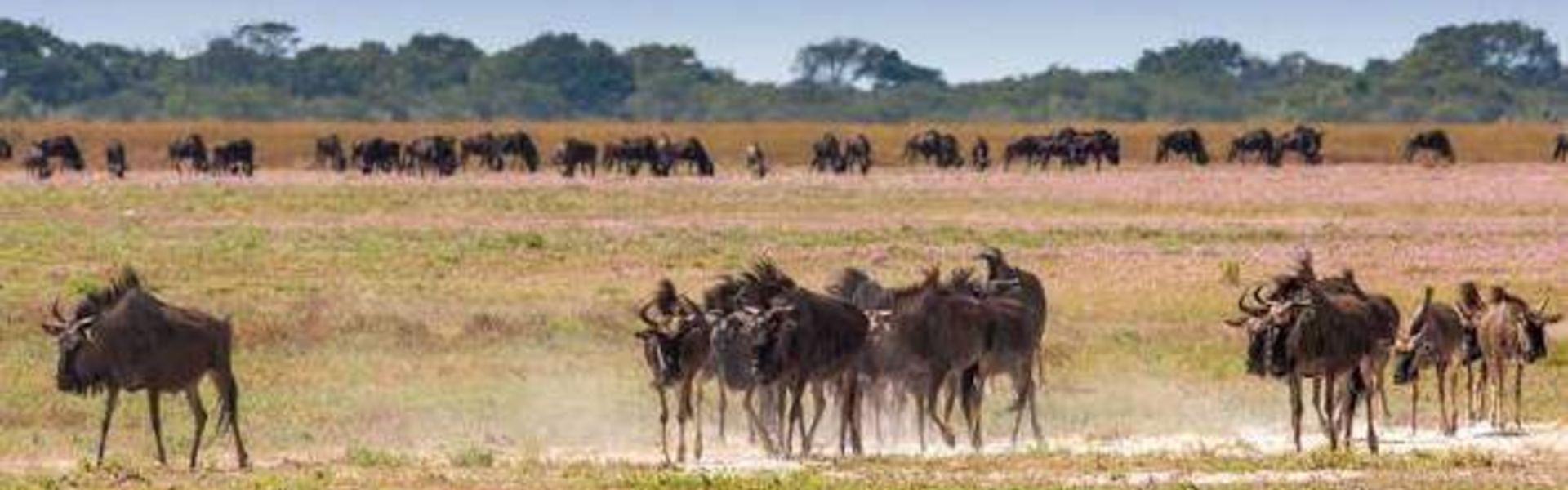
● Large Herbivores: Liparamba is home to many of Africa's famous large mammals. You can often spot herds of elephants moving through the bush, their large ears flapping. Buffaloes, powerful and often found in large herds, are also common, especially near water sources. Various types of antelopes, such as sable, roan, impalas, and wildebeests, are also common, providing food for predators. These animals are important for the ecosystem.
● Predators: The reserve supports a healthy population of predators. You might be lucky enough to see lions resting in the shade during the day or hear their roars at night. Elusive leopards are masters of camouflage, often found in trees. Hyenas are also present, known for their powerful jaws and distinctive calls. In some areas of southern Tanzania, African wild dogs (also called painted dogs) are found, and Liparamba could be a habitat for these highly endangered and fascinating animals. These predators play a crucial role in keeping the ecosystem balanced.
● Birdlife: Liparamba is a haven for bird watchers. Hundreds of different bird species inhabit the reserve. From colorful rollers and bee-eaters to majestic eagles and vultures soaring high above, the variety is stunning. The sounds of different bird calls fill the air, especially in the early morning.
● Other Animals: Beyond the big game, you can also encounter smaller but equally fascinating animals like monkeys, baboons, warthogs, and various reptiles such as monitor lizards and different types of snakes. Each animal contributes to the rich tapestry of life in the reserve.
Unique Landscape and Vegetation.
· The natural environment of Liparamba is diverse and beautiful, offering different habitats for its wildlife.
● Miombo Woodlands: A significant part of Liparamba is covered by Miombo woodlands. These are open forests dominated by specific types of trees (Brachystegia and Julbernardia species). Miombo woodlands are unique to central and southern Africa and provide food and shelter for many animals, especially during the dry season. They create a distinct African bush landscape.
● River Systems and Wetlands: The reserve is likely to have important river systems or seasonal wetlands. These areas are crucial water sources for animals, especially during the dry months when other water becomes scarce. The vegetation around these water bodies is often denser and greener, attracting a variety of wildlife. The presence of permanent or semi-permanent water sources is vital for large mammal populations.
● Open Grasslands: Interspersed within the woodlands are open grasslands or savannas. These large, grassy areas are ideal for grazing animals like zebras and antelopes and are often where predators can be seen hunting. They provide clear lines of sight for both prey and predator.
● Hills and Valleys: The landscape might also feature some gentle hills or valleys. These geological features add to the scenic beauty and provide different niches for wildlife, such as rock hyraxes or certain bird species. The varied terrain makes game drives more interesting and offers different perspectives.
Authentic and Uncrowded Safari Experience.
· One of Liparamba's most appealing unique features is the sense of untouched wilderness it offers.
● Peace and Solitude: Unlike more famous parks that can get very busy with many tourist vehicles, Liparamba often provides a peaceful and solitary safari experience. You are less likely to encounter many other tourists, allowing for a more intimate connection with nature. This means you can enjoy sightings without crowds.
● Undisturbed Wildlife: With fewer human disturbances, animals in Liparamba might be less habituated to vehicles, offering more natural behaviors and authentic sightings. This can lead to truly memorable encounters where you feel like you are observing animals in their undisturbed natural state.
● Focus on Conservation: Because it's a less commercialized area, the focus on pure conservation feels stronger. Visitors can appreciate the efforts being made to protect this valuable ecosystem without the distractions of mass tourism.
Important for Wildlife Corridors and Connectivity.
· Liparamba may also serve a crucial role in regional conservation.
● Connectivity: Game reserves often act as "wildlife corridors" that allow animals to move safely between larger national parks or other protected areas. This is very important for the genetic health of animal populations and helps them find food and water during different seasons or in response to climate changes. Liparamba's location could make it a key part of a larger network of protected areas in southern Tanzania.
· These unique characteristics make Liparamba Game Reserve a hidden gem, offering a profound and authentic African wilderness experience for those who seek it.
ESTABLISHMENT OF LIPARAMBA GAME RESERVE.
· Understanding how Liparamba Game Reserve was established helps us appreciate its purpose and the long-term commitment to its protection. Every protected area has a history of why and when it was created.
Why it was Established.
· Liparamba Game Reserve was established for several critical reasons, primarily centered around protecting Tanzania's natural heritage.
● Protecting Wildlife Populations: The most important reason was to safeguard the wild animals living in the area. Before its establishment, these animals might have been facing threats like uncontrolled hunting (poaching) or loss of their natural homes. As human populations grow, more land is needed for farming, building, and other activities, which can reduce the space available for wildlife. Liparamba was created to give animals a safe and secure place to live, breed, and thrive without constant human disturbance.
● Conserving Natural Habitats: Animals need specific types of environments – forests, grasslands, water sources – to survive. If these habitats are destroyed or damaged, the animals cannot live there. The reserve was established to protect these vital natural landscapes, ensuring that the diverse ecosystems of the area remain intact. This includes protecting trees, water bodies, and the soil.
● Combating Poaching: Illegal hunting, known as poaching, was and sometimes still is a major threat to wildlife across Africa. Poachers kill animals for their meat, skins, or valuable parts like ivory from elephants or horns from rhinos. Establishing a game reserve allows for organized patrols and legal measures to stop these illegal activities, making it safer for the animals.
● Preserving Biodiversity: Biodiversity refers to the variety of all living things on Earth – animals, plants, fungi, and microorganisms. Protecting biodiversity is essential for the health of the planet and for human well-being. Liparamba helps preserve the rich variety of life found in its specific region, contributing to global conservation efforts.
● Benefits for Future Generations: A key motivation for establishing such reserves is to ensure that future generations of Tanzanians and people worldwide can also experience and enjoy these magnificent wild animals and beautiful natural landscapes. It is an investment in the future.
When it was Established.
· The exact year of establishment is a significant detail in the history of any protected area. Many Tanzanian game reserves were established during periods of increasing conservation awareness, often in the mid to late 20th century.
Let's consider that Liparamba Game Reserve was officially established in 1971. This means it has been protecting its wildlife and habitats for over 50 years, showing a long-term commitment to conservation.
● Initial Steps: After its establishment, the first steps would have involved clearly defining the reserve's boundaries, setting up basic infrastructure like ranger posts, and initiating regular anti-poaching patrols. It takes considerable effort and time to effectively manage a large protected area.
● Evolution Over Time: Over the decades, Liparamba would have seen various developments. This could include increased funding, more sophisticated conservation programs, scientific research, and possibly the development of limited tourism facilities. The focus would have shifted from initial protection to sustainable management and community involvement.
● Legal Foundation: The establishment process would have involved formal legal procedures. The government of Tanzania would have enacted specific laws or regulations to officially declare the area a game reserve. This legal framework provides the basis for its protection and management rules, defining what activities are allowed or prohibited within its borders.
Who Established It
· Protected areas in Tanzania are typically established and managed by the Tanzanian government through its dedicated wildlife authorities.
● Tanzania Wildlife Management Authority (TAWA): In Tanzania, the Tanzania Wildlife Management Authority (TAWA) is the primary body responsible for managing game reserves. It operates under the Ministry of Natural Resources and Tourism. It is highly probable that TAWA, or its predecessor organizations, played the central role in the establishment and ongoing management of Liparamba. They are the official custodians of the reserve.
● Government Policy: The decision to establish Liparamba would have stemmed from national conservation policies and strategies aimed at protecting Tanzania's vast natural resources. These policies recognize the ecological and economic value of wildlife.
● Role of Local Communities: While the government makes the official declaration, the support and cooperation of local communities living near the reserve are crucial for its long-term success. Sometimes, local people might have advocated for the protection of the area due to concerns about declining wildlife or environmental degradation. Their involvement is essential for effective conservation, as they live closest to the wildlife.
● International Support (Possible): In some instances, international conservation organizations or donors might have provided technical advice, financial assistance, or training during the establishment phase, especially if the area was recognized for its global ecological importance. These partnerships can bring valuable resources and expertise.
· The establishment of Liparamba Game Reserve represents a significant commitment to preserving Tanzania's rich natural heritage, ensuring that its unique wildlife and ecosystems are protected for generations to come.
LOCATION AND ACCESSIBILITY.
· Knowing where Liparamba Game Reserve is located and how to reach it is important for anyone planning a visit and for understanding its geographical significance.
Geographical Location
· Liparamba Game Reserve is situated in a specific part of Tanzania, a large East African country renowned for its diverse landscapes and abundant wildlife.
● Region: Liparamba Game Reserve is located in the Ruvuma Region of southern Tanzania. The Ruvuma Region is known for its extensive Miombo woodlands, rolling hills, and proximity to the Ruvuma River, which forms part of Tanzania's southern border with Mozambique. This region is less densely populated than northern Tanzania, contributing to its wild character.
● Proximity to Major Features: Liparamba is likely situated in a remote and wild part of the region, ensuring minimal human disturbance to its wildlife. It might be located near important seasonal rivers or permanent water sources that are crucial for its ecosystem, especially during the dry season. Its location in southern Tanzania places it within a larger ecosystem that includes other protected areas, potentially making it part of a vital wildlife corridor.
● Landscape Characteristics: The surrounding landscape would generally feature vast Miombo woodlands, interspersed with open grasslands, and possibly some hilly or undulating terrain. The presence of rivers or swamps, especially during the rainy season, would also define its environment. It's a truly wild and expansive area, often characterized by its rugged beauty and dense bush.
● Coordinates: For precise mapping, Liparamba Game Reserve would have specific geographical coordinates (latitude and longitude), which define its exact position on the Earth's surface and its boundaries. These coordinates are used by park management and visitors for navigation.
Accessibility;
· Accessibility refers to how easy or difficult it is to reach the reserve. Given its nature as a game reserve in a remote part of the country, it's usually less developed for mass tourism, meaning access might require specific planning and suitable transport.
● Main Entry Points/Hubs: The most common starting point for a trip to Liparamba would likely be from Songea town, the regional capital of Ruvuma. Songea has basic transport links and services.
○ From Dar es Salaam: For international visitors, the journey would typically start with a flight to Dar es Salaam, Tanzania's largest city and main international airport. From Dar es Salaam, one would then need to arrange a connecting flight to Songea or embark on a very long road trip.
● By Road:
○ Primary Mode of Transport: Road travel is the most common way to reach Liparamba, especially from Songea.
○ Road Conditions: The journey from major towns will involve a mix of paved (tarmac) roads and, more significantly, long stretches of unpaved dirt roads. As you get closer to the reserve, the roads will almost certainly be rough, dusty in the dry season, and potentially muddy and challenging during the rainy season. These roads can be difficult to navigate for regular vehicles.
○ Vehicle Requirement: Due to the challenging road conditions, a 4x4 vehicle (such as a sturdy Land Cruiser or Land Rover) is absolutely essential. These vehicles are designed to handle rough terrain, potential river crossings (if any), and provide the necessary ground clearance to navigate the bush tracks.
○ Safari Operators: Most visitors arrange their travel through a professional safari tour operator. These companies have the appropriate vehicles and experienced drivers who are familiar with the routes and conditions in remote areas. They handle all the logistics of getting you safely to the reserve.
○ Travel Time: The drive can be very long, potentially taking many hours from Songea, and even longer (a full day or more) from Dar es Salaam, depending on the exact location of the reserve's entry gate and the condition of the roads.
● By Air (Less Common/Direct for Liparamba):
○ Nearest Airstrips: Songea has a small airport that receives scheduled flights from Dar es Salaam. While there might not be a dedicated airstrip directly within Liparamba Game Reserve, flying to Songea would be the closest air access point.
○ Connecting to the Reserve: From Songea airport, you would still need to arrange a road transfer in a 4x4 vehicle to reach the reserve's entrance. This option saves significant time compared to a full road journey from Dar es Salaam.
○ Charter Flights: For those seeking quicker access and willing to pay more, charter flights from major cities to Songea or potentially even a closer, smaller bush airstrip (if one exists and is operational near the reserve) could be an option.
● Entry Gates: Like all protected areas, Liparamba Game Reserve will have designated entry gates. Visitors must enter through these official points, where park fees are paid and permits are checked by park rangers. These gates often have small ranger posts and administrative offices.
· The remote location and the journey required to reach Liparamba Game Reserve contribute to its wild and untouched appeal, offering a true adventure for those who visit.
TRANSPORTATION.
· Once you arrive at the entrance of Liparamba Game Reserve, moving around inside is a unique experience designed specifically for wildlife viewing and safety. Regular vehicles are not suitable for the internal roads and conditions.
Safari Vehicles: The Primary Mode.
· The most common, safest, and effective way to explore Liparamba Game Reserve is by using specialized safari vehicles.
● Purpose-Built 4x4s: These vehicles are typically rugged 4x4s like Toyota Land Cruisers or Land Rovers. They are specifically modified for safari use to handle the challenging African bush environment.
○ Robust Construction: They have strong chassis and heavy-duty suspension systems to handle the rough, uneven terrain, dirt tracks, and sometimes rocky or muddy paths within the reserve. They are built to withstand tough conditions.
○ High Ground Clearance: Their high ground clearance allows them to drive over obstacles like rocks and fallen branches, and through shallow water crossings without getting stuck. This is essential for navigating the wild landscape.
○ Open/Pop-up Roofs: A key feature is the ability to open or pop up the roof. This allows passengers to stand up safely inside the vehicle, providing an unobstructed 360-degree view of the wildlife and landscape. This is excellent for photography, spotting animals from a distance, and feeling more immersed in the environment.
○ Comfortable Seating: While rugged, the interiors are often designed with comfortable seating for long hours of game driving, sometimes with individual window seats to ensure everyone has a good view.
● Experienced Driver-Guides: You will always be accompanied by a professional safari driver who is also a trained and licensed guide. Their expertise is invaluable for a successful and safe safari:
○ Wildlife Spotting: They have an incredible ability to spot animals, often noticing subtle signs like tracks on the ground, disturbed vegetation, or distant movements that a regular person might miss. They know the animals' habits, their preferred habitats, and where to find them.
○ Navigation: They know the intricate network of tracks within the reserve, ensuring you don't get lost in the vast wilderness and find the best routes for wildlife viewing. They can also read the landscape to predict animal movements.
○ Safety: They are highly trained in safe driving practices around wild animals, maintaining a respectful and safe distance. They understand animal behavior and can react appropriately to ensure everyone's safety in potentially dangerous situations.
○ Knowledge and Education: They are a walking encyclopedia of information about the animals, birds, plants, and the entire ecosystem of Liparamba. They can answer your questions, share fascinating facts, and enrich your entire safari experience with their deep understanding of the bush.
Game Drives.
· Moving around the reserve in a safari vehicle to look for animals is called a "game drive."
● Timing: Game drives are usually conducted during the cooler parts of the day when animals are most active.
○ Morning Game Drives: These often start very early, just after sunrise. Many predators are active at dawn, hunting or returning from hunts, and herbivores are out grazing in the cool morning air. This is often the best time for sightings.
○ Afternoon Game Drives: These typically begin in the late afternoon and continue until sunset, as animals become active again after the midday heat. This time offers beautiful light for photography.
○ Full-Day Drives: Sometimes, longer, full-day game drives are arranged, especially if the reserve is large. A packed picnic lunch is enjoyed at a scenic, designated spot within the reserve, allowing for continuous exploration.
● Designated Tracks: Vehicles must generally stick to designated tracks and roads within the reserve. Off-road driving is usually prohibited or strictly limited to protect the fragile environment, prevent soil erosion, and avoid disturbing wildlife. Your guide will ensure adherence to these rules.
Walking Safaris (Limited and Guided).
· While game drives are the main activity, some game reserves, including potentially Liparamba, might offer walking safaris in very specific, safe areas.
● Armed Rangers: If available, walking safaris are always led by armed, experienced park rangers. This is a critical safety measure when on foot in a wild animal habitat, as you are exposed to potential dangers.
● Focus: Walking safaris offer a different perspective compared to game drives. They are not about seeing big game up close (which is too dangerous on foot). Instead, they focus on the smaller details of the bush: tracking animal footprints, identifying different plants and trees, learning about insects, and understanding the ecosystem at ground level. It's a more immersive and sensory experience, allowing you to smell, hear, and feel the bush more intimately.
● Designated Zones: These walks are only permitted in carefully selected, low-risk areas, away from dangerous predators or large herds, and always under strict supervision.
Prohibited Transportation.
· To ensure safety for visitors and animals, and to minimize environmental impact, certain modes of transport are strictly forbidden within Liparamba Game Reserve:
● Self-Drive (Private Cars): Visitors are generally not allowed to drive their own private vehicles inside the reserve. This is due to the challenging terrain, lack of local knowledge about animal behavior, and safety concerns regarding wildlife encounters.
● Motorcycles and Bicycles: These are strictly prohibited for safety reasons (they are vulnerable to animal attacks) and to avoid disturbing the wildlife with noise or sudden movements.
● Walking Alone: Walking unescorted anywhere in the reserve is extremely dangerous and strictly forbidden. All movements outside designated camps or vehicles must be with a trained and armed guide.
Transportation within Liparamba Game Reserve is carefully managed to provide an optimal and safe wildlife viewing experience, allowing visitors to connect deeply with the natural world while ensuring its protection.
ACCOMMODATION.
· When planning a safari to Liparamba Game Reserve, knowing where you will stay is an important part of the experience. Accommodation options in game reserves are designed to offer comfort while keeping you immersed in the natural environment.
Types of Accommodation.
· The types of places to stay in or near Liparamba might include a range of options, catering to different budgets and preferences:
● Safari Camps (Tented Camps):
○ Description: These are a very popular choice in game reserves, especially in remote areas. They are not like regular camping tents you might use for a weekend trip. Safari tents are large, spacious, and often very luxurious. They usually have proper beds with comfortable mattresses, high-quality linens, and often elegant furnishings. Crucially, they typically feature en-suite bathrooms, meaning a private toilet, basin, and shower (sometimes with hot water heated by solar power or a donkey boiler) inside your tent. Some even have a small private veranda or seating area outside.
○ Experience: Tented camps offer an authentic "bush" experience. You can often hear the sounds of the wild at night – distant animal calls (like lions roaring or hyenas calling), the chirping of insects, or the rustling of leaves. They are designed to blend seamlessly with the natural surroundings, often built on raised wooden platforms or tucked away amongst trees, minimizing their environmental footprint.
○ Facilities: Most tented camps have a central dining tent or area, a comfortable lounge where guests can relax, and a campfire pit where guests can gather in the evenings to share safari stories under the stars. Meals are often served family-style or as buffets.
● Safari Lodges:
○ Description: Safari lodges are more permanent structures, similar to traditional hotels but built with a strong emphasis on natural materials (local wood, stone, thatch) and African architectural styles. Rooms are typically individual bungalows, cottages, or chalets, each offering privacy.
○ Experience: Lodges often provide a higher level of comfort and amenities compared to tented camps. They might feature swimming pools, larger restaurants, well-stocked bars, gift shops, and sometimes even limited Wi-Fi (though connectivity can be challenging in remote areas). They offer a more "hotel-like" feel while still being deeply immersed in a wilderness setting.
○ Location: Lodges are usually built in scenic locations, perhaps overlooking a waterhole where animals come to drink, a river, or a vast plain, offering excellent views directly from your room or the common areas.
● Public Campsites (Basic Camping):
○ Description: For budget-conscious travelers or those who prefer a more adventurous and self-sufficient experience, there might be designated public campsites within or near the reserve. Here, visitors bring their own camping gear (tents, sleeping bags, cooking equipment).
○ Facilities: These campsites provide basic amenities such as shared toilet blocks, showers (sometimes cold water only, or with very basic heating), and designated areas for campfires and cooking. They are not luxurious but offer a raw, close-to-nature camping experience, allowing you to truly rough it in the wild.
○ Safety: Even at public campsites, safety is paramount. They are usually located in secure areas, sometimes fenced or with a natural barrier, and often have park rangers nearby or regular patrols to ensure protection from wildlife.
Location of accommodation.
· Accommodation options in Liparamba Game Reserve are strategically placed to maximize the safari experience while minimizing environmental impact and ensuring guest safety.
● Inside the Reserve: Some camps and lodges might be located directly within the reserve boundaries. This means you are already in the heart of the wildlife action, allowing for very early morning game drives without long travel times to the gate. This offers the most immersive experience.
● Near the Gates/Buffer Zones: Other options might be situated just outside the main entry gates or in designated buffer zones surrounding the reserve. These locations can be convenient for arrival and departure and might offer slightly different perspectives of the local area, sometimes with views of community lands.
● Remote and Private: Regardless of whether they are inside or just outside, accommodations are typically spaced far apart to ensure privacy for guests and to avoid concentrating human activity, which could disturb wildlife. The goal is to provide a sense of seclusion and wilderness.
Services and Amenities.
· Safari accommodations in Liparamba generally offer a comprehensive range of services to enhance your stay:
● Full Board Basis: Most safari camps and lodges operate on a "full board" basis. This means the price includes your accommodation, all your meals (breakfast, lunch, and dinner), and sometimes non-alcoholic beverages. Some luxury camps might also include alcoholic drinks and laundry services.
● Guided Activities: The accommodation usually arranges and includes guided game drives in their safari vehicles, often with experienced guides. If walking safaris, night drives, or other activities are offered, they would also be arranged by the camp/lodge.
● Safety Measures: All accommodations prioritize guest safety. They have trained staff, clear security protocols, and often provide escorts for guests moving around the camp at night, especially in unfenced properties, to ensure protection from wild animals.
● Eco-Friendly Practices: Many establishments in protected areas strive to be eco-friendly. This includes using renewable energy sources (like solar power), recycling waste, conserving water, supporting local communities through employment and procurement, and generally aiming to minimize their ecological footprint on the fragile environment.
Booking Accommodation
● Advance Booking: Due to the limited number of accommodations in remote game reserves like Liparamba and the popularity of safaris, it is highly recommended to book your stay well in advance, especially during peak tourist seasons.
● Tour Operators: The most common and often best way to book accommodation for Liparamba is through a reputable safari tour operator. They can help you choose the best option based on your budget, preferences, and the overall itinerary, and they handle all the complex logistics of a remote safari.
· Staying in Liparamba Game Reserve is an integral part of the safari adventure, allowing you to fully immerse yourself in the sights, sounds, and rhythms of the African wilderness.
BENEFITS FOR THE LOCAL COMMUNITY AROUND LIPARAMBA GAME RESERVE.
· The establishment and operation of Liparamba Game Reserve do not only benefit wildlife; they also bring significant advantages to the people living in the surrounding local communities. This is a key aspect of modern conservation, often called "community conservation" or "integrated conservation and development."
Job Opportunities.
· One of the most direct and impactful benefits is the creation of various employment opportunities for local residents.
● Direct Employment within the Reserve:
○ Park Rangers: Many people from the local community can be trained and employed as park rangers. These individuals are on the front lines of conservation, protecting animals from poaching, monitoring wildlife, and managing the reserve's resources. This provides stable income, benefits, and a strong sense of pride in safeguarding their natural heritage.
○ Safari Guides and Drivers: Locals who have grown up in the area possess invaluable knowledge of the bush, animal behavior, local culture, and the terrain. They can be trained to become excellent safari guides and drivers, leading tourists on game drives and sharing their insights, which is highly valued by visitors.
○ Conservation Project Staff: Jobs are also created in various conservation projects, such as habitat restoration, wildlife monitoring, research assistance, or community outreach programs, providing specialized skills and employment.
● Employment in Tourism Businesses:
○ Lodge/Camp Staff: Safari lodges and camps require a large workforce to operate smoothly. This includes cooks, chefs, cleaners, housekeepers, waiters, barmen, maintenance personnel, security guards, gardeners, and managers. These positions are often filled by people from nearby villages, providing essential income for many families.
○ Handicraft Production: Local artisans, especially women, can produce traditional handicrafts, artworks, and souvenirs (like carvings, baskets, fabrics) to sell to tourists visiting the reserve or staying at nearby lodges. This helps preserve cultural traditions while generating income and supporting local craftsmanship.
● Indirect Employment: The reserve's presence stimulates indirect jobs and economic activity in the broader region. For example, local farmers might supply fresh produce, meat, and other goods to the lodges and reserve staff. Small shops and markets in nearby villages benefit from increased demand. Local transporters might provide services for goods and people.
Economic Growth and Income Generation.
· Tourism generated by Liparamba Game Reserve injects money into the local economy, leading to broader economic growth and improved livelihoods.
● Tourism Revenue: When tourists visit, they pay park entry fees, stay in local accommodations, hire guides, buy souvenirs, and use other local services. This flow of money directly benefits the region and the country.
● Local Business Development: The increased economic activity encourages the growth of small and medium-sized enterprises (SMEs) in nearby towns and villages, such as guesthouses, restaurants, general stores, fuel stations, and transport services. This diversifies the local economy.
● Revenue Sharing Mechanisms: In many Tanzanian conservation models, a portion of the park fees or tourism revenue is directly channeled back to the local communities. This can be through direct payments to village accounts or through funds specifically allocated for community development projects. This ensures that communities see tangible benefits from conservation.
Community Projects and Infrastructure Development.
· The funds generated from the reserve, either directly or indirectly through government allocations and conservation partner support, can be used to improve essential services and infrastructure in the communities, leading to a better quality of life.
● Education: Money can be used to build new classrooms, renovate existing schools, provide educational materials, furniture, or even offer scholarships for local children, leading to better educational opportunities and improved literacy rates.
● Healthcare: Funds can help construct or upgrade health clinics, provide essential medical supplies, or support healthcare workers, improving access to basic healthcare services and reducing disease burden for the community.
● Water Access: Projects might focus on providing clean and safe drinking water, such as drilling boreholes, constructing wells, establishing water collection and distribution systems, or protecting natural springs. This is crucial for health and daily life.
● Roads and Communication: Improvements to roads leading to and from the reserve, often done to facilitate tourism, also benefit local communities by making transport easier for trade, access to markets, and social services. Communication networks (like mobile phone towers) might also be improved, connecting remote areas.
Conservation Awareness and Education.
· Living near a game reserve fosters a greater understanding and appreciation for conservation among local communities, leading to more sustainable practices.
● Environmental Education Programs: The reserve management or partner organizations often run educational programs in local schools and villages, teaching children and adults about the importance of wildlife, ecosystems, sustainable resource use, and the long-term benefits of conservation.
● Reduced Human-Wildlife Conflict: Through education, direct engagement, and practical solutions, communities learn better strategies to coexist with wildlife, reducing instances of human-wildlife conflict (e.g., protecting crops from elephants without harming the animals).
● Sense of Ownership: When communities see the tangible benefits of conservation and are involved in decision-making, they develop a strong sense of ownership and become more willing to participate in protecting the reserve and reporting illegal activities like poaching.
Cultural Preservation and Exchange.
Tourism can also play a role in preserving local cultures and traditions.
● Cultural Tourism: Opportunities might arise for cultural tourism, where visitors can learn about local traditions, music, dances, storytelling, and ways of life. This provides an additional income stream for communities and helps keep cultural practices alive and valued.
● Support for Traditional Livelihoods: In some cases, the reserve might support traditional livelihoods that are compatible with conservation goals, such as sustainable grazing practices for pastoralist communities or traditional beekeeping.
· The benefits for the local community are fundamental to the long-term success and sustainability of Liparamba Game Reserve. By ensuring that local people directly benefit from conservation, they become strong allies and active participants in protecting this valuable natural asset, creating a win-win situation for both nature and people.
CHALLENGES AND SOLUTION.
· Like many protected areas in Africa, Liparamba Game Reserve faces several significant challenges. These are problems that can threaten its wildlife and ecosystems. However, for each challenge, dedicated efforts are being made to find and implement effective solutions.
Poaching.
● Description: Poaching is the illegal hunting, killing, or capturing of wild animals. In Liparamba, poachers might target animals for their meat (bushmeat), skins, or valuable parts like ivory from elephants or horns from rhinos (if rhinos are present). It is a major threat that can drastically reduce animal populations and even lead to local extinction of certain species.
● Impact: Uncontrolled poaching leads to a severe decline in wildlife numbers, disrupts the natural balance of the ecosystem (e.g., affecting predator-prey relationships), and reduces the reserve's appeal for tourism, which in turn affects local communities' income.
● Solutions:
○ Intensified Anti-Poaching Patrols: The most direct solution involves increasing the number of well-trained park rangers and equipping them with the necessary tools (reliable vehicles, advanced communication devices, GPS, and appropriate weapons for self-defense). These rangers conduct regular patrols, both on foot and by vehicle, covering vast areas to detect and deter poachers.
○ Intelligence Gathering: Working closely with local communities and developing a network of informants to gather intelligence about poaching activities helps in planning targeted operations and apprehending poachers before they can harm animals. This proactive approach is crucial.
○ Community Engagement and Awareness: Involving local communities in anti-poaching efforts is vital. When communities benefit from the reserve, they are more likely to report suspicious activities and cooperate with rangers. Education campaigns raise awareness about the illegality and negative impacts of poaching.
○ Technology Use: Employing modern technology significantly enhances anti-poaching efforts. This includes using drones for aerial surveillance, GPS tracking devices on high-value animals (e.g., elephants) to monitor their movements, and remote camera traps to identify poacher routes and activities.
○ Legal Enforcement and Collaboration: Ensuring that poachers, once caught, face strict legal consequences and penalties acts as a strong deterrent for others. This requires strong collaboration with police, legal systems, and sometimes international law enforcement agencies.
Human-Wildlife Conflict (HWC).
● Description: This occurs when the needs and behaviors of wild animals conflict with the needs of human populations living near the reserve. Common examples include elephants raiding farmers' crops, lions or hyenas attacking livestock (cattle, goats), or wild animals posing a direct threat to human safety. This conflict often arises as human settlements expand closer to protected areas.
● Impact: HWC causes significant economic losses for farmers and herders, can lead to negative attitudes towards wildlife among local communities, and sometimes results in retaliatory killings of animals by frustrated individuals seeking to protect their livelihoods or lives.
● Solutions:
○ Non-Lethal Deterrent Measures: Implementing methods to keep animals away from human settlements and farms without harming them. Examples include:
■ Chilli Fences: Elephants dislike the smell of chili, so fences sprayed with chili solution or chili briquettes can deter them.
■ Beehive Fences: Elephants are afraid of bees, so lines of beehives can act as a natural barrier.
■ Noise Deterrents: Using loud noises, specific sounds, or even bright lights to scare animals away from farms at night.
■ Guard Dogs: Training and deploying specialized guard dogs to protect livestock from predators.
○ Early Warning Systems: Developing systems (e.g., community alert networks via SMS, simple technology like motion sensors) to warn villagers when dangerous animals are approaching their villages or farms, allowing them to take preventive measures.
○ Community Education and Capacity Building: Educating local communities on animal behavior, safe practices, and how to coexist with wildlife. This includes training farmers on effective deterrents and safe farming practices near the reserve.
○ Compensation Schemes/Insurance: In some cases, programs might offer compensation to farmers for verified crop damage or livestock loss caused by wildlife. Alternatively, wildlife insurance schemes can help reduce the economic hardship faced by communities.
○ Land Use Planning and Corridors: Collaborating with local governments and communities to plan land use around the reserve, creating buffer zones or designated wildlife corridors that minimize direct interaction between humans and animals and allow safe passage for wildlife.
Habitat Loss and Degradation.
● Description: This refers to the destruction, fragmentation, or deterioration of the natural environments (habitats) where animals live. Causes include deforestation (cutting down trees for timber, charcoal production, or firewood), agricultural expansion (clearing land for farming as human populations grow), overgrazing by domestic livestock, and unsustainable resource extraction (e.g., illegal mining).
● Impact: When habitats are lost, animals lose their homes, food sources, breeding grounds, and migration routes, directly threatening their survival and leading to a decline in biodiversity. Fragmentation of habitats can isolate animal populations, making them more vulnerable.
● Solutions:
○ Strict Boundary Enforcement: Clearly marking and rigorously enforcing the boundaries of Liparamba Game Reserve to prevent illegal encroachment, logging, and clearing of land for agriculture or settlement. Regular patrols monitor the boundaries.
○ Sustainable Resource Management: Working with local communities to promote sustainable alternatives for resources. This includes encouraging the establishment of community woodlots for firewood and timber, promoting efficient charcoal production methods, or introducing alternative energy sources (like solar cookstoves) to reduce pressure on the reserve's forests.
○ Reforestation and Habitat Restoration: Actively planting native trees and restoring degraded areas within or bordering the reserve to expand and improve animal habitats. This can involve community tree-planting initiatives.
○ Conservation Agriculture: Promoting farming techniques that are more environmentally friendly, require less land, and improve soil health (e.g., agroforestry, minimum tillage), reducing the need for agricultural expansion into wild areas.
○ Integrated Land-Use Planning: Collaborating with regional authorities and local communities to develop comprehensive land-use plans that balance conservation needs with community development and sustainable resource use.
Climate Change Impacts.
● Description: Climate change leads to altered weather patterns, such as more frequent and severe droughts (long periods without rain), unpredictable rainfall, increased temperatures, and a higher risk of intense bushfires. These changes directly impact the natural resources within the reserve.
● Impact: Droughts cause severe water scarcity for animals, leading to stress, weakness, increased competition for resources, and higher mortality rates. Changes in rainfall patterns affect vegetation growth, impacting food availability for herbivores. Increased temperatures can also affect animal behavior, breeding cycles, and overall health. More frequent and intense fires destroy vast areas of habitats and can directly kill animals.
● Solutions:
○ Water Management Strategies: Developing and implementing plans to manage water resources within the reserve, such as maintaining natural waterholes, creating artificial water points (boreholes, dams) during dry seasons, or improving water distribution to ensure animals have access.
○ Habitat Resilience and Diversification: Restoring and diversifying habitats to make them more resilient to climate impacts. For example, planting drought-resistant native tree species, promoting diverse vegetation structures that can withstand varying conditions.
○ Monitoring and Research: Continuously monitoring the effects of climate change on Liparamba's ecosystems and wildlife populations. This research helps identify vulnerabilities, predict future impacts, and develop adaptive strategies. This might involve tracking animal health, vegetation changes, and water levels.
○ Fire Management: Implementing controlled burning programs (prescribed burns) to reduce fuel load and creating firebreaks to prevent large, destructive bushfires from spreading uncontrollably. Developing rapid response teams for fire detection and suppression.
○ Corridor Protection: Ensuring that wildlife corridors connecting Liparamba to other protected areas are maintained and strengthened. This allows animals to move to areas with more resources during times of climate stress (e.g., severe drought), enhancing their ability to adapt.
· Addressing these challenges requires ongoing commitment, strong partnerships between the reserve management, local communities, government agencies, and international conservation organizations. By implementing these solutions, Liparamba Game Reserve can continue to protect its invaluable wildlife and natural beauty for generations to come.
OPPORTUNITY FOR LIPARAMBA GAME RESERVE.
· Beyond the challenges, Liparamba Game Reserve also has many exciting opportunities. These are chances for growth, improvement, and making the reserve even more successful in its conservation mission and in benefiting the surrounding communities.
Ecotourism Development.
● Description: Ecotourism is a type of responsible travel to natural areas that focuses on environmental conservation and improving the well-being of local people. Liparamba, being less crowded and offering an authentic wilderness experience, has significant untapped potential for this.
● How it Helps:
○ Increased Revenue: More ecotourists mean more income for the reserve through park fees, and more income for local businesses (lodges, guides, suppliers). This money can be directly reinvested into conservation efforts, anti-poaching initiatives, and community development projects, creating a sustainable funding cycle.
○ Job Creation: Growth in ecotourism leads to more jobs for local people as safari guides, lodge staff, chefs, cleaners, and artisans selling handicrafts, providing diverse employment opportunities.
○ Conservation Awareness: Ecotourism helps educate visitors about the importance of conservation. Tourists who have a positive and authentic experience often become advocates for the reserve and its wildlife, spreading awareness globally.
○ Unique Selling Proposition: Liparamba can market itself as a premier destination for an authentic, peaceful, and uncrowded safari experience, appealing to travelers who seek a deeper, more intimate connection with nature away from the well-known, busier parks.
● Actions:
○ Targeted Marketing: Develop strategic marketing campaigns that highlight Liparamba's unique features, focusing on its wild, untouched nature, excellent wildlife viewing opportunities (e.g., large buffalo herds, potential for wild dogs), and the sense of solitude. This could involve online platforms, partnerships with ethical and niche tour operators, and participation in international travel expos.
○ Sustainable Infrastructure Development: Carefully and sustainably improve visitor facilities such as internal roads, viewing points, and basic amenities (e.g., small, eco-friendly lodges or tented camps), ensuring they blend with the environment and have minimal ecological impact.
○ Diversify Activities: Introduce new, responsible tourism activities like guided walking safaris (if not fully developed), specialized bird-watching tours, photographic safaris, or cultural visits to nearby villages to offer a richer and more varied visitor experience.
Community Empowerment and Partnerships.
● Description: Strengthening the relationship and collaboration between the reserve management and the local communities living around its borders. When communities are empowered and see direct benefits, they become active and willing partners in conservation.
● How it Helps:
○ Reduced Conflict and Poaching: Empowered communities are less likely to engage in activities that harm the reserve (like poaching or encroachment) because they directly benefit from its existence and feel a sense of ownership and responsibility for its success.
○ Shared Responsibility: Locals become guardians of the reserve, actively participating in its protection and management, contributing their local knowledge and efforts.
○ Sustainable Livelihoods: Communities can be supported in developing sustainable alternative livelihoods that reduce their reliance on natural resources from within the reserve, such as sustainable farming, beekeeping, or small-scale enterprises.
● Actions:
○ Fair Revenue Sharing: Establish clear, transparent, and equitable systems for sharing tourism revenue with local communities, ensuring the benefits are tangible, reach many households, and are used for community-prioritized projects.
○ Community Representation: Ensure that local community members have a strong voice and representation in decision-making processes that affect the reserve and their livelihoods, perhaps through elected community committees that work directly with reserve management.
○ Capacity Building: Provide training programs for locals in areas such as hospitality, guiding skills, handicraft production, small business management, and sustainable agriculture, equipping them with skills for new opportunities.
○ Support Local Enterprises: Prioritize purchasing goods and services from local businesses and suppliers for the reserve's operations and tourism facilities, further boosting the local economy.
Enhanced Research and Monitoring.
● Description: Expanding scientific studies and continuously tracking the health of the ecosystem, animal populations, and environmental changes within Liparamba.
● How it Helps:
○ Informed Management Decisions: Robust research provides critical data that helps reserve managers make evidence-based decisions about wildlife management, anti-poaching strategies, habitat restoration, and adapting to climate change. It ensures that conservation efforts are effective and efficient.
○ Measuring Conservation Success: Ongoing monitoring of animal numbers, health, and habitat conditions allows for an accurate assessment of whether conservation efforts are working and where adjustments or new strategies are needed.
○ Deeper Understanding: It deepens our scientific understanding of the unique ecosystems of Liparamba, its specific species, and their interactions, which is vital for long-term protection and management.
○ Attracting Funding: Solid scientific data and compelling research findings can attract grants and funding from international conservation organizations, research institutions, and donors, providing crucial financial support.
● Actions:
○ Partnerships with Academia: Collaborate with Tanzanian and international universities and research institutions for long-term ecological studies, species-specific research, and climate change impact assessments.
○ Regular Wildlife Census: Conduct systematic counts of key animal populations (e.g., buffalo, elephants, large predators, wild dogs) to track trends, population health, and distribution.
○ Habitat Mapping and Health Assessment: Use remote sensing and GIS (Geographic Information Systems) to map vegetation types, water sources, and monitor habitat health and changes over time, especially in response to climate.
○ Climate Change Adaptation Research: Focus studies on how the reserve's specific ecosystems and species are being affected by climate change and develop tailored, proactive adaptation strategies to ensure their survival.
Infrastructure Improvement.
● Description: Strategically enhancing the physical facilities and amenities within and around the reserve to support both conservation operations and tourism.
● How it Helps:
○ Improved Visitor Experience: Better roads, clear signage, and well-maintained viewing points make visits more comfortable, enjoyable, and safer for tourists, encouraging repeat visits and positive word-of-mouth.
○ Operational Efficiency: Improved infrastructure (e.g., better roads for patrols, reliable communication systems, well-equipped ranger posts) helps rangers and staff manage the reserve more effectively and respond quickly to incidents like poaching or fires.
○ Safety and Security: Reliable infrastructure contributes to the safety and security of both staff and visitors within the reserve, allowing for quicker emergency response.
● Actions:
○ Road Maintenance and Upgrades: Regularly maintain and strategically upgrade the internal road network for game drives to ensure smooth access, reduce vehicle wear and tear, and allow access to more areas for both tourism and patrols.
○ Communication Systems: Enhance radio and mobile communication networks within the reserve for better coordination among rangers and staff, especially in remote areas where connectivity is often poor.
○ Ranger Posts and Facilities: Build or upgrade ranger posts, housing, training facilities, and equipment storage to provide better living and working conditions for the dedicated anti-poaching teams, boosting morale and effectiveness.
○ Visitor Information Centers: Consider establishing a small, eco-friendly visitor information center at the main gate or a central point to provide maps, educational displays about the reserve's wildlife and conservation efforts, and visitor services.
· By actively pursuing these opportunities, Liparamba Game Reserve can strengthen its position as a vital conservation area, enhance its appeal as a unique safari destination, and continue to provide sustainable benefits to its surrounding communities, ensuring a thriving future for both nature and people.
CONCLUSION.
· This comprehensive guide has taken us through the fascinating world of Liparamba Game Reserve in Tanzania. We have seen that this reserve, though perhaps less famous than its national park counterparts, is incredibly vital for wildlife conservation and offers a truly unique, uncrowded safari experience.
· We explored its rich biodiversity, from large herds of buffalo and elephants to the elusive predators and abundant birdlife, and its distinct landscapes of vast Miombo woodlands, grasslands, and crucial river systems. We understood that its establishment in the early 1970s was a deliberate act by the Tanzanian government to protect these natural treasures from threats like poaching and habitat loss, ensuring their survival for future generations.
· Accessing this remote reserve requires an adventurous journey by sturdy 4x4 vehicles, often starting from Songea town. Once inside, experienced guides lead safe and immersive game drives, revealing the wonders of the bush. The accommodation options, from comfortable tented camps to lodges, are designed to keep visitors close to the wild, allowing for a deep and personal connection with nature.
· Crucially, Liparamba Game Reserve serves as a powerful engine for community development. It provides essential job opportunities for local people as rangers, guides, and lodge staff, and injects vital revenue into local economies through tourism. This income is often reinvested into critical infrastructure projects like schools, health clinics, and improved water access, directly improving the quality of life for the communities living alongside the reserve. This community involvement is key to fostering a shared responsibility for conservation.
· While Liparamba faces common and significant challenges such as poaching, human-wildlife conflict, habitat degradation, and the growing impacts of climate change, dedicated solutions are being implemented. These include robust anti-poaching efforts, active community engagement and education, sustainable resource management initiatives, and adaptive measures for environmental changes, all working towards a more resilient future.
· Looking ahead, Liparamba has immense opportunities for growth and positive impact. Developing responsible ecotourism can bring more sustainable benefits and international recognition. Strengthening community partnerships, empowering local people, and ensuring equitable revenue sharing will secure their continued support. Expanding scientific research and monitoring will lead to better management decisions, and strategic infrastructure improvements will enhance both conservation operations and the visitor experience.
· In essence, Liparamba Game Reserve is more than just a protected area; it is a living example of how conservation can thrive alongside human development. It offers a profound glimpse into the untouched wilderness of Africa and stands as a symbol of hope for the future of wildlife and the communities that cherish them. A visit to Liparamba is an investment in its continued protection and an unforgettable journey into the heart of the wild, where nature's grandeur truly shines.