
The Ultimate Guide to Longido Game Area Safaris

Longido Game Controlled Area. This place is very important for animals and for people.
What is a Game Controlled Area? Imagine a big piece of land. On this land, many wild animals live. A "Game Controlled Area" is a special kind of land. It is not a national park where no hunting is allowed. In a Game Controlled Area, hunting is allowed, but it is very strict. Only a few people can hunt, and they must follow many rules. This helps to control the number of animals that are hunted. It stops too many animals from being killed.
Where is Longido? Longido Game Controlled Area is in a country called Tanzania. Tanzania is in East Africa. Longido is in the northern part of Tanzania. It is close to a very famous mountain called Mount Kilimanjaro. It is also near another important country, Kenya.
Why is Longido Important? Longido is important for many reasons:
● For Animals: Many different kinds of wild animals live here. They need a safe place to live and find food and water. Longido helps keep them safe.
● For People: The people who live near Longido also use the land. They live with the animals. Longido helps to make sure both animals and people can live well together.
● For Hunting: It is a place where people can go for special hunting trips. These trips bring money. This money helps to protect the animals and helps the local people.
· So, Longido Game Controlled Area is a big, important land in Tanzania. It is a home for animals and a place where hunting is managed carefully. It helps nature and people.
UNIQUE FEATURES OF LONGIDO GAME CONTROLLED AREA.
· Longido Game Controlled Area is special because of many things. It has unique animals, special land, and a rich culture.
Special Animals Many kinds of wild animals live in Longido. Some are very big, and some are small.
● Elephants: You can see big elephants walking slowly. They are very strong.
● Giraffes: Tall giraffes eat leaves from high trees. They have long necks.
● Zebras: Zebras have black and white stripes. They look like horses. They often walk in big groups.
● Wildebeest: These animals look like a mix of a cow and an antelope. They also move in large groups.
● Antelopes: There are many types of antelopes. Some are small and fast, like gazelles. Others are bigger, like elands. Elands are the largest antelopes.
● Lions and Leopards: These are big cats. They are strong hunters. It can be hard to see them because they hide well.
● Birds: Many colorful birds fly in the sky and sit in trees. Longido is a good place for people who like to watch birds.
Special Land and Nature The land in Longido is also very special.
● Mountains and Hills: There are some mountains and hills. The Longido Mountain is a big one. From the top, you can see far away.
● Plains: There are also flat lands called plains. Animals like zebras and wildebeest like to eat grass on these plains.
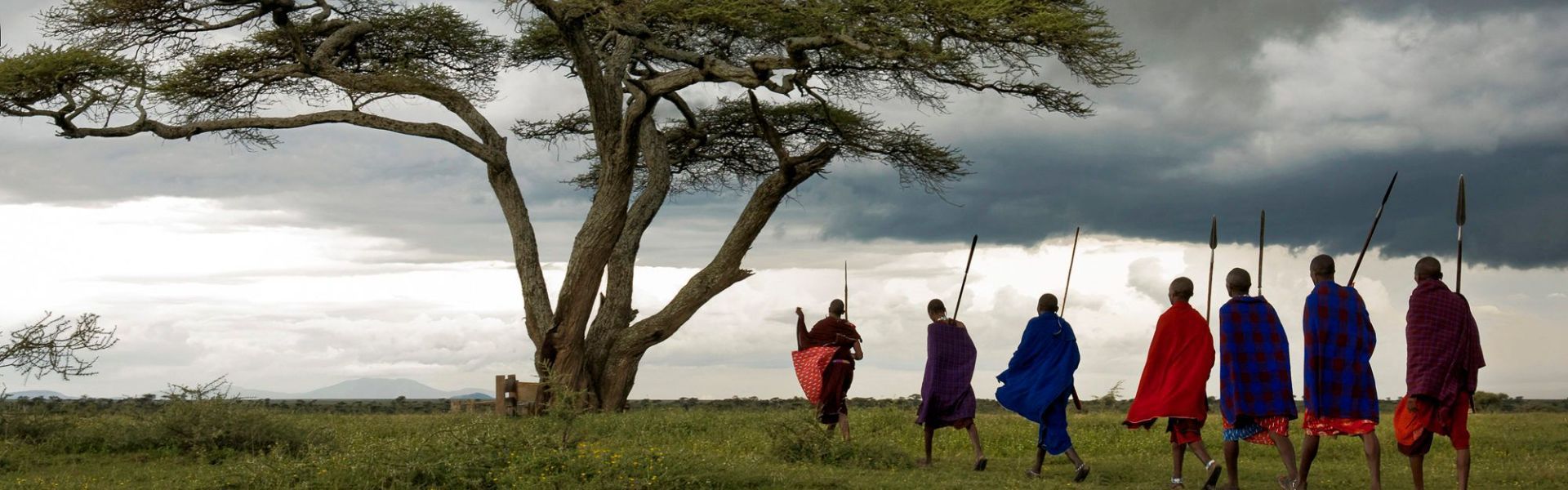
● Acacia Trees: Many trees called acacia trees grow here. They have flat tops. Animals often eat their leaves.
● Dry Season and Wet Season: The weather changes. Sometimes it is very dry, and animals look for water. Sometimes it rains a lot, and the land becomes green.
Maasai Culture Longido is also special because of the people who live there. They are called the Maasai.
● Traditional Life: The Maasai people have lived here for a very long time. They have a special way of life. They wear colorful clothes.
● Cattle Herding: They keep cows, goats, and sheep. These animals are very important to them. They move with their animals to find good grass and water.
● Living with Wildlife: The Maasai live very close to the wild animals. They know a lot about nature.
● Cultural Visits: Sometimes, visitors can go to a Maasai village. They can learn about their songs, dances, and traditions. This is a very unique experience.
· So, Longido is special because it has many wild animals, beautiful land, and the rich culture of the Maasai people. It is a place where nature and tradition live together.
ESTABLLISHMENT OF LONGIDO GAME CONTROLLED AREA.
· Every special place like Longido Game Controlled Area has a story of how it started. Let's learn about when and why Longido became a Game Controlled Area.
When did it Start? The Longido Game Controlled Area was made many years ago. It was established in the year 1974. This means it has been a special protected area for a very long time, more than 50 years!
Who Made the Decision? The government of Tanzania made the decision to create the Longido Game Controlled Area. They wanted to protect the animals and manage how people use the land.
Why was it Established? What was the Reason? There were several important reasons why Longido was made a Game Controlled Area:
● To Protect Animals: Before 1974, maybe too many animals were hunted. Or maybe people were hunting animals that were becoming few. The government wanted to make sure that the number of animals stayed healthy. They wanted to stop animals from disappearing.
● To Manage Hunting: They wanted to control hunting. This means only a few people could hunt. These people had to pay money and follow strict rules. This kind of hunting is called "controlled hunting" or "trophy hunting." It is different from hunting for food.
● To Help Local Communities: The government also wanted to make sure that the people living near the animals could benefit. When hunters pay money, some of this money can go to the local communities. This helps them with schools, water, or health centers. It also helps them to live peacefully with the wild animals.
● To Stop Poaching: Poaching means hunting animals illegally, without permission. It is a big problem. By making Longido a Game Controlled Area, the government could put more rules and guards to stop illegal hunting.
● To Protect Animal Routes: Animals sometimes move from one place to another to find food and water. These are called "corridors" or "migration routes." Longido is an important place for animals moving between other big parks like Amboseli National Park in Kenya and Arusha National Park in Tanzania. Making it a Game Controlled Area helps keep these routes open and safe.
· So, Longido Game Controlled Area was established in 1974 by the Tanzanian government. The main reasons were to protect animals, manage hunting, help local people, stop illegal hunting, and keep animal movement routes safe. It was a big step to protect nature and help people.
LOCATION AND ACCESSIBILITY.
· Knowing where Longido Game Controlled Area is and how to get there is important. Let's talk about its location and how easy or hard it is to reach.
Where Exactly is it Located? Longido Game Controlled Area is in the Arusha Region of northern Tanzania.
● North of Arusha City: It is located to the north of Arusha City. Arusha is a very famous city in Tanzania. Many safaris start from Arusha.
● Near the Border with Kenya: Longido is very close to the border between Tanzania and Kenya. This is important because some animals move between these two countries.
● Close to Important Parks: It is near other famous wildlife areas:
○ Amboseli National Park (Kenya): This park is just across the border in Kenya. It is famous for its large elephants.
○ Arusha National Park (Tanzania): This park is closer to Arusha City and has Mount Meru.
○ Mount Kilimanjaro: The tallest mountain in Africa, Mount Kilimanjaro, is also not too far from Longido. You might even see it from some parts of Longido.
How to Get There? (Accessibility) Getting to Longido Game Controlled Area is possible, but it is not always very easy like going to a big city.
● Main Starting Point: Arusha City: Most people who want to visit Longido start their journey from Arusha City. Arusha has an airport (Kilimanjaro International Airport - KIA) where planes from other countries land. It also has a smaller airport (Arusha Airport) for planes from inside Tanzania.
● By Road (Car): This is the most common way to reach Longido.
○ From Arusha: You drive north from Arusha City. The road goes towards the border with Kenya.
○ Type of Road: The road to Longido can be a mix of paved (smooth) roads and unpaved (rough, dirt) roads. When it rains, the dirt roads can become muddy and difficult to drive on.
○ 4x4 Vehicle: It is best to use a strong car called a "4x4 vehicle" (like a Land Cruiser). These cars are good for rough roads and can handle different types of land.
○ Driving Time: The drive from Arusha to Longido can take a few hours, depending on the road conditions.
● By Small Plane (Airstrip):
○ Longido has a small airstrip. An airstrip is like a small airport for small planes.
○ Some safari companies might use small planes to fly visitors directly to Longido. This is faster but more expensive.
○ This way is good for people who want to save time and avoid long drives on rough roads.
Is it Easy to Access? Longido is not as easy to access as some very popular national parks. It is a bit more "off the beaten path." This means fewer tourists go there, which can be good for people who want a quiet experience. You need to plan your trip well, especially about the car you use and the time of year (because of rain).
· In summary, Longido Game Controlled Area is in northern Tanzania, close to Kenya and Arusha City. You can get there by driving from Arusha, mostly on dirt roads, or sometimes by small plane. It is a place that feels wilder because fewer people visit it.
TRANSPORTATION.
· Once you are inside the Longido Game Controlled Area, you need to know how to move around. This is important for seeing animals, going to camps, or visiting local communities.
How do People Move Around Inside?
● Safari Vehicles (4x4 Cars):
○ This is the main way to travel inside Longido. You will use a strong 4x4 vehicle, like a Land Cruiser or Land Rover.
○ These cars are built for rough land. They can drive on dirt roads, over small hills, and through dry riverbeds.
○ The cars often have open roofs or pop-up roofs. This means you can stand up and look out to see animals better. This is great for taking photos.
○ A driver who knows the area well will drive the car. They know where to find animals and how to drive safely on the wild roads.
● Walking Safaris (Guided Walks):
○ Sometimes, it is possible to go for a "walking safari." This means you walk on foot.
○ Important: You must always walk with an armed ranger or a trained guide. This is for your safety because there are wild animals.
○ Walking safaris let you feel closer to nature. You can see small things like insects, plants, and animal tracks that you might miss from a car.
○ This is a special way to experience the bush, but it is done in very specific areas and with great care.
● No Public Transport:
○ There are no buses, trains, or regular taxis inside the Game Controlled Area. It is not like a city.
○ You cannot just walk around by yourself. It is dangerous and not allowed.
○ You must be part of an organized trip with a safari company or a hunting outfitter. They will provide all the transport.
Why is Special Transport Needed?
● Rough Terrain: The land is natural and wild. There are no smooth, paved roads everywhere. Strong cars are needed.
● Wild Animals: Wild animals are everywhere. It is not safe to walk alone. Cars provide protection.
● Finding Animals: Guides and drivers know the area very well. They know where animals might be hiding or where they go to drink water. They use their knowledge to help you see the most.
● Safety: In a wild area, safety is number one. Special vehicles and trained guides ensure visitors are safe.
What to Expect for Transport?
● Dusty Roads: During the dry season, the dirt roads can be very dusty.
● Bumpy Rides: The ride can be bumpy because of the rough roads.
● Long Drives: Sometimes, you might drive for a long time to find animals or reach a new camp.
● Enjoy the View: Even with bumps and dust, the journey is part of the adventure. You will see amazing views and maybe animals along the way.
· So, transportation inside Longido Game Controlled Area is mostly done by strong 4x4 safari vehicles with experienced drivers. Sometimes, guided walking safaris are also possible. This special transport is needed because of the wild land and animals, and it helps keep visitors safe while they enjoy nature.
ACCOMMODATION.
· When people visit Longido Game Controlled Area, they need places to sleep. These places are called accommodation. Also, it is important to know how the visits and activities in Longido help the people who live there, the local community.
Where to Stay (Accommodation)?
In Longido Game Controlled Area, you will not find big hotels like in a city. The accommodation is usually special and close to nature.
● Tented Camps:
○ These are the most common type of accommodation. They are not like camping with a small tent you carry.
○ These are big, comfortable tents. They often have real beds inside, a private bathroom with a toilet and shower, and even a small veranda outside.
○ They are called "tented camps" because the walls are made of strong canvas (tent material), but they feel like a comfortable room.
○ They are often "mobile," meaning they can be moved to different places depending on where the animals are or for hunting seasons.
○ They offer a very close-to-nature experience, where you can hear the sounds of the bush at night.
● Safari Lodges (Few):
○ There might be a very few small, simple safari lodges. These are more like permanent buildings, but still small and designed to fit with nature.
○ They offer basic but comfortable rooms.
● No Big Hotels or Resorts:
○ Because Longido is a Game Controlled Area and not a major tourist park, you will not find large, luxury resorts or big hotels. The focus is on a wilder, more authentic experience.
○ Accommodation is usually arranged by the safari or hunting company you book with.
BENEFIT OF LOCAL COMMUNITY.
· The activities in Longido, especially controlled hunting and tourism, bring many good things to the local people, mostly the Maasai community.
● Employment (Jobs):
○ Guides and Rangers: Local people can get jobs as safari guides, hunting guides, or anti-poaching rangers. They know the land and animals very well.
○ Camp Staff: Many people work in the tented camps. They cook food, clean rooms, help with laundry, and manage the camp.
○ Trackers: Local Maasai people are excellent at finding animal tracks. They work as trackers for hunting and photographic safaris.
○ These jobs give people money to support their families.
● Revenue Sharing (Money Sharing):
○ When hunters or tourists pay money to visit Longido, a part of that money goes to the government.
○ The government then shares some of this money with the local villages and communities around Longido.
○ What is the Money Used For? This money is used for important community projects:
■ Schools: Building new classrooms or buying books for children.
■ Health Centers: Building small clinics or buying medicines.
■ Water Projects: Digging wells or making water pipes so people have clean water.
■ Roads: Improving local roads.
■ Community Development: Other projects that help the whole village.
○ This money helps to improve the lives of the Maasai people.
● Market for Local Products:
○ Sometimes, visitors buy local crafts, like jewelry or carvings, from the Maasai people. This gives the Maasai another way to earn money.
○ Camps might buy food or other supplies from nearby villages.
● Conservation Awareness:
○ When local people see that animals bring benefits (jobs, money for schools), they understand that it is important to protect the animals.
○ This helps to reduce conflicts between people and wildlife and encourages conservation.
· In conclusion, accommodation in Longido is mostly comfortable tented camps. More importantly, the Longido Game Controlled Area brings many benefits to the local Maasai community through jobs, shared money for community projects like schools and water, and by creating awareness about the value of wildlife conservation. This helps to make sure that both people and animals can thrive.
CHALLENGES AND SOLUTIONS.
· Even in a special place like Longido, there are problems or "challenges." But for every challenge, people try to find "solutions." Let's look at some challenges and what is being done to fix them.
u Challenges (Problems) in Longido
● Poaching (Illegal Hunting):
○ Problem: Some people hunt animals without permission. They kill animals like elephants for their tusks (ivory) or other animals for meat or skins. This is illegal and very bad for animal populations.
○ Why it happens: Sometimes, people are very poor and need money or food. They might not understand the long-term harm.
● Human-Wildlife Conflict:
○ Problem: This happens when people and wild animals live too close and cause problems for each other.
■ Animals eating crops: Elephants or zebras might come out of the Game Controlled Area and eat crops from farmers' fields. This makes farmers angry because they lose their food.
■ Animals killing livestock: Lions or leopards might attack Maasai cows or goats. This makes the Maasai sad and angry because their animals are very important to them.
■ Animals hurting people: Sometimes, wild animals can hurt or even kill people, especially if they feel threatened.
○ Why it happens: As human populations grow, people live closer to wild areas. Animals also need more space and food.
● Habitat Loss and Degradation:
○ Problem: "Habitat" is the natural home of animals.
■ Farming: More land is being used for farming. This means less land for wild animals to live.
■ Grazing: Too many domestic animals (cows, goats) eating grass can make the land dry and poor. This leaves less food for wild animals.
■ Cutting Trees: People cut down trees for wood or to make more land for farming. This destroys animal homes.
○ Why it happens: People need land for food and living.
● Water Scarcity:
○ Problem: Sometimes, there is not enough water for both people and animals, especially during the long dry season.
○ Why it happens: Climate change can make dry seasons longer and hotter.
Solutions (Ways to Fix Problems)
● Solutions for Poaching:
○ More Rangers: More trained rangers patrol the area. Rangers are like guards for the animals. They stop illegal hunting.
○ Better Equipment: Rangers get better tools like radios, cars, and sometimes drones to help them find poachers.
○ Community Involvement: Teaching local people why conservation is important. When communities benefit from wildlife, they help to report poachers.
○ Stronger Laws: Making laws against poaching stronger and punishing poachers.
● Solutions for Human-Wildlife Conflict:
○ Community Education: Teaching farmers how to protect their crops without harming animals (e.g., using chili fences that elephants don't like).
○ Compensation: Sometimes, if animals kill livestock, there are programs to give money to the Maasai. This helps them not to be angry at the animals.
○ Early Warning Systems: Using technology to warn people if dangerous animals are close to their villages.
○ Improved Livestock Protection: Helping Maasai build stronger enclosures for their animals at night.
● Solutions for Habitat Loss:
○ Land Use Planning: Working with communities to plan how land is used. Some land for farming, some for animals.
○ Reforestation: Planting new trees where old ones were cut down.
○ Sustainable Grazing: Teaching Maasai how to graze their animals in a way that does not harm the land too much.
○ Corridor Protection: Protecting the paths animals use to move between different areas.
● Solutions for Water Scarcity:
○ Water Projects: Building new water sources like boreholes or dams that can be used by both people and animals.
○ Water Harvesting: Collecting rainwater during the wet season to use in the dry season.
· By working together, people are trying hard to solve these challenges in Longido. The goal is to make sure animals have a safe home and local communities can live well.
OPPORTUNITY.
· Even with challenges, Longido Game Controlled Area has many good "opportunities." These are chances for new and positive things to happen.
Opportunities for Tourism (Visiting Longido).
● Unique Safari Experience: Longido is not as crowded as big national parks. This means visitors can have a quieter, more personal safari. They can feel closer to nature without many other cars around. This is a big opportunity for "low-volume, high-value" tourism.
● Cultural Tourism: The Maasai culture is very strong here. Visitors can learn about Maasai traditions, visit their villages, and see their way of life. This is a special experience that many tourists want. It helps the Maasai share their culture and earn money.
● Bird Watching: Longido has many different kinds of birds. For people who love birds, it is a great place to see new and rare species. This can attract special bird-watching tours.
● Walking Safaris: The chance to walk in the bush with a guide is a unique opportunity. It allows visitors to experience nature differently, seeing small details and feeling the land under their feet.
● Photography Safaris: The beautiful landscapes and diverse wildlife offer amazing opportunities for photographers to capture stunning pictures.
Opportunities for Research and Education.
● Wildlife Research: Scientists can come to Longido to study animals. They can learn about how animals live, what they eat, how they move, and how many there are. This research helps to protect the animals better.
● Ecological Studies: Researchers can also study the land, plants, and water. They can learn about the ecosystem (how everything in nature works together) in a dryland environment.
● Conservation Education: Longido can be a place to teach students and local communities about the importance of conservation. Learning about nature helps people protect it for the future.
Opportunities for Community Development.
● Increased Benefits from Hunting and Tourism: As Longido becomes more known, more visitors might come. This means more money from hunting fees and tourism. This extra money can be used for more schools, health clinics, and water projects in Maasai villages.
● New Businesses for Local People: Local people can start small businesses. For example, they can make and sell more traditional crafts, or offer guiding services for cultural visits.
● Improved Infrastructure: With more income, there is an opportunity to improve roads, communication (like phone signals), and other basic services in the area.
● Sustainable Livelihoods: Helping Maasai find ways to live that are good for them and good for nature. This could include better ways to manage their livestock or new ways to earn money that do not harm the environment.
● Empowerment of Local Communities: When communities are involved in managing the Game Controlled Area and benefit from it, they feel stronger and more able to make decisions about their land and future.
· Longido Game Controlled Area has many chances to grow in a good way. It can offer special experiences for visitors, be a place for important studies, and bring more positive changes and development to the local Maasai communities. These opportunities can help Longido become even better for both nature and people.
CONCLUSION.
· We have learned many things about the Longido Game Controlled Area. Let's remember the most important points.
A Special Place for Animals and People: Longido Game Controlled Area is a very important place in northern Tanzania. It is a big land where many wild animals live, like elephants, giraffes, zebras, and big cats. It is also home to the Maasai people, who have a rich and traditional way of life.
Managed for Conservation: Longido is not a national park, but a "Game Controlled Area." This means that hunting is allowed, but it is managed very carefully. Only a few people can hunt, and they must follow strict rules. This controlled hunting helps to bring money that is used to protect the animals and help the local communities. It also helps to stop illegal hunting, which is called poaching.
Challenges and Hope: Longido faces some problems. Animals and people sometimes have conflicts, like when animals eat crops or attack livestock. There is also the problem of illegal hunting and the loss of animal homes because of farming. But people are working hard to find solutions. They are training more rangers, teaching communities about conservation, and finding ways for people and animals to live together peacefully.
Many Opportunities for the Future: Longido has a bright future with many opportunities. It can offer unique safari experiences for visitors who want to see nature without many crowds. It is a great place to learn about the Maasai culture. It also offers chances for scientists to study animals and for local communities to develop. More money from tourism and hunting can help build more schools, health centers, and water projects for the Maasai people.
Working Together for a Better Future: The story of Longido Game Controlled Area is about balance. It is about finding a way for wild animals to have a safe home and for people to live well. It shows that when communities, governments, and visitors work together, they can protect nature and help people at the same time.
· Longido is a valuable part of Tanzania's natural heritage. It is a place that needs our care and support so that its wild animals can thrive and its people can continue to live their unique way of life for many years to come. It is a place where the wild heart of Africa beats strong.