
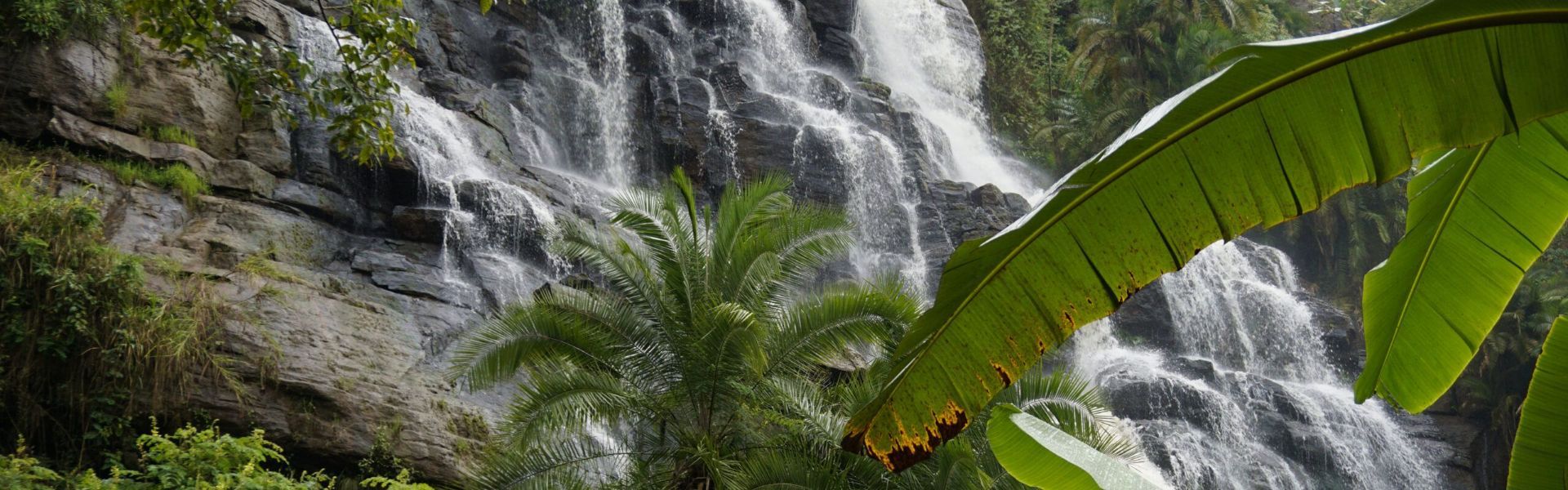
The Ultimate Guide to Rungwe Safaris

Mount Rungwe Nature Forest Reserve (MRNFR), located in Rungwe District, Mbeya Region, is a tropical montane forest that plays a vital role in biodiversity conservation, water catchment protection, and community livelihoods. Its ecological significance stems from its rich endemic flora and fauna, including rare primates like the Kipunji and Rungwe galago, and antelopes such as Abbott’s duiker.
Historical Timeline.
· 1949: Initially gazetted as a Catchment Forest Reserve, the area was recognized for its importance in protecting water sources and forest ecosystems.
· 2009: Upgraded to a Nature Forest Reserve under Government Notice No. 386, reflecting a shift toward stricter conservation and biodiversity protection.
· 2016–2021: A comprehensive management plan was developed by the Tanzania Forest Services (TFS) Agency, emphasizing sustainable use, community involvement, and ecological restoration.
· Ecological and Cultural Significance.
· The reserve covers 13,652 hectares, forming part of the Southern Highlands and the Eastern Arc Mountains, both global biodiversity hotspots.
· It serves as a water tower for Mbeya, Rungwe, and Kyela districts, feeding rivers like Kiwira, Mbaka, and Suma, which flow into Lake Nyasa.
· MRNFR is also home to ritual and historical sites important to the Nyakyusa, Safwa, and Kinga communities, linking conservation with cultural heritage.
Community and Conservation.
The reserve’s establishment was shaped by multi-stakeholder collaboration, including:
· Local communities and traditional leaders.
· District councils and regional authorities.
· Conservation NGOs like African Wildlife Foundation and Wildlife Conservation Society.
· Tourism operators and researchers.
This participatory approach helped align conservation goals with local development, ensuring that the reserve supports livelihoods, education, and sustainable tourism.
LOCATION AND ACCESSIBILITY.
the location and accessibility of Rungwe Nature Reserve, with practical insights tailored to your tourism and conservation interests:
Geographic Location.
Rungwe Nature Reserve is nestled in the Rungwe District of Mbeya Region, in southwestern Tanzania. It covers much of Mount Rungwe, a dormant volcano and the second-highest peak in southern Tanzania at 2,981 meters above sea level. The reserve lies between latitude 9°03′–9°12′S and longitude 33°35′–33°45′E, forming part of the Southern Highlands and the Eastern Arc Mountains, both renowned for their biodiversity and ecological importance.
It borders:
· Kyela District to the south.
· Ileje District to the west.
· Makete District to the east.
· Mbeya District to the north.
Nearby natural landmarks include Lake Ngosi, Kitulo National Park, and the Livingstone Mountains, making it a strategic hub for eco-tourism circuits.
Accessibility.
Rungwe Nature Reserve is relatively accessible despite its mountainous terrain:
From Mbeya City:
· The reserve is located 22–25 km southeast of Mbeya town, and about 7 km north of Tukuyu, a small township with basic amenities.
· Roads from Mbeya to Tukuyu are paved and well-maintained, making it a convenient base for visitors.
Entry Routes:
· North & East: Via the Isongole–Ndala road, which skirts the reserve boundary near Kiwira Forest Plantation.
· West: Through the Rungwe Mission road, which runs along the reserve’s edge.
· South: Accessible via the Katumba–Kandete road, connecting to villages and trailheads.
By Air:
· Songwe International Airport is about 80 km from the reserve, offering domestic flights from Dar es Salaam and other Tanzanian cities. While it doesn’t yet handle international flights directly, it’s a key gateway for foreign visitors arriving via Dar.
By Rail or Bus:
· Visitors from Dar es Salaam can take the TAZARA railway or long-distance buses to Mbeya. From there, local transport or hired vehicles can reach the reserve.
On-the-Ground Experience.
Once inside the reserve, access is mostly by footpaths and hiking trails, which wind through bamboo belts, montane forests, and grasslands. These trails are used for:
· Guided hikes to Rungwe Peak.
· Visits to Crater Lake Lusiba.
· Cultural sites like Masieto, used by the Nyakyusa for traditional rituals.
Camping sites and picnic areas are available, and accommodation can be found in Tukuyu or Mbeya City, depending on budget and preference.
ACCOMMODATION.
accommodation options around Rungwe Nature Reserve, tailored to your interest in practical, community-conscious tourism planning:
Where to Stay?
While Rungwe Nature Reserve itself does not yet offer formal lodges within its boundaries, visitors can find a range of accommodation options in nearby towns, especially Tukuyu and Mbeya City, as well as eco-friendly stays that align with conservation and cultural immersion.
Tukuyu Township (Closest Base).
Just 7 km from the reserve, Tukuyu offers modest but welcoming options:
· Rungwe Lodge: A locally run lodge near the base of Mount Rungwe, offering scenic views, basic amenities, and access to hiking trails. Ideal for budget-conscious travelers and small groups.
· AvoHouse (Airbnb): A tranquil guesthouse with mountain views, cultural storytelling, and guided hikes to crater lakes and waterfalls. Great for immersive, nature-based stays.
· Kalongo Farm Homes: A series of rustic cabins and private rooms set in avocado farms, offering a peaceful retreat and opportunities to engage in farm activities. These are popular with eco-tourists and cultural travelers.
Mbeya City (Urban Comfort).
Located about 25 km from the reserve, Mbeya provides more diverse options:
· Mid-range hotels: Comfortable lodges with Wi-Fi, hot showers, and restaurants—ideal for travelers seeking convenience before or after trekking.
· Luxury stays: A few upscale hotels offer full amenities, including airport transfers from Songwe International Airport (80 km away), making them suitable for international visitors.
Camping and Nature-Based Stays.
For those seeking a deeper connection with nature:
· Designated camping sites within the reserve allow for overnight stays under the stars, especially near Lake Ngosi and Rungwe Peak trailheads. These are best arranged through local tour operators or the Tanzania Forest Services (TFS) office.
· Picnic areas and forest shelters are available for day visitors and hikers, often used by school groups and researchers.
Community-Linked Hospitality.
Many accommodations in Tukuyu and surrounding villages are community-owned or locally managed, contributing directly to:
· Employment and training.
· Cultural exchange programs.
· Benefit-sharing initiatives tied to conservation and tourism.
TRANSPORTATION.
transportation to and around Rungwe Nature Reserve, tailored to your interest in accessibility, community impact, and tourism planning:
Getting to Rungwe Nature Reserve.
Rungwe Nature Reserve is located in Rungwe District, Mbeya Region, about 22–25 km southeast of Mbeya City and 7 km north of Tukuyu. Visitors typically arrive via one of the following routes:
From Dar es Salaam or Other Cities:
· By Air: Fly to Songwe International Airport, located about 80 km from the reserve. While the airport doesn’t yet handle international flights directly, it connects well with Dar es Salaam and other Tanzanian hubs.
· By Bus: Long-distance buses run daily from Dar es Salaam to Mbeya. The journey takes around 12–14 hours, depending on the service.
· By Train: The TAZARA railway offers a scenic and affordable option from Dar es Salaam to Mbeya, though it’s slower and less frequent.
u Local Access from Mbeya or Tukuyu.
Once in Mbeya or Tukuyu, travelers can reach the reserve via several road routes:
· Isongole–Ndala Road (North/East): Passes near Kiwira Forest Plantation, offering access to trailheads and forest edges.
· Rungwe Mission Road (West): Runs along the reserve boundary, connecting to cultural sites and community areas.
· Katumba–Kandete Road (South): Links to villages and southern entry points, often used by local guides and hikers.
Most roads are gravel or dirt, especially near the reserve, so 4WD vehicles are recommended during the rainy season.
On-the-Ground Mobility.
Inside the reserve, transportation is entirely on foot:
· Hiking trails lead to Rungwe Peak, Lake Ngosi, and cultural sites like Masieto.
· Local guides (such as Tiko or Ezekia, recommended by travelers) offer tailored treks, arrange entrance fees, and help with logistics like camping or meals.
Community Transport Links.
Local transport options; such as bodabodas (motorcycle taxis) and shared minibuses, connect Tukuyu to nearby villages and trailheads. These services are often run by community members, contributing to local income and offering authentic engagement.
UNIQUE FEATURES.
A Dormant Volcano with a Living Ecosystem.
At the heart of the reserve lies Mount Rungwe, a dormant volcano and the second-highest peak in southern Tanzania (2,981 meters). Its rugged terrain, crater lakes, and sweeping views of the Great Rift Valley create a dramatic backdrop for ecological and cultural exploration.
· Lake Ngosi, perched atop the mountain, is the second-largest crater lake in Africa, shaped like the African continent, a breathtaking natural landmark and the reserve’s crown jewel.
· Crater Lake Lusiba, hidden below the bamboo belt, offers a more secluded, mystical experience for trekkers and nature lovers.
Rare and Endemic Wildlife.
Rungwe is a sanctuary for some of the world’s rarest primates, including:
· Kipunji (Rungwecebus kipunji): Discovered in 2003, this critically endangered monkey is found only in Rungwe and a few nearby forests.
· Rungwe galago: A rare nocturnal primate with limited distribution.
· Abbott’s duiker: A shy and elusive antelope species, rarely seen elsewhere.
The reserve hosts:
· Over 100 mammal species.
· More than 230 bird species, including the Rungwe bush warbler and vibrant sunbirds.
· Unique amphibians and fish adapted to high-altitude forest streams.
Distinct Vegetation Zones.
Rungwe’s elevation gradient supports five major vegetation types, each with its own ecological character:
· Montane and upper montane forests: Rich in endemic trees like Hagenia abyssinica, Maesa lanceolata, and Schefflera goetzenii
· Bamboo belt: A dense, mysterious zone that supports unique wildlife and acts as a natural corridor
· Bushed grasslands and heath: Found above 2,500 meters, dotted with herbs like Valeriana capensis and shrubs like Erica spp.
These zones create a mosaic of habitats that support high biodiversity and offer varied trekking experiences.
A Vital Water Catchment.
Mount Rungwe is one of Southern Tanzania’s most important water towers, feeding rivers like:
· Kiwira, Mbaka, Suma, and Kibisi, which flow into Lake Nyasa.
· These rivers support villages, agriculture, and industry across Mbeya, Rungwe, and Kyela districts
The reserve receives up to 3,000 mm of rainfall annually on its southeastern slopes, ensuring year-round water flow and lush vegetation.
Cultural and Spiritual Significance.
Rungwe is deeply woven into the heritage of the Nyakyusa, Safwa, and Kinga communities:
· Masieto: A sacred site used for traditional rituals and ceremonies
· Cultural tours: Visitors can engage with local customs, storytelling, and artistic practices that reflect the community’s bond with the land
These features make Rungwe not just a natural treasure, but a living cultural landscape.
TOURISM ACTIVITIES AND EXPERIENCE.
The tourism activities and experiences available at Rungwe Nature Reserve, designed to reflect both its ecological depth and its potential for community-centered exploration:
Hiking and Trekking Adventures.
Rungwe offers multi-level hiking trails that wind through montane forests, bamboo belts, and volcanic ridges:
· Rungwe Peak Trek: A challenging but rewarding ascent to the summit (2,981m), with panoramic views of Lake Nyasa, the Livingstone Mountains, and the Southern Highlands.
· Lake Ngosi Trail: A scenic hike to the second-largest crater lake in Africa, shaped like the African continent, ideal for photography and quiet reflection.
· Crater Lake Lusiba Route: A more secluded trail through dense bamboo forest, offering a mystical atmosphere and chances to spot rare wildlife.
· Birdwatching and Wildlife Viewing.
With over 230 bird species and rare mammals like the Kipunji monkey, Rungwe is a haven for nature lovers:
· Spot the Rungwe bush warbler, vibrant sunbirds, and forest hornbills.
· Watch for Abbott’s duiker, velvet monkeys, and galagos in the upper montane zones.
· Early morning hikes offer the best chance to see wildlife in action, especially near water sources like the Kiwira and Kibisi rivers.
Nature Immersion and Meditation.
The reserve’s tranquil atmosphere and lush vegetation make it ideal for:
· Forest bathing and mindfulness walks.
· Meditation spots near crater lakes and waterfalls.
· Picnicking and camping at designated sites, with options for multi-day treks and overnight stays under the stars.
Cultural and Community Experiences.
Rungwe is deeply tied to the heritage of the Nyakyusa, Safwa, and Kinga peoples:
· Cultural tours to nearby villages offer insights into traditional farming, crafts, and rituals.
· Visit Masieto, a sacred site used for ancestral ceremonies and storytelling.
· Engage in tea plantation visits, where you can learn about local agriculture and sample fresh brews.
These experiences are often arranged through community-based tourism initiatives, ensuring that your visit supports local livelihoods.
Scenic Views and Photography.
Whether you're a casual traveler or a professional photographer, Rungwe offers:
· Panoramic views from the summit and crater rims.
· Dramatic forest landscapes, especially during misty mornings.
· Seasonal wildflowers and butterflies, adding color to every trail.
Best Time to Visit.
· June to October is the dry season, ideal for hiking and wildlife viewing.
· November to May brings lush greenery and flowing waterfalls, though trails may be muddy.
BENEFITS OF LOCAL COMMUNITIES
The benefits that local communities derive from Rungwe Nature Reserve, with a focus on ecological services, livelihood support, and cultural connections, perfectly aligned with your interest in ethical, community-driven tourism and conservation:
Ecological Services That Sustain Daily Life.
Rungwe Nature Reserve acts as a critical water catchment, feeding rivers like Kiwira, Mbaka, Suma, and Kibisi. These rivers provide:
· Clean water for domestic use in villages across Rungwe, Kyela, and Mbeya districts.
· Irrigation for agriculture, especially tea, banana, and avocado farms.
· Water for small industries and livestock, supporting local economies.
Without the reserve’s forest cover, these water sources would be far less reliable, making the reserve a silent but essential partner in daily survival.
Sustainable Resource Access
Through regulated programs led by the Tanzania Forest Services (TFS) and community partnerships, locals benefit from:
· Supervised firewood collection, reducing illegal harvesting while meeting energy needs.
· Controlled beekeeping, which provides honey and income while promoting forest health.
· Medicinal plant access, especially for traditional healers and elders who rely on forest herbs
These activities are carefully managed to ensure long-term sustainability and minimal ecological impact.
Employment and Economic Opportunities.
The reserve supports livelihoods through:
· Tour guiding and porter services for hikers and researchers.
· Hospitality roles in nearby lodges, guesthouses, and eco-farms.
· Craft and produce sales to tourists, including handmade baskets, herbal teas, and local snacks.
Community members also participate in conservation jobs, such as firebreak construction and trail maintenance.
Education and Capacity Building.
Local schools and youth groups benefit from:
· Environmental education programs, often hosted in collaboration with NGOs and researchers.
· Training in sustainable land use, guiding farmers toward conservation-friendly practices.
· Awareness campaigns about endangered species like the Kipunji and Abbott’s duiker.
These efforts help foster a new generation of conservation stewards rooted in local knowledge and pride.
Cultural and Spiritual Value.
The reserve protects sacred sites like Masieto, used by the Nyakyusa, Safwa, and Kinga communities for rituals and storytelling. This ensures:
Preservation of cultural heritage.
· Opportunities for cultural tourism, where visitors respectfully engage with local traditions.
· Strengthening of identity and intergenerational knowledge
Participatory Conservation.
Local communities are not just beneficiaries—they’re active partners in protecting Rungwe:
· Involvement in reserve planning and zoning.
· Monitoring of wildlife and forest health.
· Conflict resolution and reporting of illegal activities.
This participatory model builds trust, ownership, and resilience, making conservation more effective and equitable.
CHALLENGES, SOLUTIONS AND OPPORTUNITIES
Rungwe Nature Reserve, tailored to your holistic and community-focused approach to conservation:
Challenges.
Rungwe Nature Reserve, despite its ecological richness, faces several pressing challenges:
Human-Wildlife Conflict: Communities near the reserve report crop damage and livestock threats from species like wild dogs and kipunji monkeys, leading to tension and retaliatory actions.
Illegal Resource Use: Unregulated firewood collection, poaching, and unauthorized grazing degrade forest health and threaten rare species.
Invasive Alien Plants (IAPs): Species like Lantana camara and Eucalyptus saligna are spreading rapidly, outcompeting native flora and altering habitat structure.
Limited Awareness and Education: Many residents lack conservation knowledge, especially younger generations, reducing community engagement.
Fragmentation and Corridor Loss: The ecological link between Rungwe and nearby forests (e.g., Livingstone) has been disrupted, isolating species like the kipunji, which depend on connected habitats.
Solutions
· Efforts to address these challenges have been both practical and participatory:
Community Involvement: Locals are engaged in firebreak construction, monitoring, and conservation planning, fostering ownership and trust.
Education Campaigns: Environmental education in schools and villages has increased awareness of endangered species and forest values.
Beekeeping and Eco-Income Projects: Initiatives like community beekeeping reduce reliance on destructive practices and offer alternative livelihoods.
Invasive Species Control: Projects are underway to map and manage IAPs, including training locals in removal techniques and native replanting.
Zoning and Restoration: The reserve is divided into management zones (e.g., biodiversity, amenity, catchment), guiding restoration and limiting harmful activities.
Opportunities.
Rungwe Nature Reserve holds immense potential for sustainable development:
Ecotourism Expansion: With attractions like Lake Ngosi, Rungwe Peak, and cultural sites, there's room to develop guided tours, campsites, and cultural centers that benefit local communities.
Youth Engagement: Training programs in mushroom farming, organic agriculture, and eco-crafts empower youth and reduce environmental pressure.
Research and Education Hubs: The reserve’s biodiversity makes it ideal for scientific research, student fieldwork, and conservation internships.
Cultural Heritage Preservation: Sites like Masieto offer opportunities for cultural tourism, storytelling, and intergenerational learning.
Public-Private Partnerships: Investment in eco-lodges, trail infrastructure, and community-run tourism services can boost local economies while protecting nature.
CONCLUSION.
Rungwe Nature Reserve stands as a critical ecological sanctuary in Tanzania’s Southern Highlands, renowned for its unique biodiversity, water catchment role, and cultural heritage. Home to rare and endangered species like the kipunji monkey, Abbott’s duiker, and endemic flora, the reserve is a living testament to the richness of montane ecosystems.
Its importance extends beyond conservation: Rungwe provides clean water to surrounding districts, supports traditional practices, and offers scenic landscapes such as Lake Ngosi and Rungwe Peak, which are magnets for ecotourism and environmental education. Despite challenges like human-wildlife conflict, invasive species, and habitat fragmentation, the reserve has become a model for community-inclusive conservation, where locals actively participate in protection, restoration, and sustainable use.
With continued investment in education, livelihood alternatives, and ecotourism infrastructure, Rungwe Nature Reserve holds the potential to become a flagship for conservation-driven development, where nature thrives, communities benefit, and Tanzania’s natural heritage is celebrated and safeguarded for generations to come.