
The Ultimate Guide to Isimila Safaris

The Isimila Stone Age Site represents a profoundly ancient settlement located within the Iringa District of the Iringa Region in Tanzania, East Africa. This remarkable location serves as a crucial window into the distant past, offering invaluable insights into the lives and behaviors of early humans who inhabited this region hundreds of thousands of years ago. It is formally recognized as a "Middle Pleistocene archaeological site," signifying its importance in understanding a specific and significant period of Earth's history, broadly spanning from 126,000 to 781,000 years ago.
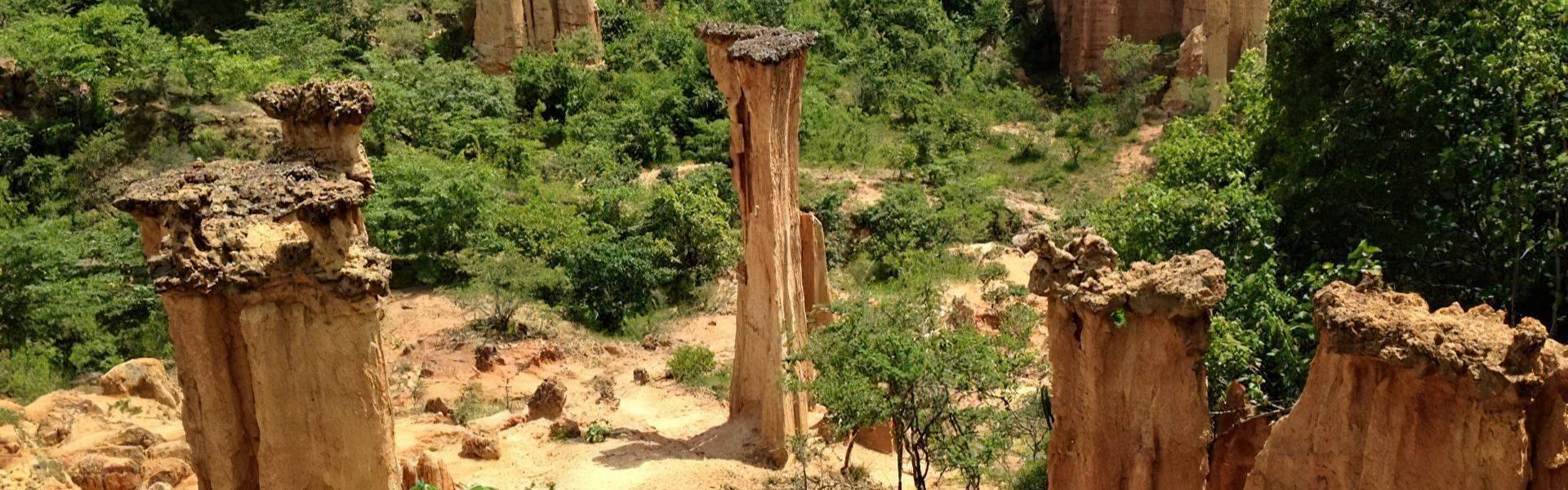
Isimila garners its widespread recognition from two primary, compelling features. Firstly, it boasts an exceptionally large and diverse collection of ancient stone tools, including iconic artifacts such as handaxes and cleavers. These tools provide tangible evidence of early human ingenuity and technological prowess. Secondly, the site is characterized by a breathtaking natural landscape dominated by towering, eroded sandstone pillars and dramatic, deep canyons. So striking are these geological formations that many observers and travel guides affectionately refer to the site as "Tanzania's Grand Canyon," a testament to its awe-inspiring natural beauty.
The immense historical and scientific value of Isimila has been formally acknowledged and protected. Since its early recognition, the site has been officially designated as a Tanzania National Historic Site. This status underscores its national importance and ensures its preservation for future generations, allowing for continued research, education, and public access to this irreplaceable heritage.
Why Isimila Matters.
Isimila offers a truly unparalleled opportunity to peer into the distant past, providing a unique perspective on the behavior and daily lives of early humans, or "hominids," during the Middle Pleistocene epoch. The archaeological findings at the site help researchers reconstruct how these ancient inhabitants hunted, gathered food, processed resources, and interacted with their environment. The detailed record of their activities, preserved over millennia, contributes significantly to our understanding of human adaptation and survival strategies in prehistoric East Africa.
The site showcases their capacity for crafting complex tools and employing advanced techniques to thrive in challenging environments. This evidence is fundamental to tracing the trajectory of human innovation and technological development.
The extensive collection of Acheulean stone tools found at Isimila has been particularly instrumental in shaping archaeological understanding. These tools have served as a benchmark for determining the typical composition and characteristics of Acheulean assemblages across East Africa.
What makes Isimila truly special is its harmonious blend of profound natural wonders and deep historical roots. The dramatic geological formations, such as the towering stone pillars, provide a stunning natural backdrop to the archaeological discoveries. This combination allows visitors to experience a unique journey, literally walking through both immense geological time and the ancient history of human civilization. The site offers a holistic experience where the forces of nature that shaped the landscape are intimately intertwined with the story of early human life.
A Glimpse into the Past.
The antiquity of the Isimila site is truly staggering. Archaeological evidence suggests that some parts of the site date back approximately 500,000 years ago, with the very oldest geological layers potentially extending as far back as 900,000 years. More recent and advanced dating methods, such as Optically Stimulated Luminescence (OSL), have refined these estimates, indicating that a primary period of intense human activity at Isimila occurred between 400,000 and 500,000 years ago.
The broad range of dates also strongly indicates that Isimila was not merely a site of single, brief occupation but was likely utilized by early humans over vast periods of time, with different geological layers representing distinct phases of activity. This suggests a long-term, possibly seasonal, presence of hominins, who adapted their behaviors and technologies to the changing environmental conditions over millennia.
It would have served as an ideal hunting ground, drawing a diverse array of animals for sustenance, and providing a consistent source of fresh water, making it a perfect and strategic location for hominin habitation. The abundant discovery of stone tools, many of which are associated with hunting and butchery, further supports this interpretation of the site's ancient ecological role.
The natural forces of the Earth, particularly geological processes and significant climatic changes, played an indispensable role in shaping the landscape of Isimila. These powerful forces created the distinctive topographical features we see today and, crucially, exposed the specific geological formations that contained the raw materials early hominins needed for crafting their tools. The availability of these materials directly influenced where and how early humans lived and the types of tools they produced.
The Story of Isimila: Discovery and Establishment.
How Isimila Was Found.
The discovery of the Isimila Stone Age Site in 1951 was a serendipitous event that profoundly altered our understanding of early human history in East Africa. An amateur archaeologist named D.A. Maclennan was traveling by chance from Nairobi to Johannesburg when he fortuitously observed the first stone artifacts and animal bones at the site. This accidental finding, a stroke of luck, immediately signaled the presence of an ancient human past and opened the door to a vast and previously unknown chapter of prehistoric life.
Early Explorations and Research.
Following Maclennan's initial discovery, the first collection of artifacts, which included seventeen handaxes, seven cleavers, one small Levallois core, and one backed blade, was donated to the South African Archaeological Survey. A leading prehistorian of the time, Professor Van Riet Lowe of the South African Archaeological Survey, promptly described and reported on these findings in 1951. This swift scientific engagement quickly brought Isimila to the attention of the broader scientific community, recognizing its immediate and immense archaeological value.
Protecting Our Heritage.
Recognizing the unparalleled historical and scientific value of the Isimila Stone Age Site, proactive measures were taken to ensure its preservation. In 1957, just a few years after its initial discovery and concurrent with major research efforts, Isimila was officially protected. It was designated as a "reserved area" under The Monument Preservation Ordinance of Tanganyika, an early legal framework for heritage conservation. This proactive step, almost simultaneous with the major excavations, demonstrated an understanding that long-term study and future public access depended on safeguarding the site's integrity from its inception.
Isimila achieved even higher recognition in 1964 when it became the first site to be formally recognized as a "national historic site" under Tanzania's Antiquities Act. This elevated designation underscored its national importance and committed the Tanzanian government to its continued preservation.
Isimila's Unique Features: Where Nature Meets History.
The Remarkable Stone Tools.
Isimila is globally renowned for its exceptionally rich and diverse collection of Acheulean stone tools. These artifacts, crafted by early humans, represent a significant technological achievement of the Middle Pleistocene. The assemblage includes a wide array of tool types, each designed for specific tasks. Among the most common are handaxes, characterized by their distinctive almond shape and multi-purpose utility for cutting, chopping, and digging. Cleavers, with their straight, sharp edges, were likely used for butchery and processing. The collection also features picks, scrapers (for preparing hides or wood), cores (the stone blocks from which flakes were struck), flints, hammerstones (used for shaping other tools), spear points, knives, choppers, and discoids.
These tools are not confined to a single spot but are found consistently throughout various layers of soil at the site. This widespread distribution across different stratigraphic levels suggests that early humans occupied and utilized Isimila for an extended period, possibly returning seasonally over many generations due to its favorable conditions.This pattern might indicate that early humans spent more prolonged periods at the site during certain phases, or that the site's function and intensity of use evolved over time.
The variation in the types of tools discovered and the diverse raw materials from which they were fashioned (including mylonite, granite, quartz, and quartzite) provide significant insights into the adaptive capabilities of early humans. It demonstrates that these ancient toolmakers were highly skilled at selecting and utilizing different materials based on their properties, and at crafting specific tools tailored to the resources available and the activities they needed to perform, such as hunting, processing animal carcasses, or preparing plant materials. This adaptability highlights their sophisticated understanding of their environment and technology.
This density, combined with the variety of tools and raw materials, suggests that Isimila functioned not just as a temporary camp but as a significant "tool factory" and a recurring living site for early hominins. The presence of such massive quantities of large cutting tools indicates extensive raw material procurement and tool production activities on-site, reflecting sophisticated resource management and technological adaptation.
Ancient Life: Fossil Discoveries.
Beyond the impressive array of stone tools, Isimila has also yielded a wealth of fossilized remains of animals that roamed this landscape during the Middle Pleistocene. These discoveries include bones of large mammals such as hippos, elephants, and various types of extinct pigs. Intriguingly, fossils of ancient giraffes have also been found, some of which are believed to have had shorter necks than the modern giraffes we are familiar with today.
These animal fossils are of immense scientific importance because they serve as crucial environmental indicators. By studying these remains, scientists can reconstruct the ancient environment and ecosystem of Isimila hundreds of thousands of years ago. They paint a vivid picture of a once-vibrant landscape that likely featured lush lakes and diverse wildlife, creating an ideal habitat that would have been highly attractive to early human populations. The presence of these animals directly supports the hypothesis that the area was a rich hunting ground for hominins.
The small museum located at the Isimila site provides visitors with a direct and tangible connection to this ancient world. Within its displays, visitors can observe some of these fossilized animal bones, alongside rare human fossils and various examples of the ancient tools, offering a comprehensive glimpse into the prehistoric life that once thrived in this unique Tanzanian setting.
The Majestic Sandstone Pillars.
One of the most visually striking and unforgettable features of the Isimila Stone Age Site is its dramatic landscape, characterized by towering sandstone pillars and deep, winding canyons. These natural formations are truly breathtaking and contribute significantly to the site's unique allure.
These majestic pillars are not the product of human construction; rather, they are magnificent sculptures carved by the relentless forces of nature over thousands, and even millions, of years through a geological process known as erosion. Wind and water, acting over vast timescales, slowly wore away the softer sandstone layers, leaving behind the harder, more resistant rock types that now stand as these thin, towering spires. The process of their formation is a powerful demonstration of Earth's dynamic geological history.
Some of these impressive stone spires reach heights of up to 30 meters (approximately 100 feet), creating a surreal, almost otherworldly scene. The formations have been described as resembling a "petrified forest" or "Tanzania's Natural Stone Forest," emphasizing their unique and captivating appearance. It is believed that these iconic pillars began to take their current forms around 300-400 BC. This timeline, long after the early humans inhabited the area, illustrates the continuous geological changes that have shaped the landscape over vast periods, demonstrating how destructive natural processes can, over immense timescales, create features that become significant cultural and economic assets in the present.
The pillars thus serve as a powerful visual representation of deep time and continuous geological transformation, providing a dramatic backdrop to the archaeological findings and acting as a primary natural attraction.
A Landscape Shaped by Time.
The unique geology of Isimila, coupled with significant shifts in climate that alternated between dry and wet periods, profoundly influenced the development of its distinctive landscape. These environmental conditions were instrumental in causing the erosion and subsequent deposition of new soil layers, which are meticulously preserved and visible within the archaeological records of the site. The stratigraphic layers tell a story of environmental change and human adaptation.
These geological processes also played a vital role in exposing the raw materials that early humans needed for crafting their tools. The accessibility of these specific rock types made Isimila a highly convenient and attractive location for early hominins to settle, establish habitation sites, and engage in extensive tool-making activities. This natural availability of resources was a key factor in the site's long-term occupation.
These environmental shifts, occurring during the Middle Pleistocene, continued to shape the habitat and resources available to the ancient inhabitants, influencing their subsistence strategies and technological adaptations. The site's physical attributes were not merely a backdrop but an active determinant of early human life.
Experiencing Isimila: Activities and Tourism.
What to Do at the Site.
A visit to the Isimila Stone Age Site typically commences at a dedicated small museum or interpretive center located at the entrance. Here, visitors are greeted by knowledgeable local guides who provide an essential introduction to the site's profound history. They explain the remarkable geological processes that shaped the unique rock formations and offer detailed explanations of the many ancient fossils and stone tools that are carefully displayed. This initial orientation sets the stage for a deeper understanding of the journey back in time that awaits.
The main part of the tour involves a guided walk. Visitors descend a steep footpath that leads into the heart of the dramatic canyon. Once inside the canyon, explorers can wander through the very areas where ancient tools were unearthed, gaining a tangible connection to the past. The highlight for many is the opportunity to get an up-close and personal view of the majestic sandstone pillars, marveling at their imposing height and intricate natural sculptures.
The entire guided tour of the Isimila Stone Age Site typically lasts between 3 to 4 hours. This duration allows for a comprehensive exploration of both the archaeological wonders and the geological marvels, ensuring visitors have ample time to absorb the rich history and breathtaking natural beauty of the site.
Educational Journeys.
The on-site museum at Isimila serves as a cornerstone of the educational experience. It features thoughtfully organized displays with clear and informative labels that highlight the significant discoveries made during excavations. These exhibits are designed to make complex archaeological concepts accessible to a wide audience.
Visitors are encouraged to engage in interactive experiences specifically designed to deepen their understanding of human evolution and the remarkable development of tool-making skills by early humans. These skills were absolutely essential for their survival in prehistoric environments. Beyond the museum, the learning journey is further enriched by strategically placed educational signs, the expertise of interpretive guides, and detailed displays of fossilized remains. This multi-faceted approach makes the site an invaluable educational resource for school groups, university students, and anyone with an interest in cultural history and human origins.
Isimila is recognized as a crucial link in the broader study of human evolution. It provides direct, tangible insights into the daily lives of early humans, demonstrating how they crafted and utilized their tools for hunting, cutting, and various other survival activities. The presence of local guides who share cultural stories associated with the site adds a unique, human dimension to the scientific learning, creating a powerful and intellectually stimulating experience that connects visitors directly to the origins of human ingenuity and adaptation.
Photography and Nature.
The Isimila Stone Age Site is a true haven for photographers, offering an abundance of stunning landscapes and unique rock formations that provide endless opportunities for capturing memorable images. The distinctive warm reddish tint of the earth, particularly when illuminated by the soft light of early morning or late afternoon, enhances the visual appeal and adds to the dramatic beauty of the scenery.
Beyond its archaeological significance and geological grandeur, Isimila also appeals to nature enthusiasts. The site is recognized as an excellent spot for birdwatching, with a variety of bird species inhabiting the area. The diverse flora and fauna present throughout the landscape offer ample opportunities for observing local wildlife and appreciating the natural environment that once sustained early human populations.
Planning Your Visit.
For those considering a trip to Isimila, the optimal time to visit is generally during the dry season, which typically spans from June to October. During these months, the weather is usually cooler and more comfortable for exploration, and the dry conditions ensure easier navigation of the terrain. Additionally, visiting during this period often means fewer crowds, allowing for a more serene and personal experience of the rock formations and archaeological features.
Visitors are strongly advised to wear comfortable walking shoes, as the terrain within the canyon can be uneven and requires a fair amount of walking. It is equally important to bring an ample supply of water, especially during the hotter parts of the day, to stay hydrated and comfortable throughout the exploration.
The entrance fee for the Isimila Stone Age Site is approximately 10,000 Tanzanian Shillings (roughly $5 USD) for East African visitors, while tourists from other countries are typically charged $10 USD. These fees contribute to the maintenance and conservation of the site.
Hiring a knowledgeable local guide is highly recommended to fully appreciate the site's history and profound significance. These guides provide deeper context to the archaeological findings, explain the geological processes, and often share captivating local stories and legends associated with the pillars, enriching the overall visitor experience. The practical advice offered for visiting Isimila, such as optimal timing and necessary provisions, implicitly supports principles of responsible and sustainable tourism. This approach aims to enhance visitor comfort and safety while minimizing environmental impact and maximizing local economic benefits through informed choices.
Location and Accessibility.
Where Isimila Is.
The Isimila Stone Age Site is strategically located in the southern part of Tanzania, specifically within the Iringa District of the Iringa Region. Its proximity to the vibrant Iringa town is a key advantage, as it lies approximately 21 kilometers (about 13 miles) southwest of the town center. This makes it a relatively accessible day trip for those staying in Iringa.
The site itself is nestled within a distinctive natural "erosion gulley" on the Iringa plateau, which is an elevated, relatively flat area of land. This geological setting contributes to its unique landscape and the exposure of its archaeological treasures. For travelers embarking on a longer journey, Isimila is situated about an 8-hour drive from Dar es Salaam, Tanzania's largest city. This makes it a significant destination within the country's southern highlands, often integrated into broader itineraries that explore this rich region.
Reaching the Site.
Visitors have several convenient options for reaching the Isimila Stone Age Site, catering to different preferences and budgets;
● By Car: For those driving, if starting from Mwanza, the route involves heading south on the road towards Mbeya. After approximately 150 kilometers, an exit towards Mseke should be taken, followed by a further drive of about 20 kilometers until the site is reached. A dedicated parking area is available at the site for visitors. Utilizing a GPS or a reliable map application is highly recommended for smooth navigation.
● By Public Transport (Dala-dala): A popular and economical option from Iringa town's main bus station is to take a local minibus, known as a "dala-dala," that is heading towards Ifunda or Mafinga. Travelers should inform the driver to drop them off at the Isimila junction, from which the site is a manageable 15-minute walk. The fare for this short journey is typically around 1,500 Tanzanian Shillings. For those coming from Mwanza, a longer bus journey to Mbeya (approximately 3-4 hours) is required, followed by a transfer to a local dala-dala or taxi to Mseke, which takes about 30 minutes.
● By Taxi: Taxis offer a more direct and comfortable mode of transport, particularly for those preferring convenience over cost. A return trip from Iringa town to Isimila might cost around 25,000 Tanzanian Shillings. If traveling from Mbeya, a one-way taxi ride could range from 40,000 to 60,000 Tanzanian Shillings. It is always advisable to negotiate and agree upon the fare with the driver before commencing the journey.
● By Walking: For visitors staying in the nearby Mseke village, the Isimila Stone Age Site is approximately 2 kilometers away, making it an accessible and scenic walk of about 30-40 minutes. This option allows for a more immersive local experience.
● Guided Tours: Many tour operators, particularly those based in the surrounding Masai Steppe or Iringa region, offer comprehensive tour packages. These packages often include private transportation to and from the site, covering entry fees, and providing the services of a professional guide. Opting for a guided tour can significantly enhance the visit by providing valuable insights and ensuring a hassle-free experience. The availability of diverse transport options, from public minibuses to guided tours, highlights Isimila's strategic location within a broader tourism circuit. This accessibility allows the site to be easily integrated into multi-day itineraries, enhancing its appeal to a wider range of tourists beyond just archaeology enthusiasts and increasing its potential for visitor numbers and regional economic impact.
Nearby Attractions.
Isimila is not an isolated destination but is well-positioned within a region rich in other cultural and natural attractions, making it an excellent component of a broader Tanzanian itinerary:
● Ruaha National Park: Located approximately 130 kilometers (around 80 miles) from Isimila, Ruaha is Tanzania's largest national park. It is a premier destination for wildlife safaris, renowned for its significant populations of elephants, lions, and a diverse array of other African wildlife. Notably, Ruaha is often less crowded than the more famous northern circuit parks, offering a more intimate and undisturbed wildlife viewing experience.
● Iringa Town: The nearby Iringa town itself offers a wealth of historical and cultural experiences. Visitors can explore well-preserved colonial-era buildings, vibrant local markets teeming with fresh produce and local crafts, and the Iringa Boma Museum, which provides extensive insights into the region's rich heritage and also features a cafe and gift shop. Another significant local establishment is Neema Crafts, an acclaimed vocational training center for deaf and disabled individuals that produces and sells beautiful, high-quality local handicrafts. Other points of interest include the tranquil Commonwealth War Graves Cemetery and the historic Gangilonga Rock, a site where Chief Mkwawa, a local hero, reportedly meditated.
● Igeleke Rock Art Site: Situated just 15 kilometers (about 9 miles) from Isimila, the Igeleke Rock Art Site offers another fascinating glimpse into prehistoric African art. This site features ancient rock paintings created by early hunter-gatherers, providing a complementary archaeological experience to Isimila.
● Tosamaganga: For those interested in historical detours, Tosamaganga is a picturesque hilltop mission station established by Italian missionaries in the early 20th century. It offers a serene environment and a look into the region's more recent past.
● Udzungwa Mountains Park: This is another natural attraction in the wider Iringa region, offering opportunities for hiking and exploring diverse ecosystems.
NB:
The availability of these diverse attractions, coupled with Isimila's accessibility by various means of transport, positions it as a valuable anchor or complementary stop in a broader Tanzanian cultural and wildlife tourism experience. This integration enhances its overall appeal and potential for attracting a wider range of visitors. The success and growth of tourism at Isimila are intrinsically linked to the development and quality of the surrounding local infrastructure and services, emphasizing the need for continued investment in roads, public transport, and local human resources to maximize its potential.
Accommodation Options.
Hotels and Guesthouses.
Visitors planning a trip to the Isimila Stone Age Site will find a diverse range of accommodation options available, primarily located within and around the nearby Iringa town. These establishments cater to various preferences and budgets, ensuring a comfortable stay for all travelers.
Among the well-known hotels in the area are the Mount Royal Villa Hotel, Hans Poppe Hotel - Iringa, Zakinn Hotel Gangilonga Iringa, and Sai Villa Hotel. Other notable mentions include the Wooden Haven Hotel, Alexander Hotel & Tours, and Jabali Mountain Cabin, each offering distinct features and amenities. For those seeking a more luxurious experience, the Iringa Isimila Hotel is highlighted for its excellent service, comfortable rooms, and often stunning views of the surrounding landscapes.
Other Lodging Choices.
Beyond traditional hotels, the Iringa area provides a variety of alternative lodging choices, catering to different travel styles and needs:
● Apartments: Options such as "Vanni homes cozy 1-BR with kitchen in Iringa," "Urban Haven - Entire Apartment," and "Aika Sunrise: Treetops Apartment" are available. These provide more spacious living arrangements and self-catering facilities, making them ideal for families, groups, or visitors planning longer stays.
● Bed & Breakfasts: For a more personal and cozy experience, establishments like "Aika Sunrise Treetops Home" and "Tembe Home" offer comfortable stays, often including breakfast as part of the package.
● Houses: Travelers seeking a home-away-from-home atmosphere can opt for rental houses such as "Urban Haven Rooms" and "Winnie's Cozy Home". These provide privacy and a more localized living experience.
● Hostels: Budget-conscious travelers and backpackers will find suitable options like "Hidden Valley Backpackers" and "Safari Junction Backpackers Hostel". These hostels are excellent for meeting other travelers and offer a more communal and affordable lodging experience.
Isimila and the Local Community.
Economic Benefits.
Tourism at the Isimila Stone Age Site plays a crucial role in bolstering the local economy and enhancing the livelihoods of people in the surrounding communities. This economic impact extends beyond the immediate vicinity of the site, contributing significantly to Tanzania's national economy, where tourism accounts for the country's Gross Domestic Product (GDP). The sector generates a multitude of employment opportunities, not only directly within hospitality services like hotels and tour companies but also indirectly in related sectors such as transportation, the production of local handicrafts, and agriculture.
When visitors spend their money on guided tours, accommodation, and souvenirs, their expenditures directly support local families and businesses. This inflow of economic activity stimulates community development and contributes to improved living standards in the villages and towns surrounding Isimila. Furthermore, tourism fosters and supports local entrepreneurship.
· Community-Based Tourism (CBT) initiatives are particularly effective in this regard, as they are designed to ensure that the revenue generated from tourism remains within the local community. This direct reinvestment of funds can then be strategically utilized to finance essential community services, such as improving education programs and school facilities, supporting access to medical care and clean water through healthcare centers, and enhancing local roads and transportation infrastructure, which benefits both residents and visitors alike. A tangible example of this positive impact is Neema Crafts in Iringa, an enterprise that provides meaningful employment opportunities to individuals who previously faced significant barriers to employment, demonstrating how tourism-related ventures can create substantial social and economic change.
Cultural Exchange and Preservation.
Isimila offers a profound opportunity for visitors to immerse themselves in and appreciate Tanzania's rich cultural diversity. Tanzania is home to over 120 distinct ethnic groups, each possessing its own unique traditions, languages, and customs. Engaging with these local communities allows travelers to learn firsthand about traditional practices such as weaving, traditional dances, and local food preparation. This direct interaction fosters a deep and authentic appreciation for Tanzania's vibrant cultural heritage.
This shared experience also creates a reciprocal benefit: it helps local communities recognize and value the importance of preserving their own cultural heritage. This mutual respect not only strengthens local identities and pride but also encourages the adoption of sustainable practices that ensure these cherished traditions are kept alive for future generations. Tourists who actively participate in cultural tours often contribute directly to these conservation efforts, thereby playing a role in safeguarding the cultural richness of the area. Local guides at Isimila are particularly valuable in this process, as they often share fascinating cultural stories, legends, and beliefs associated with the ancient stone pillars and the site itself. This unique, personal dimension adds significant depth to the visit, bridging the gap between scientific understanding and indigenous knowledge.
Community Involvement in Conservation.
The Antiquities Unit, the governmental body responsible for managing Tanzania's heritage sites, actively collaborates with local communities surrounding Isimila. A key aspect of this collaboration involves educating local residents about the immense importance of Isimila and practical ways they can contribute to its protection, particularly in minimizing problems like soil erosion. This educational outreach aims to foster a shared responsibility for the site's well-being.
Involving the local population, especially the indigenous communities who have ancestral ties to the land, in the conservation process is considered critically important for the long-term protection of Isimila. This involvement helps to cultivate a strong sense of pride and ownership over their heritage. Experts in the field emphasize that effective conservation and the advancement of research at Isimila depend on close collaboration among researchers, museum personnel, and local populations.
This situation creates a vulnerability, as daily activities such as cultivation, grazing, firewood collection, and quarrying, while essential for local livelihoods, can inadvertently accelerate soil erosion and threaten the site's integrity. This highlights that true sustainability requires not just economic benefits but also a profound, internalized understanding and appreciation of the site's cultural and historical significance among the people who live closest to it, suggesting a need for more immersive and culturally relevant educational programs for local residents.
Reinvestment in Community Development.
A significant and often overlooked benefit of community-based tourism models is the direct reinvestment of generated revenue back into the local community itself. This means that the income earned from tourism is not siphoned off to external entities but is instead channeled into projects that directly improve the lives of the local residents.
This revenue can be strategically used to fund and enhance essential services and infrastructure. For instance, it can be directed towards improving education programs and upgrading school facilities, providing better access to medical care and clean water through local healthcare centers, and enhancing local roads and transportation networks. Such improvements benefit not only the local population by improving their quality of life but also indirectly enhance the visitor experience by making the area more accessible and comfortable. This symbiotic relationship ensures that the presence of the Isimila Stone Age Site contributes tangibly and sustainably to the overall development and well-being of its surrounding communities.
Challenges and Solutions: Preserving Isimila for Generations.
Environmental Threats.
The Isimila Stone Age Site, despite its protected status, faces persistent and significant environmental threats that jeopardize its long-term preservation.
● Soil Erosion: This is arguably the most critical ongoing challenge. The site is highly susceptible to severe soil erosion, particularly on its eastern side, caused by water runoff from nearby hills. This erosional force is so powerful that it poses a direct threat to the structural integrity of the site office and parking area, risking their eventual collapse. Furthermore, seasonal water flow across the site surface actively washes away and displaces archaeological artifacts, leading to the loss of invaluable contextual information.
● Climate Change: On a broader, global scale, climate change presents an escalating risk to heritage sites across Africa, including Isimila. The impacts of climate change, such as increased frequency and intensity of droughts and floods, coupled with rising temperatures, can exacerbate existing erosion problems and directly damage delicate archaeological remains. This overarching environmental shift adds a complex layer to the local conservation efforts, requiring adaptive strategies.
● Deterioration of Exposed Remains: During the rainy season, ancient animal bones and other fragile organic remains that become exposed to the air are highly vulnerable to rapid deterioration and decay. Even previously protected bones within the "on-the-spot museums" have decomposed over time, highlighting the inherent difficulties in preserving organic archaeological materials in situ. This continuous exposure and subsequent loss of data underscore the urgent need for more effective preservation techniques.
Site Management Hurdles.
Effective management of a site as ancient and extensive as Isimila presents its own set of unique challenges.
● While Isimila has been the subject of extensive study since its discovery, there has been a notable lack of large-scale excavation projects in recent decades, although smaller, more focused excavations have occurred. This means that despite its international significance, our comprehensive understanding of the site's archaeology, its precise chronology (timeline), the processes by which artifacts were buried and preserved (taphonomy), and the long-term changes in its landscape (geomorphology) remains incomplete and requires more in-depth, systematic research.
● Physical protective measures, such as the wire-mesh fences installed to enclose open-air tool concentrations, have proven vulnerable to natural forces. Seasonal water flow has undermined these barriers, leading to their damage and even collapse in some instances, demonstrating the constant battle against the elements.
● Similarly, the walls of one of the original on-the-spot museums, specifically the structure sheltering a hippopotamus skeleton, showed severe signs of erosion in 1992 and ultimately collapsed in 1994, necessitating the construction of a new shelter. This highlights the ongoing need for robust and resilient infrastructure to protect exposed archaeological features.
Human Activities and Encroachment.
Human activities in the vicinity of Isimila also significantly contribute to the challenges of site preservation.
● Local practices, such as the cultivation of crops, allowing livestock to graze, collecting firewood, quarrying for sand, and the use of informal paths that traverse the site, all accelerate soil erosion. These activities disturb the soil structure, making it more susceptible to the erosional forces of wind and water, thereby exacerbating the natural degradation of the site.
● As local populations grow and land resources become scarcer, there is an increasing pressure for people to encroach upon or utilize areas that are part of cultural heritage sites for their basic subsistence needs. This includes establishing settlements, expanding farming areas, raising livestock, or collecting wood for fuel. Such encroachment leads to heightened competition over land and directly threatens the long-term protection and integrity of these ancient assets.
● A significant underlying challenge is the fact that some local people are "less informed about the heritage potentialities of Isimila". This means they may not fully grasp the profound value of the site or how their daily activities, while seemingly innocuous, can inadvertently impact its preservation. This lack of deep integration of heritage values into daily life creates a vulnerability for the site's long-term sustainability, even with external conservation efforts.
Ongoing Conservation Efforts and Solutions.
Recognizing these multifaceted challenges, Tanzanian authorities, particularly the Antiquities Unit in Dar es Salaam, along with various research institutions, have implemented and are pursuing several measures to conserve Isimila for future generations.
● Structural Protection:
○ In 1993, the Antiquities Unit installed a water drainage and diversion scheme aimed at mitigating erosion caused by runoff. However, this was acknowledged as not a permanent solution, and erosion continues, indicating the need for more robust and lasting engineering measures.
○ A new shelter was erected in 1995 to protect the hippopotamus skeleton after the collapse of its predecessor, demonstrating a commitment to maintaining protected displays for public viewing and research.
○ Regular maintenance, including the restoration of museum walls and thatch roofs, and annual upkeep of roads and paths, is carried out to ensure year-round accessibility to the site, subject to resource availability.
○ Site boundaries were re-surveyed and clearly demarcated with new wire-mesh fences between 1993 and 1994 to prevent unauthorized encroachment and define protected zones.
○ Scientists are actively investigating new techniques for the in situ (on-site) preservation of ancient bones, as current methods have shown limitations in preventing decomposition of organic materials.
● Research and Documentation:
○ The Antiquities Unit conducts regular surveys of the site following rainy seasons to identify and record any new archaeological findings exposed by erosion. This helps to salvage valuable information before it can deteriorate further.
○ There is a recognized and urgent need for a detailed, comprehensive survey of the entire site. This would involve creating a complete inventory, photographic documentation, and recording of all existing artifact collections, alongside a thorough assessment of the site's current condition.
○ Further in-depth study of the erosion problems, particularly on the highly vulnerable eastern side, is essential to determine the most effective and sustainable solutions. These solutions might include the introduction of specific vegetation cover to stabilize the soil or the implementation of advanced grading and drainage techniques.
○ Recent technological advancements have significantly aided conservation efforts. The use of remote-controlled aerial drones and photogrammetry (a technique for creating 3D models from photographs) has enabled the creation of highly detailed, high-resolution maps of the Isimila Korongo system. These maps are invaluable tools for researchers to track subtle changes in the landscape, identify new archaeological localities, and understand complex erosion patterns more effectively. This shift from reactive physical repairs to proactive digital monitoring represents a significant evolution in conservation methodology.
○ Ongoing dating analyses, employing modern techniques such as Optically Stimulated Luminescence (OSL), are being conducted to establish a more precise and accurate timeline for human occupation at the site.
○ A study is also underway to analyze the raw materials used for tool production, which will help identify the sources from which early humans procured their stone.
● Community Engagement and Education:
○ The Antiquities Unit has actively engaged with local communities to educate them about Isimila's importance and how their practices can impact its preservation, aiming to reduce human-caused erosion.
○ Public awareness campaigns, utilizing workshops, community meetings, and various media platforms, are crucial to better explain the site's significance to a wider audience, fostering a sense of shared heritage.
○ A critical component for long-term protection is the deep involvement of the local indigenous people in the entire conservation process. This participation is seen as vital for building community pride and ensuring the sustainability of conservation efforts.
○ There is a recommendation to introduce "on-job training programs" for site workers, which would enhance their skills in site management, conservation techniques, and guiding, benefiting both the site and individual livelihoods.
○ Integrating cultural heritage values with the physical landscape within national heritage policies is also a suggested approach to provide a more holistic framework for protecting sites like Isimila.
● Damage Prevention:
○ Implementing and enforcing measures such as improved fencing, stricter adherence to laws protecting the site, employing more guides to supervise visitors, and enhancing site signage can collectively help prevent damage caused by human activities.
NB:
· The conservation of Isimila is a complex challenge where natural geological and climatic forces are significantly exacerbated by human activities. Effective solutions must address both the environmental vulnerabilities and the socio-economic drivers of human impact, requiring integrated land management and ongoing community education. The site's preservation is moving towards a more technologically advanced and data-driven approach. While traditional physical protection remains necessary, modern tools like drone mapping offer unprecedented capabilities for monitoring, understanding, and mitigating threats, enabling more precise and effective long-term preservation strategies. This also highlights the need for continued investment in scientific infrastructure and expertise.
Opportunities for Growth: Enhancing Isimila's Potential.
Advancing Research.
The Isimila Stone Age Site presents immense opportunities for continued scientific advancement. The recent development of high-resolution maps using remote-controlled drones offers exciting new avenues for archaeological research. These detailed maps enable scientists to ask more complex and comprehensive questions about the site, precisely identify new archaeological localities that may have been previously overlooked, understand the dynamic changes in erosion patterns, and discover newly exposed geological features that could yield further insights into the ancient environment and human activity.
These high-resolution maps can be made openly accessible to researchers worldwide, fostering greater collaboration among different scientific teams. This open-access approach facilitates the sharing of data, allows for comparative studies, and enables researchers to track changes at the site over time with unprecedented accuracy, all of which contribute to a deeper understanding and more effective protection of Isimila. Continued research into the behavioral patterns and adaptations of Middle Pleistocene humans at Isimila remains vital, as the site offers unique and unparalleled insights into the lives of our ancient ancestors.
Enhancing Visitor Experience.
The visitor experience at Isimila can be significantly enriched through various initiatives. Guided tours are already a fundamental part of the visit, providing valuable information and context. These tours can be further enhanced by providing advanced training to guides, enabling them to offer even more insightful commentary, share a wider array of local cultural stories, and engage visitors more deeply with the site's significance.
The site can also incorporate more interactive experiences, update educational signage, and develop more dynamic displays of fossils to make the learning process more engaging and memorable for visitors of all ages. Leveraging new technologies, such as "Enhanced Visitor Experience" applications, offers a transformative opportunity to bring the site to life in innovative ways. These apps can provide supplementary details about exhibits, offer self-guided tours with integrated audio and video content, and even incorporate gamified elements like "quests" or challenges to make learning an interactive and enjoyable adventure. Such technological enhancements can attract a broader range of visitors and ensure their time at Isimila is truly unforgettable.
Practical improvements also contribute to a better visitor experience. Developing the existing small shop at the museum to offer a wider selection of local crafts, such as colorful men's shirts and other artisanal products, can provide appealing souvenir opportunities for tourists and generate additional economic benefits for local communities. Ensuring the availability of a comfortable, covered picnic area further improves overall visitor comfort, especially during warmer periods of the day. Investing in advanced technologies like drone mapping for research and digital visitor platforms offers a significant opportunity for Isimila to simultaneously bolster its scientific understanding and dramatically enhance its appeal and educational value for tourists, creating a modern, dynamic heritage site experience.
Strengthening Community Engagement.
There is a substantial opportunity to further promote and embed sustainable tourism practices that directly benefit the local communities around Isimila, both economically and culturally. Tour operators should continue to prioritize and strengthen their partnerships with local communities, ensuring that the benefits of tourism are equitably shared and directly support the people who reside in the vicinity of Isimila.
Expanding Community-Based Tourism (CBT) initiatives offers a powerful means to empower local populations. These programs can create more direct employment opportunities for local residents as guides, artisans, cooks, and other service providers. Crucially, CBT models are designed to ensure that tourism revenue circulates and remains within the local community, allowing it to be reinvested into vital local development projects, thereby fostering greater self-sufficiency. Encouraging visitors to purchase locally made products and support local farmers directly contributes to the community's economy and strengthens their economic resilience.
A deeper involvement of local residents in the decision-making and planning processes for heritage conservation is fundamental. This participation fosters a greater sense of ownership, responsibility, and pride among the community members for the preservation of their heritage site. Developing targeted educational programs specifically for local people is crucial to raise their awareness about the immense heritage potential of Isimila and how their daily activities can impact its long-term sustainability. Furthermore, leveraging the "vast trove of knowledge" held by local guides, including young boys and girls, who possess unique cultural stories and insights, can significantly enrich the visitor experience.
Sustainable Tourism Development.
A core principle for Isimila's future growth is the continued commitment to minimizing the environmental impact of tourism while actively promoting cultural awareness. This involves encouraging visitors to adhere to marked trails, refrain from touching or disturbing artifacts, and actively support local conservation efforts. Promoting eco-friendly tours and encouraging stays in sustainable lodges can further reduce the ecological footprint of tourism activities in the region.
Strategically connecting Isimila more strongly with other nearby attractions is a key opportunity for broader tourism development. Integrating the site into itineraries that include Ruaha National Park (for wildlife safaris), the Igeleke Rock Art Site (for prehistoric art), and the various cultural and historical sites within Iringa town can create more appealing and extended tourism itineraries. This approach not only diversifies the visitor experience but also helps to spread economic benefits more widely across the entire region, fostering a more robust and sustainable tourism economy.
Educational.
Isimila already serves as a significant destination for students and researchers from around the globe. There is a clear opportunity to expand and formalize educational programs tailored for school groups and university students, further cementing Isimila's reputation as a prominent learning destination for archaeology, geology, and human evolution.
Implementing "on-job training programs" for the site's workers is another valuable initiative. Such programs can significantly improve their skills in various aspects of site management, conservation techniques, and guiding, benefiting both the preservation of the site and the professional development of the individuals involved. Finally, promoting local crafts through various media channels and integrating them into school curricula can further connect the site's rich heritage with local economic and educational initiatives, creating a holistic approach to cultural preservation and community empowerment.
Conclusion.
The Isimila Stone Age Site stands as a truly remarkable and irreplaceable treasure in Tanzania, offering an extraordinary window into the lives and ingenuity of early humans who inhabited this region hundreds of thousands of years ago. It is globally recognized for its unparalleled collection of Acheulean stone tools, which provide tangible evidence of ancient technologies, and for its breathtaking natural sandstone pillars, a testament to immense geological forces.
The site's rich history, from its fortunate discovery in 1951 to its swift establishment as a national historic site, underscores its immediate and lasting importance for understanding the trajectory of human evolution and the ancient environments in which our ancestors thrived. Isimila's unique features, including its diverse array of tools, the fossilized remains of ancient animals, and the dramatic geological formations, combine to narrate a powerful story of human adaptation, technological innovation, and the dynamic relationship between early hominins and their changing world.
Today, Isimila offers a rich and multifaceted tourism experience, seamlessly blending profound educational opportunities with stunning natural beauty. The site is well-supported by a variety of accommodation options and convenient transportation links within the nearby Iringa region, making it an accessible and appealing destination for visitors from around the world.
The Importance of Preservation.
Despite its protected status and the ongoing efforts to conserve it, Isimila faces persistent challenges. The most significant threat stems from natural forces, particularly severe soil erosion, which is often exacerbated by local human activities such as farming and grazing. Furthermore, the broader impacts of global climate change pose a growing and complex threat to the site's long-term integrity.
Protecting Isimila transcends the mere preservation of ancient stones; it is about safeguarding an irreplaceable part of humanity's collective identity and history for future generations. Its continued preservation ensures that scientists can pursue ongoing research into our deep past, continually refining our understanding of human origins. It also guarantees that visitors from across the globe can continue to learn from and be inspired by this ancient place, connecting with the ingenuity and resilience of our ancestors.
A Vision for the Future.
Looking ahead, Isimila possesses immense potential for continued growth and development across multiple dimensions. There is a significant opportunity to advance archaeological research through the application of new technologies, such as high-resolution drone mapping. These tools can provide even deeper and more precise insights into the site's complex history and formation processes.
Enhancing the visitor experience through the integration of interactive digital tools and more engaging guided tours will make Isimila an even more appealing and educational destination. Such innovations can transform a visit into an immersive journey through time. Fundamental to Isimila's sustainable future is the strengthening of local community involvement, ensuring that residents are active participants in decision-making processes and directly benefit from the tourism economy. This includes promoting local crafts and businesses, thereby creating direct economic opportunities, and reinvesting tourism revenue back into essential community development projects.