
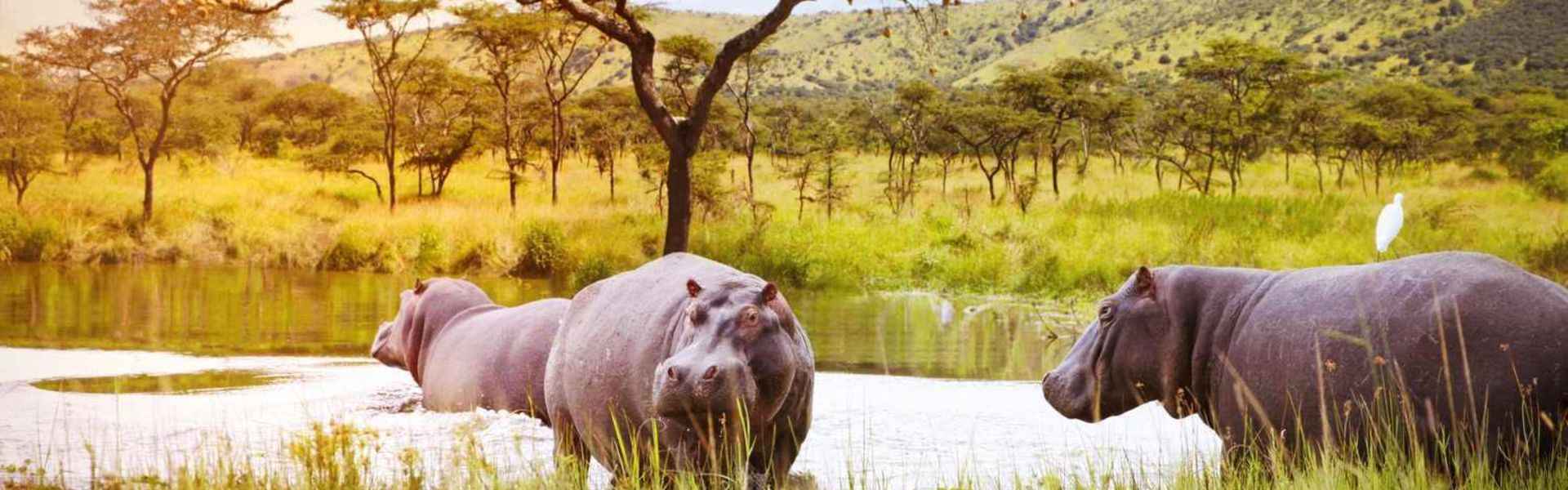
The Ultimate Guide to Kisungule Wildlife Mnagement Area Safaris

A Wildlife Management Area is a designated communal land area set aside by member villages to serve as habitat for wildlife. The concept is rooted in Community-Based Natural Resource Management (CBNRM), aiming to:
- Promote conservation outside core protected areas
- Empower local communities with legal rights to manage and benefit from wildlife
- Enhance rural economic development through tourism and sustainable resource use
Establishment of Kisungule WMA
· Kisungule is one of the 17 officially recognized WMAs in Tanzania, established under the national framework to decentralize wildlife management.
- Policy Foundation: The 1998 Wildlife Policy of Tanzania laid the groundwork for WMAs, emphasizing community involvement in conservation
- Legal Framework: Prior to WMAs, communities lacked legal rights to manage wildlife. The WMA model changed that by granting user rights to villages over wildlife resources on their land
- Pilot Phase: In 2003, Tanzania launched 16 pilot WMAs, including Kisungule, to test the model’s viability for conservation and poverty alleviation
- Community Participation: Kisungule WMA was formed by a coalition of villages that agreed to preserve land for wildlife, enabling them to collectively benefit from tourism and conservation-related enterprises
Role and Impact.
Kisungule WMA plays a vital role in:
- Conservation: Acting as a buffer zone to reduce human-wildlife conflict and protect biodiversity
- Economic Development: Generating income through photographic and hunting tourism, which supports local livelihoods and conservation efforts
- Sustainability: Encouraging long-term stewardship of natural resources by linking economic incentives to conservation outcomes
WHY IT’S CALLED THAT.
· The name Kisungule Wildlife Management Area (WMA) is derived from the local administrative ward of Kisungule, located in the Mtwara-Mikindani District of Tanzania's Mtwara Region. This naming convention is common in Tanzania, where WMAs are often named after prominent geographic or administrative features within or near the area they encompass.
Geographic Identity.
- Local Relevance: Kisungule is a recognized ward, and the WMA likely includes land contributed by villages within or surrounding this ward.
- Community Ownership: Naming the WMA after Kisungule reinforces the idea that the land and its resources are managed by the local communities who live there.
Cultural and Administrative Significance.
- Recognition: Using a familiar name helps in gaining acceptance and pride among local residents, which is crucial for community-based conservation.
- Administrative Clarity: It simplifies governance and coordination, especially when dealing with regional authorities, NGOs, and tourism operators.
LOCATION AND ACCESSIBILITY.
Location and accessibility of Kisungule Wildlife Management Area (WMA) in Tanzania:
Location of Kisungule WMA.
· Kisungule WMA is situated in the Mtwara Region, in southern Tanzania, near the border with Mozambique. It is part of a broader ecological network that includes several protected areas and wildlife corridors.
Key Geographic Details:
- Region: Mtwara
- District: Nanyumbu District
- Coordinates: Approximate latitude 11°S, longitude 39°E
- Neighboring Protected Areas:
- Lukwika-Lumesule Game Reserve (to the east)
- Msanjesi Game Reserve (to the south)
Selous-Niassa Corridor (part of a transboundary conservation initiative between Tanzania and Mozambique)
This location places Kisungule WMA within a critical biodiversity hotspot, supporting species such as elephants, buffaloes, antelopes, and various bird species.
Accessibility of Kisungule WMA
Accessing Kisungule WMA requires some planning due to its remote location, but it's reachable by a combination of road and air travel.
By Road:
- From Mtwara Town: Travel northwest via the Mtwara–Masasi–Nanyumbu road. The journey takes several hours depending on road conditions.
- From Masasi: A shorter route via local roads leads to Nanyumbu District, then onward to Kisungule.
- Road Conditions: Roads may be unpaved or rough, especially in the rainy season (March–May). A 4x4 vehicle is recommended.
By Air:
- Nearest Airport: Mtwara Airport (MYW) – served by domestic flights from Dar es Salaam and other cities.
- Alternative Airport: Lindi Airport, though farther away, may be used depending on travel plans.
- From the airport, travelers must continue by road to reach the WMA.
Local Transport:
- Public Buses: Available from major towns to Nanyumbu, but limited in frequency and comfort.
- Private Hire: Recommended for flexibility and access to remote areas.
- Community Guides: Local tourism initiatives often provide guides and transport for visitors.
Tourism and Community Access.
· Kisungule WMA is managed by local communities under Tanzania’s Wildlife Management Area framework, which promotes conservation and sustainable tourism. Visitors can engage in;
- Wildlife viewing
- Birdwatching
- Cultural tours with local villages
- Walking safaris guided by community scouts
UNIQUE FEATURES.
Kisungule Wildlife Management Area (WMA) stands out for several unique features that make it a vital part of Tanzania’s conservation landscape and a promising destination for eco-tourism:
Unique Features of Kisungule WMA
1. Strategic Location in the Selous-Niassa Corridor.
- Kisungule WMA is part of the Selous-Niassa wildlife corridor, a transboundary conservation zone connecting Tanzania’s Selous Game Reserve with Mozambique’s Niassa Reserve.
- This corridor is crucial for the seasonal migration of elephants, buffaloes, and other large mammals, making Kisungule a key ecological link.
2. Community-Based Conservation Model.
- Kisungule is managed by local communities under Tanzania’s WMA framework, giving them legal rights to manage and benefit from wildlife on their land.
- This model promotes sustainable resource use, reduces human-wildlife conflict, and enhances local livelihoods through tourism and conservation enterprises.
3. Rich Biodiversity.
- The area supports a variety of wildlife including:
- Elephants
- Buffaloes
- Antelopes
- Bird species
- Its proximity to other reserves enhances its ecological diversity and conservation value.
4. Tourism Potential.
- Kisungule has been showcased at events like the Karibu Kusini Tourism Fair, highlighting its potential for:
- Photographic safaris
- Walking tours
- Birdwatching
- Cultural experiences with local communities
5. Support from Conservation Partners.
- Organizations like WWF Tanzania and FZS have supported Kisungule WMA with resources such as vehicles and motorcycles to improve patrols and management capacity.
- These investments help strengthen anti-poaching efforts and improve tourism infrastructure.
ACCOMMODATION.
Accommodation options within or near Kisungule Wildlife Management Area (WMA) are still developing, as the area is relatively remote and focused on community-based conservation. However, here’s what’s currently known:
Accommodation Near Kisungule WMA.
1. igarden Guesthouse
- Location: Kibo Palace Road, Ingira Street, Arusha, Tanzania
- Rating: 4.7 (based on 7 reviews)
- Type: Serviced accommodation
- Features: Comfortable rooms, local hospitality, and proximity to urban amenities
> Note: While igarden Guesthouse is located in Arusha, which is quite far from Kisungule WMA, it may serve travelers transiting through northern Tanzania. Kisungule itself is in the Mtwara Region, in southern Tanzania, so accommodations closer to Masasi, Nanyumbu, or Mtwara town would be more practical for visiting the WMA.
Community-Based Lodging (Expected or Emerging).
Given Kisungule WMA’s community-driven model, visitors may find:
- Eco-campsites managed by local villages
- Homestays offering cultural immersion
- Mobile tented camps for wildlife safaris
These options are often coordinated through local tourism initiatives or conservation NGOs working in the area.
Travel Tip.
If you're planning a visit:
- Consider contacting local WMA offices or conservation partners like WWF Tanzania or TAWA for updated lodging options
- Hiring a local guide can help arrange accommodation and ensure a culturally rich experience
TRANSPORTATION.
Transportation to and within Kisungule Wildlife Management Area (WMA) involves a mix of regional access routes and local mobility solutions, shaped by its remote location in Mtwara Region, southern Tanzania. Here's a detailed breakdown:
Regional Access to Kisungule WMA.
By Road:
- Primary Route: From Mtwara town, travelers can head northwest toward Nanyumbu District, where Kisungule WMA is located.
- Connecting Towns: Roads pass through Masasi and Tunduru, which serve as logistical hubs.
- Vehicle Type: Due to rough terrain and seasonal challenges, a 4x4 vehicle is recommended, especially during the rainy season.
By Air:
- Nearest Airport: Mtwara Airport (MYW), offering domestic flights from Dar es Salaam and other major cities.
- From Airport to WMA: Travelers must continue by road, often requiring private hire or coordination with local guides.
Local Transportation Within the WMA.
· Thanks to support from conservation partners, Kisungule WMA has improved its internal mobility:
- Motorcycles and Vehicles: In 2023, WWF Tanzania, in collaboration with FZS and GOPA, donated 4 vehicles and 15 motorcycles to Kisungule and other WMAs.
These are used for:
- Wildlife patrols
- Human-wildlife conflict mitigation
- Tourism support
- Community outreach
- Community Guides: Local tourism initiatives often provide guided transport for visitors, enhancing safety and cultural immersion.
Travel Tips.
- Plan Ahead: Coordinate with local WMA offices or conservation NGOs for transport arrangements.
- Seasonal Awareness: Roads may be impassable during heavy rains (March–May), so dry-season travel is ideal.
- Local Support: Hiring community guides not only improves navigation but also supports local livelihoods.livelihoods
TOURISM EXPERIENCE AND ACTIVITIES.
· Tourism experience and activities available at Kisungule Wildlife Management Area (WMA)—without using a graph:
Tourism Experience at Kisungule WMA
· Kisungule WMA is a community-managed conservation area located in southern Tanzania, forming part of the vital Selous–Niassa wildlife corridor. It offers a rich and authentic safari experience that blends wildlife, nature, and local culture.
Wildlife and Nature.
- Kisungule is home to iconic African wildlife such as elephants, buffaloes, antelopes, and various bird species.
- The landscape includes miombo woodlands, open savannahs, and riverine ecosystems, making it ideal for nature lovers and photographers.
- Wildlife viewing is best done during the dry season when animals congregate around water sources.
Guided Walking Safaris.
- One of the highlights is the opportunity to explore the bush on foot with trained local guides.
- These safaris offer a more intimate and educational experience, focusing on animal tracks, plants, and ecological relationships.
Birdwatching.
- Kisungule is a haven for bird enthusiasts, with a wide variety of species inhabiting its diverse habitats.
- Early morning and late afternoon walks are perfect for spotting colorful and rare birds.
Cultural Tourism.
- Visitors can engage with nearby communities to learn about traditional lifestyles, local crafts, and conservation practices.
- Activities may include village tours, storytelling, traditional dances, and sampling local cuisine.
Conservation Education.
- Kisungule WMA promotes awareness about wildlife conservation and sustainable tourism.
- Tourists can learn how community-based conservation works and how tourism revenue supports local development.
Why Visit Kisungule?.
- It offers a low-impact, eco-friendly safari experience.
- Tourism directly benefits local communities, creating jobs and funding conservation.
- It’s part of a broader effort to promote Southern Tanzania as a tourism destination, with support from events like the Karibu Kusini Tourism Fair.
BENEFITS OF LOCAL COMMUNITY.
· Local communities around Kisungule Wildlife Management Area (WMA) benefit in several meaningful ways, thanks to Tanzania’s community-based conservation model. Here's a breakdown of the key benefits:
Economic Benefits.
- Tourism Revenue Sharing: Communities receive a portion of income generated from tourism activities such as guided safaris, lodging, and wildlife viewing.
- Employment Opportunities: Locals are hired as rangers, guides, hospitality staff, and in administrative roles within the WMA.
- Enterprise Development: Community members can start small businesses—craft shops, food stalls, cultural tours—that cater to tourists.
Infrastructure and Services.
- Improved Infrastructure: Revenue from the WMA helps fund roads, schools, health clinics, and water systems in member villages.
- Social Services: Some WMAs, including Kisungule, are working toward providing better education and healthcare through conservation-linked funding.
Environmental Stewardship.
- Legal Rights to Wildlife Resources: Communities have formal rights to manage and benefit from wildlife on their land.
- Incentives for Conservation: Because locals profit from sustainable tourism, they are more motivated to protect wildlife and habitats from poaching and degradation.
Community Empowerment.
- Local Governance: Villages elect leaders to manage the WMA through a Community-Based Organization (CBO), giving them a voice in decision-making.
- Training and Capacity Building: NGOs and government partners provide training in conservation, hospitality, and governance to strengthen community skills.
Long-Term Sustainability.
- Kisungule WMA is part of a broader initiative to make wildlife corridors like the Selous–Niassa region ecologically viable and economically beneficial.
- Projects supported by organizations like the Honeyguide Foundation aim to build sustainable nature-based enterprises and improve governance.
CHALLENGES,SOLUTIONS AND OPPORTUNITIES.
Challenges, solutions, and opportunities at Kisungule Wildlife Management Area (WMA), based on current insights and regional context:
Challenges.
1. Limited Financial Sustainability
- Kisungule WMA, like many others, struggles to generate consistent revenue from tourism and conservation-related activities.
- Heavy reliance on tourism makes it vulnerable to global disruptions like pandemics.
2. Governance and Management Gaps.
- Weak institutional capacity and lack of professional management hinder effective decision-making and resource allocation.
- Inconsistent leadership and limited transparency can reduce community trust and engagement.
3. Human-Wildlife Conflict.
- Communities face crop damage and threats to livestock from roaming wildlife, which can lead to resentment toward conservation efforts.
4. Low Tourism Visibility.
- Kisungule is relatively unknown compared to major parks, limiting tourist inflow and investment.
Solutions.
1. Professional Management and Governance.
- Projects like the EU-funded initiative with Honeyguide Foundation aim to introduce better governance practices and build local capacity.
- Regular elections and transparent communication between WMAs and stakeholders are being promoted.
2. Diversification of Revenue Streams.
- Encouraging nature-based enterprises such as beekeeping, cultural tourism, and eco-lodges to reduce dependence on traditional tourism.
- Exploring partnerships with private investors and NGOs to support infrastructure and marketing.
3. Community Engagement and Education.
- Training locals in conservation, tourism, and hospitality to boost employment and stewardship.
- Promoting environmental education to reduce human-wildlife conflict and foster coexistence.
4. Strategic Marketing.
- Participation in regional tourism fairs like Karibu Kusini helps raise awareness and attract tourists and investors.
Opportunities.
1. Ecotourism Development.
- Kisungule’s location within the Selous–Niassa Corridor offers unique wildlife experiences, especially for walking safaris and birdwatching.
- Potential to develop low-impact, high-value tourism that benefits both conservation and communities.
2. Cross-Border Conservation.
- Being part of the trans-frontier conservation area between Tanzania and Mozambique opens doors for regional collaboration and funding.
3. Youth and Women Empowerment.
- Tourism and conservation projects can be tailored to include women and youth, promoting inclusive development.
4. Technology and Innovation.
- Introducing smart systems for wildlife monitoring, patrols, and data collection can improve efficiency and transparency.
CONCLUSION
· Kisungule Wildlife Management Area stands as a promising example of community-based conservation in Tanzania. Despite facing challenges such as limited financial sustainability, weak governance structures, and low tourism visibility, Kisungule embodies the core vision of WMAs: to conserve wildlife outside traditional protected areas while empowering local communities economically and socially.
· The area’s rich biodiversity, strategic location within the Selous–Niassa Corridor, and growing interest in ecotourism present significant opportunities for development. With targeted support in governance, marketing, and enterprise development, Kisungule can evolve into a thriving conservation and tourism hub.
· Ultimately, the success of Kisungule WMA depends on a resilient funding model, inclusive community participation, and diversified nature-based enterprises. By addressing its current limitations and capitalizing on its strengths, Kisungule can deliver lasting benefits to both wildlife and the communities that steward it.