
The Ultimate Guide to Mwambesi Safaris

Mwambesi Game Controlled Area (GCA) is a designated wildlife conservation zone located in Tanzania. It was established to protect the region’s rich biodiversity while allowing regulated human activities such as controlled hunting and eco-tourism. Game Controlled Areas are part of Tanzania’s broader strategy to conserve wildlife outside of fully protected zones like national parks and game reserves.
Mwambesi GCA is particularly significant due to its location within the greater Selous-Niassa ecosystem, which serves as a vital wildlife corridor for migratory species and supports a wide range of flora and fauna.
ESTABLISHMENT.
Legal Foundation: Mwambesi GCA was officially designated through the Wildlife Conservation (Game Controlled Areas) Order under Government Notice No. 269 of 1974, issued in accordance with the Wildlife Conservation Act.
Designation Year: 1974
Purpose: To conserve wildlife habitats while permitting regulated activities such as hunting, tourism, and limited resource use.
Managing Authority: The area is managed by the Tanzania Wildlife Authority (TAWA), which oversees enforcement of conservation laws and sustainable use of resources.
Conservation Role.
Mwambesi GCA contributes to;
i. Wildlife protection: Safeguarding species from overexploitation and habitat destruction.
ii. Ecological connectivity: Acting as a corridor between larger protected areas, especially within the Selous-Niassa ecosystem.
iii. Sustainable development: Supporting eco-tourism and regulated hunting as part of Tanzania’s conservation economy.
NB:
The area has also benefited from international conservation initiatives, including funding from the Global Environment Facility and implementation support from the United Nations Development Programme and the Ministry of Natural Resources and Tourism
LOCATION AND ACCESSIBILITY.
location and accessibility of the Mwambesi Game Controlled Area;
Mwambesi Game Controlled Area is located in Ruvuma Region, in southern Tanzania. This region borders Mozambique and is part of the greater Selous-Niassa ecosystem, which is one of the most ecologically significant transboundary conservation areas in East Africa.
a) The area spans approximately 1,000 square kilometers.
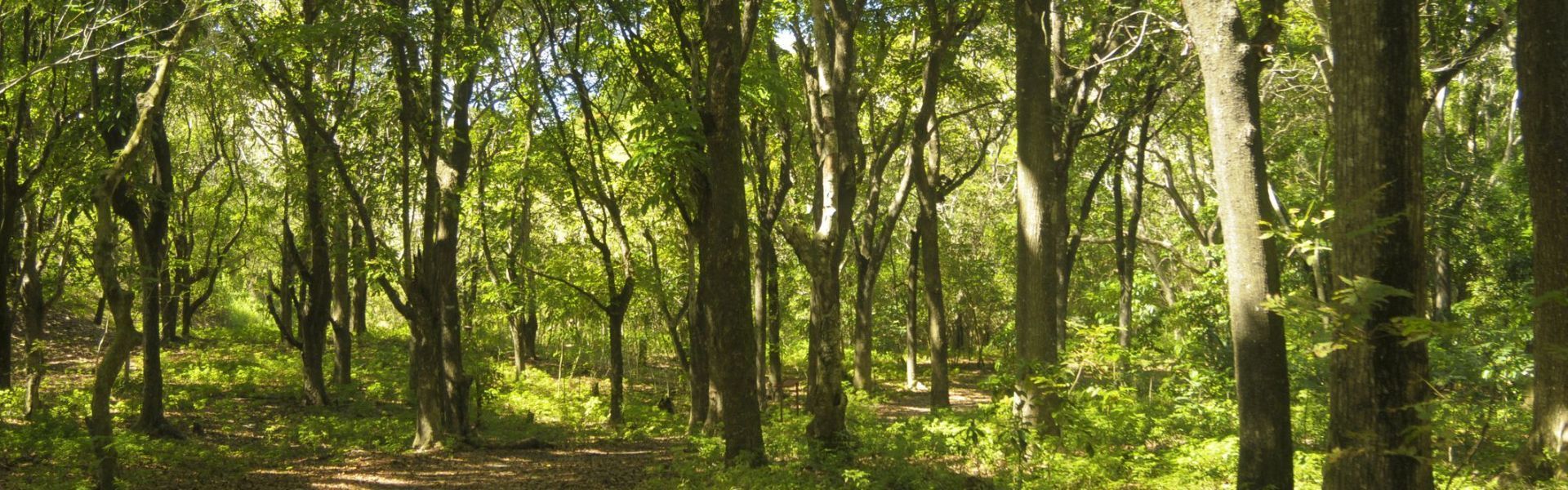
b) It lies within a landscape of miombo woodlands, riverine forests, and savannahs, offering rich biodiversity and important wildlife corridors.
c) Mwambesi is situated near other protected areas, contributing to a network of conservation zones that support migratory species and ecological connectivity.
Accessibility
Access to Mwambesi Game Controlled Area is relatively limited compared to more developed tourist destinations, but it is reachable via several routes:
By Road: The area can be accessed from Songea, the regional capital of Ruvuma, which is connected by road to other major towns like Mbinga and Tunduru. From Songea, local roads lead toward the boundaries of the GCA.
By Air: The nearest airstrip is located in Songea, which receives small aircraft flights from Dar es Salaam and other regional hubs. Charter flights may be arranged for direct access to nearby conservation areas.
Seasonal Access: During the rainy season, some roads may become impassable due to flooding or poor conditions, so dry season travel is recommended for easier access.
Mwambesi’s remote location makes it ideal for conservation and low-impact tourism, but it also means that infrastructure is minimal. This helps preserve the natural environment but requires careful planning for visits or research activities.
UNIQUE FEATURES.
Mwambesi Game Controlled Area is located in Ruvuma Region, in southern Tanzania. This region borders Mozambique and is part of the greater Selous-Niassa ecosystem, which is one of the most ecologically significant transboundary conservation areas in East Africa.
i. The area spans approximately 1,000 square kilometers.
ii. It lies within a landscape of miombo woodlands, riverine forests, and savannahs, offering rich biodiversity and important wildlife corridors.
iii. Mwambesi is situated near other protected areas, contributing to a network of conservation zones that support migratory species and ecological connectivity.
TRANSPORTATION.
Transportation and accessibility of the Mwambesi Game Controlled Area in Tanzania:
Mwambesi Game Controlled Area is located in the Ruvuma Region of southern Tanzania, along the eastern banks of the Mtwara River. Its remote and wild nature makes it a rewarding destination for adventurous travelers, but it also means that transportation requires careful planning.
By Road.
a) The area is only accessible by four-wheel drive vehicles, due to rough terrain and undeveloped roads.
b) Visitors typically travel from Songea, the regional capital, which is connected by road to other towns like Mbinga and Tunduru.
c) Roads leading into the reserve can be challenging, especially during the rainy season, when they may become muddy or flooded.
By Air.
a) The nearest airstrip is located in Songea, which receives small aircraft flights from Dar es Salaam and other regional hubs.
b) From Songea, travelers must continue by road to reach the reserve.
Seasonal Considerations.
a) Dry season (June to October) is the best time to visit, as roads are more passable and wildlife viewing is optimal.
b) During the wet season, access may be restricted due to poor road conditions, and travel requires extra caution.
On-Site Mobility.
Once inside the reserve;
a) Guided game drives are conducted using 4x4 safari vehicles.
b) Walking safaris are available in designated areas, led by experienced guides.
c) Fishing and hunting excursions require advance booking and are subject to strict regulations.
Mwambesi’s transportation challenges are part of its charm—it offers a truly off-the-grid experience for those seeking raw wilderness and solitude.
ACCOMMODATION.
Mwambesi Game Controlled Area is a remote and wild conservation zone in Tanzania’s Ruvuma Region. Due to its untouched nature and limited infrastructure, accommodation is rustic and adventure-oriented, catering mostly to eco-tourists, researchers, and safari enthusiasts.
Camping Facilities.
i. Camping is the primary form of accommodation within the reserve.
ii. Visitors can set up tents in designated camping areas, often near the Mtwara River or scenic spots within the reserve.
iii. Campsites offer basic amenities such as fire pits, latrines, and water access, but guests are expected to bring their own gear and supplies.
iv. Camping under the stars allows for an immersive experience in the wilderness, with the sounds of nature surrounding you.
Mobile Safari Camps.
i. Some tour operators offer mobile safari camps, which are temporary setups used during guided expeditions.
ii. These camps include canvas tents, portable kitchens, and minimal furnishings, providing comfort while maintaining a low environmental footprint.
iii. Meals are typically prepared on-site, and guides ensure safety and logistics.
Nearby Lodges and Guesthouses.
i. For travelers who prefer more structured accommodation, lodges and guesthouses are available in nearby towns such as Songea or Tunduru.
ii. These offer basic rooms, meals, and access to local transport, and serve as staging points before entering the reserve.
Cultural Homestays.
i. In villages surrounding the reserve, visitors may arrange homestays with local families.
ii. This offers a unique opportunity to experience local culture, cuisine, and traditions while supporting community-based tourism.
Mwambesi’s accommodation reflects its wild and secluded character. It’s best suited for travelers seeking an authentic, off-the-grid safari experience. Visitors are advised to plan ahead, travel with experienced guides, and bring essential supplies for comfort and safety.
TOURISM EXPERIENCE AND ACTIVITIES.
Mwambesi offers a truly immersive wilderness experience for nature lovers, adventure seekers, and eco-tourists. Located in the remote Ruvuma Region of southern Tanzania, it is part of the larger Selous-Mikumi ecosystem and is known for its rich biodiversity, scenic landscapes, and cultural heritage. The tourism experience here is raw, authentic, and deeply connected to nature.
Activities Available.
Game Drives.
i. Guided game drives are the most popular activity, offering close encounters with wildlife such as elephants, lions, leopards, hyenas, giraffes, and zebras.
ii. Experienced guides lead these safaris, ensuring safety and enhancing the experience with insights into animal behavior and ecology.
Guided Nature Walks.
i. Visitors can explore the reserve on foot through guided walks, which allow for a deeper appreciation of the flora, fauna, and terrain.
ii. These walks are ideal for spotting smaller wildlife and learning about medicinal plants and local ecosystems.
Birdwatching.
i. With over 350 bird species, Mwambesi is a haven for bird enthusiasts.
ii. Species include the African fish eagle, lilac-breasted roller, secretary bird, and yellow-billed stork.
Fishing.
i. The Mtwara River offers opportunities for fishing, with species like catfish, tilapia, and yellowfish.
ii. Visitors often enjoy cooking their catch over an open fire at their campsite, adding a rustic charm to the experience.
Controlled Hunting.
i. Mwambesi allows regulated trophy hunting under Tanzania’s wildlife conservation strategy.
ii. Hunting is strictly controlled by quotas and permits issued by the Tanzania Wildlife Authority (TAWA), and must be booked in advance.
iii. Popular species include buffalo, kudu, sable antelope, and even big cats like lions and leopards.
Cultural Interaction.
i. The reserve is surrounded by local villages, offering opportunities for cultural exchange.
ii. Visitors can learn about traditional lifestyles, local crafts, and indigenous knowledge systems.
Camping.
i. Overnight camping is available in designated areas, allowing visitors to sleep under the stars and experience the sounds of the African wilderness.
ii. Campsites are basic but offer a unique connection to nature.
Mwambesi Game Controlled Area is ideal for travelers seeking solitude, adventure, and a deep connection with Tanzania’s natural and cultural heritage. It’s not a luxury destination—but that’s exactly what makes it special.
BENEFITS OF LOCAL COMMUNITY.
Mwambesi Game Controlled Area benefit in several meaningful ways—economically, socially, and environmentally—thanks to Tanzania’s progressive wildlife policies and community-based conservation strategies.
Benefits to Local Communities.
Economic Opportunities.
a) Employment: Locals are hired as game scouts, guides, camp staff, and service providers for tourism and hunting operations.
b) Tourism Revenue: Communities earn income from eco-tourism activities such as guided walks, cultural tours, and campsite fees.
c) Trophy Hunting Fees: Regulated hunting generates significant revenue, a portion of which is shared with village governments.
Community Development Projects.
Revenue from wildlife and tourism is often reinvested in;
a) Schools and educational materials
b) Health clinics and clean water projects
c) Road improvements and infrastructure
d) These projects improve quality of life and foster goodwill toward conservation efforts.
Wildlife Management Rights.
a) Under Tanzania’s Wildlife Policy, communities can establish Wildlife Management Areas (WMAs) on village land.
b) This gives them legal rights to manage and benefit from wildlife resources, including setting quotas and enforcing conservation rules.
Cultural Preservation.
a) Tourism encourages the sharing of local traditions, crafts, and stories, helping preserve indigenous knowledge and identity.
b) Cultural tourism also provides a platform for women and youth to participate economically.
Environmental Stewardship.
i. Communities are incentivized to protect wildlife corridors, buffer zones, and habitats.
ii. This reduces illegal hunting and promotes sustainable land use practices.
Education and Awareness.
i. Conservation programs often include training and workshops on wildlife protection, sustainable agriculture, and eco-tourism.
ii. These initiatives build capacity and foster a conservation ethic among younger generations.
Balancing Conservation and Livelihoods.
While the benefits are substantial, challenges like crop raiding by wildlife and limited access to land still affect some households. However, the overall approach especially through WMAs aims to offset the costs of conservation with tangible benefits for local people
CHALLENGES, SOLUTIONS AND OPPORTUNITIES .
Mwambesi Game Controlled Area faces several conservation and management challenges, many of which are common across Tanzania’s protected landscapes;
i. Human-Wildlife Conflict: Local communities sometimes suffer crop damage or livestock loss due to roaming wildlife, leading to tension and retaliatory actions.
ii. Habitat Degradation: Encroachment for agriculture, charcoal production, and settlement expansion threatens the integrity of wildlife corridors and habitats.
iii. Illegal Activities: Poaching, unregulated fishing, and unauthorized grazing undermine conservation efforts.
iv. Limited Infrastructure: Poor road access, minimal tourism facilities, and lack of communication networks hinder tourism development and monitoring.
v. Low Awareness and Participation: Some communities lack understanding of the long-term benefits of conservation, reducing their engagement in stewardship.
vi. Climate Change: Altered rainfall patterns and increased droughts affect water availability and ecosystem health.
Solutions
Efforts to address these challenges are underway through national and regional initiatives.
i. Wildlife Corridor Action Plan: Tanzania has developed a national strategy to assess, prioritize, and secure wildlife corridors, including those linked to Mwambesi.
ii. Community-Based Conservation: Empowering local communities through Wildlife Management Areas (WMAs) gives them rights to manage and benefit from wildlife, increasing support for conservation.
iii. Education and Outreach: Programs aimed at raising awareness about conservation benefits and sustainable practices are being implemented.
iv. Regulated Hunting and Tourism: Controlled trophy hunting and eco-tourism generate revenue while maintaining ecological balance.
v. International Support: Projects like the Selous-Niassa Wildlife Corridor initiative, funded by the Global Environment Facility and implemented by UNDP and the Tanzanian government, support infrastructure, monitoring, and community engagement.
Opportunities.
Mwambesi Game Controlled Area holds significant potential for sustainable development and conservation:
· Eco-Tourism Expansion: With investment in infrastructure and marketing, Mwambesi could ttract more nature-based tourism, including birdwatching, camping, and photographic safaris.
· Cultural Tourism: Local communities can offer homestays, traditional performances, and craft markets, enriching visitor experiences and generating income.
· Research and Education: The area’s biodiversity and ecological role make it ideal for scientific research, student fieldwork, and conservation training.
· Wildlife Farming and Game Meat Enterprises: Regulated wildlife farming and meat sales can provide alternative livelihoods and reduce pressure on wild populations.
· Public-Private Partnerships: Investors can collaborate with the Tanzania Wildlife Authority (TAWA) to develop lodges, campsites, and conservation programs under favorable policies.
Mwambesi’s challenges are real, but with coordinated efforts and community involvement, it can become a model for sustainable conservation and rural development.
CONCLUSION.
Mwambesi Game Controlled Area, drawing from its ecological, social, and economic significance;
Mwambesi Game Controlled Area stands as a vital component of Tanzania’s conservation landscape. Nestled in the remote Ruvuma Region and forming part of the broader Selous-Mikumi ecosystem, it offers a unique blend of biodiversity, scenic beauty, and cultural richness. Its designation in 1974 under the Wildlife Conservation Act marked a commitment to preserving wildlife while allowing regulated human activity such as eco-tourism and controlled hunting.
Despite challenges like habitat degradation, human-wildlife conflict, and limited infrastructure, Mwambesi presents immense opportunities. Through community-based conservation, sustainable tourism, and international support such as the Selous-Niassa Wildlife Corridor project funded by the Global Environment Facility it continues to evolve as a model for balancing ecological integrity with local development.
For adventurous travelers, researchers, and conservationists, Mwambesi offers an authentic experience of Tanzania’s wild heart. Its future depends on continued collaboration between government agencies, local communities, and global partners to ensure that its natural and cultural treasures are protected for generations to come.