
The Ultimate Guide to Selous Safaris

The Selous ecosystem stands as one of Africa's last truly wild frontiers, a vast and untamed wilderness that whispers tales of ancient ecosystems and enduring wildlife spectacles. Its grandeur and the profound sense of solitude it offers immediately distinguish it from more frequented safari destinations, beckoning those who seek a deeper connection with nature. This immense landscape, stretching across southeastern Tanzania, is not merely a protected area; it is a global treasure, recognized for its unparalleled ecological significance.
At its heart, the Selous Game Reserve, originally spanning approximately 50,000 square kilometers, holds the distinction of being the fourth largest protected area on the African continent. Its immense scale alone underscores its critical role in preserving biodiversity. The international community formally acknowledged its outstanding universal value in 1982, when it was inscribed as a UNESCO World Heritage Site. This recognition highlights its exceptional biodiversity and relatively undisturbed nature, cementing its status as a cornerstone of global conservation efforts.
A pivotal development in the ongoing narrative of this wilderness occurred in 2019 with the strategic re-designation of its northern part into Nyerere National Park. This administrative shift marks a new era for conservation and tourism within the ecosystem. While the name has changed for a significant portion, the spirit and ecological integrity of the broader Selous ecosystem remain paramount, signaling a proactive commitment to its future. The immediate clarification of this re-designation is crucial for understanding the dynamic evolution of this protected area. It underscores that the narrative of Selous is not static but rather a living, evolving story of adaptation and strategic management, central to its long context.
Geographical Tapestry: Location and Landscape
The Selous ecosystem is strategically located in southeastern Tanzania, a region characterized by its vastness and relative remoteness. This geographical isolation is a defining characteristic, contributing significantly to its untouched wilderness character and ensuring a low density of human presence, including tourists. Its expansive nature means that visitors experience a true sense of being immersed in an untamed environment, far from the bustling crowds found in more accessible parks.
The sheer scale of this protected area is difficult to overstate, encompassing approximately 50,000 square kilometers. This makes it the fourth largest protected area in Africa, a size that is not merely impressive but ecologically vital. Such vastness allows for the free movement of large migratory populations and supports an incredible diversity of life, ensuring that ecological processes can unfold naturally across immense landscapes. Within this immense expanse, the landscape is a rich tapestry of varied ecosystems. Sprawling miombo woodlands, which constitute Africa's largest intact miombo ecosystem, dominate much of the reserve. These are interspersed with expansive open grasslands, seasonal swamps, and dense riverine forests, each habitat supporting a unique assemblage of flora and fauna and offering distinct viewing experiences.
Central to the entire Selous ecosystem, and indeed its very lifeblood, is the mighty Rufiji River system. This impressive waterway, Tanzania's largest, carves its way through the reserve, creating a complex and dynamic network of channels, oxbow lakes, and lagoons. The river's profound ecological significance cannot be overstated; it provides permanent water, crucial food sources, and vital breeding grounds for countless species. During the dry season, the Rufiji acts as a powerful magnet, concentrating vast numbers of wildlife along its banks, creating spectacular viewing opportunities. The river is not merely a geographical feature; it is the primary ecological engine and the defining experiential element of the reserve. Its presence directly enables unique safari modalities, such as boat safaris, and concentrates wildlife, fundamentally shaping both the park's biodiversity and the visitor experience. This intrinsic connection between the river and the unique offerings of Selous underscores why it is a truly exceptional destination.
A Storied Past.
The history of the Selous ecosystem is as rich and complex as its landscapes, reflecting a profound evolution in conservation philosophy. Its origins trace back to 1896, when it was named after Frederick Courteney Selous, a renowned British big game hunter, explorer, and, notably, an early advocate for conservation. This dual identity of hunter and conservationist sets the historical context for a region where resource utilization gradually transitioned towards regulated protection. The early establishment of the area as a game reserve, a classification that historically permitted controlled hunting, illustrates an initial approach to wildlife management that differed significantly from modern national park designations.
A pivotal moment in its history arrived in 1982 with its inscription as a UNESCO World Heritage Site. This global recognition underscored its "outstanding universal value" due to its vast, relatively undisturbed wilderness and significant wildlife populations. However, this period of international acclaim was tragically followed by a profound crisis. Between 2009 and 2014, Selous experienced a devastating surge in elephant poaching, leading to a catastrophic 90% decline in its elephant population. This alarming rate of loss prompted UNESCO to place Selous on its "in danger" list in 2014, a stark warning highlighting the severe threat to its ecological integrity and its global heritage status.
In response to this dire situation and the urgent need for enhanced conservation, a significant re-designation occurred in 2019: the northern part of Selous was officially established as Nyerere National Park. This strategic move was partly aimed at boosting tourism in this more accessible section, with its management transferred to the Tanzania National Parks Authority (TANAPA), an entity known for its strong tourism development focus. The remaining southern portion continues to operate as Selous Game Reserve, managed by the Tanzania Wildlife Management Authority (TAWA). This re-designation represents a strategic, adaptive response to a severe conservation crisis and an evolving approach to sustainable funding through tourism. The sequence of events—from the poaching crisis and "in danger" listing to the re-designation and subsequent removal from the "in danger" list in 2021—demonstrates a proactive and responsive management approach, leveraging tourism as a vital tool for conservation.
The history of Selous is also marked by complex challenges and triumphs. While the devastating impact of poaching on its elephant herds remains a somber chapter, the removal from the "in danger" list in 2021 due to "significant efforts to combat poaching" stands as a powerful testament to successful intervention and renewed commitment. This turnaround highlights the effectiveness of concerted, multi-stakeholder conservation efforts. Furthermore, the nuanced issue of controlled hunting has been part of Selous's long context; Tanzania lifted a hunting ban in parts of Selous in 2018. This decision, while sometimes controversial, reflects a pragmatic, multi-faceted approach to conservation and revenue generation in such a vast African wilderness. The continued allowance of hunting in certain zones, alongside the development of photographic tourism in others, reveals the complex balance between conservation goals, local economic needs, and traditional land use. This dual strategy, managed by different authorities, aims to ensure the financial sustainability and effective management of this immense and vital protected area.
Biodiversity Hotspot: Wildlife and Ecosystems.
The Selous ecosystem is unequivocally a biodiversity hotspot, a stronghold for an extraordinary array of African wildlife. It is home to historically significant elephant populations, which, after facing a severe poaching crisis, are now thankfully showing encouraging signs of recovery. The reserve also boasts immense numbers of buffalo, and notably, the highest concentrations of hippos and crocodiles in Africa, thriving within the life-giving Rufiji River system. For many wildlife enthusiasts, the true jewel in Selous's crown is the critically endangered African Wild Dog, also known as the Painted Wolf. Selous is a vital sanctuary for this elusive species, harboring one of the largest and most important remaining populations globally, making it a pilgrimage site for those hoping to witness these highly social and intelligent predators. Beyond these iconic species, the reserve supports a healthy population of other major predators, including lions, leopards, and cheetahs, alongside a rich diversity of plains game such as giraffes and zebras. Its varied habitats also sustain over 400 species of birds, contributing to a vibrant avian spectacle.
The profound ecological value of Selous, and its "outstanding universal value" as recognized by UNESCO, is fundamentally rooted in the intactness and vast scale of its diverse ecosystems. The extensive miombo woodlands, which form Africa's largest intact miombo ecosystem, provide crucial habitat for a wide range of species, particularly those requiring vast, undisturbed territories. These woodlands are interspersed with sprawling open grasslands that support large herds of grazers, seasonal swamps that attract unique birdlife, and lush riverine forests that provide shelter and food along the waterways. This mosaic of habitats ensures that natural ecological processes can unfold largely unimpeded, supporting viable populations of species that are highly vulnerable to habitat fragmentation elsewhere. The Rufiji River further enhances this ecological richness, acting as a crucial anchor that concentrates wildlife, especially during the dry season, creating vibrant areas of activity that are particularly rewarding for visitors.
The seasonal dynamics of Selous also play a significant role in animal behavior and viewing opportunities. The distinct wet and dry seasons profoundly influence wildlife distribution and movements. During the dry season, as ephemeral water sources diminish, animals congregate more densely around permanent water bodies like the Rufiji River, leading to spectacular concentrations of wildlife along its banks. This natural phenomenon provides exceptional opportunities for observation, allowing visitors to witness the intricate interactions within the ecosystem. The ability of this ecosystem to support such a wide array of species across vast, interconnected habitats underscores its critical importance as a global biodiversity stronghold.
Unforgettable Encounters: Unique Safari Experiences.
· The Selous ecosystem offers a safari experience unlike any other in Africa, defined by its raw, untamed nature and a focus on immersive, intimate encounters. This distinctiveness is a direct consequence of its geographical features and a deliberate management philosophy that prioritizes low-impact, high-value tourism. The less accessible nature of the reserve means fewer tourists and a profoundly remote and wilder feel compared to more crowded safari destinations, translating into an authentic and untamed wilderness experience.
The range of activities available is tailored to this unique environment:
Boat Safaris on the Rufiji River.
· The quintessential and "especially unique" Selous experience is undoubtedly the boat safari. Navigating the intricate network of channels, lakes, and lagoons created by the Rufiji River offers an unparalleled perspective on the wilderness. From the water, visitors can enjoy incredibly close encounters with vast numbers of hippos and crocodiles, often observing them in their natural aquatic environment. This unique vantage point also provides exceptional opportunities to witness land mammals, including elephants and buffalo, as they come to the riverbanks to drink and bathe, offering superb photographic moments. The serene beauty of sunsets over the water, painting the sky in fiery hues, adds an unforgettable dimension to these excursions.
Walking Safaris.
For those seeking a deeper connection with the African bush, walking safaris offer a truly immersive and intimate experience. Led by highly trained, armed professional guides, these safaris focus on engaging all senses. Participants learn to track wildlife, identify spoor, and discover the intricate details of the ecosystem often overlooked from a vehicle, such as the diverse flora, fascinating insects, and subtle behaviors of smaller creatures. The thrill of being on foot in big game country, feeling the earth beneath one's feet and listening to the unfiltered sounds of the wild, evokes a profound sense of connection and heightened awareness.
Fly Camping and Remote Wilderness Experiences.
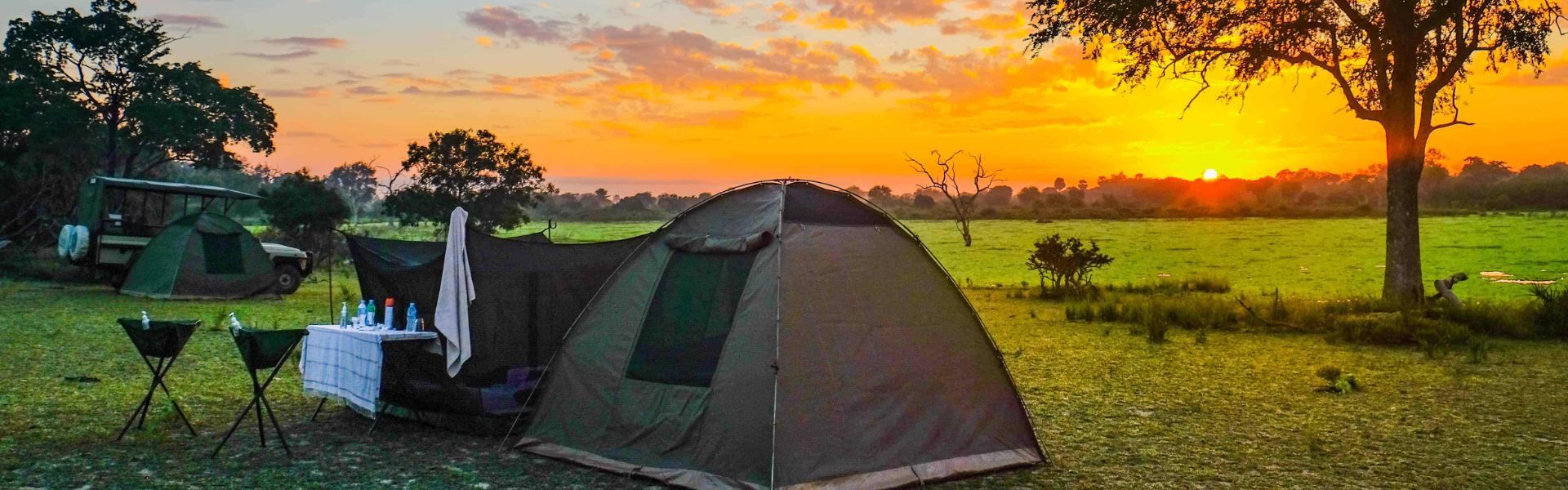
· Fly camping represents the ultimate deep wilderness immersion. This involves spending a night or more in a basic, temporary camp set up in the most remote and untouched parts of the reserve, often under a canopy of a million stars. It offers a profound sense of solitude and an unfiltered connection with nature, allowing visitors to listen to the raw sounds of the African night – the distant roar of a lion, the hoot of an owl, or the splash of a hippo. This experience is truly raw, authentic, and untamed, appealing to those who desire to be completely alone in the wild.
Photographic Safaris.
· While not a distinct activity type, the unique combination of boat, walking, and traditional vehicle safaris in Selous creates exceptional and varied photographic opportunities. The diverse landscapes, from riverine forests to open grasslands, coupled with the abundance of wildlife, provide a rich canvas for capturing stunning images. The low tourist density means less competition for prime viewing spots, allowing photographers ample time and space to compose their shots and truly capture the essence of this wild landscape and its inhabitants.
Fishing Opportunities.
· For enthusiasts, the Rufiji River also presents a unique opportunity for catch-and-release fishing, particularly for species like the formidable tigerfish. This adds another specialized dimension to the Selous experience, appealing to anglers seeking adventure in a pristine wilderness setting.
· The "unique experiences" of Selous are not merely a collection of activities; they are a direct consequence of the reserve's intrinsic geographical features, particularly the Rufiji River and its immense size, and a deliberate management philosophy that prioritizes low-impact, high-value tourism. This approach has cultivated a distinct market niche for discerning travelers seeking authenticity and deep immersion. The emphasis on fewer tourists and an authentic, raw, untamed wilderness is a deliberate policy choice that shapes the entire visitor experience, distinguishing Selous as a premium destination for those seeking a profound connection with nature rather than a checklist safari.
Conservation Imperative: Protecting Selous' Future's.
i. The Selous ecosystem, despite its triumphs, continues to face significant conservation challenges. Historically, the most devastating threat has been poaching, particularly the relentless assault on its elephant population, which witnessed a catastrophic 90% decline between 2009 and 2014. While immense progress has been made, the threat of illegal wildlife trade remains a persistent concern, necessitating continuous vigilance and substantial resources. Beyond poaching, other challenges inherent in managing such a vast wilderness include habitat loss due to human encroachment around its boundaries and the complexities of human-wildlife conflict as populations expand.
ii. However, Selous's recent history is also a powerful narrative of resilience and successful conservation initiatives. A monumental achievement was its removal from the UNESCO "in danger" list in 2021. This positive turnaround was a direct result of "significant efforts to combat poaching", showcasing the efficacy of concerted, multi-stakeholder interventions. This success was driven by enhanced anti-poaching patrols, intelligence-led operations, robust community engagement programs, and crucial international support. The journey from the brink of ecological collapse to this recovery serves as a compelling case study, demonstrating that even immense challenges like rampant poaching can be overcome with strategic intervention and unwavering commitment. It offers a blueprint and hope for other threatened wilderness areas globally.
iii. A key strategic initiative in this conservation success story was the re-designation of the northern part of Selous into Nyerere National Park in 2019. This move, placing the park under the management of TANAPA, was explicitly aimed at boosting photographic tourism. The rationale behind this administrative shift is crucial: increased tourism revenue directly funds vital conservation efforts, including anti-poaching units, wildlife monitoring, habitat management, and community development programs. This dual management structure, with TANAPA focusing on photographic tourism in Nyerere National Park and TAWA managing the remaining Selous Game Reserve (which may include controlled hunting in certain zones), represents a pragmatic, multi-pronged strategy. This approach is designed to ensure the financial sustainability and effective management of such a vast and complex protected area. It acknowledges that different parts of a large ecosystem may require varied management and funding models to ensure overall sustainability, moving beyond a simplistic view of conservation to address real-world challenges.
iv. The role of sustainable tourism in supporting Selous's future cannot be overstated. The low-impact, high-value tourism model prevalent in the ecosystem is vital for its long-term survival. By visiting responsibly, travelers directly contribute to the financial mechanisms that fund the protection of this wilderness. This creates a symbiotic relationship where the economic value of a thriving, intact ecosystem outweighs the perceived benefits of illegal activities. Responsible tourism practices, such as choosing reputable operators and adhering to park regulations, are essential, transforming visitors into active participants in the ongoing preservation of this magnificent natural heritage.
Conclusion: Experience and Preserve
i. The Selous ecosystem stands as an unparalleled testament to the enduring power and beauty of African wilderness. Its immense scale, defined by the life-giving Rufiji River, underpins its extraordinary biodiversity, making it a critical stronghold for iconic species like the African Wild Dog and its recovering elephant population. The authentic, untamed safari experiences it offers, from intimate walking safaris to signature boat excursions and deep wilderness fly camping, provide a profound connection to nature that is increasingly rare in our modern world.
ii. Selous's journey, from its historical roots as a hunting ground to its recent triumph over a severe poaching crisis and its removal from the "in danger" list, showcases remarkable resilience and the tangible impact of dedicated conservation efforts. This evolution underscores its significance not just as a wildlife destination, but as a living example of successful large-scale wilderness protection.
iii. To experience Selous (or Nyerere National Park) is to directly contribute to its ongoing preservation. It is a call to engage in responsible tourism, to choose operators committed to sustainable practices, and to become a steward of this irreplaceable natural heritage. In a world where wild spaces are shrinking, the Selous ecosystem remains a beacon of hope, a reminder of what can be achieved through unwavering commitment, and a vital sanctuary for future generations to cherish and protect. Its continued existence is a testament to its intrinsic value and a powerful inspiration for global conservation.