
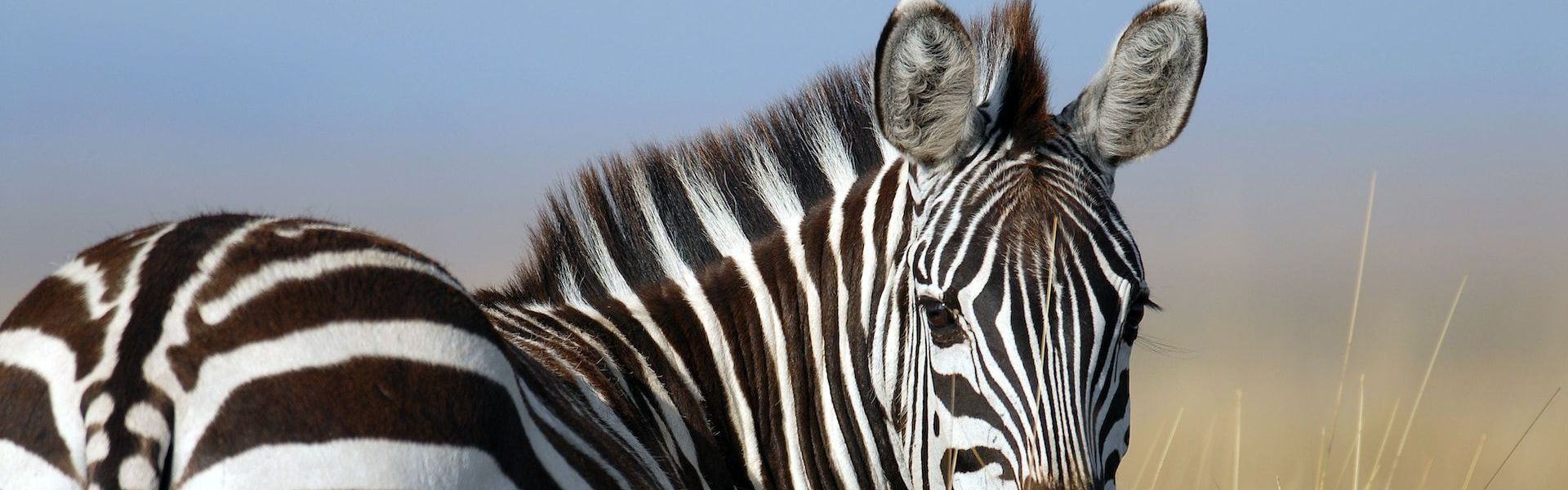
The Ultimate Guide to Kirejeshi Safaris

Kijereshi Game Reserve is a protected wildlife sanctuary located in the Simiyu Region of northern Tanzania. It forms an integral part of the Serengeti-Mara Ecosystem, specifically within the Western Corridor of the Great Wildebeest Migration. This corridor is crucial for migratory wildlife, acting as a wet season transition zone where thousands of wildebeest and their calves pass through between May and July, depending on rainfall patterns.
The reserve spans approximately 66 square kilometers of lush plains, riverine forests, and wooded grasslands, offering a diverse habitat for mammals, birds, reptiles, and amphibians. It was officially gazetted in 1994 under Government Notice No. 215, though its protection dates back to 1964, when it was part of the Maswa Game Controlled Area.
Ecological Importance.
Kijereshi serves as are;
- A buffer zone to Serengeti National Park, helping reduce pressure on core conservation areas.
- A breeding ground for species like ostriches and saddle-billed storks, which are found in higher densities here than in other parts of Tanzania.
- A dry-season refuge for wildlife, especially during migration when water and grazing become scarce elsewhere.
Its vegetation includes open grasslands, riverine forests, and scattered acacia woodlands, supporting a dynamic interplay of flora and fauna.
Cultural & Historical Context.
· The name “Kijereshi” originated from the nearby village Kijilishi, a Sukuma word with no specific meaning. The current name was adopted after a mispronunciation by an early investor who named his tented camp “Kijereshi.” Wildlife officials later formalized this name during the reserve’s gazettement.
Establishmrnt of kijereshi game reserve.
· Kijereshi Game Reserve was officially gazetted on 10 June 1994 through Government Notice No. 215, under Tanzania’s Wildlife Conservation framework. However, its protection dates back to 1964, when it was part of the Maswa Game Controlled Area—a designation that allowed limited wildlife use but lacked the full protection status of a game reserve.
· The upgrade to a game reserve was driven by the area's ecological and socio-economic importance, especially its role in the Serengeti-Mara Ecosystem and the Great Wildebeest Migration. Wildlife experts and conservationists recognized the need to safeguard this corridor as a wet-season transition zone, where thousands of wildebeest and their calves pass through between May and July, depending on rainfall.
· The name “Kijereshi” originated from the nearby village Kijilishi, a Sukuma word with no specific meaning. The current name was adopted after a mispronunciation by an early Asian investor who named his tented camp “Kijereshi.” When the Wildlife Division formalized the area’s protection in 1994, they retained this name, giving rise to Kijereshi Game Reserve.
Management Evolution.
· Initially managed by the Wildlife Division under the Ministry of Natural Resources and Tourism, the reserve came under the jurisdiction of the Tanzania Wildlife Management Authority (TAWA) in 2015, following the authority’s establishment and mandate to oversee game reserves, game-controlled areas, and open areas.
Conservation Purpose.
The reserve was established to conserve this things.
- Protect migratory wildlife routes, especially for wildebeest, zebra, and antelope.
- Preserve breeding grounds for species like ostriches and saddle-billed storks, which are found in higher densities here than elsewhere in Tanzania.
- Act as a buffer zone to Serengeti National Park, reducing pressure on core protected areas.
- Support sustainable tourism and community development through regulated wildlife use.
LOCATION AND ACCESSIBILITY.
Location.
Kijereshi Game Reserve is located in the Simiyu Region of northern Tanzania, specifically within the Busega and Bariadi districts. It lies just southwest of Serengeti National Park, forming part of the Western Corridor of the Serengeti-Mara Ecosystem. This corridor is crucial for the Great Wildebeest Migration, especially during the wet season transition phase between May and July, when thousands of wildebeest and their calves pass through the area.
The reserve is bordered by several villages.
· Lukungu to the west
· Mwabayanda, Mwakiroba, Kijilishi, Nyamikoma, and Senta to the south and east
· It’s also located just 2.5 km from Lake Victoria, offering opportunities to combine wildlife safaris with lake-based activities.
Accessibility.
· Kijereshi is accessible year-round, but the best time to visit depends on your interests:
· -June to September: Ideal for viewing mammals during migration
· October to February: Best for birdwatching and lush landscapes
By Road.
· From Lamadi: ~3 km (closest town)
· From Bunda: ~20 km
· From Musoma: ~86 km
· From Tarime: ~137 km
· From Mwanza City: ~135 km
· From Arusha:
· Via Serengeti Road: ~471 km
· Via Arusha–Shinyanga–Simiyu Road: ~840 km
By Air.
· Mwanza Airport: ~135 km from the reserve
· Musoma Airport: ~86 km away
· These airports connect to major cities like Dar es Salaam, Arusha, and Nairobi.
By Water.
· The reserve is just 2.5 km from Lake Victoria, making it accessible by boat from nearby lakeside towns.
ACCOMODATION .
· Inside the Reserve: Kijereshi Tented Camp.The primary accommodation within the reserve is the Kijereshi Tented Camp, a charming and budget-friendly lodge that blends rustic adventure with basic comfort.
What It Offers;
· 17 units in total:
· 5 en-suite tents with private bathrooms
· 1 exclusive luxury tent
· 11 bungalows, including:
· 4 triple rooms
· 4 family units
· 2 VIP rooms with semi-luxury amenities.
Facilities.
· A restaurant serving African and international dishes
· A bar and lounge with panoramic views of the Serengeti plains
· A swimming pool with poolside beds for relaxing on hot afternoons
· A gift shop offering local crafts and safari essentials
· Campfire areas for storytelling and warmth during chilly evenings
· Room Features:
· Queen-sized beds with clean linens
· Mosquito nets, flushing toilets, hot showers
· Private verandas overlooking wildlife and sunset views
NB:
This camp is especially popular with independent travelers and small groups, offering a peaceful base for game drives, nature walks, and birdwatching.
Outside the Reserve: Nearby Lodging Options.
· If you prefer staying outside the reserve, nearby towns like Lamadi, Bunda, and Bariadi offer additional choices:
· Lamadi (just 3 km away): Small inns and guesthouses with basic amenities
· Bunda (20 km): Mid-range hotels suitable for families or tour groups
· Bariadi (70 km): Larger town with more developed lodging and services
These locations are ideal for travelers combining visits to Lake Victoria, Serengeti National Park, and Kijereshi Game Reserve.
Booking Tips.
· Dry season (June–October) is peak time—book early!
· Ask about airport transfers from Mwanza or Musoma
· Confirm availability of guided safaris, meals, and Wi-Fi
TRANSPORTATION.
By Road.
Road travel is the most common and flexible way to access the reserve.
· From Lamadi: Just 3 km away—ideal for quick access.
· From Bunda: Approximately 20 km by car.
· From Musoma: Around 86 km, offering scenic views along the way.
· From Tarime: About 137 km, suitable for travelers coming from the Kenya border.
· From Mwanza City: Roughly 135 km, with paved roads most of the way.
· From Arusha:
· Via Serengeti Road: About 471 km
· Via Arusha–Shinyanga–Simiyu Road: Around 840 km
The reserve is located along the Mwanza–Musoma highway, making it accessible year-round. However, during the rainy season, some feeder roads may require 4×4 vehicles.
By Air
Flying is a fast and convenient option, especially for long-distance travelers.
· Mwanza Airport: Located 135 km from the reserve, with connections to Dar es Salaam, Kilimanjaro, and Nairobi.
· Musoma Airport: About 86 km away, ideal for regional flights.
From either airport, visitors can arrange private transfers or use local transport to reach the reserve.
By Water.
Kijereshi is just 2.5 km from Lake Victoria, making boat access possible from nearby lakeside towns. This opens up unique travel combinations—such as pairing a wildlife safari with a lake cruise or fishing excursion.
Local Transfers & Safari Packages.
· Tour operators based in Mwanza, Musoma, and Lamadi offer transport-inclusive safari packages.
· These often include game drives, guided walks, and overnight stays at Kijereshi Tented Camp or nearby lodges.
Travel Tips.
· Dry season (June–October) is best for road travel and wildlife viewing.
· Always confirm road conditions and book transfers in advance, especially if traveling during the wet season.
· If using public transport, buses and minibuses from Mwanza or Musoma can drop you near Lamadi, from where local taxis or boda-bodas can take you to the reserve entrance.
UNIQUE FEATURES.
· Kijereshi GGatewayame Reserve — often spelled “Kirejeshi” — is a compact yet ecologically vital sanctuary tucked into the western corridor of the Serengeti ecosystem. Though smaller than other reserves, it holds a unique place in Tanzania’s conservation landscape.
Gateway to the Great Migration.
· Kijereshi is known as the “turning point” of the Great Wildebeest Migration on Tanzania’s side. Between May and July, thousands of wildebeest and zebras — many with newborn calves — pass through its short-grass plains during the wet season transition phase.
· A critical migratory corridor linking Serengeti and Lake Victoria
· A refuge for wildlife during dry spells, thanks to its riverine habitats
· A prime location for witnessing predator-prey dynamics as lions, hyenas, and jackals follow the herds
Rare Bird Breeding Grounds.
Kijereshi is a breeding hotspot for several rare bird species, including:
· Ostriches, which nest in unusually high densities here
· Saddle-billed storks, found in greater numbers than most other Tanzanian reserves
· Over 300 bird species, from African openbills and hornbills to migratory waterfowl
Its mix of riverine forest, open grassland, and wooded savanna creates diverse habitats ideal for birdwatching year-round.
Ecological Buffer Zone.
The reserve acts as a buffer zone to Serengeti National Park, helping:
· Reduce human-wildlife conflict in surrounding villages
· Protect migratory routes and breeding grounds
· Support sustainable use under IUCN Category VI, allowing regulated tourism and conservation.
Its proximity to Lake Victoria (just 2.5 km away) also adds hydrological importance, linking aquatic and terrestrial ecosystems.
Compact Yet Wildlife-Rich.
Despite covering only 66–82 km², Kijereshi hosts a surprising diversity of wildlife:
· Elephants, buffalo, lions, leopards, wildebeest, zebras, impala, roan antelope, and Thomson’s gazelle
· Reptiles like monitor lizards and amphibians such as Natal sand frogs
· Nocturnal species including bushbabies and spotted hyenas, best seen on night game drives
Its small size makes it ideal for intimate safaris, where sightings are frequent and landscapes are easily explored.
Adventure & Accessibility.
Kijereshi offers a raAdventurenge of low-impactAdventure & Accessibility. tourism activities:
· Game drives, walking safaris, birdwatching, camping, and cycling
· Commercial photography and filming, thanks to its scenic diversity
· Easy access via road, air, and even water — with boat cruises possible from Lake Victoria.
· Accommodation includes Kijereshi Tented Camp and public campsites, with nearby lodging in Lamadi, Bariadi, and Bunda.
Kijereshi may be modest in size, but its role in migration, bird conservation, and community-linked tourism makes it a hidden gem in Tanzania’s protected area network.
GameTOURISM ACTIVITIES AND EXPERIENCE
Kijereshi offers a blend of adventure, wildlife immersion, and cultural connection. Here’s what visitors can enjoy and get a memorable experience.
Game Drives.
· The reserve is home to buffalo, elephant, lion, roan antelope, impala, Thomson’s gazelle, zebra, waterbuck, warthog, wildebeest, eland, hyena, jackal, and ostrich.
· Game drives are ideal for spotting wildlife in open plains and riverine forests, especially during the Great Wildebeest Migration between May and July, when thousands of animals pass through.
Guided Nature Walks.
· Led by experienced rangers, these walks allow visitors to explore the savannah, woodlands, and riverbanks on foot.
· You’ll learn about animal tracks, medicinal plants, and local conservation efforts while enjoying the sights, sounds, and scents of the wild.
Birdwatching.
· With over 300 bird species, Kijereshi is a paradise for bird lovers.
· Species include common ostrich, saddle-billed stork, African harrier-hawk, Kori bustard, pied kingfisher, and many more.
· The reserve’s mix of grasslands, wetlands, and forests creates ideal habitats for both resident and migratory birds.
Night Game Drives.
· A rare treat in Tanzanian reserves, night drives reveal nocturnal wildlife like leopards, bushbabies, hyenas, and owls.
· Spotlights and expert guides make this a thrilling and safe experience.
Camping.
Visitors can stay at public or special campsites, falling asleep under the stars to the sounds of the African night.
· Campfires, bush meals, and storytelling add to the immersive wilderness experience.
Cycling Safaris.
ü For the adventurous, cycling tours offer a unique way to explore the terrain and spot wildlife at a slower pace.
Filming & Photography.
· The reserve’s lush plains, dramatic sunsets, and diverse wildlife make it a dream for photographers and filmmakers.
· Golden hours at dawn and dusk offer magical lighting for capturing unforgettable moments.
Lake Victoria Excursions.
· Just 2.5 km from the lake, visitors can combine their safari with boat cruises, fishing trips, or birdwatching along the shoreline.
Visitor Experience.
Tourists often describe Kijereshi as:
· Peaceful and uncrowded: Unlike Serengeti’s busier zones, Kijereshi offers solitude and intimacy with nature.
· Photographer’s paradise: The mix of wildlife, landscapes, and light is ideal for stunning shots.
· Culturally enriching: Proximity to local villages allows for community visits, traditional dances, and storytelling.
· Emotionally grounding: The reserve’s quiet beauty and ecological richness leave a lasting impression.
One traveler called it “the Serengeti’s quiet cousin—wild, beautiful, and deeply personal.”
HUNTING ACTIVITIES.
Hunting Activities in Kijereshi Game Reserve
· Kijereshi is a relatively small but ecologically rich game reserve in northwestern Tanzania, known for species like impala, zebra, warthog, and buffalo. Hunting here is strictly regulated and typically falls under tourist hunting, which is a form of consumptive wildlife use.
Types of hunting permitted.
· Tourist hunting (trophy hunting): Conducted by licensed outfitters for international clients. It targets specific species and is governed by quotas.
· Resident hunting: Available to Tanzanian citizens and East African residents under separate licensing.
· Problem animal control: Occasionally permitted under special circumstances, such as crop raiding or threats to human life.
Common game species hunted.
· Impala
· Warthog
· Buffalo
· Hartebeest
Occasionally small carnivores or birds, depending on quotas
Regulations Governing Hunting.
Hunting in Kijereshi is governed by the Wildlife Conservation Act (2009) and the Tourist Hunting Regulations.
1. Licensing and Permits.
· All hunters must obtain a game license issued by the Director of Wildlife.
· Tourist hunting must be conducted through registered hunting companies with allocated hunting blocks.
· Licenses are species-specific and time-bound.
2. Hunting Blocks and Quotas.
· Kijereshi is divided into hunting blocks, each with a set quota of animals.
· Quotas are based on scientific surveys and are revised annually.
· Overhunting or hunting outside designated blocks is strictly prohibited.
3. Season and Timing
- Hunting is allowed only during the open season, typically from July to December.
- Closed seasons are declared to allow wildlife populations to recover.
4. Weapons and Methods.
· Only approved firearms may be used.
· Use of traps, snares, poison, or hunting at night is illegal.
· Hunters must be accompanied by a professional hunter and a game scout.
5. Community and Conservation Provisions.
· A portion of hunting revenue is shared with local communities through Wildlife Management Areas (WMAs).
· Hunting companies are required to contribute to anti-poaching efforts, infrastructure, and community development.
6. Offences and Penalties.
ü Hunting without a license, exceeding quotas, or using illegal methods can result in:
· Fines
· Imprisonment
· Revocation of licenses
· Confiscation of trophies
BENEFITS OF LOCAL COMMUNITIES.
The local communities surrounding Kijereshi Game Reserve—such as Lukungu, Mwabayanda, Mwakiroba, Kijilishi, Nyamikoma, and Senta—derive a range of benefits from the reserve, though the extent and impact can vary.
1. Economic Opportunities.
· Employment: Locals are hired as game scouts, guides, camp staff, and support personnel for tourism and conservation activities.
· Tourism revenue: Through regulated hunting and photographic safaris, a portion of the income is shared with communities via Wildlife Management Areas (WMAs) or district-level agreements.
· Crafts and services: Villagers sell handmade goods, food, and offer transport or cultural experiences to visitors.
2. Infrastructure Development.
· Roads and clinics: Hunting companies and tourism operators often contribute to building or maintaining roads, schools, and health centers.
· Water access: Some projects improve access to clean water through boreholes or rainwater harvesting systems.
3. Education and Awareness.
· Conservation education: Programs run by Tanzania Wildlife Management Authority (TAWA) and NGOs teach youth and adults about wildlife protection and sustainable land use.
· Scholarships: In some cases, hunting revenue helps fund scholarships for students from nearby villages.
4. Security and Anti-Poaching.
· Community game scouts: Locals are trained and employed to monitor wildlife and prevent illegal activities.
· Reduced conflict: With better surveillance and community involvement, incidents of human-wildlife conflict (like crop damage) are managed more effectively.
5. Cultural Preservation and Pride.
· Recognition of traditional knowledge: Elders and local leaders are consulted in wildlife management, reinforcing cultural ties to the land.
· Community identity: Being part of a globally recognized ecosystem like the Serengeti corridor fosters pride and a sense of stewardship.
u Challenges and Considerations.
· While these benefits are meaningful, studies from similar reserves (like Selous) show that equitable distribution and transparent governance are key. If benefits are uneven or poorly communicated, community support for conservation can wane.
CHALLENGES AND SOLUTIONS.
Challenges Facing Kijereshi Game Reserve.
Despite its ecological richness and strategic location within the Serengeti-Mara ecosystem, Kijereshi faces several pressing challenges:
1. Human Encroachment.
· Expansion of nearby villages like Lukungu and Nyamikoma has led to land pressure and illegal settlement within reserve boundaries.
· Farming and livestock grazing disrupt wildlife corridors and degrade habitats.
2. Poaching and Wildlife Crime.
· Illegal hunting for bushmeat and trophies threatens species like buffalo, impala, and zebra.
· Limited resources for anti-poaching patrols make enforcement difficult.
3. Limited Community Engagement.
· Some local communities feel excluded from decision-making or benefit-sharing, leading to weak.
· Lack of awareness about the reserve’s ecological value contributes to unsustainable practices.
4. Infrastructure and Accessibility.
· Poor road networks and limited facilities hinder tourism growth.
· Seasonal rains make parts of the reserve inaccessible, affecting patrols and visitor experience.
5. Climate Variability.
· Shifting rainfall patterns affect water availability and wildlife migration.
· Increased droughts may reduce forage and increase human-wildlife conflict.
Proposed Solutions and Ongoing Interventions.
Efforts to address these challenges are underway, and more can be done to strengthen Kijereshi’s resilience:
1. Community-Based Conservation.
· Expand Wildlife Management Areas (WMAs) to include more villages in benefit-sharing.
· Support local employment in guiding, scouting, and eco-tourism services.
2. Strengthening Law Enforcement.
· Increase funding for Tanzania Wildlife Management Authority (TAWA) to deploy more game scouts.
· Use technology like drones and GPS tracking to monitor poaching hotspots.
3. Education and Outreach.
· Launch conservation education programs in schools and village meetings.
· Promote cultural pride in wildlife stewardship through storytelling and local media.
4. Eco-Tourism Development.
· Improve access roads and signage to attract more visitors.
· Encourage investment in sustainable lodges and tented camps like Kijereshi Tented Camp.
5. Climate Adaptation Strategies.
· Restore degraded habitats with native vegetation.
· Develop water catchment systems to support wildlife during dry spells.
Conclusion: A Reserve at a Crossroads.
Kijereshi Game Reserve is more than a wildlife sanctuary—it’s a living bridge between nature and community, tradition and modern conservation. Its future depends on inclusive governance, sustainable tourism, and local empowerment. If managed wisely, Kijereshi can become a model for small reserves across Tanzania: where biodiversity thrives, communities benefit, and visitors leave with stories that inspire.