
The Ultimate Guide to Simanjiro Game Area Safaris

Simanjiro Game Control Area (GCA). This is a special and very important place in Tanzania, a country in East Africa that is famous for its amazing wildlife. To understand Simanjiro, it's good to know what a "Game Control Area" means.
In Tanzania, there are different types of protected areas for wildlife:
● National Parks: These are very strict. No people live inside them, and human activities like farming or grazing cattle are not allowed. They are mainly for wildlife protection and tourism where people can only observe animals.
● Game Reserves: These are also very protected, focusing on wildlife. Sometimes, controlled hunting is allowed here, but human settlements are generally not.
● Game Control Areas (GCAs): This is what Simanjiro is. GCAs are also set aside to protect wild animals and their natural homes. However, they have a special purpose:
○ Wildlife is Protected: Animals are safe from illegal hunting (poaching), and their habitats (the places where they live) are managed.
○ Local Communities Live There: Unlike National Parks, people, especially local tribes like the Maasai, often live inside or very close to GCAs. They have lived there for a very long time and use the land for their daily lives, like grazing their cattle or sometimes farming.
○ Controlled Activities: The government allows some human activities, but they are carefully controlled and managed. The main goal is to find a balance between protecting nature and supporting the lives of the local people. It's about helping wildlife and humans live together.
So, Simanjiro GCA is very important because it acts as a bridge or a buffer zone between stricter protected areas and areas where people live more freely. It helps to make sure that animals have enough space to move and find food, even outside the main parks. It plays a crucial role in the larger ecosystem, which is the whole system of living things (animals, plants) and non-living things (water, soil) that work together in an area.
UNIQUE FEATURES OF SIMANJIRO GAME CONTROLLED AREA.
· The Simanjiro Game Control Area has several unique features that make it special and extremely important for Tanzania's wildlife conservation. These features highlight its ecological role and its connection to human communities.
The Critical Wildlife Corridor and Dispersal Area: A Lifeline for Migrations.
· This is by far the most important and unique feature of Simanjiro.
● Wildlife Corridor: Imagine a very long, safe pathway or a natural "superhighway" that wild animals use to travel from one large protected area to another. Simanjiro GCA serves as such a critical wildlife corridor. Animals, especially large mammals like elephants, wildebeest, and zebras, need huge areas to live. They cannot stay in one small place all the time. They move to find fresh grass, water, or new places to live, especially when the seasons change (this is called migration). If these paths are blocked by new farms, buildings, or fences, animals get stuck, which can be very bad for their health and survival. Simanjiro helps to keep these pathways open.
● Dispersal Area: During the wet season, when there is plenty of rain and green grass everywhere, many animals "disperse" (spread out) from the main Tarangire National Park into the surrounding areas like Simanjiro. This gives them more space to graze and reduces pressure on the land inside the park. When the dry season comes and water becomes scarce, they move back towards the permanent water sources found inside Tarangire National Park. Simanjiro provides this crucial extra space for animals to roam, making the entire Tarangire ecosystem much healthier.
● Connecting Ecosystems: Simanjiro helps connect the ecosystems of Tarangire National Park with other areas, ensuring the health and genetic diversity of animal populations across a wider landscape. Without Simanjiro, the famous Tarangire migration would be severely affected.
Witnessing Massive Animal Movements.
· Because of its role as a corridor and dispersal area, Simanjiro is one of the best places to witness large-scale animal movements.
● Seasonal Migrations: During certain times of the year, especially after the rains, you can see huge numbers of animals, like wildebeest and zebras, moving through Simanjiro. While not as famous as the Serengeti migration, these movements are still incredibly impressive and vital for the ecosystem.
● Elephant Haven: Simanjiro is particularly important for elephants. Large herds of elephants regularly use this area for feeding and moving between different parts of their range.
Diverse Habitats and Landscapes.
· Simanjiro GCA has a mix of different types of land, which makes it suitable for a variety of animals and plants.
● Open Plains and Grasslands: Wide, flat areas covered in grass. These are perfect for grazing animals like zebras, wildebeest, and various antelopes.
● Acacia Woodlands: Areas with many acacia trees. These trees, though often thorny, provide food (leaves for giraffes, pods for other animals) and shelter for many species.
● Bushland: Denser areas of shrubs and small trees.
● Seasonal Water Sources: Depending on the rainfall, there might be seasonal rivers or temporary waterholes that attract animals.
Home to Many Animal Species.
· Because of its varied landscapes and its role as a corridor, Simanjiro GCA is home to a wide range of animals:
● Large Mammals: You can often see large animals moving through or living in Simanjiro.
○ Elephants: These magnificent animals are key users of the corridors that Simanjiro provides.
○ Zebras and Wildebeest: These striped and bearded animals often move in large groups, especially during their seasonal migrations.
○ Giraffes: The tallest animals in Africa, gracefully eating leaves from trees.
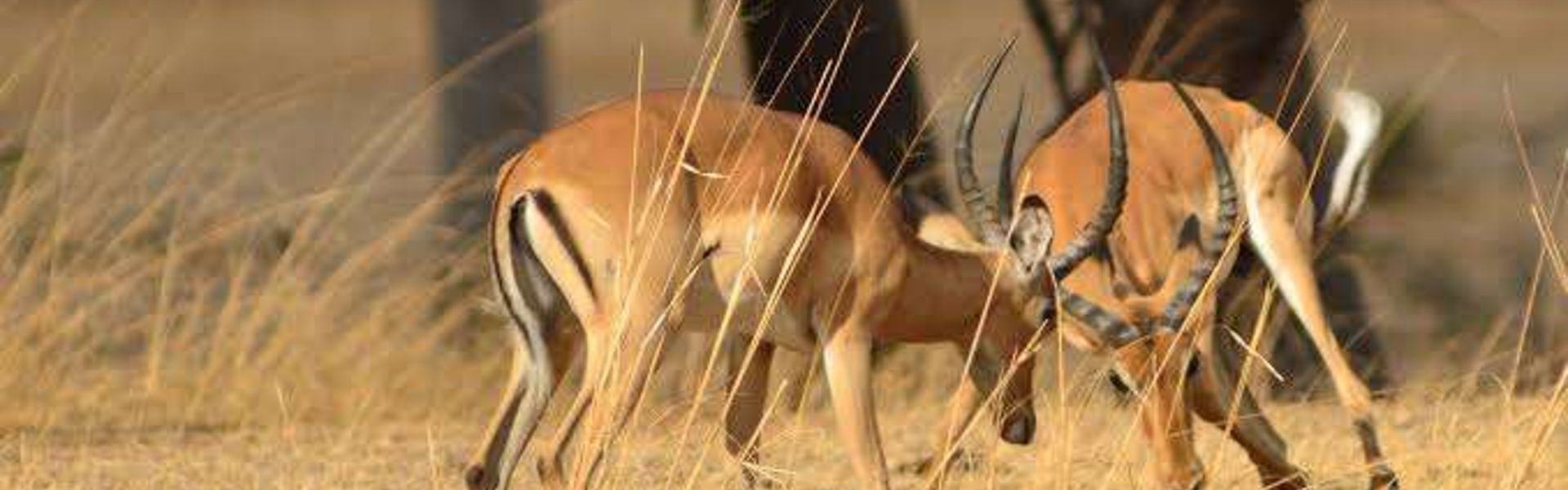
○ Antelopes: Many different kinds of antelopes, like impalas (known for their amazing jumps), Grant's gazelles, Thomson's gazelles, and possibly elands and kudus, graze in the open areas and woodlands.
○ Buffalo: Large, powerful buffalo herds can also be found.
● Predators: Where there are many animals to eat, there are also predators (animals that hunt others). You might spot:
○ Lions: The famous big cats, often resting in the shade or hunting.
○ Leopards: Shy and hard to spot, often found in trees.
○ Cheetahs: The fastest land animals, hunting in the open plains.
○ Hyenas: Important scavengers and hunters.
● Birdlife: Simanjiro is also a good place for bird watching. There are many different kinds of birds, from colorful small birds to large eagles and vultures flying high in the sky. The varied habitats support a diverse bird population.
Human-Wildlife Coexistence and Cultural Heritage.
· A very important and unique feature of Simanjiro GCA, like other GCAs, is the presence of human communities living alongside wildlife.
● Traditional Lifestyles: The area is traditionally home to the Maasai people. They are famous for their unique culture, colorful clothing, and their traditional way of life centered around cattle herding. They have lived in these lands for centuries, often moving with their livestock to find grazing areas, just as wildlife moves.
● Shared Landscape: This means that people and wild animals share the same landscape, often using the same water sources and grazing areas. This creates a special dynamic that needs careful management.
● Cultural Exchange: This coexistence provides opportunities for visitors to learn about local cultures directly from the people living there, making the experience different from just seeing animals in a park.
ESTABLISHMENT OF SIMANJIRO GAME CONTROLLED AREA.
· The Simanjiro Game Control Area was established as a very important part of Tanzania's larger plan to protect its amazing wildlife and natural places. The creation of GCAs like Simanjiro is a strategic move to ensure conservation beyond the boundaries of strict National Parks, especially for critical migration routes.
The Need for Protection and Management.
· Before Simanjiro became a formally protected area, animals moving outside the national parks faced many dangers. Their natural migration paths could be blocked by new farms or villages, and they were vulnerable to illegal hunting. The government and conservation groups recognized that these areas, even if people lived there, were vital for the animals' survival and the health of the wider ecosystem, particularly the Tarangire ecosystem.
Purpose of Establishment.
· Establishing Simanjiro as a Game Control Area means that the Tanzanian government has put special rules in place to manage the land. The main purposes for its establishment include:
● Protecting Critical Migration Routes and Dispersal Areas: This was a primary and perhaps the most crucial reason. Simanjiro is essential for allowing large numbers of animals, especially elephants, wildebeest, and zebras, to move safely in and out of Tarangire National Park during seasonal migrations. Without this protection, these vital movements would cease, severely impacting the health of the animal populations.
● Wildlife Conservation: To keep all the animals safe from illegal hunting (poaching). Poaching is a big problem in many parts of Africa, and GCAs help to control it by having rangers patrol the area. The GCA also ensures animals have enough safe space to live, eat, and have babies.
● Managing Land Use: To control how the land is used by people. In a GCA, local people (like farmers and herders) can still live and use the land, but under rules that try to prevent too much harm to wildlife. For example, rules might limit where new farms can be built or how many cattle can graze in certain areas. This helps to reduce conflicts between humans and animals.
● Buffer Zone: Simanjiro acts as a "buffer zone" around Tarangire National Park. A buffer zone is like a protective layer. It helps to reduce the direct contact and conflict between human settlements and the wild animals inside the park. It provides a transition area where wildlife can still exist.
● Regulated Hunting and Non-Consumptive Tourism: Historically, GCAs were areas where regulated hunting was permitted alongside other human activities. While hunting regulations can change, GCAs are also increasingly used for non-consumptive tourism (like photographic safaris and walking safaris), which helps generate revenue for conservation and communities.
The Legal Basis and Historical Context.
· The establishment of GCAs like Simanjiro reflects a broader understanding that conservation must extend beyond strict park boundaries to protect the full range of animal movements and habitats. While the exact gazetting date for Simanjiro GCA specifically might be found in historical legal documents (like the Wildlife Conservation (Game Controlled Areas) Order, 1974, which lists many GCAs), its importance as a wildlife area has been recognized for many decades. The process of establishing such areas involves:
● Government Legislation: Laws are passed to create and define these protected areas.
● Boundary Demarcation: The specific borders of the GCA are defined, often on maps and sometimes with physical markers on the ground.
● Ongoing Management: Once established, the GCA is managed by wildlife authorities (like the Tanzania Wildlife Management Authority - TAWA), often with the help of local communities and conservation organizations.
LOCATION AND ACCESSIBILITY.
· The Simanjiro Game Control Area is located in the northern part of Tanzania. This region is very famous for safaris and has many national parks and protected areas. Simanjiro is specifically situated in the Manyara Region, which is known for its diverse landscapes.
Its location is strategically vital for wildlife:
● It lies to the east and south-east of Tarangire National Park. This positioning makes it a natural and essential extension of Tarangire's ecosystem, allowing for the crucial seasonal movements of animals.
· Getting to the Simanjiro Game Control Area is mainly done by road. It is considered to be in a more remote and less developed area compared to the main tourist routes, which means the journey can be an adventure itself.
By Road: The Adventurous Journey.
● Starting Point: Most visitors and researchers begin their journey from Arusha city. Arusha is a big, busy city and the main starting point for almost all safaris in northern Tanzania. It has an international airport (Kilimanjaro International Airport - JRO) nearby.
● Journey Time: The drive from Arusha to the Simanjiro area can take several hours, often 3 to 5 hours or more, depending on the exact destination within Simanjiro and the condition of the roads. It's not a quick trip, but it's generally shorter than reaching very remote areas like Lake Natron.
● Road Conditions:
○ The main roads from Arusha towards the general region (e.g., towards Tarangire) might be paved and smooth for a good part of the journey.
○ However, as you get closer to the Simanjiro GCA and inside it, the roads become unpaved dirt or gravel tracks. These roads are not maintained regularly.
○ Dry Season: In the dry season (roughly June to October), these dirt roads can be very dusty, and your vehicle and clothes might get covered in a fine layer of red dust.
○ Rainy Season: In the rainy season (roughly November to May), these roads can become extremely muddy, slippery, and challenging. Parts of the road might be washed away, or vehicles can get stuck in deep mud.
● Vehicle Needed: Because of these challenging road conditions, you absolutely need a strong 4x4 safari vehicle. These vehicles are built to handle rough terrain, have high ground clearance (they are taller) to avoid getting stuck, and are robust enough for long journeys on unpaved roads.
● Experienced Driver: It is highly recommended to travel with an experienced safari driver who knows the local roads well, can navigate challenging conditions, and is skilled at spotting wildlife. They also know how to handle minor vehicle issues in remote areas.
By Air: A Less Common Option.
● While there are airstrips for nearby national parks (like Tarangire), flying directly into the Simanjiro GCA is less common for tourists. Most visitors combine a visit to Simanjiro with Tarangire National Park and travel by road.
● Chartering a small plane to a nearby airstrip might be possible for very specialized safaris, but this is generally a much more expensive option. Even then, a 4x4 vehicle would be needed from the airstrip into the GCA.
Public Transport: Not an Option for Tourists.
● Public buses (called "dala-dalas") might go to towns near the general region of Simanjiro, but they generally do not go into the remote parts of the GCA itself. For tourists visiting for wildlife viewing, private safari vehicles are the standard and safest way to travel.
TRANSPORATATION.
· Once you have arrived inside the Simanjiro Game Control Area, getting around to see the wildlife and explore the landscape is a key part of the experience. The methods of transport are chosen to suit the wild environment and allow for good wildlife viewing while also considering the presence of local communities.
4x4 Safari Vehicles: The Primary Mode for Wildlife Viewing.
● Game Drives: The most common and effective way to move around any GCA, including Simanjiro, is by 4x4 safari vehicles. These vehicles are specially designed for wildlife viewing and to handle the challenging terrain.
○ Built for Roughness: They have strong engines, high ground clearance, and robust suspension to drive over bumpy dirt roads, rocky paths, and sometimes through shallow seasonal rivers or muddy sections.
○ Viewing Features: Many safari vehicles have special features for tourists, such as:
■ Pop-up Roofs: The roof can be raised or "popped up" so that you can stand up inside the vehicle. This gives you a much better, unobstructed view of the animals and the landscape, and makes it easier to take photos.
■ Large Windows: To ensure good visibility from all seats.
○ Guided Experience: You will always have an experienced driver-guide who is skilled at spotting animals, knows their behavior, and can tell you interesting facts about the wildlife and the environment. They also communicate with other guides to share information about animal sightings, increasing your chances of seeing unique wildlife.
● Purpose of Game Drives: You will spend hours slowly driving through the GCA, searching for animals. This activity is called a "game drive." It's a thrilling way to search for wildlife and enjoy the natural beauty of the plains and woodlands.
Walking Safaris: A Deeper Connection to Nature.
● Many GCAs, including Simanjiro, offer the unique opportunity to do walking safaris. This is different from just driving in a vehicle and allows for a more immersive experience.
● Guided and Safe: You will always be accompanied by an experienced and armed guide (often a park ranger or a trained local guide). This is for your safety, as you are walking in an area with wild animals. The guide knows how to read animal tracks and signs, and how to react safely if you encounter a dangerous animal.
● Different Perspective: Walking allows you to experience the bush in a much more intimate and sensory way. You can:
○ See smaller details like insects, different types of plants, and animal tracks that you might miss from a vehicle.
○ Smell the different plants and the earth, and hear the sounds of the bush (birds singing, rustling leaves, distant animal calls) more clearly.
○ Feel truly connected to the environment, understanding the scale of the landscape.
● Learning: The guide will teach you about the smaller aspects of the ecosystem, identify different animal droppings, and explain the traditional uses of various plants by local communities.
● Specific Locations: Walking safaris are usually done in specific, designated areas within the GCA where it is deemed safe and appropriate, and where the terrain is suitable for walking.
Local Transportation: Daily Life in the GCA.
● Walking: For the local communities living in and around Simanjiro GCA (mainly the Maasai), walking is a very common and traditional way to move between their homes, villages, water sources, and grazing areas for their livestock. They are used to walking long distances.
● Bicycles: Some local people might use bicycles on the less rough paths for short distances or to carry small goods.
● Donkeys: Donkeys are sometimes used as pack animals to carry water, firewood, or other supplies for the communities.
● No Public Transport: Generally, there are no public buses or trains that operate within the remote, wild parts of Game Control Areas.
ACCOMMODATION.
· Staying in or near the Simanjiro Game Control Area offers a chance to be close to nature and experience the wild, often with a strong connection to local cultures. The types of places to stay usually try to be eco-friendly and directly benefit the local communities.
Accommodation Options: Where to Stay in the Wilderness
· The types of places to stay in or near Simanjiro GCA can vary, but they generally focus on providing an authentic bush experience while being mindful of the environment.
● Tented Camps: These are a common and popular choice. They feature large, comfortable tents that are already set up. Inside, you'll find proper beds with comfortable mattresses, furniture, and often an attached private bathroom with a toilet and a bucket shower (where warm water is brought to you). They offer a feeling of being close to nature while still being comfortable and safe. Many are designed to be "eco-friendly," meaning they try to have a low impact on the environment (e.g., using solar power for electricity, saving water, managing waste carefully).
● Basic Lodges: There might be a few small, basic lodges that offer more permanent buildings and facilities compared to tents, but they still aim to keep a natural feel. They might have a central dining area and simple, comfortable rooms.
● Campsites: For those who want a more adventurous and budget-friendly experience, there are designated campsites where visitors can pitch their own tents. These usually have basic shared facilities like toilets and showers.
● Community-Owned/Managed Camps: A very positive development in many GCAs, including potentially Simanjiro, is the establishment of camps that are owned or managed by the local communities themselves. Staying at these places directly benefits the people living in the area, as the profits go back to them for community projects.
BENEFITS OF LOCAL COMMUNITY.
· The local communities living in and around the Simanjiro Game Control Area are incredibly important. They have often lived in these areas for hundreds of years, and their traditional way of life is closely linked to the land and its wildlife. The presence of the GCA and the tourists who visit bring many important benefits to these communities, primarily the Maasai people:
● Direct Employment: This is one of the biggest and most important benefits.
○ Safari Guides and Drivers: Many local people are trained to become safari guides and drivers. They know the land, the animals, and the local culture very well. They can share their knowledge with visitors, enriching the safari experience.
○ Camp and Lodge Staff: They work in the tented camps and lodges as cooks, cleaners, waiters, security guards, and general staff. This provides steady jobs and and income, which is crucial in remote areas.
○ Community Rangers/Trackers: Local people are often employed as community rangers or wildlife trackers. They help monitor animal movements, protect against poaching, and guide visitors. Their deep knowledge of the area is invaluable.
● Selling Handicrafts and Souvenirs:
○ Maasai women are especially skilled at making beautiful handicrafts (handmade items). This often includes colorful beadwork (necklaces, bracelets, earrings), traditional clothing, and other decorative items.
○ They sell these handmade crafts directly to tourists, either at the camps, in small local markets, or in designated cultural centers. This provides a very important source of income for their families, especially for women, and helps preserve their traditional skills.
● Cultural Tourism:
○ Many tourists are interested in learning about the local cultures. They can visit Maasai villages (called "bomas") with a local guide.
○ During these visits, tourists can learn about their unique traditions, see their traditional homes (manyatta), listen to their songs, watch their traditional dances, and sometimes even participate in daily activities like milking cattle.
○ Visitors usually pay a fee to visit the village, and this money goes directly to the community. This helps them with their daily needs, supports their schools, or funds other community projects. It also helps to preserve and celebrate their rich culture.
● Conservation Awareness and Partnership:
○ When local people see that wildlife and nature bring jobs and income through tourism, they understand the value of protecting them. They realize that animals are not just a source of conflict but a source of benefit for their community.
○ This helps them become active partners in conservation efforts. They are more likely to report poaching, help manage human-wildlife conflicts, and support rules that protect the environment. This "community-based conservation" approach is very important for long-term success.
● Community Development Projects:
○ Sometimes, money from tourism, or help from conservation organizations and tourism companies, goes directly towards important community projects.
○ Examples include:
■ Building or improving schools for children, providing learning materials and teachers' salaries.
■ Digging boreholes (deep wells) to get clean and safe water for drinking and daily use, which is vital in dry areas.
■ Helping to set up health clinics in remote areas, providing basic medical care and vaccinations.
■ Supporting agricultural projects that help farmers grow more food sustainably or improve livestock health.
○ These projects directly improve the quality of life for the people living in and around the GCAs.
● Sustainable Resource Use: With guidance and support, communities can learn about sustainable ways to use their natural resources (like collecting firewood or grazing land for cattle) so that the environment remains healthy for both people and wildlife for a long time.
CHALLENGES AND SOLUTIONS.
· Living in a Game Control Area like Simanjiro, where wild animals move freely and human communities also live and use the land, brings several complex challenges. However, many people, organizations, and the government are working hard to find good solutions to these problems.
A. Human-Wildlife Conflict (HWC).
● Challenge: This is one of the most common and difficult problems in GCAs. It happens when the needs of humans and wildlife clash.
○ Crop Raiding: Animals like elephants, zebras, or wildebeest sometimes come out of the protected areas and eat or destroy crops in local farms. This directly impacts farmers' food supply and income, leading to anger and resentment towards wildlife. A farmer might lose a whole year's harvest in one night.
○ Livestock Predation: Predators like lions, hyenas, or leopards might attack and kill livestock (farm animals like cows, goats, or sheep) belonging to local herders. For the Maasai, livestock is their main source of wealth and cultural identity, so losing animals causes huge financial and emotional losses, which can make them want to harm the predators in revenge.
○ Water Competition: During dry seasons, both humans and animals need water. Sometimes, they compete for the same limited water sources, leading to tension and potential conflict.
○ Human Safety: In rare cases, dangerous animals can injure or even kill people, especially if they feel threatened or surprised.
● Solution:
○ Education and Awareness Programs: Teach local communities about animal behavior, why animals move, and how to live safely alongside them. This helps people understand that animals are not always trying to cause harm, but are following natural instincts.
○ Protective Measures for Farms: Help farmers build stronger, more effective fences around their farms. These can include "chili fences" (elephants dislike the smell of chili), simple electric fences (low voltage, safe but effective for deterring animals), or living fences made of thorny plants.
○ Secure Livestock Enclosures: Encourage and help herders build more secure enclosures (called "bomas" or "kraals") for their livestock at night, using strong thorny bushes or wire, to protect them from predators.
○ Alternative Livelihoods: Help communities find other ways to earn money that don't conflict with wildlife. Examples include beekeeping (bees can deter elephants), growing crops that animals don't like, or developing handicrafts.
○ Community Rangers/Patrols: Train and employ local people as community rangers. They can help monitor animal movements, warn villagers when animals are close, and help manage conflicts on the ground by chasing animals away non-violently.
○ Compensation Schemes: In some cases, programs might offer a small payment to farmers or herders who lose crops or livestock to wild animals. This helps reduce their anger and encourages them not to harm the animals.
B. Poaching (Illegal Hunting).
● Challenge: Poaching is when people illegally hunt wild animals without permission or against the law. This can be for meat (often called "bushmeat," which is sold illegally), or for valuable parts like elephant tusks (ivory) or rhino horns. Poaching reduces animal numbers, threatens species (especially those that are already rare or endangered), and disrupts the natural balance of the ecosystem. It is a serious crime.
● Solution:
○ Increased Patrols: Wildlife rangers need to patrol the GCA more often and more effectively, both on foot and in vehicles, to find and stop poachers. This requires more resources and training.
○ Community Intelligence and Involvement: Work closely with local communities. Encourage them to report any suspicious activities or information about poachers. When communities benefit from wildlife, they are more likely to protect it and report illegal activities. This is a powerful tool against poaching.
○ Strong Laws and Enforcement: Make sure that laws against poaching are very strong and that people who poach are caught, arrested, and punished according to the law. This acts as a deterrent.
○ Anti-Poaching Units: Support special anti-poaching units that are well-trained, well-equipped (with vehicles, radios, and weapons), and brave enough to confront poachers.
○ Demand Reduction: Work to reduce the demand for illegal wildlife products (like ivory) in other countries through education and campaigns.
C. Land Use Pressure and Habitat Loss.
● Challenge: As the human population in Tanzania grows, there is more and more demand for land. People need land for:
○ Farming: To grow food for their families and to sell, leading to expansion of farms.
○ Settlements: To build new homes, villages, and towns, which can block animal paths.
○ Livestock Grazing: To feed their increasing numbers of cattle, goats, and sheep, which can lead to overgrazing and degradation of land. This expansion of human activities can reduce the space available for wildlife, especially the important migration corridors and dispersal areas. It can also lead to the destruction of natural habitats like forests or wetlands.
● Solution:
○ Land Use Planning: Work with local leaders, government, and communities to create careful and clear plans for how land is used. This means identifying specific areas for wildlife, specific areas for farming, and specific areas for villages, to avoid conflicts.
○ Clear Boundaries: Clearly mark the boundaries of the GCA and other protected areas to prevent people from accidentally or purposely moving into wildlife areas. This helps avoid misunderstandings.
○ Sustainable Farming Practices: Teach farmers about sustainable farming methods that use less land, protect the soil (e.g., by avoiding cutting down trees), and use water efficiently, so they don't need to expand into wildlife areas.
○ Community Conservation Areas: Help communities establish their own "community conservation areas" where they agree to protect wildlife on their land, often through tourism benefits.
D. Water Scarcity and Droughts.
● Challenge: Simanjiro, like many parts of Tanzania, can be a dry area for much of the year. During long periods without rain (droughts), water sources dry up. This makes it very hard for both people and animals to find enough water to drink, leading to competition and stress. Climate change is making droughts more common and severe, affecting water availability.
● Solution:
○ Improved Water Management: Develop better ways to collect and store rainwater during the wet season, for both human use and wildlife. This can include building small earth dams or water pans that hold water for longer.
○ Boreholes: Dig safe, deep wells (boreholes) to access underground water for communities. This must be done carefully to ensure it doesn't lower the water table too much and negatively affect natural springs or rivers that animals depend on.
○ Water Points for Wildlife: Create or maintain natural water points for wildlife, especially during dry seasons, located away from human settlements to reduce conflict.
E. Limited Infrastructure.
● Challenge: Because Simanjiro is in a remote, rural area, there might not be many modern services. This includes:
○ Poor Roads: As mentioned earlier, roads can be rough, making travel difficult and expensive.
○ Few Schools: Not enough good schools for children, or schools that are too far away, making it hard for children to get an education.
○ Few Health Clinics: Limited access to medical help when people get sick, especially in emergencies.
○ Poor Communication: Unreliable phone signals or internet access, making it hard for communities to connect with the outside world, for business, or for emergencies. This affects the quality of life for local people and can make it harder for tourism to develop.
● Solution:
○ Partnerships for Development: The government, non-government organizations (NGOs), and tourism companies can work together to slowly improve basic services. This often involves sharing resources and expertise.
○ Community-Based Initiatives: Support local communities in building and managing their own small schools or clinics, often with external funding and training.
○ Solar Power: Introduce solar power to bring electricity to schools, clinics, and homes, which can help with lighting, charging phones, and even powering small businesses, improving daily life.
OPPORTUNITY.
· Despite all the challenges, the Simanjiro Game Control Area has many exciting opportunities for the future. These opportunities can make it an even better place for both wildlife and the people who live there, contributing significantly to Tanzania's conservation goals.
A. Enhanced Tourism: A Unique and Authentic Safari Experience.
● Strategic Location: Simanjiro's location as a direct extension of Tarangire National Park makes it a perfect addition to existing safari routes. It can be easily combined with visits to Tarangire, offering a longer and more diverse safari experience.
● Quieter Experience: Many GCAs, including Simanjiro, are less crowded than famous National Parks. This offers a more peaceful, exclusive, and intimate safari experience. This appeals to visitors who want to avoid large crowds and feel more connected to the wilderness.
● Witnessing Migrations: Simanjiro offers the incredible opportunity to witness large-scale animal movements, especially of wildebeest, zebras, and elephants, which is a major draw for wildlife enthusiasts.
● Diverse Activities: Beyond traditional game drives, Simanjiro offers the possibility of walking safaris. This unique activity allows visitors to explore the bush on foot, getting closer to nature and learning about smaller details of the ecosystem. This attracts different types of tourists, including those interested in adventure and immersive experiences.
● Bird Watching: Simanjiro's diverse habitats support a rich variety of birdlife, making it an excellent destination for bird enthusiasts.
● Economic Growth: More tourism means more money coming into the area. This money can be used for conservation efforts, local community projects, and creating more jobs, leading to overall economic growth in the region.
B. Crucial Conservation Role: Protecting a Lifeline for the Ecosystem.
● Vital Corridor and Dispersal Area: Simanjiro's role as a critical wildlife corridor and dispersal area is absolutely vital for the health of the larger Tarangire ecosystem. It ensures that large animals like elephants, wildebeest, and zebras can move freely between protected areas, which is essential for their long-term survival, genetic diversity, and ability to find food and water during different seasons. Without such corridors, animal populations can become isolated and unhealthy, leading to their decline.
● Ecosystem Health: Protecting Simanjiro helps to keep the entire ecosystem healthy. When animals can move, they can find enough food and water, which prevents overgrazing in one area and helps spread seeds for new plants, promoting healthy habitats.
● Biodiversity Protection: Simanjiro protects all the different kinds of plants and animals that live there, contributing to the world's biodiversity (the variety of life on Earth). Its importance for large mammals makes it a key area for global conservation.
C. Community Empowerment: People as Active Partners in Conservation.
● Direct Benefits: With careful planning and support, tourism and conservation efforts can bring more direct benefits to the local Maasai communities. This means more jobs, more income from selling handicrafts, and more opportunities for cultural tourism. These benefits provide a strong incentive for communities to support conservation.
● Improved Livelihoods: Increased income can lead to better living standards for the people, allowing them to afford better food, clothing, housing, and healthcare.
● Ownership and Responsibility: When communities see the direct benefits of wildlife, they become more willing to protect it. They feel a sense of "ownership" over the conservation efforts and become active partners in protecting their land and animals. This is called "community-based conservation," and it is very powerful because it involves the people who live closest to the wildlife.
● Social Development: Money and partnerships can lead to better social services, such as improved schools and health clinics, which directly benefit the people, creating a more stable and prosperous environment.
D. Research and Monitoring: Learning from Nature.
● Scientific Study: Simanjiro GCA provides excellent opportunities for scientists to study animal movements (especially migrations), how humans and wildlife interact in a shared landscape, and how different ecosystems function in a mixed-use environment. This area is particularly valuable for studying elephant behavior and migration patterns.
● Informing Conservation: This research can provide valuable information that helps wildlife managers and the government make better decisions about how to protect the area and its animals. It helps to find the best ways to manage conflicts and ensure long-term survival of species.
● Educational Opportunities: Simanjiro can also be a place for students (both local and international) to learn about conservation, ecology, and human-wildlife coexistence in a real-world setting, providing practical experience and inspiring future conservationists.
CONCLUSION .
· The Simanjiro Game Control Area is a truly significant and essential part of Tanzania's wildlife protection network. It is not just a piece of land; it is a vital bridge and a dispersal area that connects larger protected areas, ensuring that animals have enough space to move and thrive. It is home to a rich variety of wildlife, from massive elephants and migrating wildebeest to diverse bird species, all living alongside human communities with deep cultural roots, particularly the Maasai people.
· While Simanjiro faces serious challenges, such as conflicts between humans and wildlife, illegal hunting (poaching), and the growing demand for land and resources due to human population growth, there are also many great opportunities for its future.
By focusing on:
● Strong Conservation Efforts: Continuing to protect animals from poaching and managing their habitats effectively.
● Sustainable Tourism: Developing tourism in a way that benefits the environment and local people without harming the natural resources. This means controlled visitor numbers and eco-friendly practices.
● Community Empowerment: Ensuring that local communities are fully involved in conservation plans and benefit directly and fairly from the presence of wildlife. This fosters a sense of shared responsibility.
● Careful Land Use Planning: Finding smart ways for people and animals to share the land, defining clear zones for different activities, and promoting sustainable practices.
· Simanjiro Game Control Area can continue to thrive. It can become a leading example of how people and wildlife can live together in harmony, where the needs of both are considered and respected. Protecting Simanjiro is not just about saving animals; it's about securing a healthy future for the entire ecosystem and for the communities who call this special place home, ensuring that Tanzania's incredible natural heritage remains vibrant for many generations to come.