
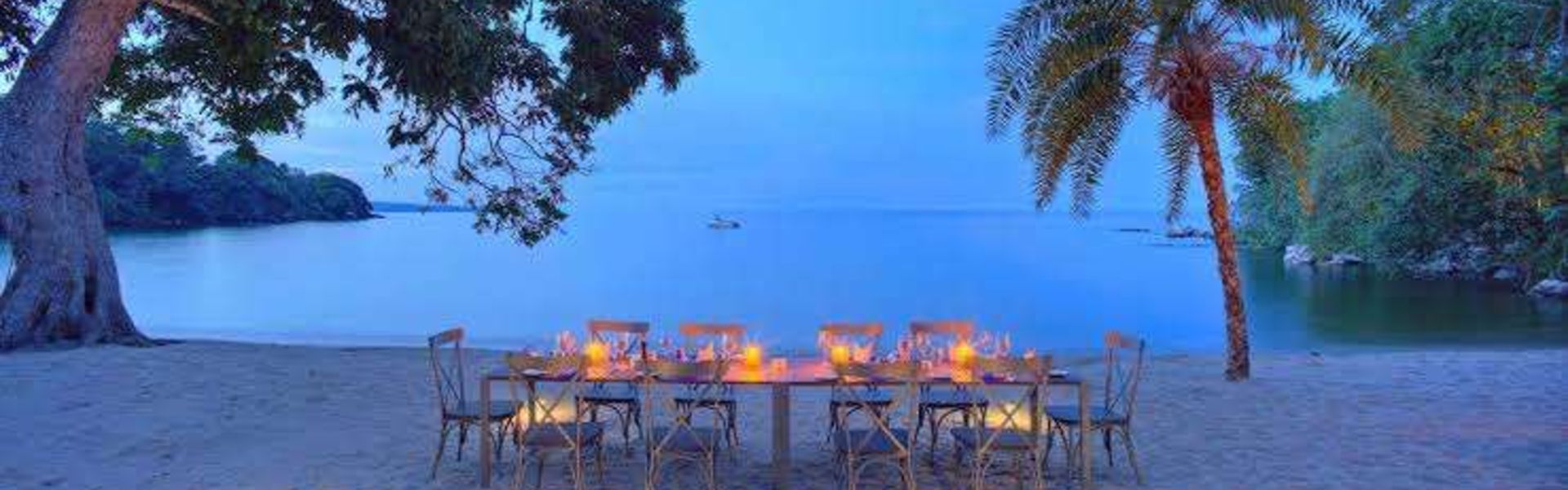
The Ultimate Guide to Rubondo Safaris

Island sanctuary, untouched by the typical safari crowds, where profound conservation stories unfold amidst lush forests and the vast expanse of Africa's largest lake. This is Rubondo National Park, a hidden gem nestled within the immense waters of Lake Victoria.
As Tanzania's only island national park, Rubondo offers a distinct departure from traditional mainland safari destinations, presenting an unparalleled blend of forest, aquatic, and primate experiences that redefine the very essence of an African wilderness adventure.
This report invites exploration into the heart of Rubondo, unveiling its precise geographical location within the magnificent Lake Victoria. It will delve into the park's fascinating and enduring "long context" of groundbreaking conservation efforts, which have shaped its unique ecological identity. Finally, it will illuminate the array of "unique experiences" it offers to the discerning eco-traveler, promising an intimate and unforgettable connection with nature.
Rubondo's Pristine Location: An Island Gem on Lake Victoria.
Rubondo National Park's identity is inextricably linked to its remarkable geographical setting, an isolation that profoundly influences its natural beauty and ecological significance.
Geographical Setting.
Rubondo Island National Park is precisely situated in the south-western corner of Lake Victoria, Tanzania, a strategic placement within the world's second-largest freshwater lake. This defining characteristic as Tanzania's sole island national park means the protected area encompasses not just the main Rubondo Island, but also several smaller islets scattered across the lake's vast expanse. The park spans a total area of 456.8 square kilometers, with approximately 260 square kilometers comprising land and the remainder being the surrounding lake waters. This substantial aquatic component immediately highlights the crucial role of water in shaping the park's character and the experiences it offers.
Accessibility and Its Implications.
Reaching Rubondo is an adventure in itself, underscoring its remoteness and exclusivity. The primary modes of access include charter flights from major Tanzanian hubs such as Arusha, Dar es Salaam, or Mwanza, landing directly on the island's airstrip. Alternatively, visitors can undertake a combination of road travel and ferry from Mwanza. This multi-modal journey, often involving scenic flights over the vast expanse of Lake Victoria, contributes significantly to the sense of anticipation and adventure, setting the tone for a truly unique wilderness encounter.
The relative difficulty of access and the nature of available accommodation inherently position Rubondo as a destination for discerning, often higher-budget, eco-tourists. The park is not easily accessible by self-drive or public transport, which naturally filters out mass tourism. This deliberate approach to access, combined with limited and often high-end accommodation options, helps to preserve its "untouched wilderness" feel. This ensures lower visitor numbers and minimizes environmental impact, aligning perfectly with a responsible tourism model where the quality of experience and conservation take precedence over sheer volume.
Relationship with Lake Victoria.
The surrounding lake profoundly influences the island's climate, vegetation, and wildlife, creating a unique island ecosystem distinct from mainland parks. The lake acts as a formidable natural barrier, contributing significantly to the island's pristine nature and its role as a sanctuary. This physical separation is not merely a topographical feature; it profoundly shapes the park's ecological destiny. It creates a contained, relatively pristine environment, naturally limiting human encroachment from the mainland and acting as a buffer against external pressures like the spread of diseases or invasive species. This unique characteristic has proven invaluable for the park's ambitious species reintroduction programs, providing a secure and manageable setting where reintroduced populations can thrive with reduced external threats. The clearly defined aquatic boundaries also enhance the effectiveness of conservation management and anti-poaching efforts, making Rubondo an exceptionally secure sanctuary.
The Enduring Legacy: A Deep Dive into Rubondo's Conservation Context
Rubondo National Park is a testament to visionary conservation, marked by its evolution as a protected area and pioneering rewilding initiatives.
Historical Background and Establishment.
Rubondo's journey as a protected area began with its gazetting as a game reserve in 1965, a significant step towards safeguarding its unique environment. This commitment was further solidified when it was elevated to national park status in 1977. This progression signifies an increasing recognition of its ecological importance and a stronger, more formal commitment to its long-term protection under the Tanzanian National Parks authority (TANAPA). From its inception, the vision for Rubondo was clear: to establish a sanctuary for endangered or threatened species, a place where wildlife could thrive away from the pressures of mainland environments.
The Pivotal Chimpanzee Reintroduction Project
At the heart of Rubondo's conservation narrative lies the ambitious and pioneering chimpanzee reintroduction program. This groundbreaking initiative, conceived by Professor Bernhard Grzimek, took place between 1966 and 1969. What makes this project truly unique is that the 16 chimpanzees introduced were orphaned or confiscated from European zoos and were notably not native to Rubondo Island, or even to Tanzania itself. This detail is a crucial aspect of Rubondo's long conservation history, demonstrating a deliberate, human-led effort to establish a new, thriving population.
The project has achieved remarkable success, with the chimpanzees adapting, breeding, and flourishing in their new island home. Their population has grown to over 40 individuals today, a powerful testament to the suitability of the environment and the dedication of conservationists. This success has deservedly earned Rubondo the moniker Chimpanzee Island" and offers the "only chimpanzee experience in Tanzania.
Beyond Chimpanzees: A Broader Rewilding Effort.
While the chimpanzee project often takes center stage, Rubondo's conservation story extends far beyond. It represents a pioneering "living laboratory" for large-scale rewilding and ecological engineering. The park's history reveals an extensive effort to introduce other large mammals to the island. Elephants, giraffes, the elusive semi-aquatic sitatunga, suni, genet cats, mongoose, and otters were all introduced to enhance the island's biodiversity. Black and white colobus monkeys were also brought in, further diversifying the primate population.
This particular outcome demonstrates that conservation is an ongoing, complex process of trial, error, and adaptation, adding a layer of realism and humility to the "long context" of Rubondo's conservation journey. Rubondo's profound history is not merely about natural preservation, but about active, long-term human intervention to restore and enhance biodiversity in a controlled environment. It stands as a bold and largely successful experiment in species reintroduction, offering invaluable lessons for global conservation efforts. This positions Rubondo as more than just a national park; it is a testament to ambitious conservation science and the potential for human-led ecological restoration.
Unique Ecological Characteristics: A Mosaic of Habitats.
The island's diverse habitats contribute significantly to its unique ecological character. Rubondo boasts a rich mosaic of environments, including dense indigenous forest, expansive open savannah, extensive wetlands, papyrus swamps, and rocky areas. This varied landscape provides diverse niches, supporting the wide range of both introduced and native species. The island ecosystem, with its inherent isolation, fosters unique adaptations and presents specific management opportunities for conservation. The contained environment allows for close monitoring and management of introduced populations, enabling a level of stewardship rarely possible in vast, open mainland parks.
The nature often attributed to Rubondo is, in fact, a direct result of deliberate and successful conservation management, including these extensive reintroduction programs, rather than a purely untouched natural state. The park is pristine because it has been carefully managed and protected, and its biodiversity has been actively enhanced through reintroductions, not because it has been left entirely alone. This highlights a modern conservation paradigm where active management and rewilding are crucial for maintaining and even increasing biodiversity, even in seemingly "wild" areas. It is a managed wilderness, showcasing the profound positive impact of thoughtful human stewardship.
Unveiling Rubondo's Unique Experiences: Adventures Beyond the Ordinary
Rubondo's allure lies in its distinct array of activities, offering a refreshing departure from conventional safaris. The park's signature experiences are detailed below, each promising a unique and intimate encounter with its extraordinary environment.
Activity
Description
Unique Aspect
Chimpanzee Trekking
Guided walks into the island's dense forests to observe habituated chimpanzees in their naturalized habitat, offering an intimate primate encounter.
The only chimpanzee trekking experience available in Tanzania, a truly exclusive opportunity to witness a thriving introduced population.
Birdwatching
Exploring diverse habitats, from forest to wetlands, to spot over 430 recorded bird species, including numerous waterbirds and migratory species.
Exceptional diversity of waterbirds and a significant haven for migratory species from Europe and North Africa, making it a top ornithological destination.
Boat Safaris
Excursions on Lake Victoria along the island's shores and through its waterways, providing unique perspectives on aquatic wildlife like hippos, crocodiles, and various waterbirds.
Offers a distinct water-based safari experience, complementing land-based activities and showcasing the lake's integral role in the ecosystem.
Sport Fishing
Angling for large Nile perch and tilapia in the vast, rich waters of Lake Victoria, a thrilling experience for fishing enthusiasts.
World-class freshwater fishing opportunities within the pristine confines of a national park, combining sport with unparalleled natural beauty.
Forest & Nature Walks
Guided walks through the island's varied terrestrial ecosystems, allowing for intimate encounters with flora, smaller wildlife, and the unique forest environment.
Provides a deeper, sensory immersion into the island's unique habitats, including opportunities to spot the elusive semi-aquatic sitatunga.
Chimpanzee Trekking: The Flagship Encounter.
The unparalleled opportunity for guided walks into the dense forest to observe the habituated chimpanzee population stands as Rubondo's flagship experience. This immersive encounter offers the profound privilege of witnessing these intelligent primates in their naturalized habitat, observing their complex social structures and behaviors up close. Conservation-minded tourism is paramount, with strict rules and limited numbers meticulously enforced during trekking to ensure minimal disturbance to the chimpanzees and to provide a high-quality, responsible, and intimate visitor experience.
This is the "only chimpanzee experience in Tanzania," making it a truly exclusive and highly sought-after opportunity for primate enthusiasts.
Birdwatcher's Paradise.
Rubondo boasts an impressive avian wealth, with over 430 recorded bird species, establishing it as a significant destination for ornithologists and casual birdwatchers alike. Visitors can expect to spot majestic fish eagles soaring overhead, various storks, elegant herons, graceful egrets, distinctive ibises, diving cormorants, and vibrant kingfishers. Furthermore, between November and April, the island experiences a significant influx of migratory birds from Europe and North Africa, transforming it into a bustling hub of avian activity and making this a prime season for birdwatching.
Aquatic Adventures: Lake Exploration and Sport Fishing.
The vast waters of Lake Victoria offer exhilarating boat excursions along the island's pristine shores and through its intricate waterways. These safaris provide unique perspectives on wildlife, including sightings of hippos, crocodiles basking on the banks, and a myriad of waterbirds. For fishing enthusiasts, the popular and thrilling activity of sport fishing for large Nile perch and tilapia in the rich, clear waters of Lake Victoria is a major draw. The excitement of the catch in this immense freshwater lake, renowned for its trophy-sized fish, adds another dimension to the Rubondo experience.
Forest Walks & Nature Trails.
Beyond vehicle-based viewing, Rubondo offers the chance to embark on immersive guided nature walks and forest trails. These walks provide an intimate and sensory way to explore the island's diverse ecosystems, including its dense indigenous forests, open savannah, and wetlands. They allow for closer observation of smaller wildlife, fascinating insects, unique flora, and the intricate details of the island's natural environment, revealing hidden gems often missed from a vehicle.
Wildlife Encounters.
Visitors can also encounter a range of other introduced and native species. This includes the elusive semi-aquatic sitatunga, often seen wading in the papyrus swamps, as well as elephants, giraffes, bushbucks, playful vervet monkeys, secretive genet cats, mongoose, and otters. Seeing the sitatunga, with its specialized hooves for marshy terrain, is a particularly rare and special experience, as Rubondo is "one of the few places to see sitatunga" in Tanzania.
Rubondo offers a highly specialized and distinct safari experience. The activities heavily feature chimpanzee trekking, birdwatching, boat excursions, and forest walks. While elephants and giraffes are present, they were explicitly introduced, and the park's key unique selling propositions focus predominantly on chimpanzees and sitatunga. This contrasts sharply with the "Big Five" plains-game focus that dominates typical Tanzanian safaris in the Serengeti or Ngorongoro. The emphasis on aquatic activities further distinguishes it. This positions Rubondo as a complementary, rather than competitive, destination within Tanzania's broader safari circuit, attracting a more discerning and specialized eco-tourist who values unique biodiversity and active exploration over conventional game drives.
The limited access, controlled trekking numbers, and description as "untouched wilderness" suggest a less crowded, more personal experience. The island's contained nature, compared to vast mainland parks, means wildlife viewing might feel more concentrated and less overwhelming, allowing for deeper engagement with the environment. The focus on walking and boat safaris, rather than solely vehicle-based game drives, inherently fosters a more intimate connection. The island setting and carefully managed tourism approach foster a profound sense of intimacy and exclusivity. Visitors are likely to feel a deeper, more personal connection to nature and wildlife due to the smaller scale, fewer crowds, and the immersive nature of the activities. This enhances the quality of encounters and creates a truly memorable, personal adventure that feels far removed from the bustling tourist trails.
Cultural Visits.
For those interested in a broader cultural immersion, there is the possibility of cultural visits to local communities on the fringes of the park or nearby. These interactions with the people who share the lake's resources can add a meaningful dimension to the wildlife experience.
Planning Your Visit: Essential Insights for the Discerning Traveler
For potential visitors, understanding the practical aspects of a trip to Rubondo is essential to maximize the experience.
Logistics and Best Times to Visit.
Optimal times to visit Rubondo vary depending on specific interests. For general wildlife viewing, the dry season typically offers easier animal spotting as vegetation thins. However, for avid birdwatchers, the period between November and April is ideal, coinciding with the significant influx of migratory birds from Europe and North Africa. Pre-arranged tours are highly recommended, and the crucial role of experienced, knowledgeable guides for activities like chimpanzee trekking cannot be overstated, ensuring both safety and an enriching experience.
Accommodation Types.
Rubondo offers a range of accommodation options to suit various preferences. This includes the exclusive luxury of Rubondo Island Camp, providing a high-end, immersive stay, alongside more budget-friendly TANAPA bandas and public campsites. This variety caters to a range of discerning travelers, though the luxury option is often highlighted for its unique setting and elevated experience.
The explicit mention of a luxury camp alongside government-run bandas suggests a deliberate strategy to attract both high-end and more budget-conscious travelers, with a clear emphasis on the luxury segment. High-end tourism typically generates significant revenue per visitor. This revenue, combined with the park's national park status and its stated focus on protecting endangered species and maintaining biodiversity, implies a direct and crucial link between visitor spending and the park's ambitious, ongoing conservation efforts, particularly the maintenance of introduced populations.
The controlled access and limited numbers further support a high-value, low-impact model. Visiting Rubondo is therefore not just a vacation; it is an active contribution to a unique and successful conservation story. The park's ability to sustain its ambitious rewilding projects, manage its introduced species, and maintain its pristine environment is heavily supported by the revenue generated from its carefully managed, often high-value, tourism. This appeals strongly to eco-conscious travelers who seek to make a positive impact with their travel choices and are willing to invest in authentic, sustainable experiences.
Responsible Tourism Practices.
Adhering to park rules and guidelines is paramount, especially during chimpanzee trekking, to ensure the well-being and minimal disturbance of the animals and the overall preservation of the fragile island environment. This commitment to responsible tourism is an integral part of the park's ethos and a shared responsibility for all who visit.
Conclusion: The Unforgettable Call of Rubondo
Rubondo National Park stands as a profoundly distinctive destination, Tanzania's only island national park, where pioneering conservation efforts seamlessly blend with unparalleled natural beauty. It is a place that challenges traditional safari notions, offering a deeper, more intimate connection with the wild.
The enduring legacy of its rewilding efforts, particularly the thriving chimpanzee population and the successful integration of other introduced species, serves as a powerful testament to dedicated and innovative conservation science. Rubondo stands as a beacon of hope for ecological restoration, demonstrating the profound positive impact of thoughtful human stewardship in creating a managed wilderness.
For the discerning traveler seeking an adventure beyond the ordinary, Rubondo extends an evocative invitation. Discover this "untouched wilderness" for yourself, experience a safari that transcends expectations, and leave with an unforgettable mark on your travel journey, knowing you have contributed directly to a living conservation success story.